Overview
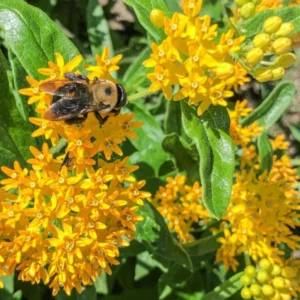
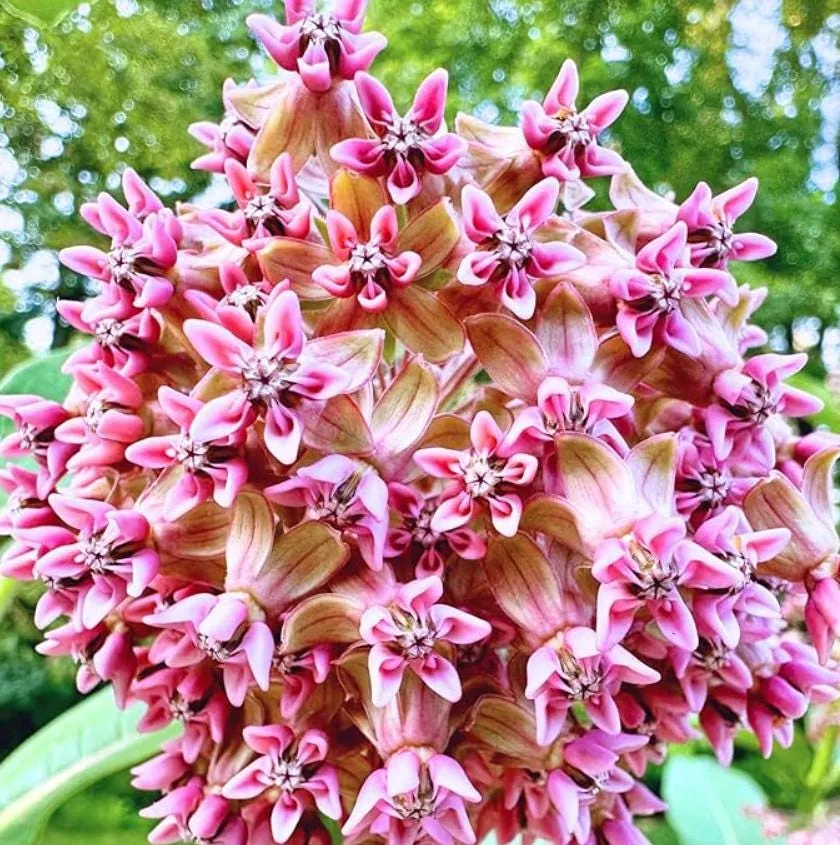
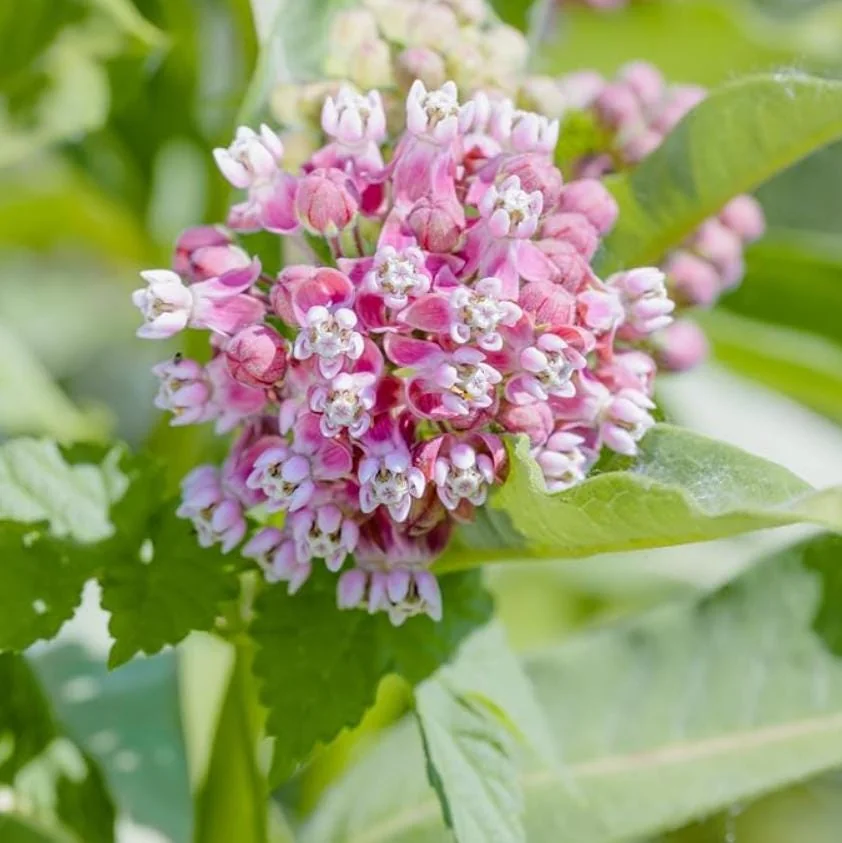
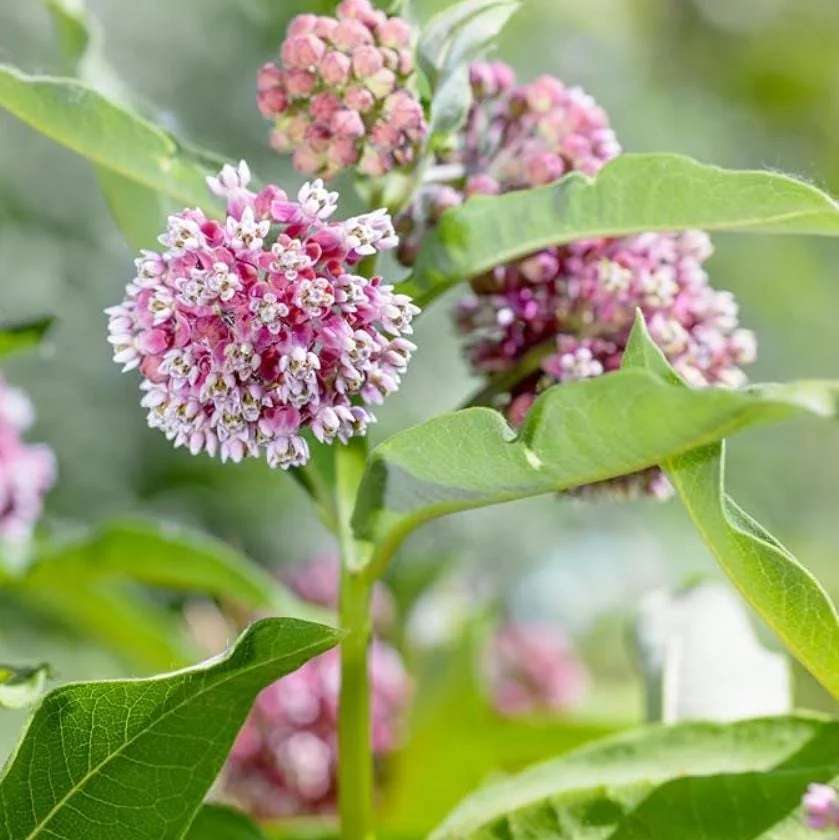
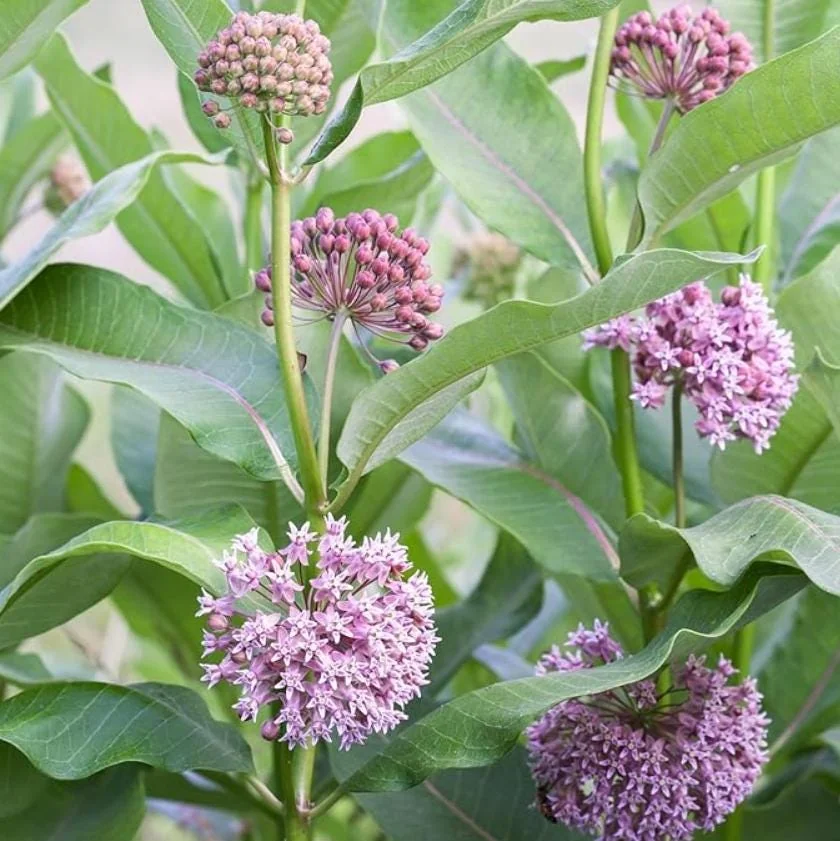
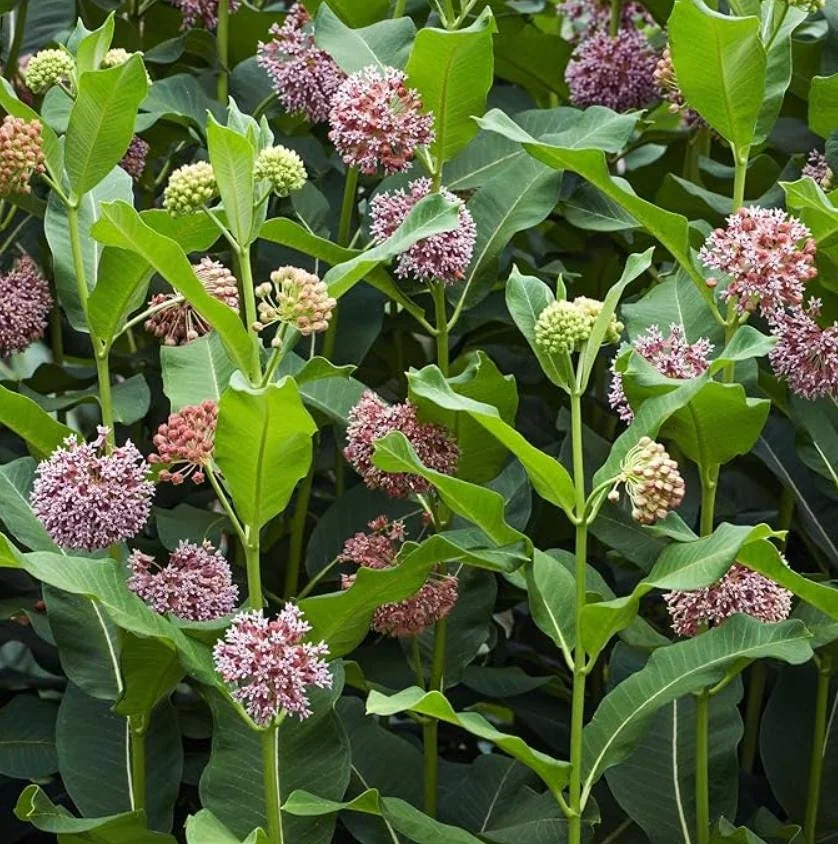
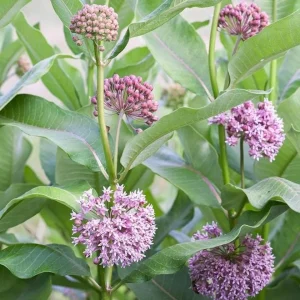
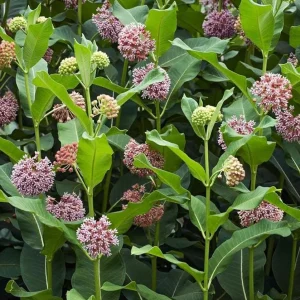
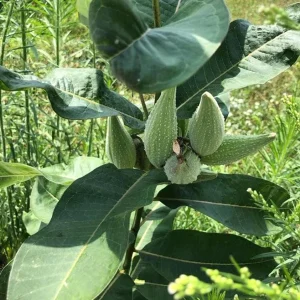
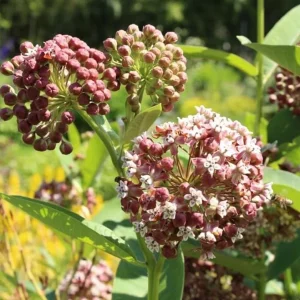
Introduce the ecological beauty of the broadleaf milkweed live plant (Asclepias perennis), also known as broadleaf swamp milkweed, to your garden. This robust perennial is celebrated for its attractive broad green leaves and clusters of vibrant, nectar-rich flowers. As a crucial monarch butterfly host plant, it provides essential food and habitat for monarch caterpillars, making it an indispensable addition to any pollinator-friendly landscape. These healthy starter plants arrive ready to thrive, offering both ornamental appeal and significant ecological benefits to your outdoor space. The broadleaf milkweed live plant is a low-maintenance choice that contributes to biodiversity and supports local ecosystems.
Perfect for gardeners seeking to create a vibrant habitat, this plant thrives in various settings, from garden borders to water-adjacent areas. Its resilient nature and ability to attract beneficial insects make it a rewarding plant to cultivate. With its unique role in the monarch life cycle, growing Asclepias perennis is a direct contribution to butterfly conservation efforts.
Key Benefits
Cultivating the broadleaf milkweed live plant offers a multitude of advantages for your garden and local ecosystem:
- Supports Monarch Butterflies: This plant is a primary food source for monarch caterpillars, making it an essential component of any butterfly garden and a vital monarch butterfly host plant. Planting it directly aids in the conservation of these iconic pollinators.
- Attracts Pollinators: Beyond monarchs, the nectar-rich flowers of Asclepias perennis draw in a variety of other beneficial pollinators, including bees and other butterflies, enhancing garden biodiversity and promoting healthy plant growth.
- Low Maintenance: Once established, broadleaf milkweed live plant is known for its drought tolerance and general hardiness. It requires minimal care, making it suitable for gardeners of all experience levels.
- Ecological Value: Adds significant ecological value to your landscape by supporting wildlife and contributing to a healthy, balanced ecosystem. It helps create a sustainable environment for local fauna.
- Versatile Garden Use: Ideal for a wide range of garden applications, including borders, containers, meadows, and water-adjacent planting areas. Its adaptable nature makes it a flexible choice for various garden designs.
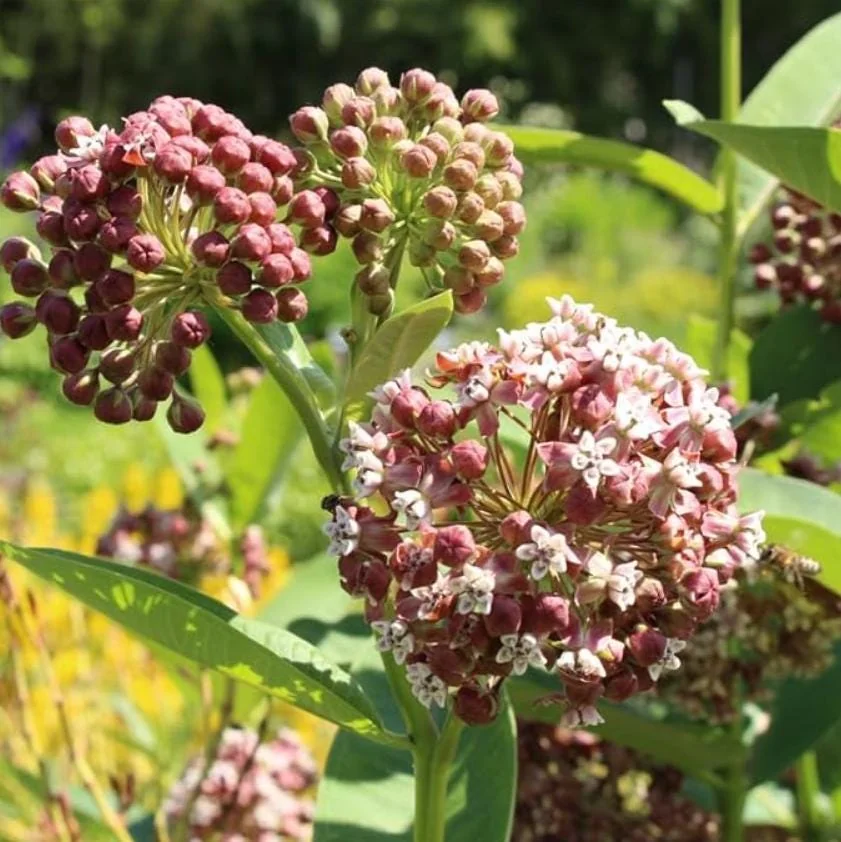
- Ornamental Appeal: Features attractive broad green leaves and showy flower clusters that provide visual interest throughout the growing season, enhancing the aesthetic beauty of your garden.
- Non-Invasive: This perennial is non-invasive, allowing you to enjoy its benefits without concern for aggressive spreading in your garden.
Plant Care & Growing Tips
Caring for your broadleaf milkweed live plant is straightforward, ensuring a thriving addition to your garden. For optimal flowering and growth, plant in a location that receives full sun to partial shade. Full sun encourages the most abundant blooms. When establishing, keep the soil consistently moist. Once mature, Asclepias perennis exhibits good drought tolerance, but occasional watering during dry spells will help maintain its vigor. This plant prefers moist, well-drained soils, often found in natural swampy or boggy areas, hence its alternative name, broadleaf swamp milkweed. Ensure good drainage to prevent root rot, especially in heavier soils.
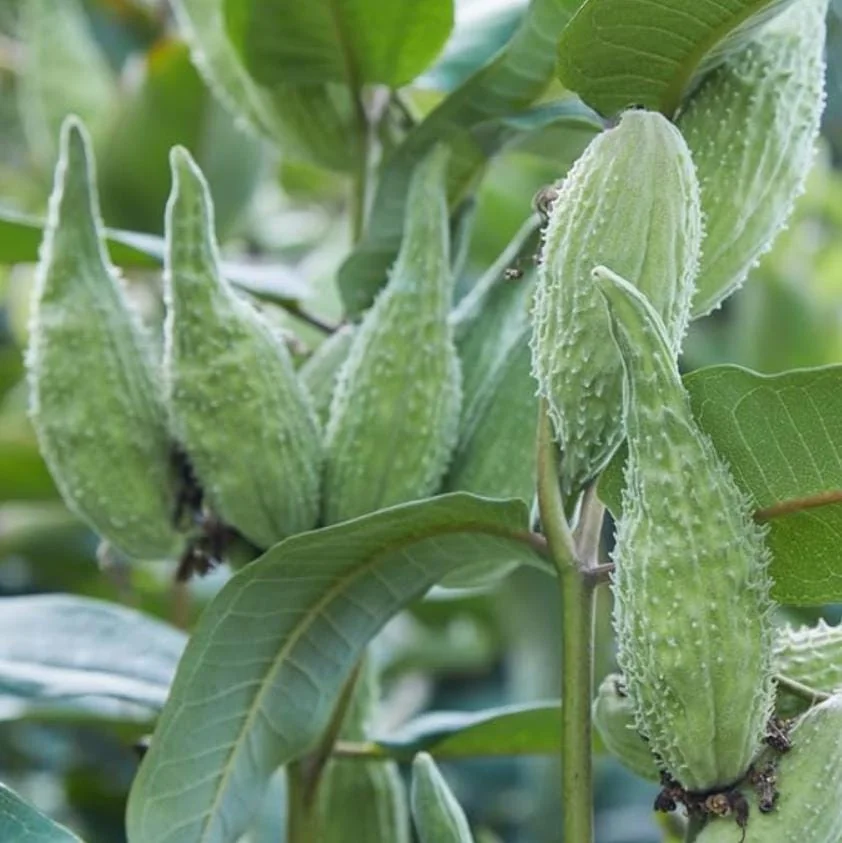
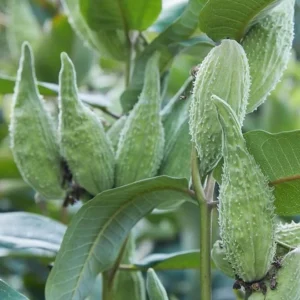
Fertilizer is generally not required for this hardy perennial; in fact, over-fertilizing can sometimes reduce flower production. If your soil is very poor, a light application of a balanced, slow-release fertilizer in spring can be beneficial. Applying organic mulch around the base of your plants helps retain soil moisture, regulate soil temperature, and suppress weeds. Deadheading spent blooms can encourage more flowers, extending the blooming season. Seed pods can be left on the plant to provide seeds for wildlife or for future propagation. Protect young plants in extreme cold, as they are frost hardy to USDA Zones 6–9.
Understanding asclepias perennis care involves monitoring moisture levels and providing adequate light. This plant can typically grow up to 3 feet tall, providing a sturdy presence in your garden. Regular observation will help you identify any specific needs your plant may have, ensuring it remains healthy and continues to be a vibrant pollinator garden plant.
Size & Details
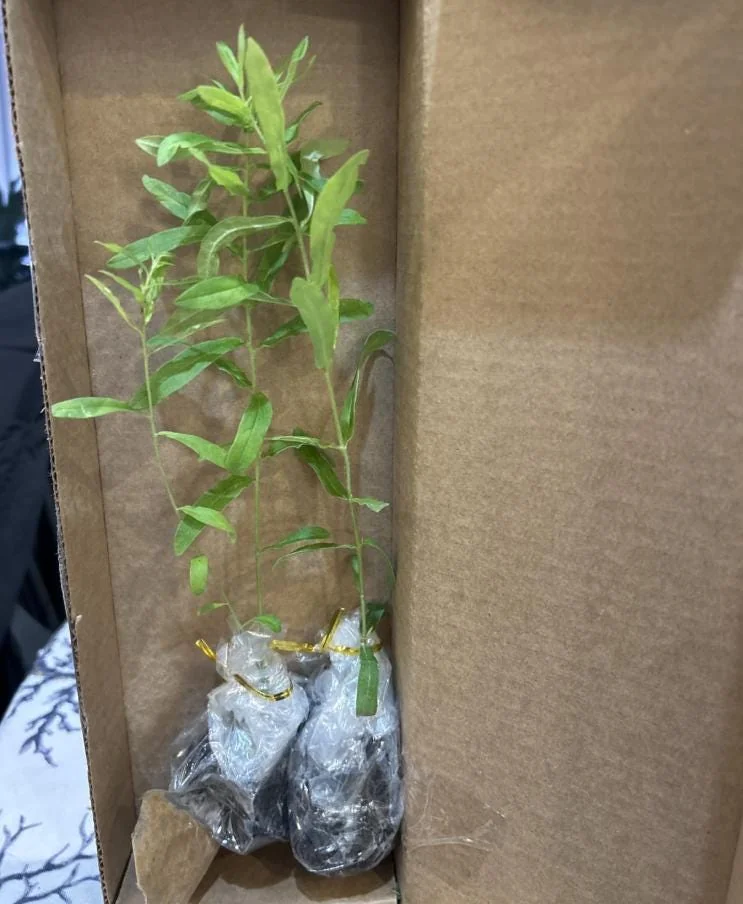
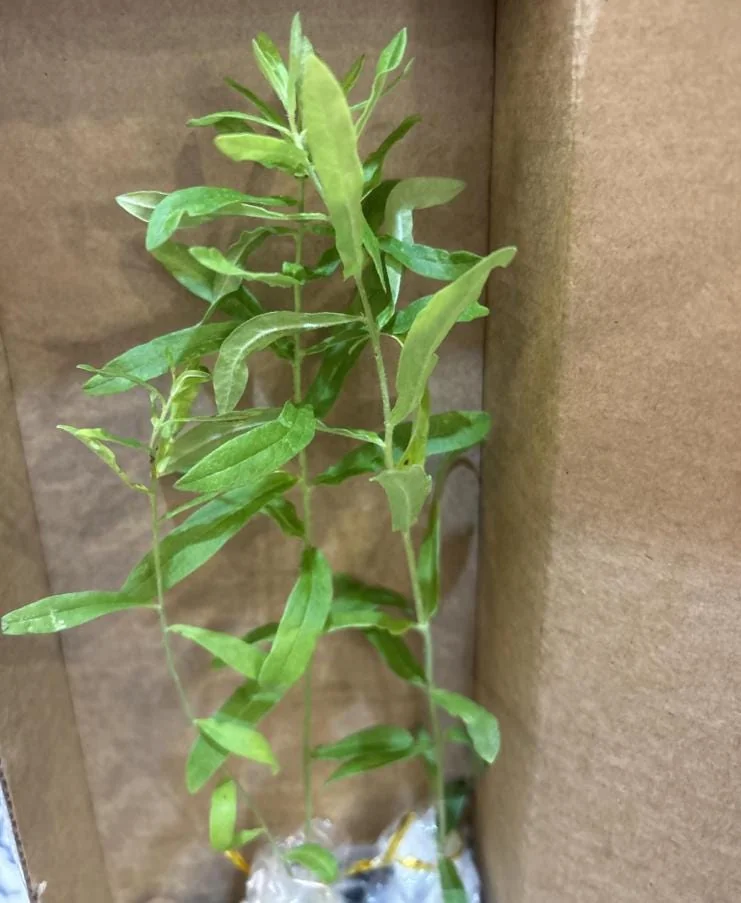
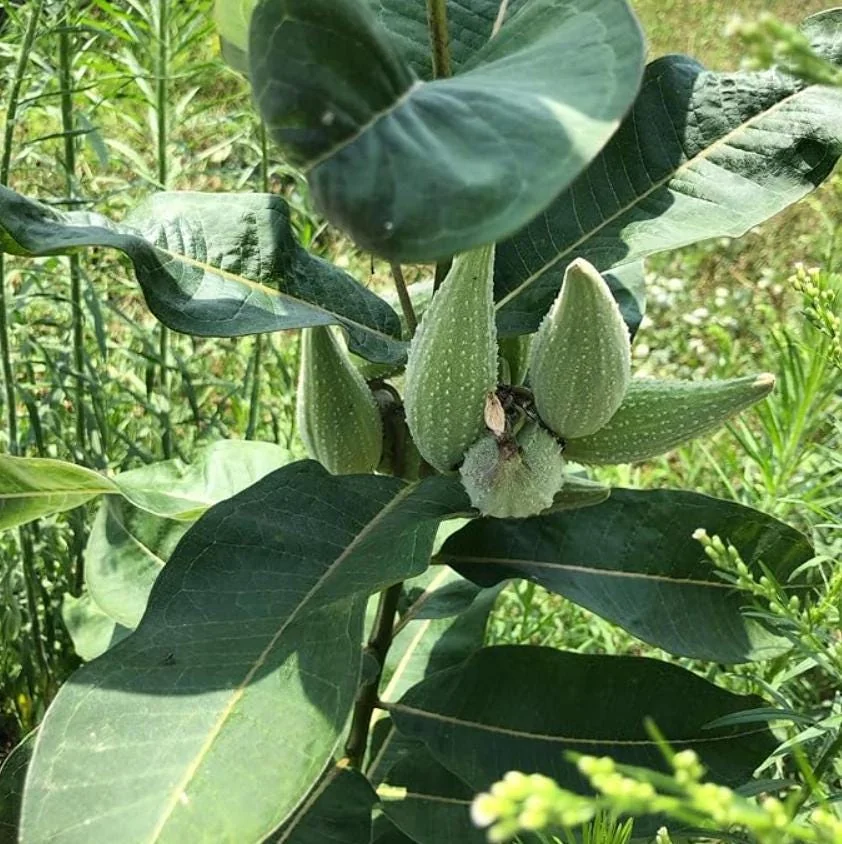
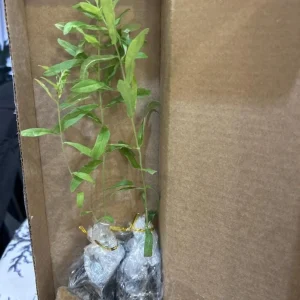
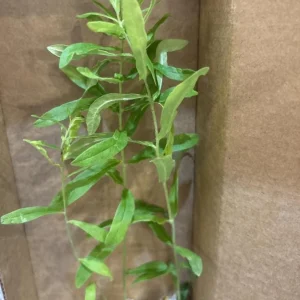
You will receive a set of two healthy broadleaf milkweed live plant starter plants, each approximately 3–6 inches tall. These plants are shipped bare root, with their roots carefully wrapped in soil or medium to maintain moisture during transit, ensuring they arrive in optimal condition for planting. While the images may depict mature plants with full blooms, please note that you are receiving young starter plants, not fully mature flowering specimens. Blooming typically commences mid-summer and is influenced by the plant’s age, the amount of sunlight it receives, and overall growing conditions.
This perennial plant typically reaches a mature height of up to 3 feet. For healthy growth and proper air circulation, plant your Asclepias perennis starters approximately 18–24 inches apart. It supports monarch caterpillars as a crucial food source and habitat. Propagation can be achieved by seed in the fall, with cold stratification often improving germination rates. These plants are frost hardy to USDA Zones 6–9, making them suitable for a wide range of climates. With proper asclepias perennis care, these plants will grow into robust additions to your garden.
Frequently Asked Questions
- Q: How big does this plant get? A: The broadleaf milkweed live plant typically grows up to 3 feet tall when mature, providing a substantial presence in your garden. Its spread can be managed with proper spacing.
- Q: What condition will the plants arrive in? A: You will receive two healthy starter plants, approximately 3–6 inches tall, shipped bare root with their roots carefully wrapped to ensure moisture during transit. They are carefully packaged to arrive ready for planting.
- Q: Is this an indoor or outdoor plant? A: This is primarily an outdoor plant, ideally suited for garden beds, borders, meadows, and water-adjacent areas where it can receive adequate sunlight and support pollinators. It is a robust pollinator garden plant.
- Q: How much sunlight does it need? A: Asclepias perennis thrives in full sun to partial shade. For the most abundant flowering, a location with full sun exposure is recommended.
- Q: Is this plant easy to care for? A: Yes, once established, the broadleaf milkweed live plant is considered low-maintenance and drought-tolerant. It’s a great choice for both beginner and experienced gardeners looking for an easy-care monarch butterfly host plant.
- Q: How long until it blooms? A: Blooming typically begins mid-summer, but the exact timing depends on the plant’s age, the amount of sunlight it receives, and overall growing conditions. As these are starter plants, it may take one growing season to establish before significant blooming occurs.
- Q: Will it survive winter in my zone? A: This plant is frost hardy to USDA Zones 6–9. In these zones, it will typically survive winter and return in the spring as a perennial. Younger plants may benefit from protection in the colder parts of its range.
- Q: Is the broadleaf milkweed live plant safe for pets? A: While generally safe for pollinators and wildlife, this plant is intended for ornamental and ecological purposes. As with many plants, it’s best to keep it out of reach of pets and children if ingested.
- Q: What kind of soil does broadleaf swamp milkweed prefer? A: It prefers moist, well-drained soils, mimicking its natural habitat. Good drainage is key to prevent waterlogging, especially in areas with heavier clay soils.
- Q: How far apart should I plant them? A: For optimal growth and air circulation, plant your broadleaf milkweed live plant starters approximately 18–24 inches apart. This spacing allows each plant to develop fully.


Reviews
There are no reviews yet.