Overview
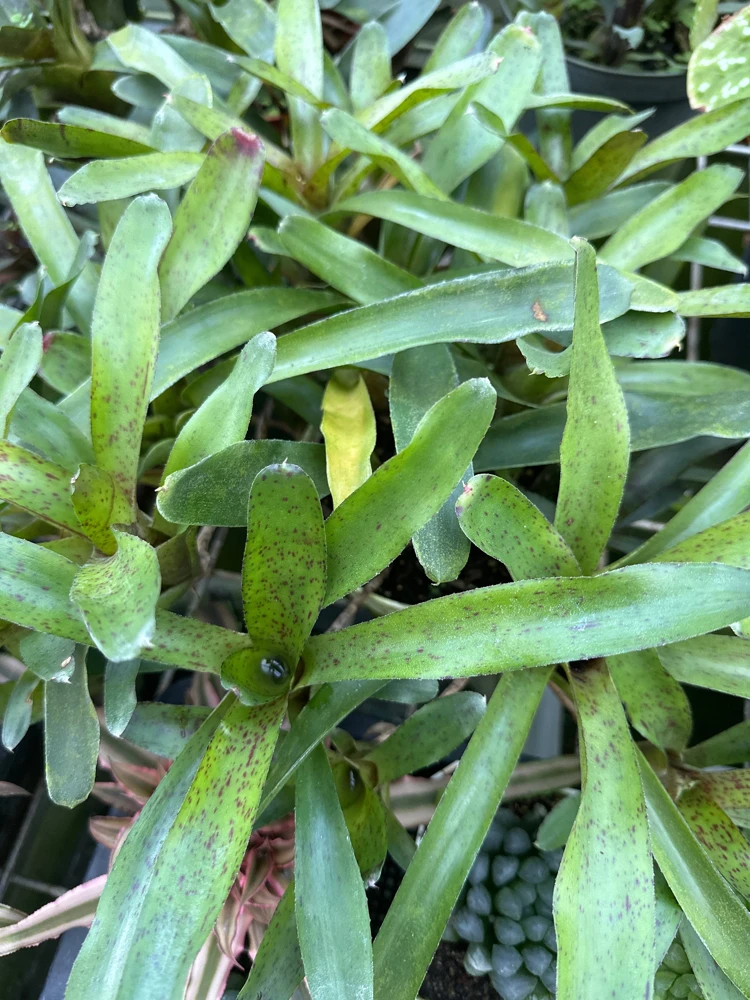
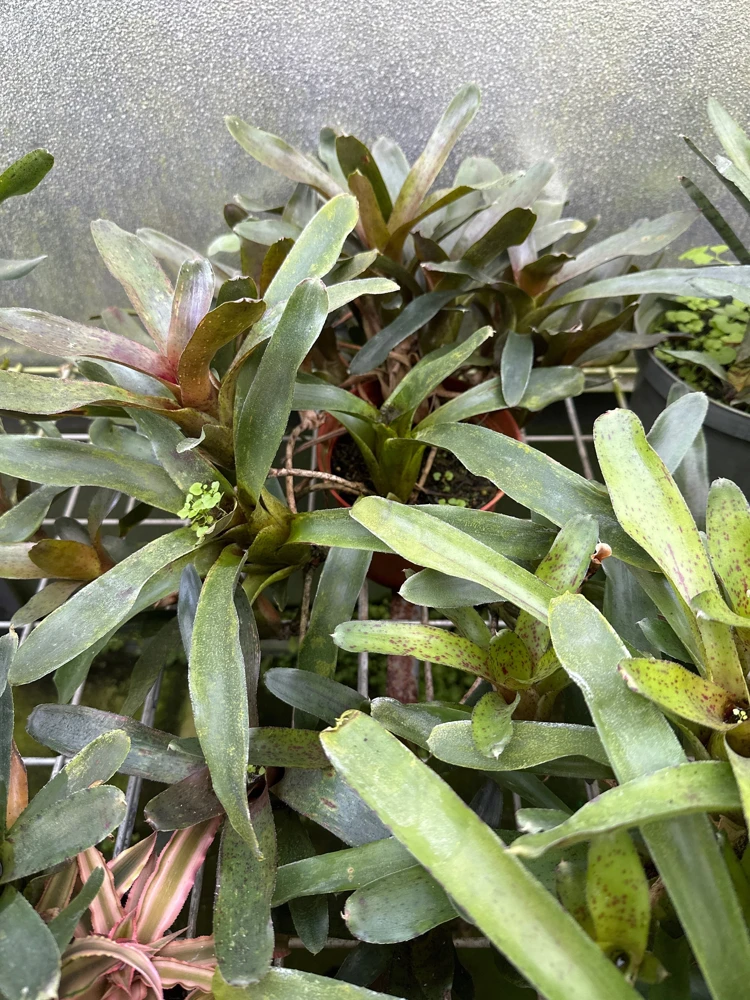
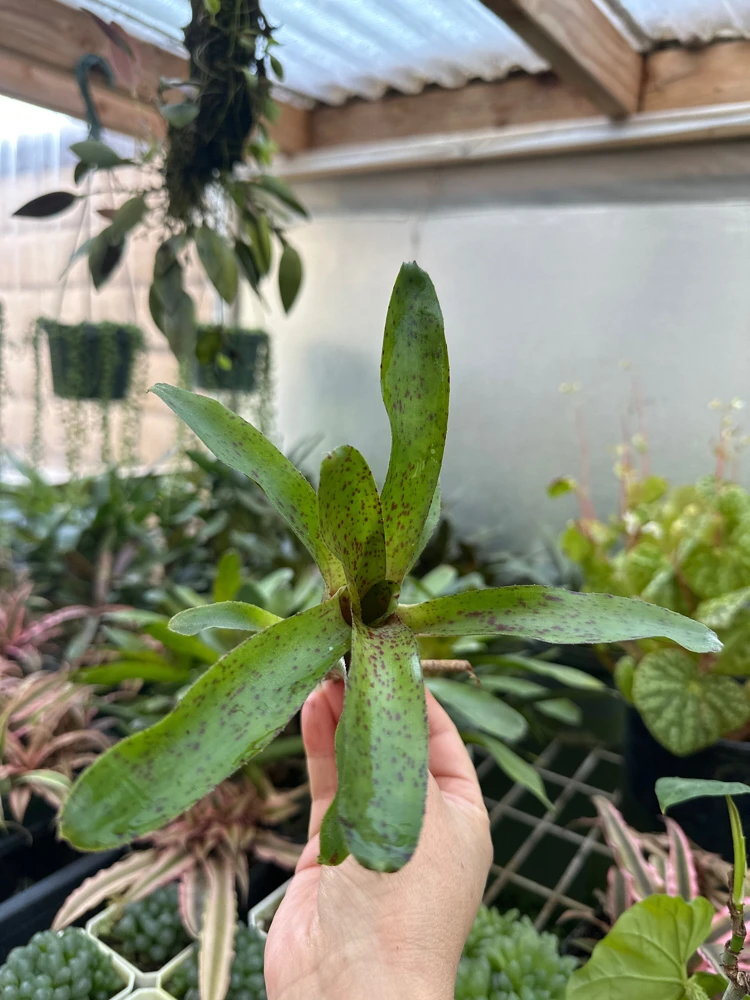
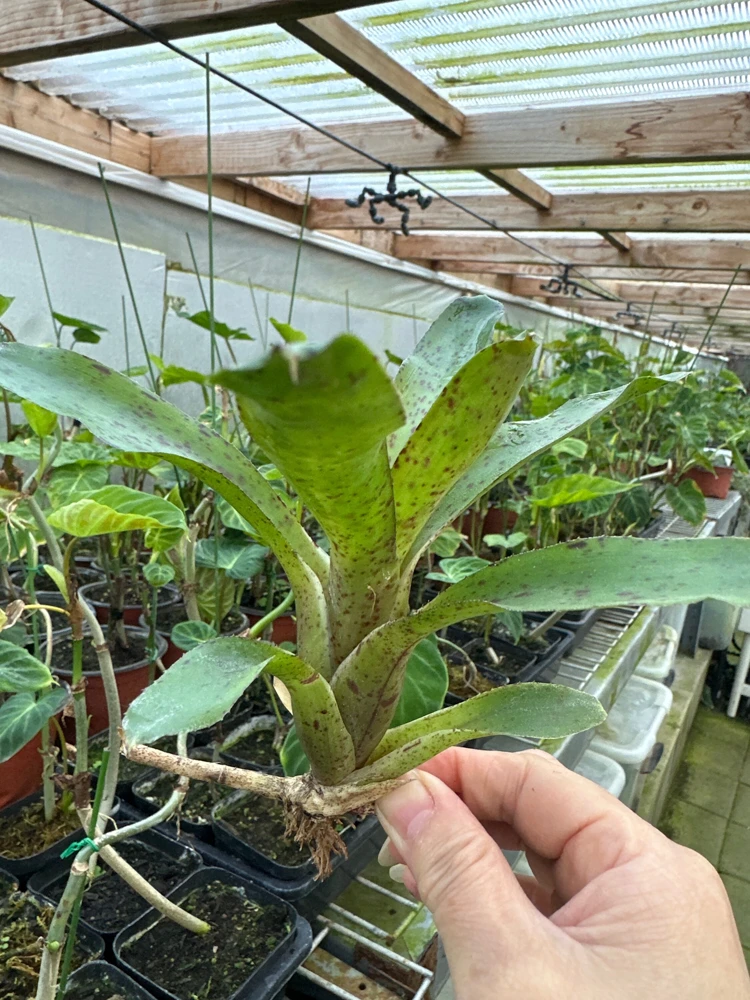
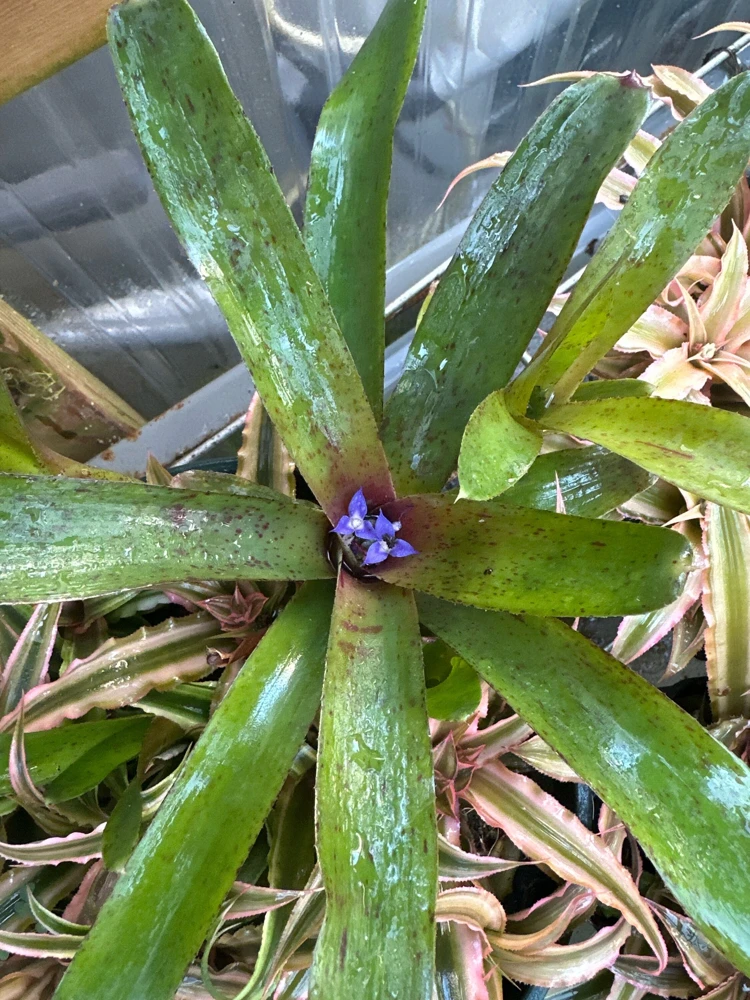
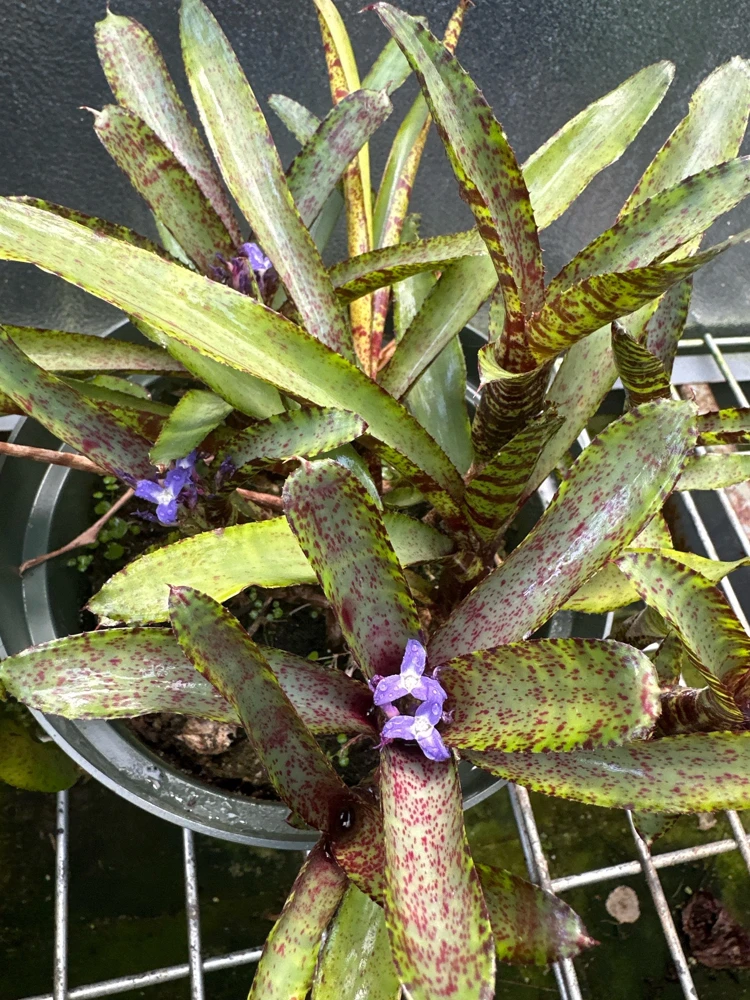
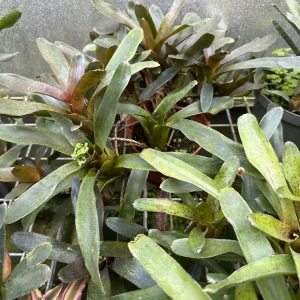
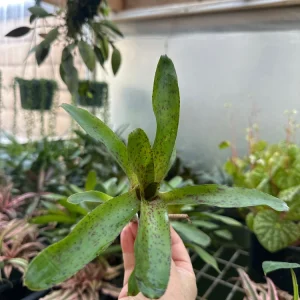
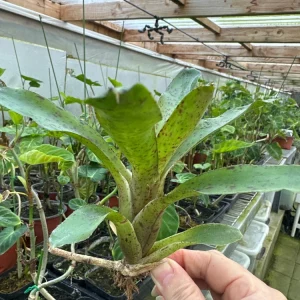
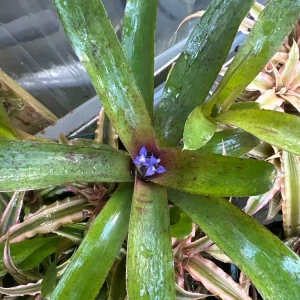
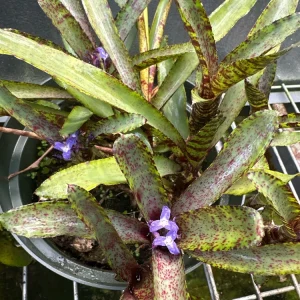
Introduce a touch of the tropics to your home with a stunning bromeliad live plant. These remarkable houseplants are celebrated for their vibrant, long-lasting color and unique architectural forms. Bromeliads, part of the Bromeliaceae family, are epiphytic plants native to tropical and subtropical regions of the Americas, where they often grow on trees or rocks. Their striking appearance, featuring rosettes of stiff, colorful leaves and often a dramatic central flower spike, makes them a focal point in any room. This easy care bromeliad is an ideal choice for anyone looking to add exotic beauty without extensive maintenance, offering a rewarding experience for both novice and seasoned plant parents. Each indoor bromeliad plant brings a distinct personality to your living space. While they are often admired for their brilliant flower bracts, the foliage itself can be equally captivating, displaying patterns and hues ranging from deep greens and reds to oranges and purples. They thrive in indoor environments, adapting well to typical household conditions, and are known for their resilience and ability to flourish with minimal fuss. Embrace the allure of these captivating plants and transform your home into a vibrant sanctuary with this exceptional offering, ensuring a continuous display of a truly colorful houseplant.
Key Benefits
Beyond their undeniable aesthetic appeal, the bromeliad live plant offers several advantages, making them a superb choice for enhancing your home and well-being. These benefits extend from their visual impact to their positive contribution to your indoor environment, making bromeliad care tips a rewarding experience.
- Vibrant, Long-Lasting Color: Bromeliads are renowned for their spectacular, vivid colors that can last for months, providing continuous visual interest and brightening any room. Their striking hues create a lively and joyful atmosphere in your home, making them a perfect colorful houseplant.
- Low Maintenance & Easy Care: Perfect for busy individuals or new plant owners, these plants require minimal attention. Their resilient nature means they can thrive with infrequent watering and simple care routines, making them an excellent easy care bromeliad option.
- Adaptable to Indoor Environments: Bromeliads are well-suited for indoor living, tolerating a range of light conditions and humidity levels. They are a versatile choice for various rooms in your home, from bright living areas to more shaded corners, making them an ideal indoor bromeliad plant.
- Unique & Exotic Appearance: The distinctive rosette shape and often dramatic inflorescence of an indoor bromeliad plant add an exotic and sophisticated touch to your decor. They serve as natural art pieces, elevating your interior design.
- Air Purifying Qualities: Like many houseplants, bromeliads contribute to a healthier indoor environment by helping to filter the air. They can absorb certain pollutants and release oxygen, subtly improving air quality in your home.
- Pet-Friendly Option: While it’s always wise to monitor pets around any plant, bromeliads are generally considered non-toxic to cats and dogs, offering peace of mind for pet owners seeking a beautiful and safe houseplant.
- Unique Growth Cycle: Experience the fascinating life cycle of a bromeliad, as the parent plant produces ‘pups’ or offsets before eventually fading, ensuring a continuous supply of new plants for years to come. This makes them a truly rewarding colorful houseplant to grow.
Plant Care & Growing Tips
Caring for your bromeliad live plant is surprisingly simple, making it an excellent choice for both beginners and experienced plant enthusiasts. For optimal growth, place your bromeliad in an area that receives bright, indirect light. Direct sunlight can scorch their leaves, so a north or east-facing window is often ideal. If your home lacks sufficient natural light, a grow light can be used to supplement. When it comes to watering, bromeliads are unique. Most varieties have a central ‘cup’ or ‘tank’ formed by their rosette leaves. This cup should be kept filled with clean water, such as rainwater or distilled water, and flushed every few weeks to prevent stagnation. The soil should be kept lightly moist, but never waterlogged. Allow the top inch or two of the potting mix to dry out completely before watering again. Proper drainage is crucial to prevent root rot, which is a common issue for many houseplants.
Bromeliads thrive in warm temperatures, ideally between 65-80°F (18-27°C), and appreciate high humidity, mimicking their tropical origins. You can increase humidity by misting the plant regularly, placing it near a humidifier, or setting its pot on a pebble tray with water. Fertilization is not heavily required; a diluted liquid fertilizer (about one-quarter strength) can be applied to the cup or sprayed on the leaves once a month during the growing season (spring and summer). Avoid over-fertilizing, as this can harm the plant. Understanding these bromeliad care tips will help your plant flourish. Common problems include brown leaf tips, indicating low humidity or inconsistent watering, and soft, mushy leaves, which can signal overwatering or root rot. By providing consistent and appropriate care, your easy care bromeliad will reward you with long-lasting beauty.
Size & Details
Each bromeliad live plant arrives ready to enhance your indoor space. The size can vary, but generally, these plants typically reach an average height of 12-24 inches (30-60 cm) and a similar spread, depending on the specific variety. They are usually shipped in a nursery pot, ready for you to place in your decorative planter or repot if desired. Growth rate is moderate, with the main plant producing its stunning inflorescence over several months. After blooming, the parent plant will gradually decline, but not before producing ‘pups’ or offsets at its base, ensuring a continuous cycle of beautiful plants for years to come. These offsets can be separated and repotted once they are about one-third the size of the mother plant. This unique growth habit makes them a fascinating addition to any plant collection, providing an ever-evolving display.
Frequently Asked Questions
- Q: How big does this indoor bromeliad plant get? A: Most bromeliad varieties typically grow to be about 12 to 24 inches tall and wide, making them a perfect size for tabletops or shelves. The exact size can vary depending on the specific type of bromeliad.
- Q: Is this bromeliad live plant easy to care for? A: Yes, bromeliads are widely considered an easy care bromeliad, making them suitable for beginners. They require minimal watering and generally thrive with bright, indirect light and warm temperatures. Following basic bromeliad care tips will ensure success.
- Q: How much sunlight does a bromeliad need? A: Bromeliads prefer bright, indirect light. Avoid direct, harsh sunlight, which can scorch their leaves. An east or north-facing window is often ideal, or a spot several feet away from a south or west-facing window.
- Q: What condition will my colorful houseplant arrive in? A: Your bromeliad will arrive as a healthy, established live plant, typically in a nursery pot, carefully packaged to ensure its safety during transit. It will be ready to be placed in your home or repotted.
- Q: Is the bromeliad pet-friendly? A: Yes, bromeliads are generally considered non-toxic to cats and dogs, making them a safer option for homes with pets. However, it’s always best to monitor pets around any houseplants.
- Q: How often should I water my bromeliad? A: For most bromeliads, keep the central cup filled with water, changing it every few weeks. Water the soil when the top inch or two feels dry to the touch, ensuring good drainage to prevent root rot.
- Q: How long does the bromeliad’s color last? A: The vibrant color of a bromeliad’s inflorescence can last for several months, often between 3 to 6 months, providing a long-lasting display of beauty in your home.
- Q: Can I grow this bromeliad outdoors? A: While bromeliads are tropical plants, they are primarily grown as indoor bromeliad plant in most climates. They can be moved outdoors to a shaded spot during warm summer months in suitable climates, but must be brought inside before temperatures drop.
- Q: What kind of soil is best for bromeliads? A: Bromeliads prefer a well-draining potting mix that retains some moisture but doesn’t stay soggy. An orchid mix or a blend of peat moss, perlite, and pine bark is often recommended.
- Q: When is the best time to repot my bromeliad live plant? A: Bromeliads generally don’t need frequent repotting. You can repot offsets (pups) once they are about one-third the size of the mother plant, or repot the main plant if it becomes root-bound, usually in spring or early summer.


Reviews
There are no reviews yet.