Overview
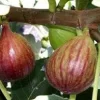
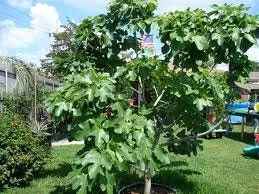
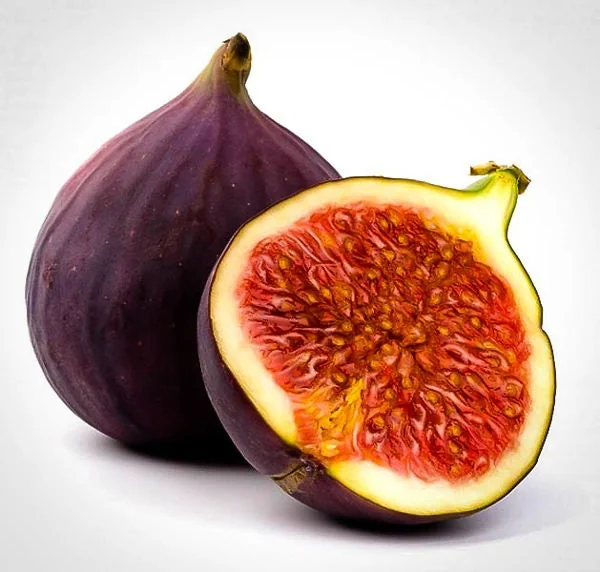
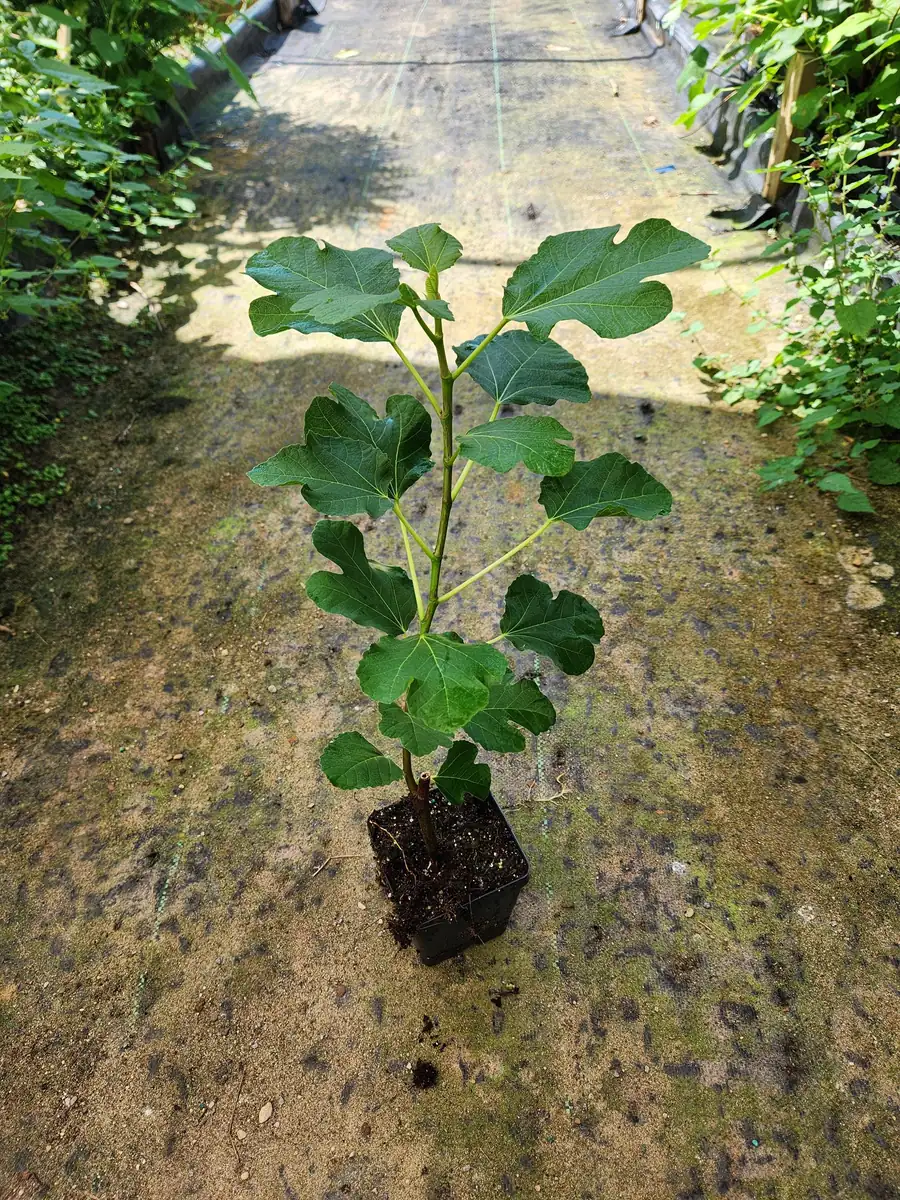
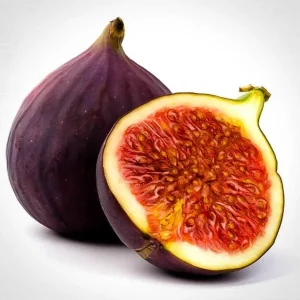
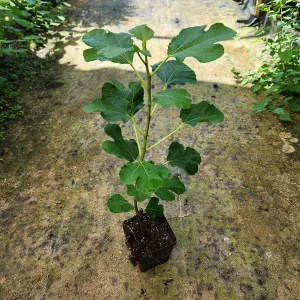
Bring the joy of home-grown fruit to your garden with a brown turkey fig live plant. This popular and resilient variety is cherished for its delicious, sweet, purple-brown figs, making it an excellent choice for both novice and experienced gardeners. Known for its cold-hardiness, the brown turkey fig live plant adapts well to various climates and can be trained as a multi-stemmed shrub or a small tree. It features attractive, deeply lobed light-green leaves and smooth gray bark, adding ornamental appeal to any landscape. Imagine plucking ripe, juicy figs directly from your own backyard – a truly rewarding experience.
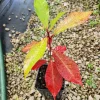
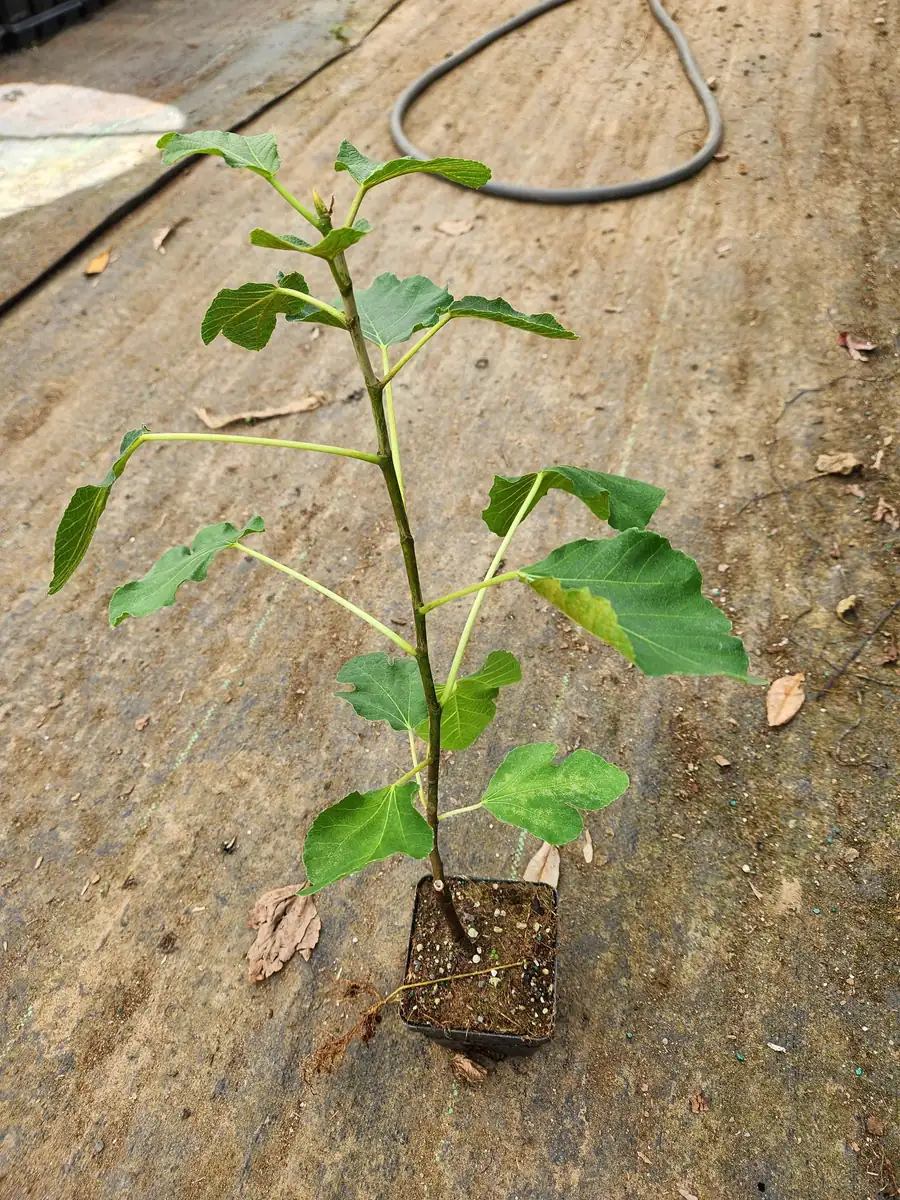
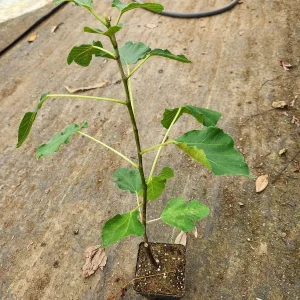
Our brown turkey fig live plant arrives rooted in a 4-inch container, standing approximately 4-6 inches tall, ready for transplanting. This robust starter plant is ideal for establishing an edible fig tree that will provide years of bountiful harvests. Whether you’re looking to create an edible landscape or add a unique fruit-bearing specimen, this versatile fig plant is an outstanding option. Its ease of care and delicious fruit make it a garden favorite.
Key Benefits
Growing a brown turkey fig live plant offers numerous advantages, from its delicious fruit to its adaptability and aesthetic appeal. Here are several key benefits you can expect from cultivating this remarkable plant:
- Delicious Edible Fruit: Enjoy a consistent harvest of sweet, flavorful, purple-brown figs directly from your own garden. These figs are perfect for fresh eating, jams, baking, or drying, providing a healthy and versatile food source.
- Cold-Hardy Variety: This fig plant is renowned for its resilience, thriving in cooler climates compared to many other fig varieties. It can survive winters in its recommended USDA zones, making it a reliable choice for many regions.
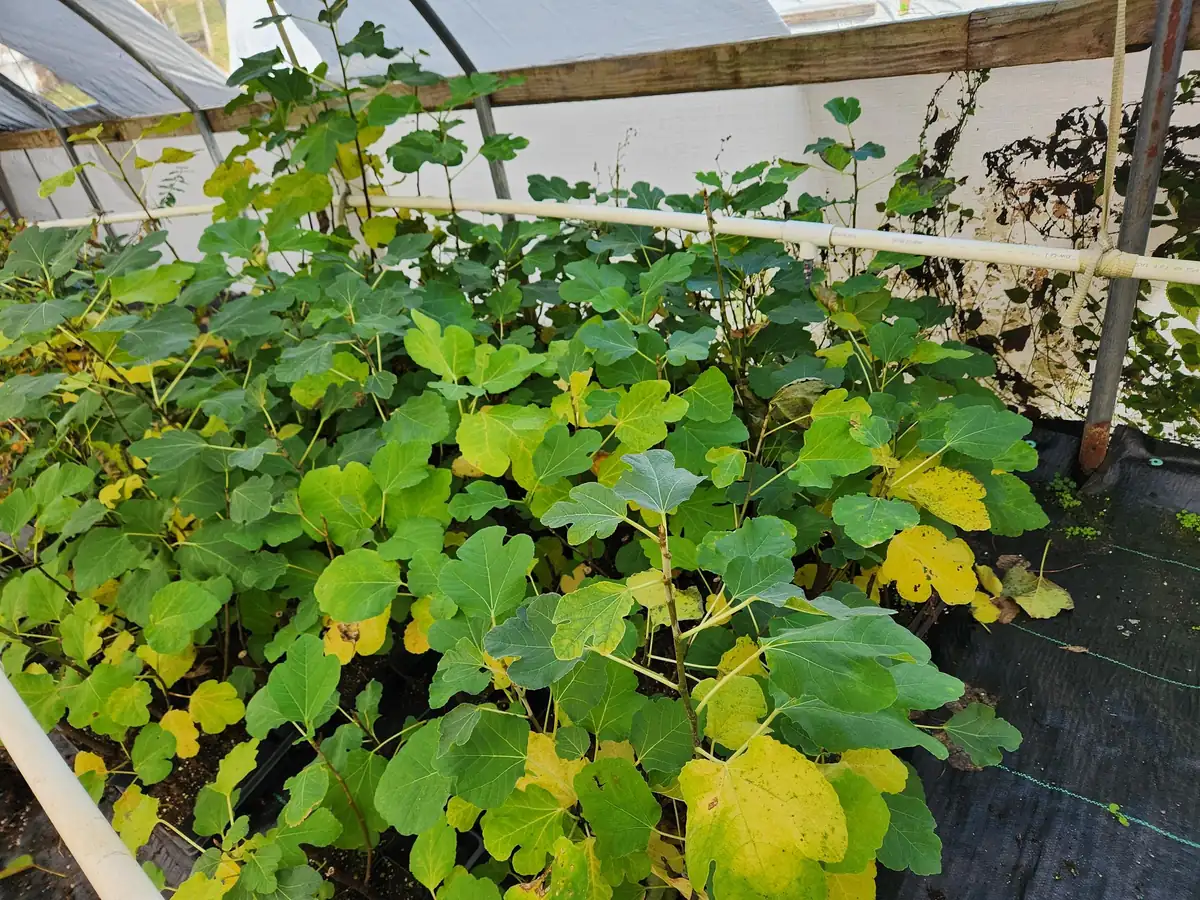
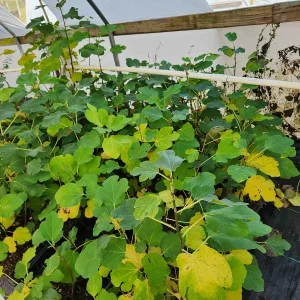
- Attractive Foliage: The plant boasts beautiful, distinctively shaped light-green leaves that add a lush, Mediterranean touch to your landscape, even when not in fruit. Its smooth gray bark provides additional visual interest.
- Versatile Growth Habit: The brown turkey fig live plant can be trained as a multi-stemmed shrub for a bushier appearance or pruned to grow as a small single-trunked tree, fitting various garden designs and spaces.
- Easy to Grow: Generally low-maintenance, this fig variety is quite forgiving, making it suitable for gardeners of all skill levels. With proper care, it establishes quickly and begins producing fruit within a few years.
- Long-Lived and Productive: Once established, a brown turkey fig live plant can produce fruit for many years, becoming a long-term asset to your edible garden. The yields tend to increase as the plant matures.
- Adaptable to Containers: While it can grow large in the ground, this fig can also be successfully grown in large containers, especially beneficial for those in colder climates who wish to move it indoors during winter.
Plant Care & Growing Tips
Caring for your brown turkey fig live plant is relatively straightforward, ensuring you’ll enjoy a healthy, productive tree for years. This cold-hardy fig thrives with adequate sunlight and proper soil conditions. It prefers a location that receives full sun, meaning at least 6-8 hours of direct sunlight per day. In hotter climates, some afternoon shade can be beneficial to prevent leaf scorch. When planting, ensure the soil is rich and well-drained. Fig trees do not like ‘wet feet,’ so good drainage is crucial to prevent root rot. Incorporating organic matter into the soil will improve its structure and fertility.
Watering should be consistent, especially during dry spells and when the plant is establishing. Aim to keep the soil consistently moist but not waterlogged. Once established, the edible fig tree shows some drought tolerance but will produce more and better fruit with regular watering. Fertilize in early spring with a balanced fertilizer, and again mid-season if needed, avoiding over-fertilization which can lead to excessive foliage growth at the expense of fruit. This variety is suited for USDA zones 6-9, where it can survive winters with minimal protection. In colder parts of its range, mulching around the base can offer extra insulation. Pruning is best done in late winter or early spring to remove dead or crossing branches and to shape the tree, promoting better air circulation and fruit production. Understanding brown turkey fig care is key to a bountiful harvest.
While generally robust, monitor for common pests like fig rust or spider mites, which can be managed with organic sprays or appropriate horticultural practices. Providing ample space for air circulation can help prevent fungal issues. This cold hardy fig can reach heights of 10-30 feet at full maturity, so plan its location accordingly. With these simple tips, your fig plant will thrive and provide delicious fruit.
Size & Details
This offering is for one brown turkey fig live plant, which arrives healthy and ready for planting. Each plant is rooted in a 4-inch container, providing a sturdy root ball to ensure successful transplanting. The young plant measures approximately 4-6 inches in height from the top of the soil, making it a manageable size for shipping and initial care. This variety is known for its moderate to fast growth rate under optimal conditions. At full maturity, an edible fig tree of this type can reach an impressive height of 10-30 feet, depending on pruning and growing conditions, and can spread equally wide.
It is typically shipped as a young, actively growing plant, ensuring it establishes quickly in your garden. The plant is ready to be planted directly into the ground or a larger container upon arrival. With proper brown turkey fig care, you can expect fruit production to begin within 1-3 years after planting, with yields increasing significantly as the plant matures. This resilient plant offers a long lifespan, providing delicious figs for many seasons to come.
Frequently Asked Questions
- Q: How big does this plant get? A: The brown turkey fig live plant can grow quite large, reaching heights of 10-30 feet and a similar spread when mature, especially if planted in the ground. Its size can be managed through regular pruning.
- Q: What size pot does it come in? A: This fig plant for sale is shipped rooted in a 4-inch container, and the plant itself stands approximately 4-6 inches tall. It will require transplanting into a larger pot or directly into your garden upon arrival.
- Q: Is this an indoor or outdoor plant? A: The brown turkey fig live plant is primarily an outdoor plant, thriving in full sun. However, it can be grown in large containers and moved indoors during winter in colder climates, making it versatile.
- Q: How much sunlight does it need? A: This fig tree requires full sun exposure, ideally 6-8 hours of direct sunlight per day, to produce the best fruit. Partial shade might be tolerated in very hot climates.
- Q: Is this plant easy to care for? A: Yes, the cold hardy fig is considered relatively easy to care for. It’s forgiving and resilient, making it a great choice for gardeners of all experience levels, provided its basic needs for sun and well-drained soil are met.
- Q: What condition will it arrive in? A: Your brown turkey fig live plant will arrive as a healthy, rooted young plant in a 4-inch nursery container, carefully packaged to ensure its safe journey.
- Q: Can I use brown turkey figs in cooking? A: Absolutely! The figs from this edible fig tree are delicious fresh, and also excellent for making jams, jellies, pies, or drying for later use. They are a versatile culinary fruit.
- Q: How long until it blooms and fruits? A: While figs don’t have traditional blooms, you can typically expect your brown turkey fig live plant to start producing fruit within 1 to 3 years after planting, with yields increasing as the plant matures.
- Q: When is the best time to plant? A: The best time to plant your fig tree is in the spring after the last frost, allowing it ample time to establish its root system before summer heat or winter cold.
- Q: Will it survive winter in my zone? A: The brown turkey fig live plant is a cold-hardy variety suitable for USDA zones 6-9. In zone 6, it may require some winter protection like mulching or covering, especially when young.


Reviews
There are no reviews yet.