Overview
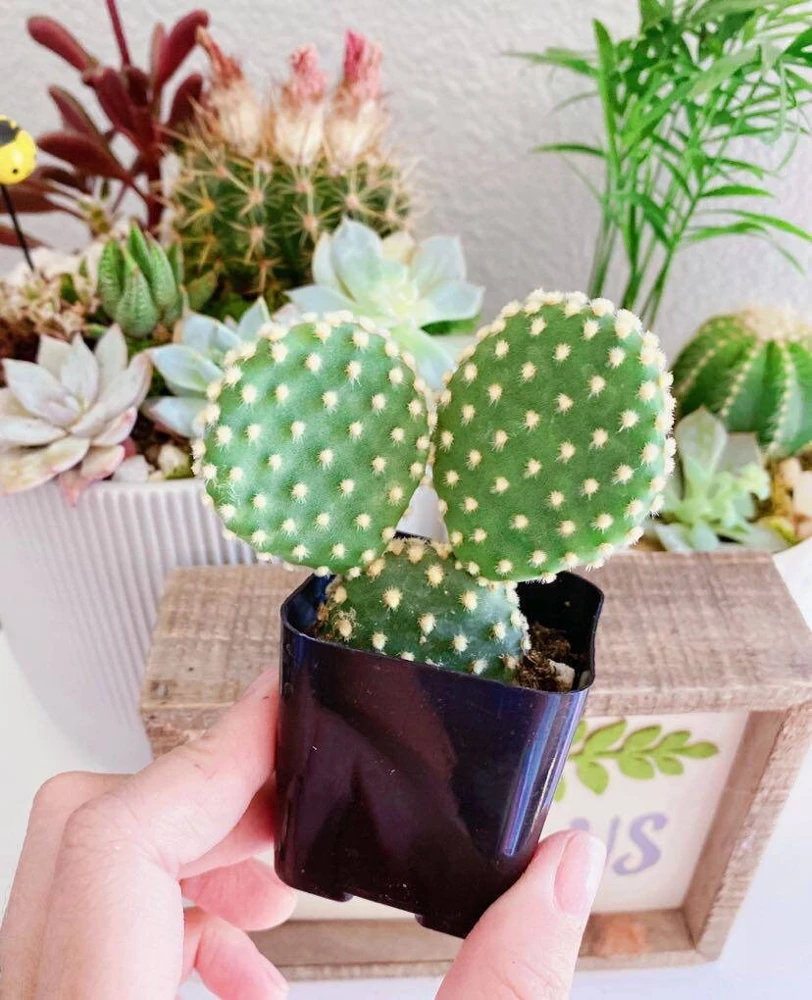
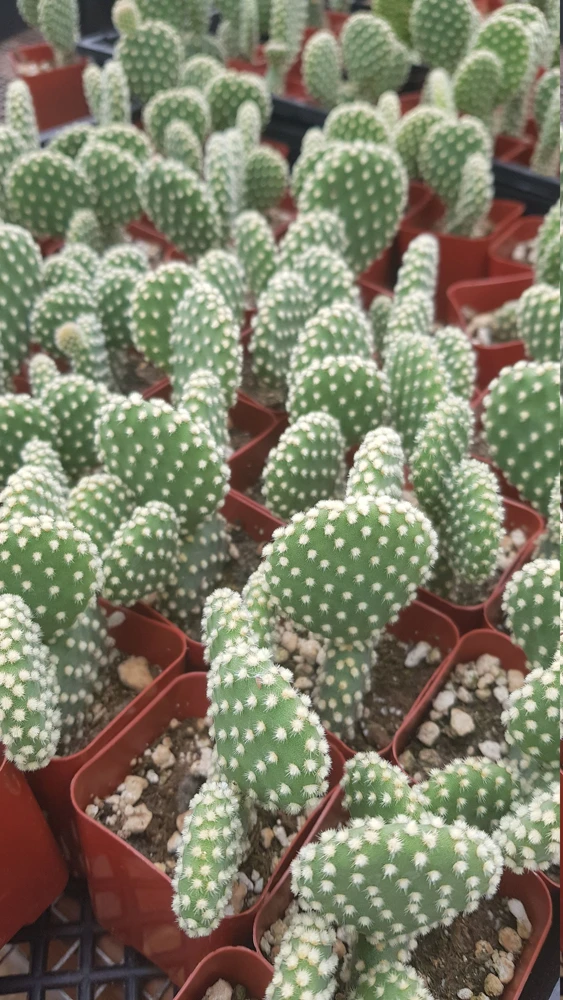
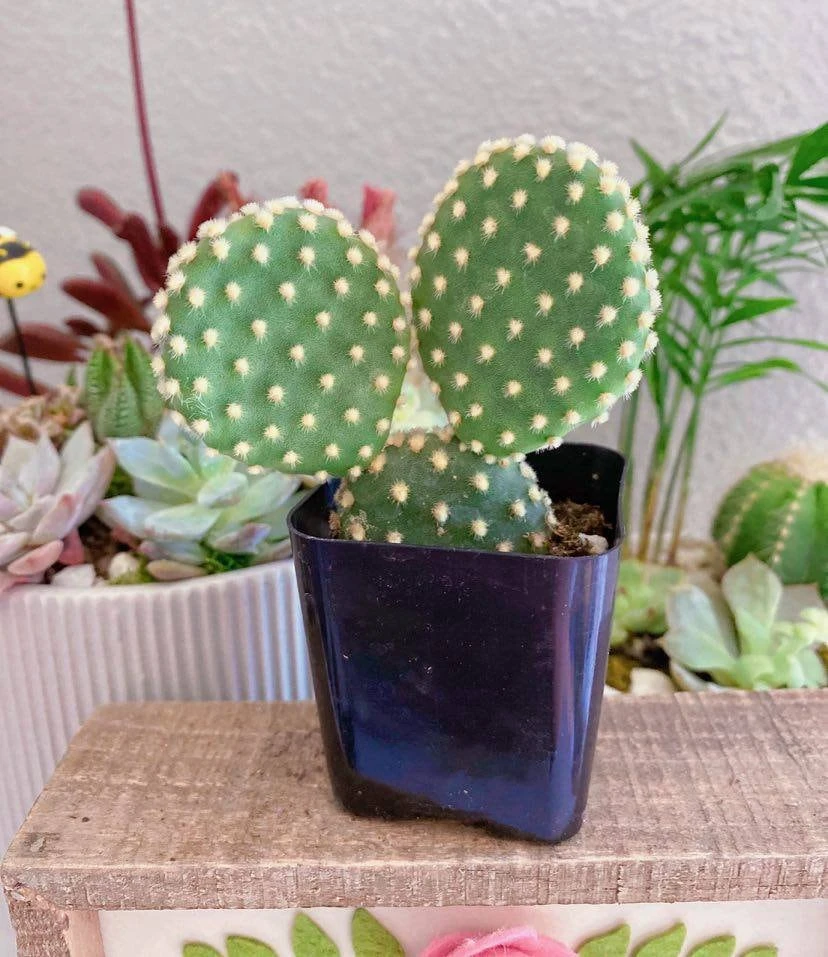
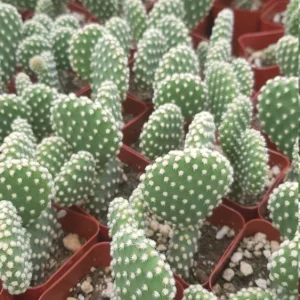
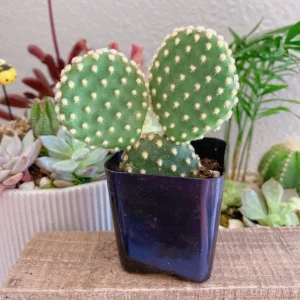
Introduce a touch of whimsy and desert charm to your home with the delightful bunny ears cactus live plant. Also known as Opuntia microdasys albispina or White Angel Prickly Pear, this distinctive succulent is beloved for its paddle-like segments that resemble rabbit ears. Growing in clumps, these pads are covered in dense clusters of tiny, white, hair-like glochids, giving the plant a soft, fuzzy appearance without the sharp spines of typical cacti. This particular offering is a charming 2-inch potted specimen, perfect for starting your succulent collection or adding to an existing one. The bunny ears cactus live plant is a fantastic choice for those seeking a unique, low-maintenance houseplant that thrives on neglect.
The Opuntia microdasys albispina is a naturally clumping cactus that can grow quite large over time in its native habitat, but it remains a manageable and attractive size for indoor cultivation when kept in a pot. Its unique form and minimal care requirements make it an excellent choice for various decorative applications, from terrariums to modern minimalist displays. Each plant is carefully selected to ensure you receive a healthy and vibrant specimen ready to bring joy and a touch of the desert landscape into your living space.
Key Benefits
The bunny ears cactus live plant offers a multitude of benefits, making it a popular choice among plant enthusiasts and beginners alike. Its unique aesthetic and easy-care nature stand out as primary advantages.
- Unique Aesthetic Appeal: The distinctive paddle shape resembling bunny ears, coupled with the soft white glochids, provides a charming and unusual visual element to any room. It’s a natural conversation starter and a focal point for plant arrangements.
- Low Maintenance: This succulent is incredibly forgiving and requires minimal attention, making it perfect for busy individuals or those new to plant care. Its drought-tolerant nature means less frequent watering.
- Drought Tolerant: As a desert native, the Opuntia microdasys albispina is adapted to arid conditions, storing water in its pads. This makes it highly resistant to underwatering and ideal for those who travel frequently.
- Versatile Decor: Its compact size and unique form make it suitable for various decorative uses, including terrariums, small pots on windowsills, office desks, or as a component in a succulent garden.
- Air Purification: Like many houseplants, the white angel prickly pear contributes to a healthier indoor environment by absorbing toxins and releasing oxygen, especially at night, which is characteristic of CAM plants.
- Beginner-Friendly: Its robust nature and simple care routine make it an ideal choice for anyone looking to start their plant journey without the stress of demanding species.
- Pet-Friendly (with caution): While not toxic, the glochids can be irritating. Placing it out of reach of curious pets is recommended, but it doesn’t pose the same severe threat as some toxic plants.
Plant Care & Growing Tips
Caring for your bunny ears cactus live plant is straightforward, focusing on replicating its natural arid environment. Proper care ensures a healthy, thriving plant that will continue to grow its characteristic ‘ears’. Sunlight is paramount for the Opuntia microdasys albispina. It thrives in bright, direct sunlight for at least 6 hours a day. Place it in a south-facing window indoors or in a well-lit area. If moving it outdoors, gradually acclimate it to full sun to prevent sunburn.
Watering is perhaps the most critical aspect of cactus care tips. These succulents are highly susceptible to root rot from overwatering. Water thoroughly only when the soil is completely dry. In winter, reduce watering significantly, perhaps once a month or less, as the plant enters a dormant period. The soil should be fast-draining, consisting of mostly peat moss and/or a succulent and cactus planting mix with ample Perlite or coarse sand. If kept indoors, plant in a well-draining terracotta pot, which helps wick away excess moisture.
The ideal temperature range for the white angel prickly pear is between 65-80°F (18-27°C) during the growing season. It can tolerate cooler temperatures down to 40°F (4°C) in winter but should be protected from frost. Fertilize sparingly; once per month during the growing season (spring and summer) with a diluted houseplant food specifically formulated for cacti and succulents is sufficient. Watch out for common pests like mealybugs or scale, especially in humid conditions. Good air circulation helps prevent issues. Good cactus care tips often emphasize less is more when it comes to watering and feeding.
Size & Details
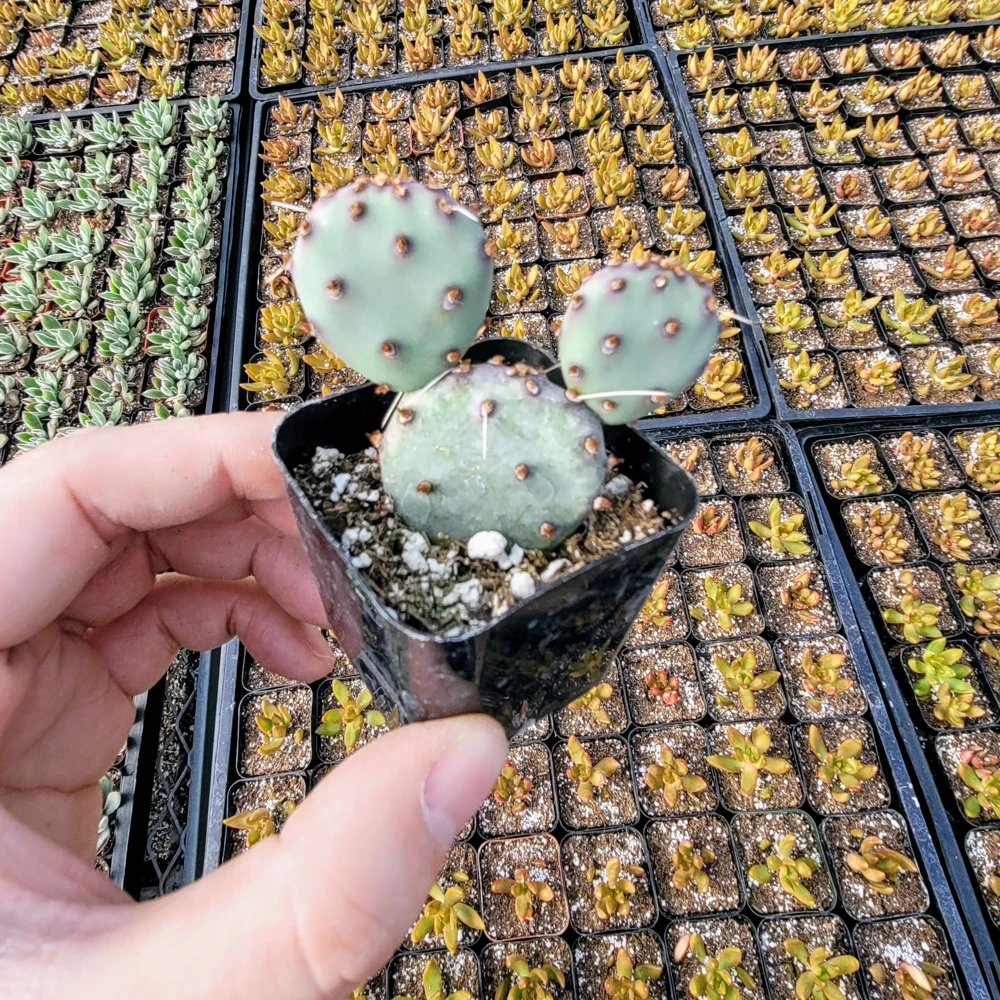
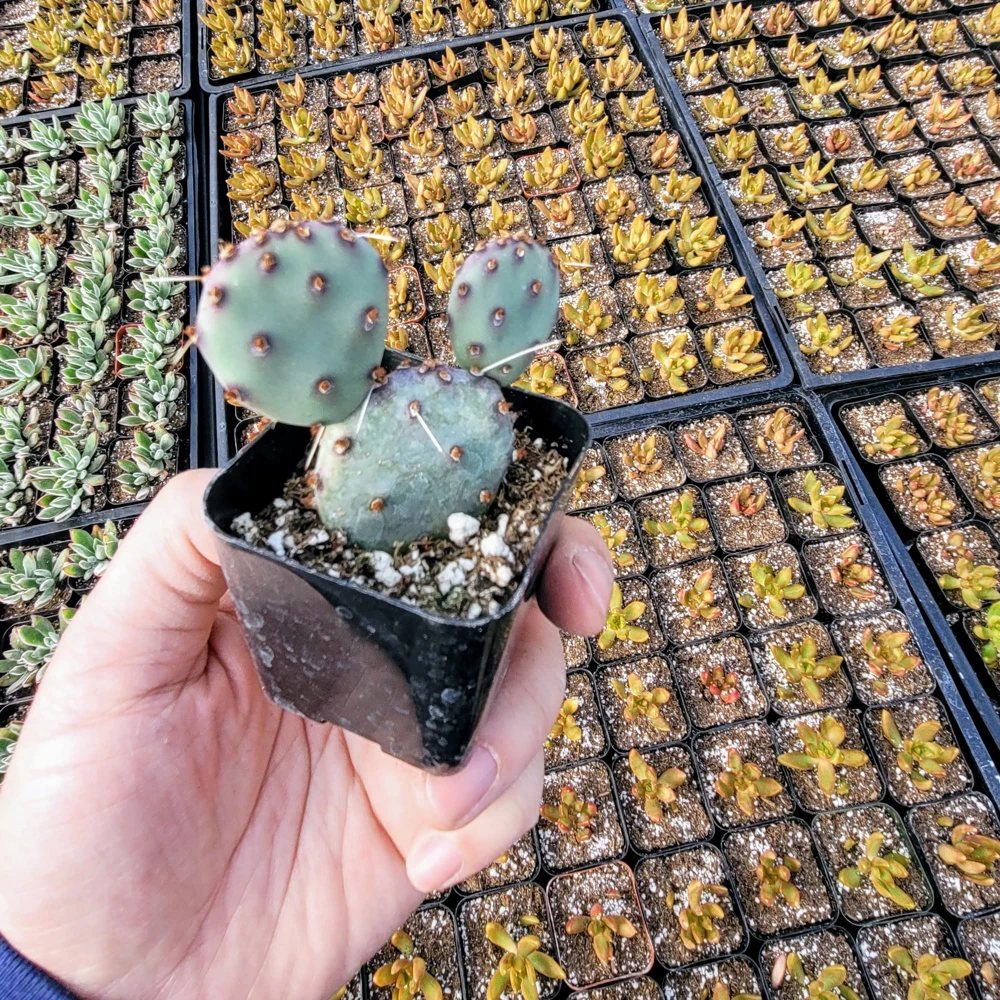
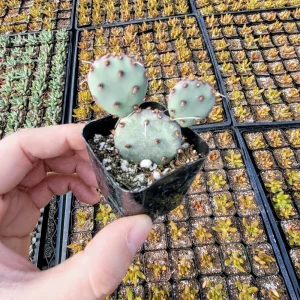
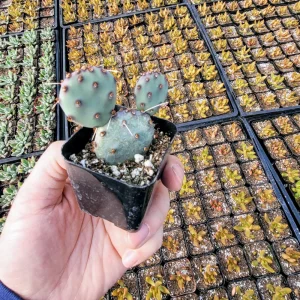
This offering is for one live 2-inch potted bunny ears cactus live plant, specifically the variety Opuntia microdasys albispina. The plant will arrive healthy and ready for its new home, typically featuring two or more paddle segments resembling the iconic ‘bunny ears’. While individual plants will vary slightly in exact shape and number of pads, each one is handpicked to ensure quality. The 2-inch pot refers to the diameter of the nursery pot the plant is currently growing in. This size is ideal for transplanting into a decorative pot or incorporating into a succulent arrangement.
The white angel prickly pear is known for its moderate growth rate. In optimal conditions, it can add several inches per year, with new pads emerging from existing ones. Over time, it can grow into a multi-branched specimen, though it typically remains compact when container-grown indoors. The plant is shipped in its nursery pot, nestled securely to minimize stress during transit. Expect slight variations in color and shape from images, as live plants are unique. It is a robust succulent that establishes quickly with proper care.
Frequently Asked Questions
- Q: What size pot does the bunny ears cactus come in? A: This bunny ears cactus live plant is supplied in a 2-inch diameter nursery pot, making it easy to transplant into your preferred decorative container or add to a succulent arrangement.
- Q: Is this an indoor or outdoor plant? A: The Opuntia microdasys albispina can thrive both indoors and outdoors. Indoors, it needs a bright, sunny window. Outdoors, it prefers full sun and is suitable for USDA zones 9-11, provided it’s protected from frost.
- Q: How much sunlight does the white angel prickly pear need? A: This cactus requires abundant sunlight. Aim for at least 6 hours of bright, direct sun daily. Insufficient light can lead to etiolation (stretching) and weaker growth.
- Q: Is this plant easy to care for? Is it good for beginners? A: Yes, the bunny ears cactus live plant is considered very easy to care for and is an excellent choice for beginners. Its drought tolerance and minimal needs make it forgiving. Following basic cactus care tips will ensure its success.
- Q: How often should I water my cactus? A: Water only when the soil is completely dry to the touch. This could be every 2-4 weeks during the growing season and much less frequently (once a month or two) in winter. Always ensure excellent drainage.
- Q: What condition will my plant arrive in? A: Your white angel prickly pear will arrive as a healthy, live plant in its 2-inch nursery pot. It will be carefully packaged to minimize any stress during shipping, though minor imperfections are normal for live plants.
- Q: Can I use this cactus in a terrarium? A: Yes, its compact size and slow growth make it suitable for open terrariums or succulent arrangements, provided there is adequate drainage and air circulation to prevent humidity buildup.
- Q: How big does the bunny ears cactus get? A: While it can grow quite large in its natural habitat, when kept in a pot, the Opuntia microdasys albispina typically remains a manageable size, often reaching 1-2 feet tall and wide over several years, depending on pot size and care.
- Q: What kind of soil is best for this succulent houseplant? A: Use a well-draining soil mix specifically formulated for cacti and succulents, often containing peat moss, perlite, or coarse sand to ensure quick drainage and prevent root rot.
- Q: Are the ‘bunny ears’ soft to touch? A: While they appear soft and fuzzy due to the dense glochids, these are tiny, barbed spines that can easily detach and irritate the skin. It’s best to handle the bunny ears cactus live plant with caution or wear gloves.


Reviews
There are no reviews yet.