Overview
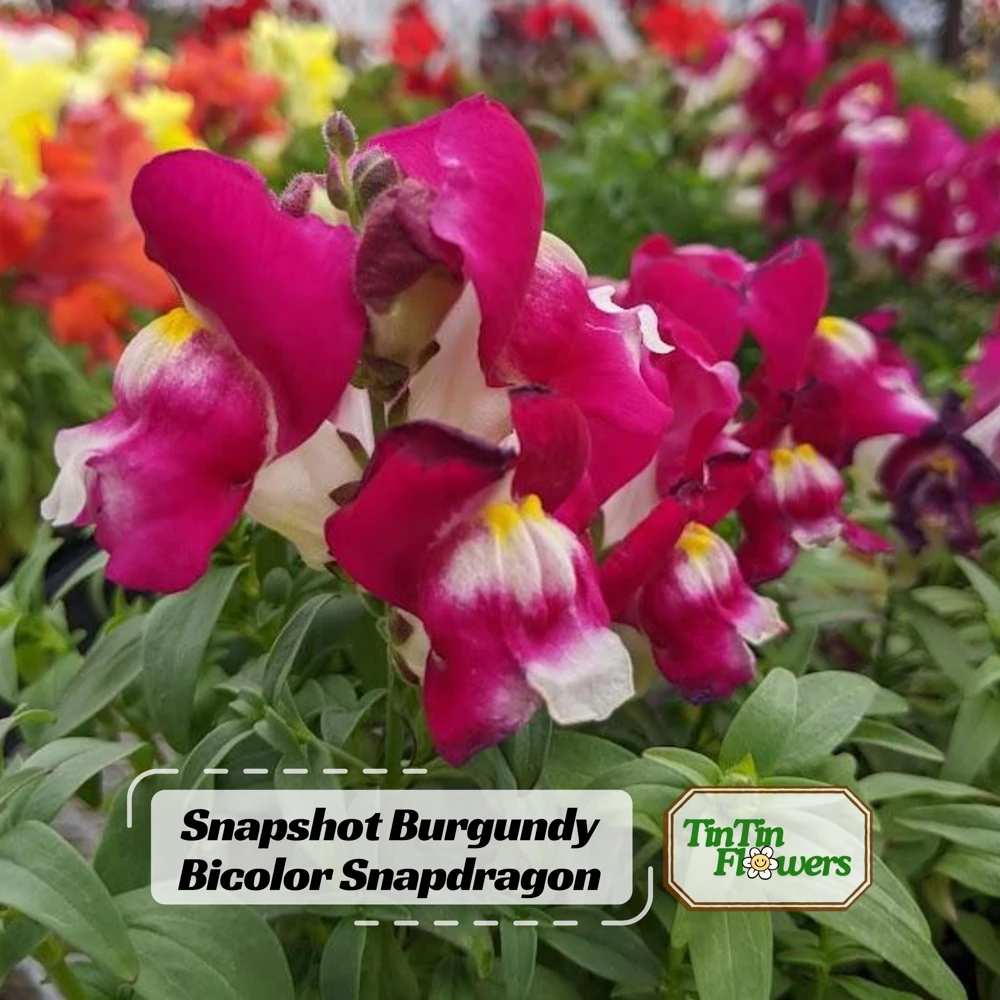
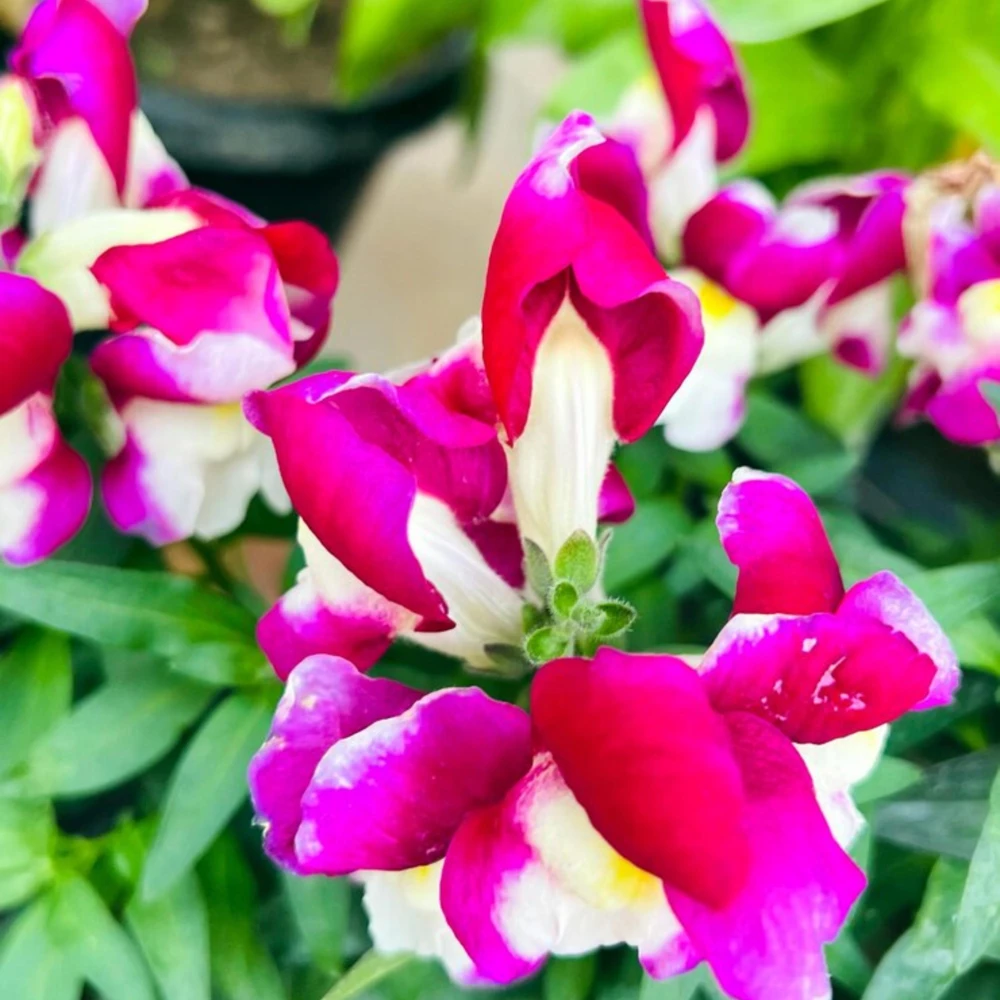
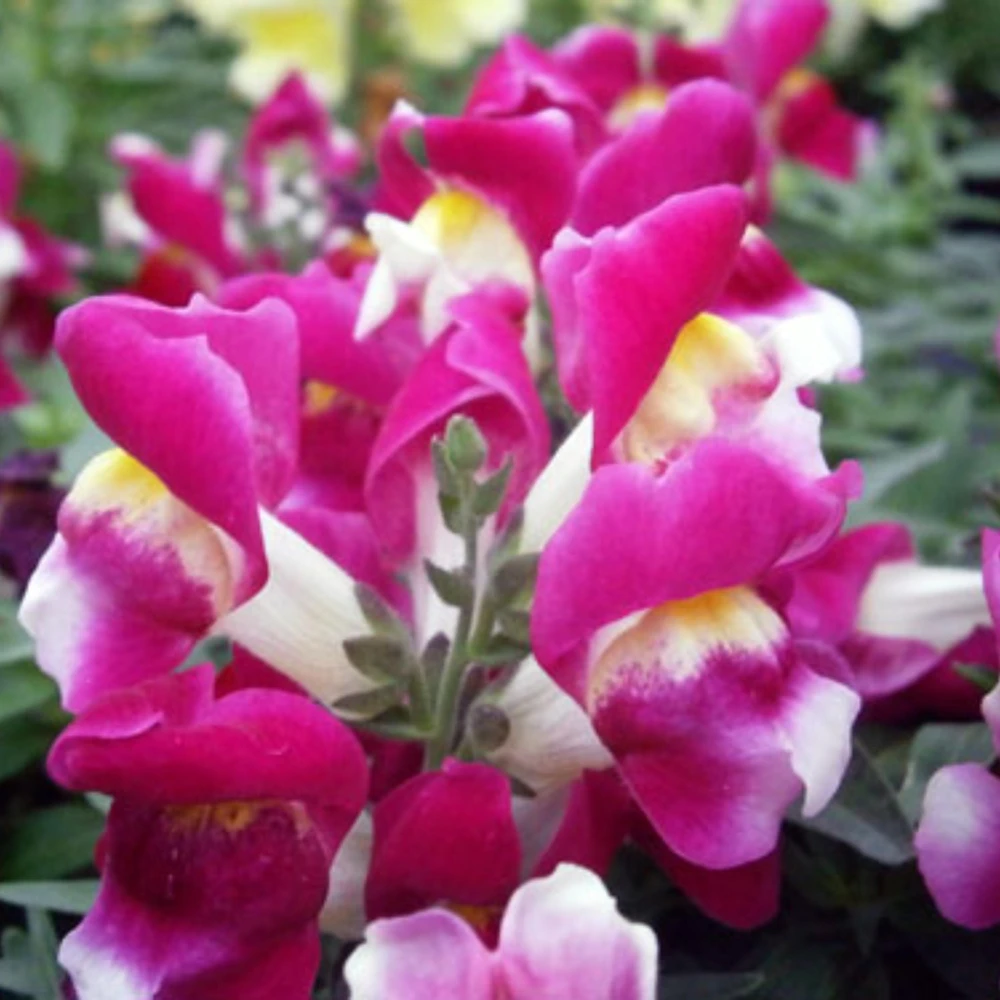
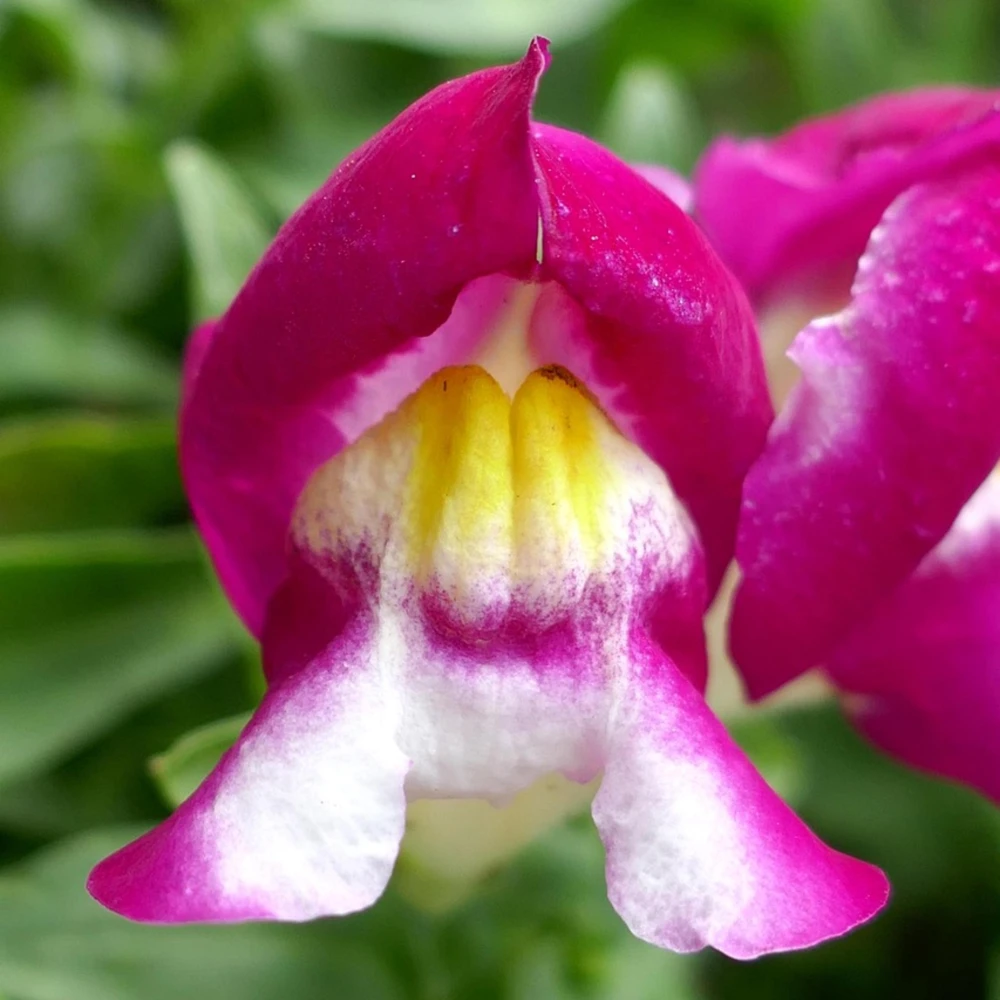
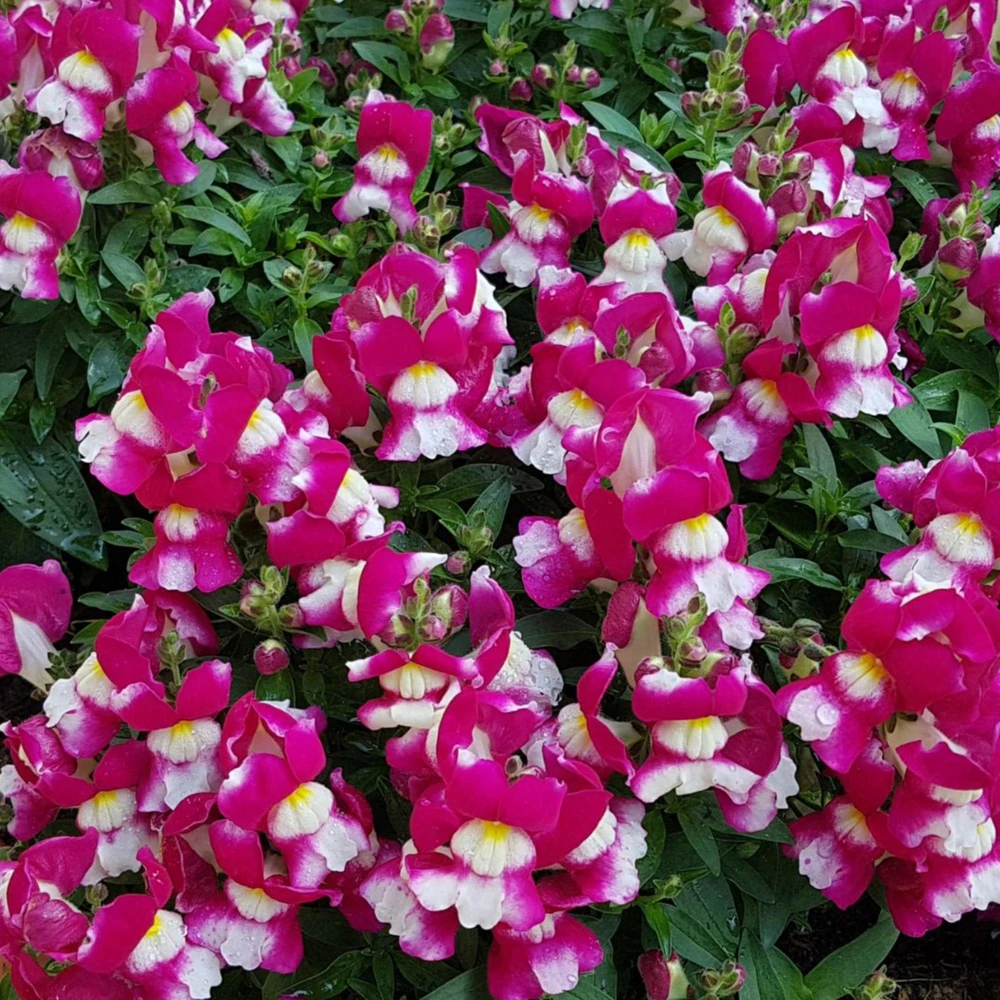
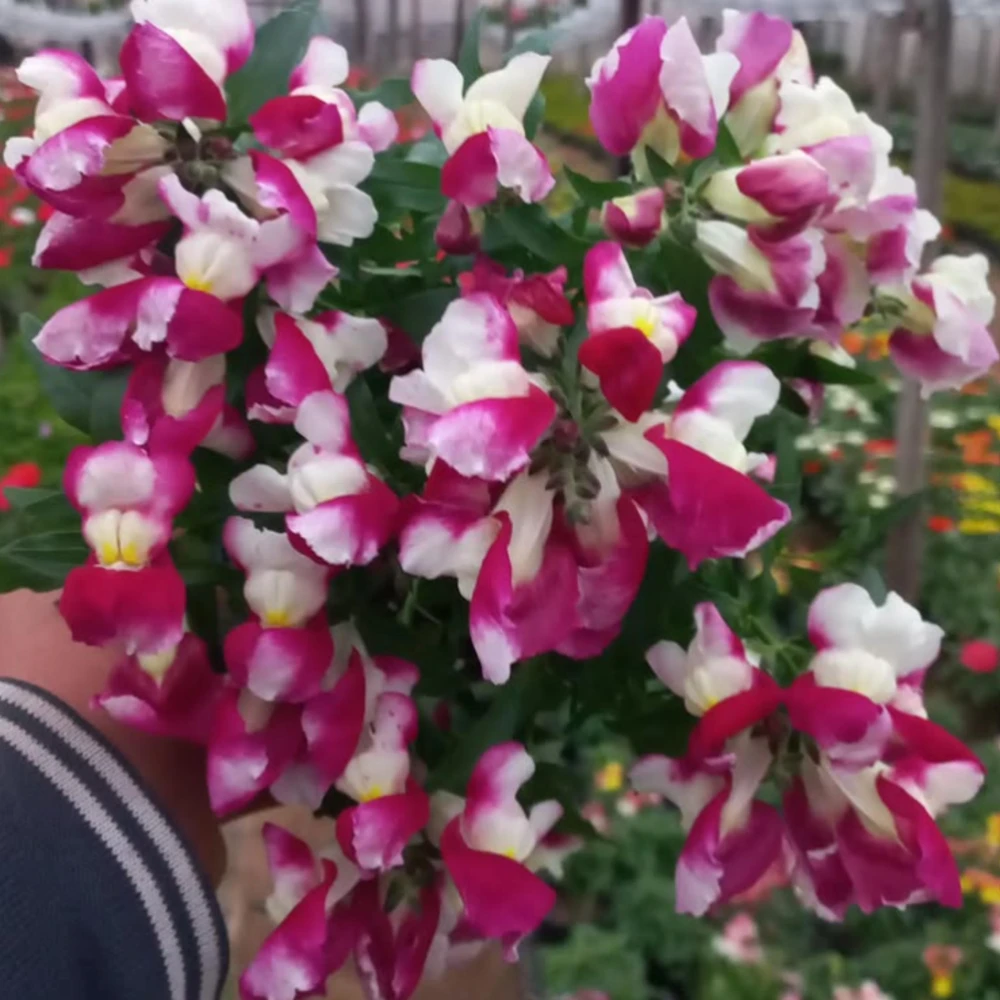
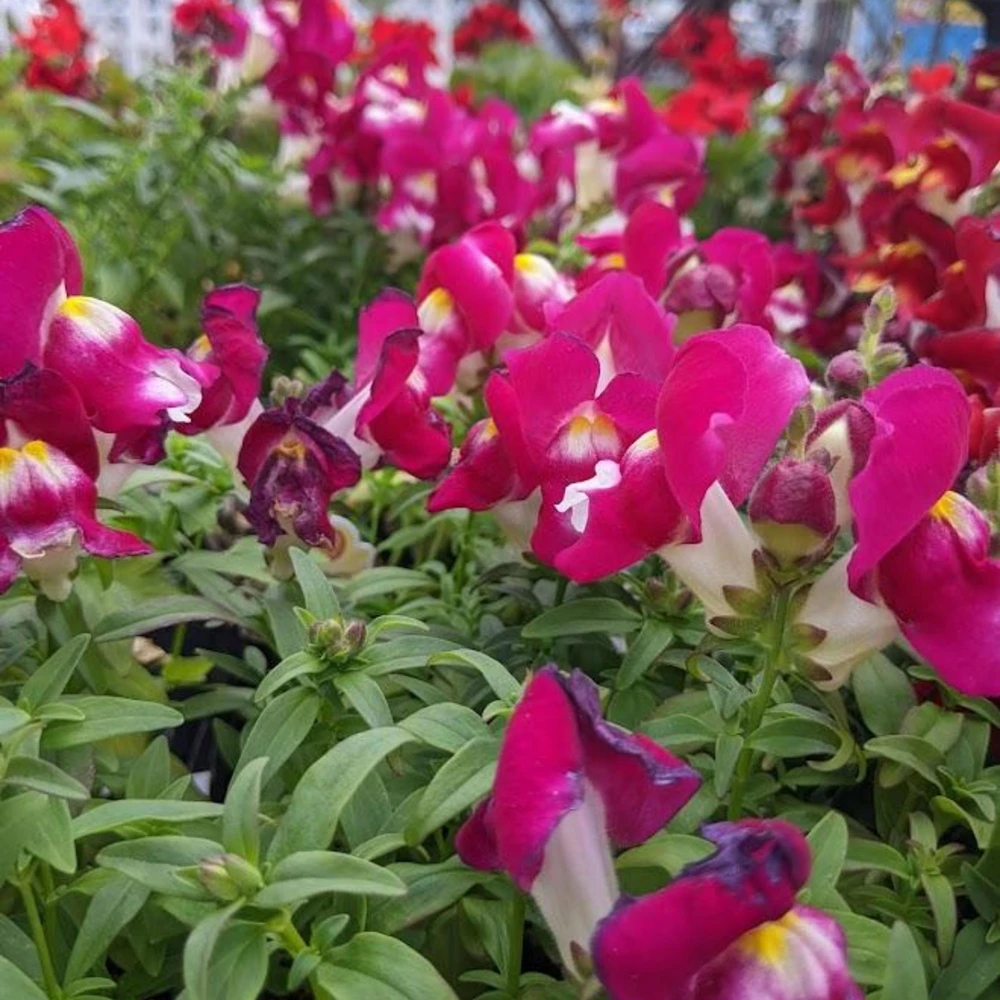
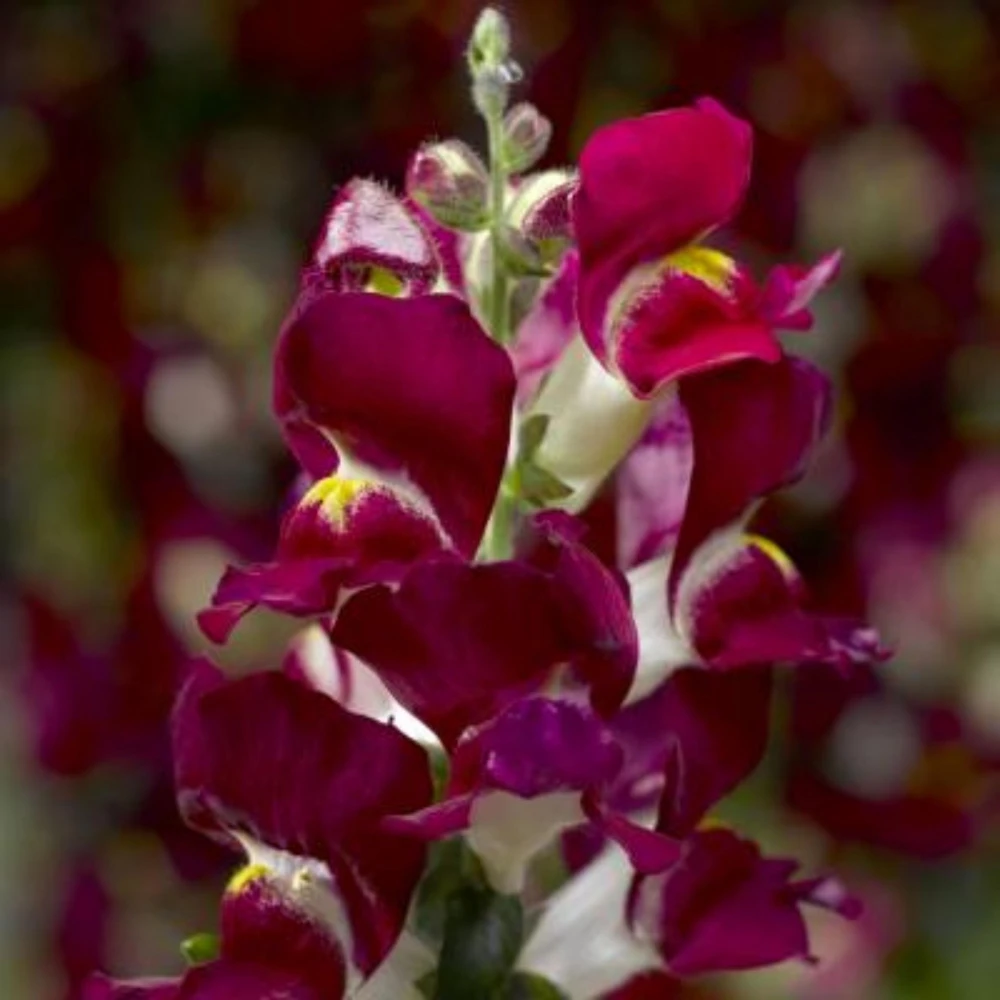
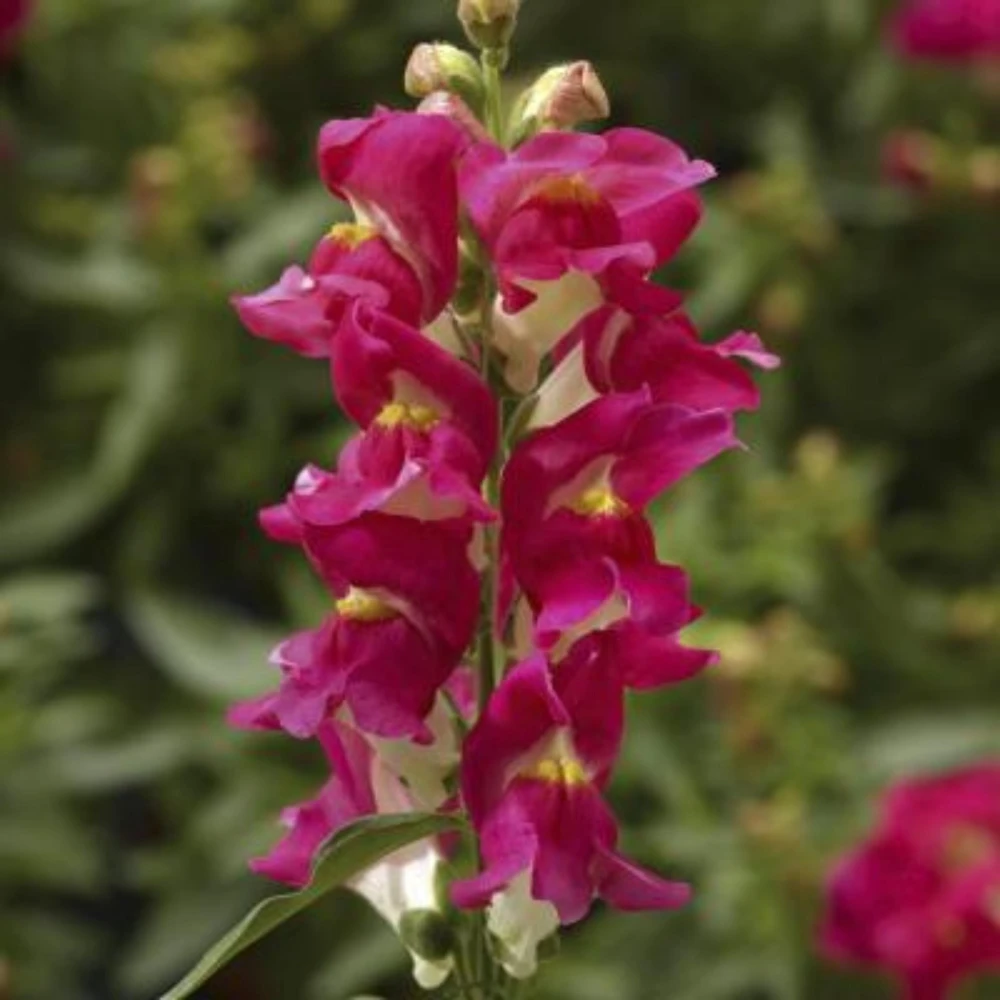
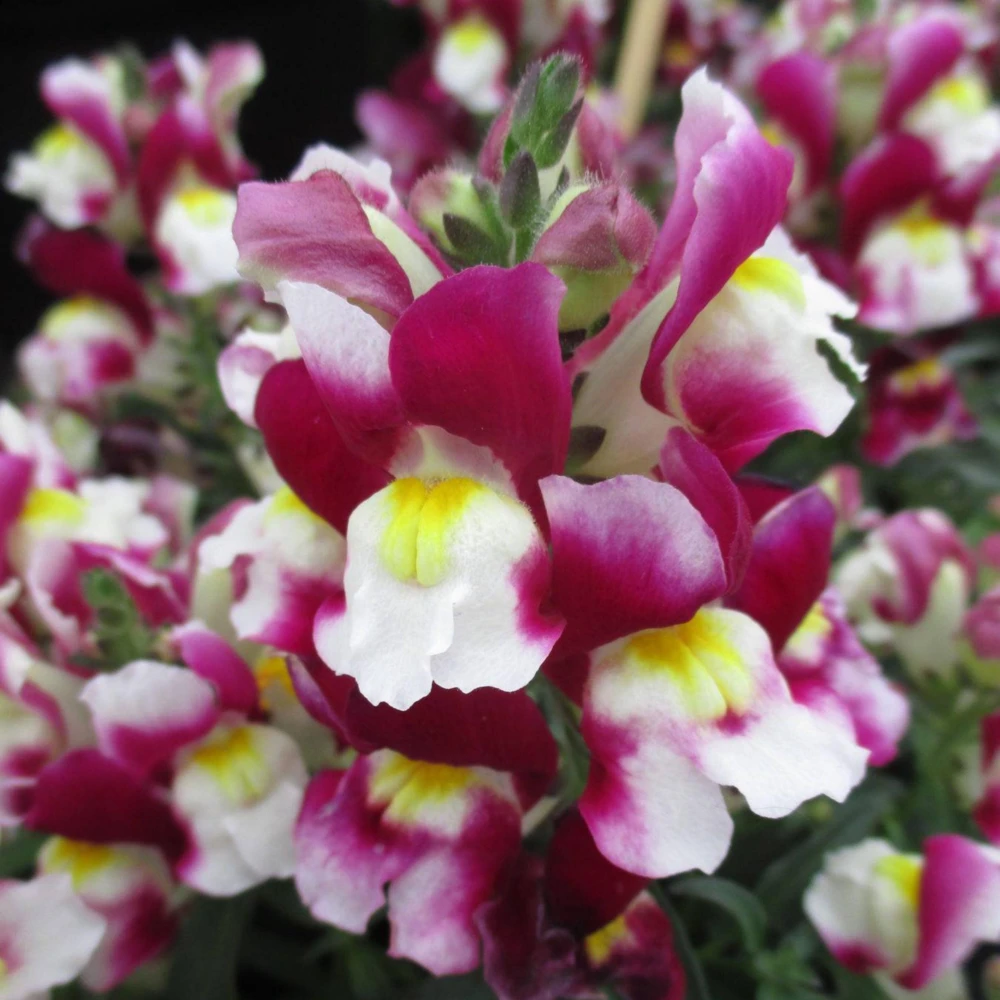
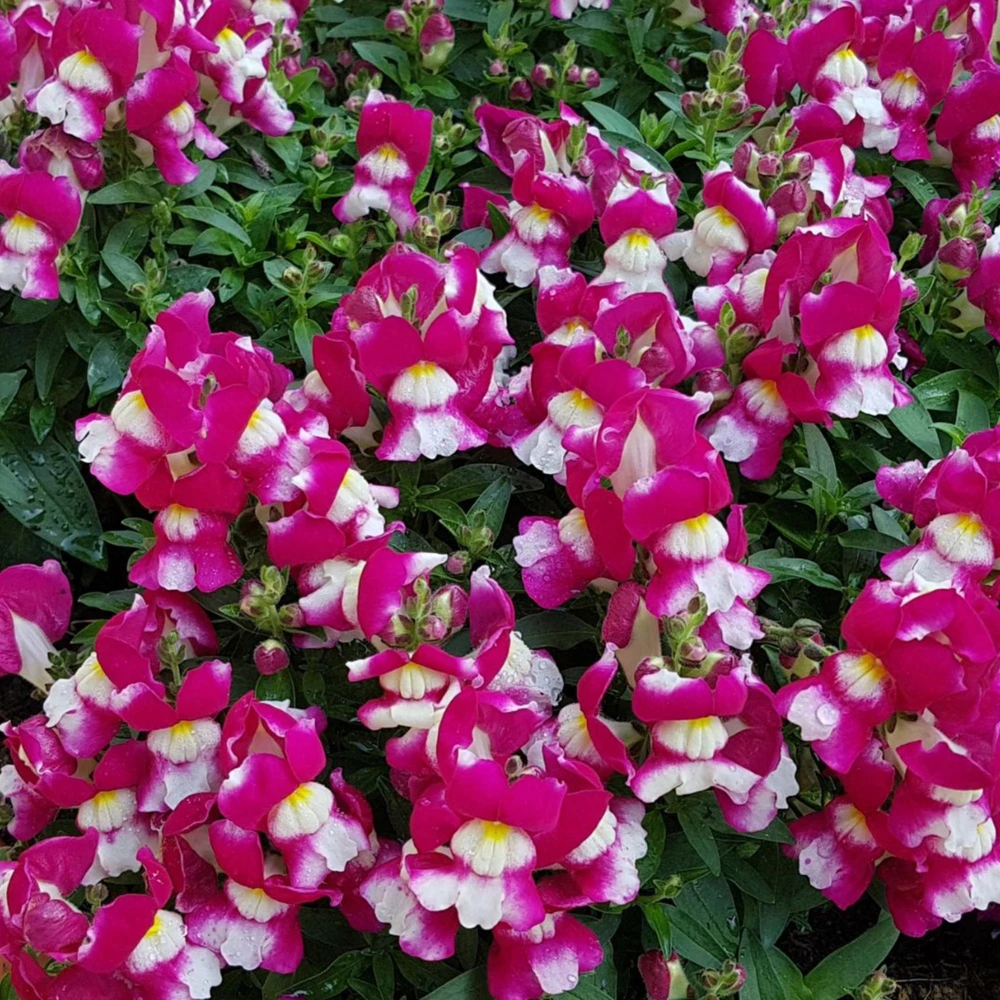
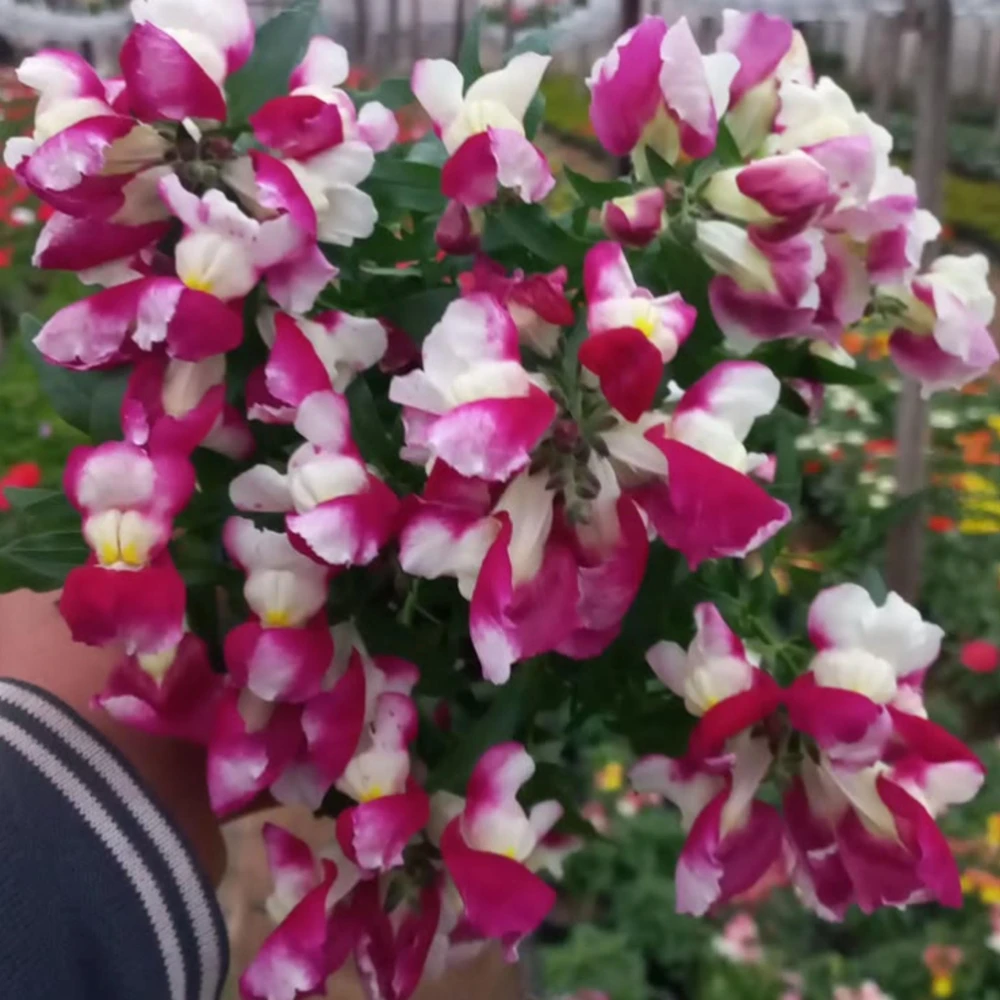
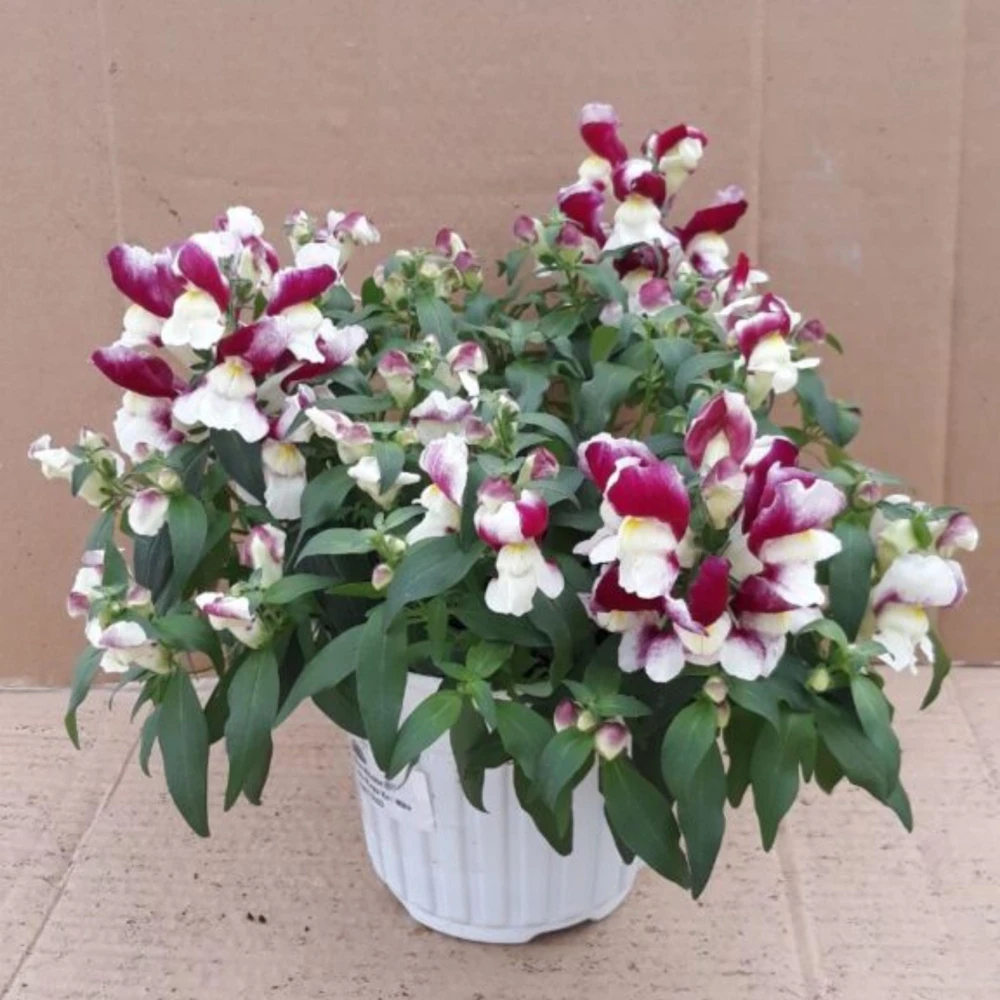
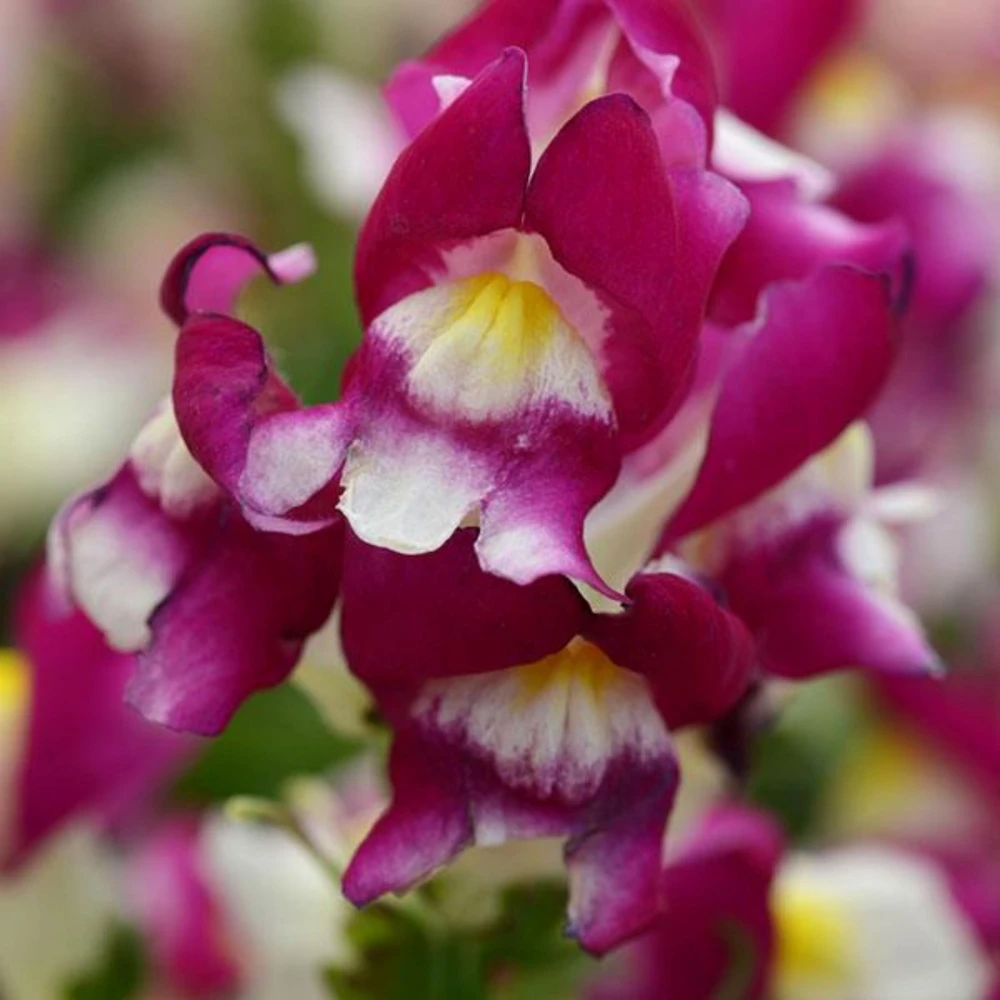
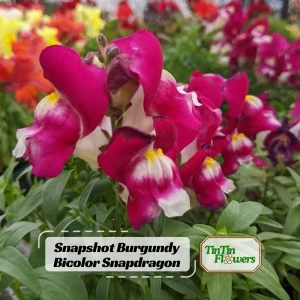
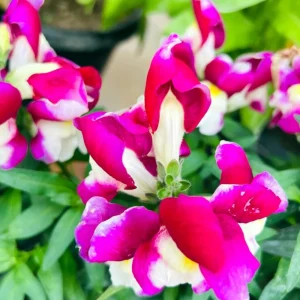
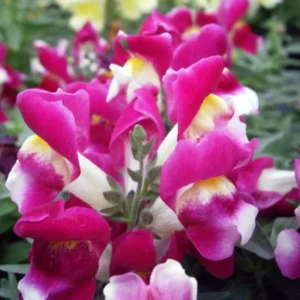
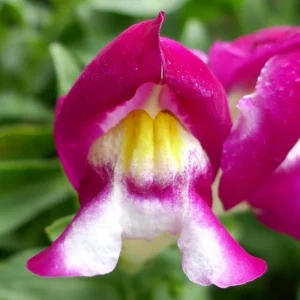
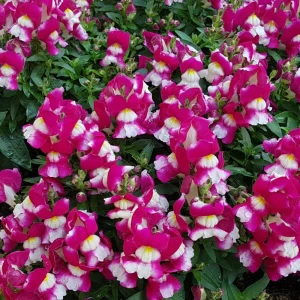
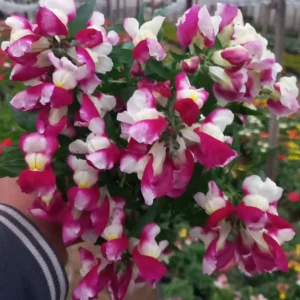
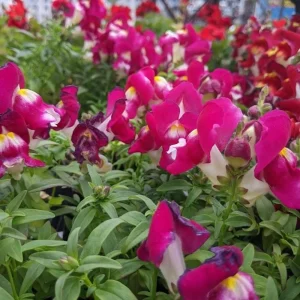
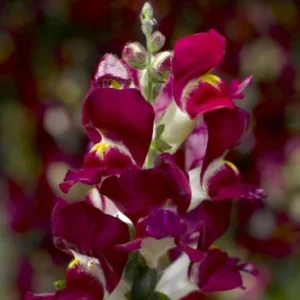
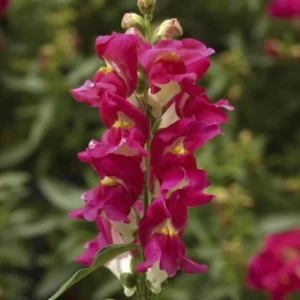
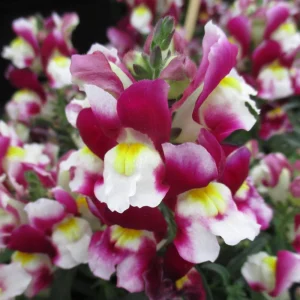
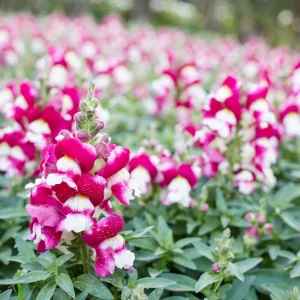
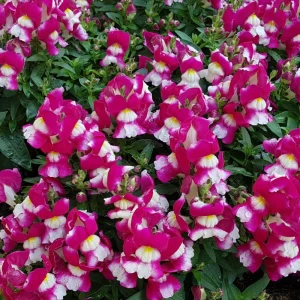
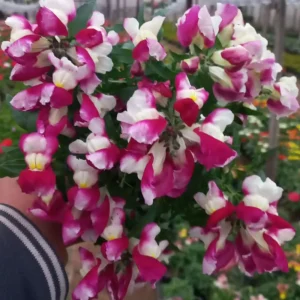
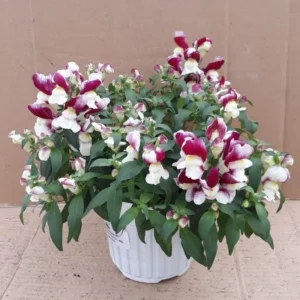
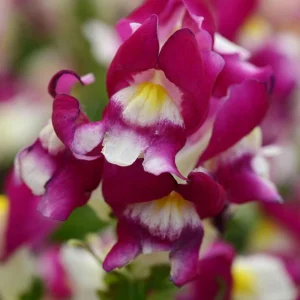
Transform your garden into a vibrant haven with our premium snapdragon seeds. Specifically, these are ‘Burgundy Bicolor’ snapdragon seeds, known for their captivating two-tone petals that feature rich burgundy hues. Snapdragon, scientifically known as Antirrhinum majus, is a beloved annual flower cherished for its tall, stately spires of brightly colored, dragon-shaped blooms. This particular variety is open-pollinating, ensuring that you can save seeds for future plantings and maintain the integrity of this beautiful flower for generations to come. Ideal for garden beds, borders, and cutting gardens, these snapdragon seeds promise a spectacular display throughout the growing season.
Our snapdragon seeds are also noted for their cold resistance, making them a robust choice for various climates. They are a fantastic addition for gardeners looking to attract beneficial insects, as these flowers are highly attractive to pollinators like bees, butterflies, and hummingbirds. Whether you’re a seasoned gardener or just starting, these easy-to-grow seeds will provide a rewarding experience and an abundance of beautiful flowers.
Key Benefits
Our snapdragon seeds offer numerous advantages for any gardening enthusiast, enhancing both the beauty and biodiversity of your outdoor space. These benefits make them a must-have for a thriving, colorful garden:
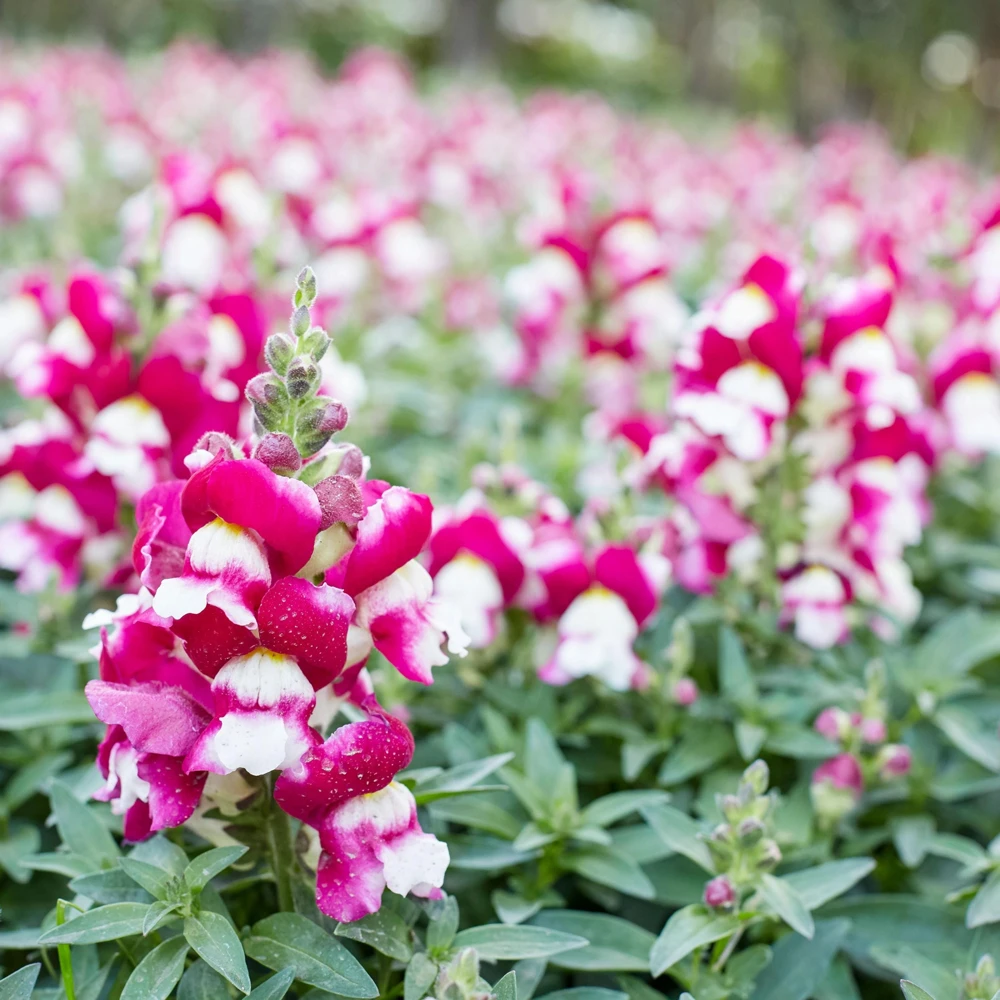
- Vibrant Floral Display: Produce stunning, two-toned burgundy and bicolor flowers that add dramatic visual interest and elegance to any garden bed, border, or container. The unique shape of the blooms creates a dynamic and appealing texture.
- Attracts Pollinators: Serve as an excellent nectar source, actively drawing in essential pollinators such as bees, butterflies, and hummingbirds. This supports local ecosystems and helps to pollinate other plants in your garden, contributing to a healthier environment.
- Cold Hardy Performance: Exhibit impressive cold resistance, allowing for earlier planting in spring or later blooming into fall in cooler climates. This extends the period of enjoyment and ensures a more resilient garden.
- Open-Pollinating Variety: As an open-pollinating type, these snapdragon seeds allow you to collect and save seeds from your own plants for future plantings. This ensures genetic diversity and enables sustainable gardening practices year after year.
- Versatile Garden Use: Perfect for a wide range of garden applications, from mass plantings and focal points in flowerbeds to charming additions in cottage gardens. They also make excellent cut flowers, bringing the beauty of your garden indoors.
- Easy to Grow: With straightforward planting and care instructions, these seeds are suitable for gardeners of all experience levels. They germinate reliably and establish quickly, providing a rewarding growing experience.
- Continuous Blooms: With proper care, including deadheading spent flowers, these snapdragons will produce a continuous flush of blooms from late spring through summer, offering extended periods of color and charm.
Plant Care & Growing Tips
Growing beautiful burgundy snapdragon flowers from seed is a rewarding process, and with a few key care tips, you can ensure a vibrant and healthy display. Start your snapdragon seeds indoors 8–10 weeks before the last expected frost. Use seed trays or small pots with good drainage and a light, well-draining seed-starting mix. Lightly press the tiny seeds into the surface of the soil; they require light to germinate, so do not cover them. Keep the soil evenly moist by misting or gently watering, and place them under grow lights or in a bright window for 14–16 hours a day. Maintain a consistent temperature of 60–70°F (15–21°C) for optimal germination, which typically occurs within 10–21 days.
Once the danger of frost has passed and seedlings have developed 4–6 true leaves, it’s time to transplant. Gradually expose your young plants to outdoor conditions over 5–7 days in a process called hardening off. For outdoor planting, space your snapdragons 6–12 inches apart, depending on the variety’s mature size. Choose a location that receives full sun to partial shade, ideally with at least 6 hours of direct sunlight for the best blooms. The soil should be well-drained and slightly acidic to neutral, with a pH between 6.0 and 7.0. Adding a layer of mulch around the plants will help retain soil moisture, suppress weeds, and regulate soil temperature.
Ongoing care for your cold hardy snapdragon involves consistent watering; keep the soil consistently moist but never soggy. Avoid overwatering, which can lead to root rot. Feed your plants with a balanced, water-soluble fertilizer every 3–4 weeks throughout the growing season to support continuous flowering. Regular deadheading, which involves removing spent blooms, is crucial for encouraging new flower production and maintaining a tidy appearance. Taller varieties of snapdragons may benefit from staking to prevent bending or breaking, especially in windy conditions. By following these guidelines, you’ll enjoy a prolonged display of these charming pollinator friendly seeds.
Size & Details
This product includes 1 full pack containing approximately 30 snapdragon seeds, specifically the ‘Burgundy Bicolor’ variety. These open-pollinating seeds are ready for you to sow and cultivate. Once mature, these snapdragons typically grow to a height of 18 to 36 inches, depending on the growing conditions and specific cultivar within the ‘Burgundy Bicolor’ type, with a spread of 6 to 12 inches. They are shipped as dry seeds, ensuring easy storage until you are ready to plant. Expected bloom time is from late spring through summer, potentially extending into fall in cooler climates, providing a long season of color and enjoyment. The germination time for these snapdragon seeds is approximately 10-21 days when started indoors under optimal conditions.
Frequently Asked Questions
- Q: How big do these snapdragon plants get? A: Once mature, these snapdragon seeds will grow into plants typically ranging from 18 to 36 inches tall, with a spread of 6 to 12 inches. The exact size can vary slightly based on growing conditions and care.
- Q: Is this an indoor or outdoor plant? A: While you start the snapdragon seeds indoors, the mature plants are primarily grown outdoors in garden beds, borders, or containers. They thrive in outdoor conditions with sufficient sunlight.
- Q: How much sunlight do these snapdragons need? A: For the best blooming performance, these snapdragons prefer full sun, meaning at least 6 hours of direct sunlight per day. They can tolerate partial shade, but flowering may be less prolific.
- Q: Is this plant easy to care for? Is it good for beginners? A: Yes, these snapdragon seeds are relatively easy to grow and are a good choice for beginners. They have straightforward planting and care requirements, making them a rewarding plant for new gardeners.
- Q: What condition will the seeds arrive in? A: The product consists of a pack of dry snapdragon seeds. They are packaged to ensure their viability and are ready for you to sow upon arrival.
- Q: How long until these snapdragons bloom? A: After starting indoors, you can typically expect your snapdragon plants to begin blooming in late spring, continuing through the summer. The first blooms usually appear a few months after germination.
- Q: When is the best time to plant these snapdragon seeds? A: The best time to start these snapdragon seeds indoors is 8–10 weeks before your last expected frost date. Transplant outdoors after all danger of frost has passed in your area.
- Q: Will these snapdragons attract pollinators? A: Absolutely! These snapdragon seeds produce flowers that are highly attractive to a variety of pollinators, including bees, butterflies, and hummingbirds, making them excellent for supporting local wildlife.
- Q: Are these snapdragons cold hardy? A: Yes, this variety of snapdragon is noted for its cold resistance, allowing it to withstand cooler temperatures better than some other varieties and potentially extend its blooming season.
- Q: What type of soil is best for growing snapdragons? A: Snapdragons thrive in well-drained soil that is slightly acidic to neutral, with a pH between 6.0 and 7.0. A good quality seed-starting mix is recommended for germination.


Reviews
There are no reviews yet.