Overview
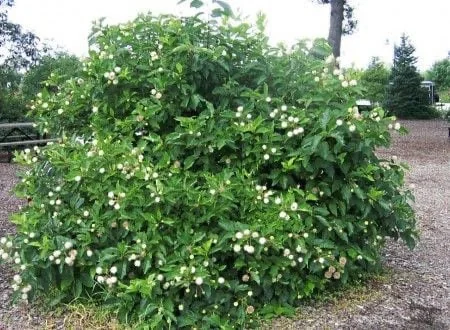
Introduce a touch of native American beauty to your landscape with the button bush live plant. Also known by its botanical name, Cephalanthus occidentalis, this remarkable shrub is a true garden gem. Thriving across eastern and southern North America, the button bush live plant is celebrated for its distinctive, spherical white flowers that bloom from summer into fall, resembling tiny pincushions or buttons. These charming blossoms are not only visually appealing but also emit a sweet fragrance, earning it common names like button-willow and honey-bells plant. This deciduous shrub is an exceptional choice for gardeners looking to support local ecosystems, as it acts as a powerful magnet for pollinators, including bees, butterflies, and hummingbirds. Whether you’re creating a rain garden, a naturalized area, or simply enhancing your existing landscape, the button bush live plant offers both aesthetic appeal and ecological benefits in a convenient 1 gallon pot.
Key Benefits
The button bush live plant offers a multitude of advantages for any garden space. Its unique characteristics and ecological contributions make it a highly desirable choice:
-
Exceptional Pollinator Attraction: The fragrant, globe-like flowers of the button bush live plant are a major draw for a wide array of pollinators. Bees, butterflies (including swallowtails), and hummingbirds are consistently attracted to its nectar-rich blooms, significantly boosting biodiversity in your garden, making it an excellent native pollinator plant.
-
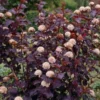
Unique Ornamental Appeal: With its distinctive white, spherical flower clusters, this shrub provides unique visual interest that stands out from typical garden flora. These ‘button’ flowers are followed by attractive reddish-brown seed heads that persist into winter, offering seasonal beauty.
-
Native and Adaptable: As a native North American species, Cephalanthus occidentalis is well-adapted to various soil types and conditions, including wet areas. This makes it an excellent choice for rain gardens, pond edges, or areas with poor drainage, where other plants might struggle.
-
Low Maintenance: Once established, the buttonbush shrub is remarkably resilient and requires minimal care. It is relatively pest and disease-free and can tolerate a range of environmental conditions, making it perfect for busy gardeners.
-
Supports Wildlife: Beyond pollinators, its dense foliage provides shelter for birds, and the seeds offer a food source for waterfowl and other wildlife, contributing to a healthy garden ecosystem.
-
Drought Tolerant: While it thrives in moist conditions, this shrub is surprisingly drought-tolerant once established, making it suitable for areas with occasional dry spells.
-
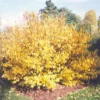
Attractive Fall Foliage: In addition to its summer blooms, the foliage of the button bush live plant can turn an attractive yellow in the fall, adding another layer of seasonal interest to your landscape.
Plant Care & Growing Tips
Caring for your button bush live plant is straightforward, making it an excellent choice for gardeners of all experience levels. This hardy shrub, also known as Cephalanthus occidentalis, thrives with proper placement and minimal ongoing attention. For optimal growth and prolific flowering, plant your button bush in a location that receives full sun to partial shade. Full sun (at least 6 hours of direct sunlight per day) will encourage the most abundant blooms, while partial shade (2-4 hours of direct sun) is tolerated, especially in hotter climates.
The buttonbush shrub is highly adaptable to various soil conditions but prefers consistently moist to wet soil. It naturally occurs in wetlands and along water margins, so it’s an ideal plant for rain gardens, boggy areas, or near ponds and streams. However, it can also tolerate average garden soil, provided it doesn’t dry out completely. Ensure good drainage if planting in heavier clay soils to prevent waterlogging. Watering should be regular, especially during dry spells and in its first year after planting, to help establish a strong root system. Once established, it becomes quite drought-tolerant, though consistent moisture will lead to better performance.
This deciduous shrub is hardy in USDA Zones 5-9. Fertilization is generally not necessary for a healthy button bush live plant, especially if planted in fertile soil. If your soil is poor, you can apply a balanced, slow-release granular fertilizer in early spring. Pruning can be done in late winter or early spring to maintain shape, remove dead or damaged branches, or to encourage a bushier growth habit. The honey-bells plant blooms on new wood, so pruning won’t sacrifice the current season’s flowers. Watch out for common pests like aphids, though they rarely cause significant damage. Ensuring good air circulation and appropriate watering will help prevent most fungal issues.
Size & Details
Your button bush live plant will arrive as a healthy, actively growing specimen in a 1 gallon pot. At maturity, this versatile shrub typically reaches a height of 5 to 12 feet with a similar spread, though it can be maintained at a smaller size through pruning. Its growth rate is moderate, allowing it to establish quickly in your garden. The plant’s structure is often rounded and multi-stemmed, providing a lush, full appearance. These plants are shipped carefully to ensure they arrive ready to thrive in your landscape. Expect to see the characteristic spherical white flowers appear in early to mid-summer, continuing into the fall, followed by attractive seed heads that add winter interest. This native pollinator plant is a long-lived addition to any garden, providing years of beauty and ecological benefit.
Frequently Asked Questions
-
Q: How big does this button bush live plant get? A: A mature button bush live plant typically grows to a height of 5 to 12 feet and can have a similar spread, creating a rounded, full shrub. Its size can be managed with annual pruning.
-
Q: What size pot does the button bush live plant come in? A: Each purchase includes one button bush live plant in a convenient 1 gallon pot, ready for planting in your garden.
-
Q: Is this an indoor or outdoor plant? A: The button bush live plant (Cephalanthus occidentalis) is an outdoor shrub, best suited for gardens, landscapes, and naturalized areas. It is cold-hardy in USDA Zones 5-9.
-
Q: How much sunlight does the buttonbush shrub need? A: This shrub thrives in full sun (6+ hours of direct sunlight) to partial shade (2-4 hours of direct sunlight). More sun generally leads to more abundant flowering.
-
Q: Is this plant easy to care for? A: Yes, the button bush live plant is considered low-maintenance. Once established, it is quite hardy and tolerant of various conditions, making it suitable for beginners.
-
Q: What condition will my honey-bells plant arrive in? A: Your plant will arrive in a 1 gallon pot, carefully packaged to ensure it is healthy and ready for planting upon arrival. We ensure the plant is well-rooted and actively growing.
-
Q: How long until the button bush live plant blooms? A: Depending on when it is planted and its maturity, your button bush live plant may bloom in its first year, typically from early to mid-summer, continuing into the fall.
-
Q: Can the native pollinator plant tolerate wet soil? A: Absolutely! The buttonbush shrub naturally grows in moist to wet conditions and is an excellent choice for rain gardens, pond edges, or areas with consistently damp soil.
-
Q: Will it survive winter in my zone? A: The button bush live plant is hardy in USDA Zones 5-9, meaning it can withstand winter temperatures in these regions and return reliably each spring.
-
Q: Is the Cephalanthus occidentalis attractive to wildlife? A: Yes, it is a fantastic wildlife plant! Its flowers attract bees, butterflies, and hummingbirds, while its seeds are a food source for birds, particularly waterfowl.


Reviews
There are no reviews yet.