

Overview
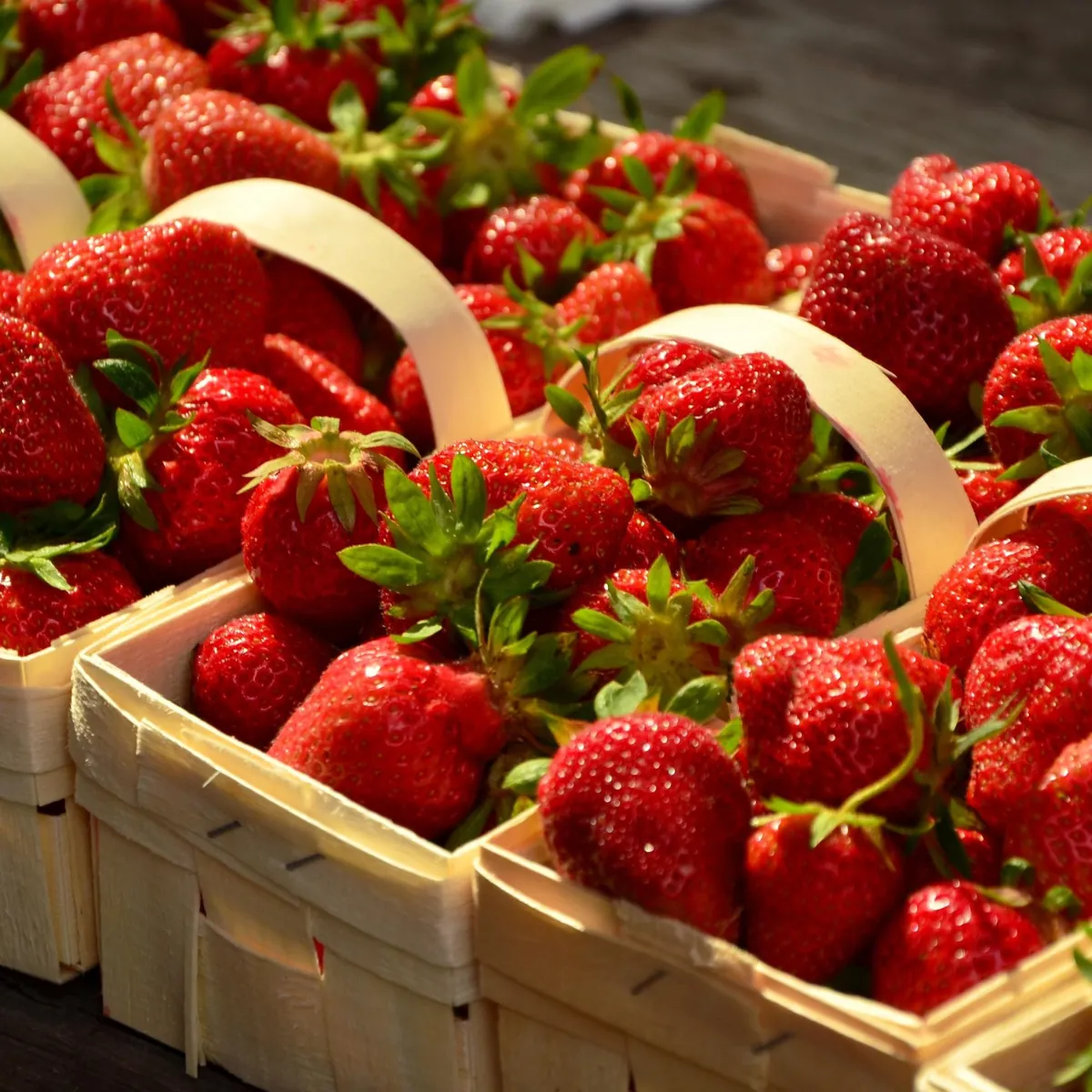
Bring the joy of homegrown sweetness to your garden with Cabot Strawberry Plants. This exceptional June-bearing variety is celebrated for producing some of the largest and most delicious strawberries you can cultivate. Known for their impressive jumbo size, intensely sweet flavor, and satisfyingly firm, juicy texture, Cabot strawberries are a versatile fruit, perfect for fresh eating straight from the vine, enhancing your favorite baked goods, freezing for later enjoyment, or crafting traditional preserves. Originating from Nova Scotia, this cold-hardy strawberry variety is specifically developed to perform exceptionally well in cooler climates, ensuring a reliable and abundant harvest season after season. As a bare root plant, it arrives dormant and ready for planting, offering an excellent foundation for a thriving strawberry patch.
The Cabot Strawberry Plants are a mid-season June-bearing type, meaning they deliver one substantial crop from late spring through early summer. This makes them a popular choice for gardeners who prioritize large, flavorful berries and a dependable yield. Beyond their culinary appeal, these plants boast strong disease resistance, particularly against red stele root rot, contributing to their robust performance and longevity in the garden. Expect these strawberries to typically exceed two inches in diameter, providing impressive size without compromising on their delicious taste. Whether you’re a seasoned gardener or just starting, these plants offer a rewarding experience.
Key Benefits
Cabot Strawberry Plants offer numerous advantages for home gardeners, combining ease of growth with an excellent return on effort. Their robust nature and prolific fruiting make them a standout choice for anyone looking to grow their own berries. The unique characteristics of this variety ensure both a satisfying gardening experience and a delicious harvest.
- Exceptional Berry Size and Flavor: Enjoy impressively large strawberries, often exceeding two inches in diameter, paired with a remarkably sweet and juicy flavor profile, making them a favorite for all uses.
- Reliable June-Bearing Harvest: This variety produces a single, heavy crop from late spring to early summer, providing a concentrated period of abundant fresh fruit for eating, preserving, or sharing.
- Superior Cold Hardiness: Developed for cooler regions, these cold-hardy strawberry plants thrive in USDA Zones 3–8, offering dependable performance and survival through colder winters.
- Strong Disease Resistance: With inherent resistance to common issues like red stele root rot, these plants are more resilient and require less intervention, leading to healthier growth and higher yields.
- Versatile Culinary Use: The firm texture and sweet taste make these strawberries ideal for fresh consumption, baking, freezing, and creating delicious jams and jellies.
- Adaptable to Various Settings: Cabot Strawberry Plants grow well in traditional garden beds, raised rows, and even containers, offering flexibility for different garden designs and spaces.
- High Yielding Potential: Known for their prolific production, these plants promise a generous bounty of fruit, ensuring you have plenty of strawberries to enjoy throughout the harvest season.
Plant Care & Growing Tips
Caring for your Cabot Strawberry Plants is straightforward, and with a few key practices, you can ensure a successful and abundant harvest. These bare root plants are designed to establish quickly and provide years of delicious fruit. Proper site selection and consistent care are crucial for maximizing their potential, especially for a June-bearing strawberry variety.
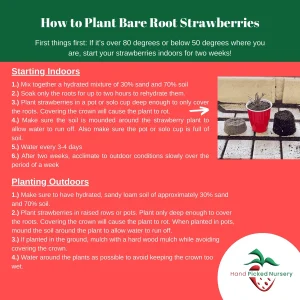
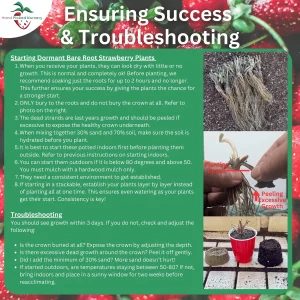
For best establishment and fruit production, choose a location that receives full sun, meaning at least 6-8 hours of direct sunlight per day. The soil should be well-drained and rich in organic matter. Before planting your bare root strawberry plants, amend heavy clay soils with compost or peat moss to improve drainage, or sandy soils to enhance water retention. Plant the bare roots so that the crown (where the leaves emerge) is at soil level, with the roots spread out beneath. Ensure consistent moisture, especially during flowering and fruiting periods. Avoid waterlogging, as this can lead to root rot, but never let the soil completely dry out. Mulching around the plants with straw or pine needles helps retain soil moisture, suppress weeds, and keep berries clean.
These plants thrive in USDA Zones 3–8. In the first year, it’s recommended to remove any blossoms that appear. This redirects the plant’s energy into developing a strong root system, leading to significantly larger yields in subsequent seasons. Fertilize with a balanced fertilizer in early spring and again after the harvest. Monitor for common pests and diseases, though this variety boasts strong disease resistance. Proper spacing of plants (about 12-18 inches apart) allows for good air circulation, which is vital for preventing fungal issues. Expect your full crop in the second growing year, with continued annual production. Regular runners should be managed to prevent overcrowding and maintain plant vigor, which is an important aspect of strawberry plant care.
Size & Details
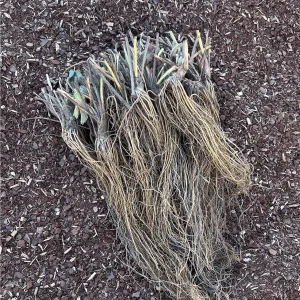
These Cabot Strawberry Plants are supplied as dormant bare root plants, which is the optimal form for shipping and successful establishment. Upon arrival, the plants are ready for immediate planting and will quickly begin to grow once conditions are favorable. Bare root plants typically establish more robust root systems than potted plants, leading to stronger, more productive plants in the long run. The mature plants will form a spreading habit, producing runners that can be used to propagate new plants or removed to maintain the vigor of the mother plant. This bare root strawberry type is known for its mid-season maturity.
Once established, the plants will produce large berries, often exceeding two inches in diameter. While their overall height is relatively low, typically staying under 10 inches, their spread can be considerable if runners are allowed to develop freely. With proper strawberry plant care, you can expect a full harvest of these delicious fruits in the second growing season after planting, with consistent yields annually thereafter. The productivity and visual appeal of these plants make them a fantastic addition to any garden, whether for personal enjoyment or market sales.
Frequently Asked Questions
- Q: How big do these Cabot Strawberry Plants get? A: The plants themselves typically reach a height of 6-10 inches. However, they are spreading plants that produce runners, which can extend their footprint significantly if allowed to grow.
- Q: What condition will the plants arrive in? A: Your Cabot Strawberry Plants will arrive as dormant bare root plants, which is the ideal state for planting. They will not have leaves or soil but are healthy and ready to be planted upon arrival.
- Q: Is this an indoor or outdoor plant? A: These are outdoor plants, specifically suited for garden beds, raised rows, or outdoor containers. They require full sun exposure to produce fruit.
- Q: How much sunlight do June-bearing strawberry plants need? A: For optimal growth and fruit production, these plants require at least 6-8 hours of direct sunlight per day. Full sun is crucial for developing sweet berries.
- Q: Is this plant easy to care for? Is it good for beginners? A: Yes, Cabot Strawberry Plants are considered relatively easy to care for and are an excellent choice for beginner gardeners. Their strong disease resistance and cold hardiness contribute to their forgiving nature.
- Q: When is the best time to plant these bare root strawberry plants? A: The best time to plant bare root strawberries is in early spring, after the danger of hard frost has passed, or in early fall in milder climates.
- Q: Will this cold-hardy strawberry variety survive winter in my zone? A: Yes, this variety is specifically bred for cold hardiness and thrives in USDA Zones 3–8, making it suitable for many cooler regions. Proper mulching can further protect them in winter.
- Q: How long until I get fruit from my strawberry plant care efforts? A: While you may see some berries in the first year, it is recommended to remove first-year blossoms to encourage root development. You can expect your first full, abundant crop in the second growing season.
- Q: Can I grow Cabot Strawberry Plants in containers? A: Yes, these plants adapt well to container planting, provided the containers are large enough and have good drainage. This is a great option for patios or smaller spaces.
- Q: What is red stele root rot, and how does resistance help? A: Red stele root rot is a common and destructive fungal disease that attacks strawberry roots. This variety’s resistance means your plants are less likely to succumb to this disease, ensuring healthier plants and more consistent yields.


Reviews
There are no reviews yet.