Overview
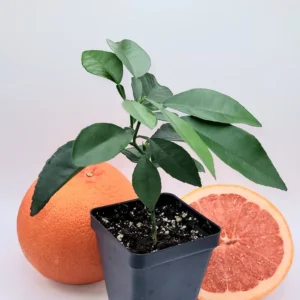
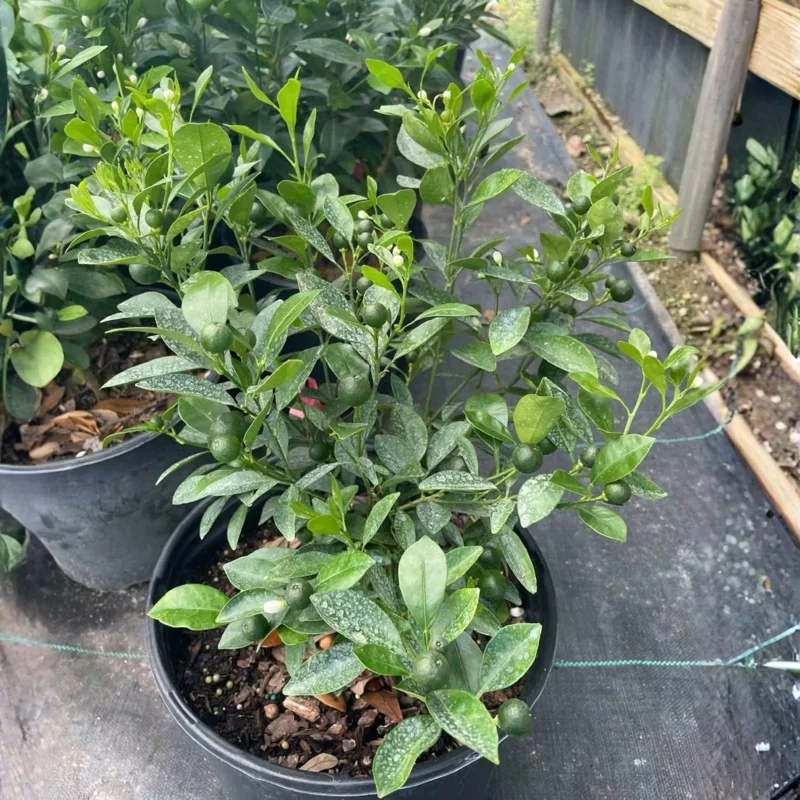
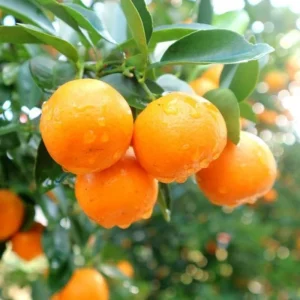
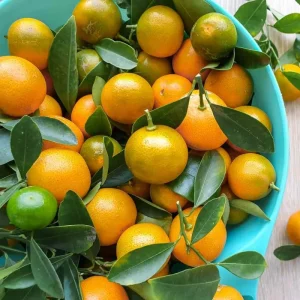
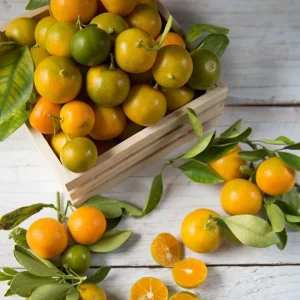
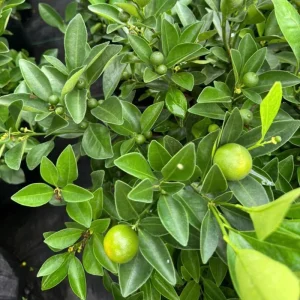
Bring the exotic taste of the tropics to your home with this stunning calamansi tree live plant. Also known as Calamondin, this compact citrus tree (Citrus microcarpa) is a hybrid of kumquat and mandarin orange, renowned for its small, tart, and intensely flavorful fruits. This particular specimen arrives as a well-established, fruit-bearing plant in a substantial 3-gallon pot, ensuring it’s ready to thrive in its new environment. The calamansi tree live plant is not just a source of delicious fruit; its glossy green foliage and delicate, fragrant white flowers also make it a beautiful ornamental addition to any space. Whether you’re an experienced gardener or just starting, growing your own calamansi is a rewarding experience, providing fresh fruit for culinary uses and a delightful aromatic presence.
Key Benefits
Choosing a calamansi tree live plant offers a multitude of advantages for both its aesthetic appeal and practical uses. This versatile citrus variety is a fantastic choice for anyone looking to enhance their home or garden.
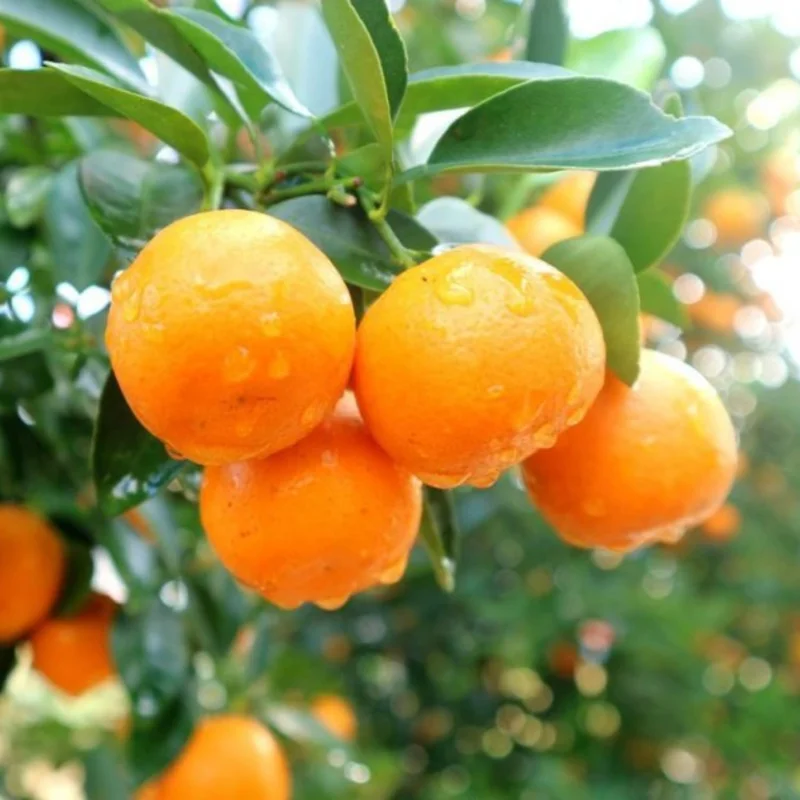
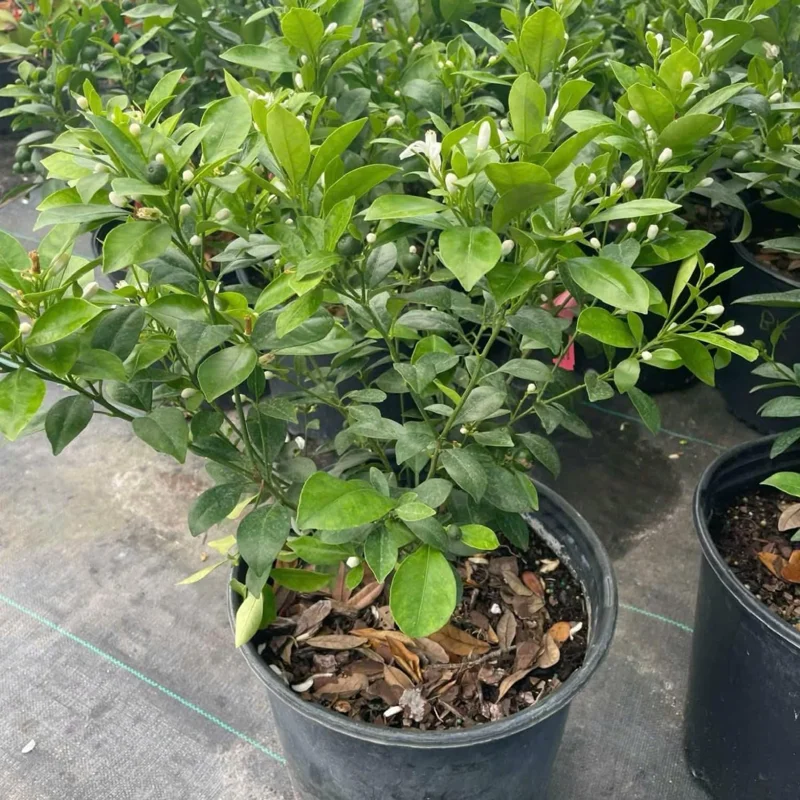
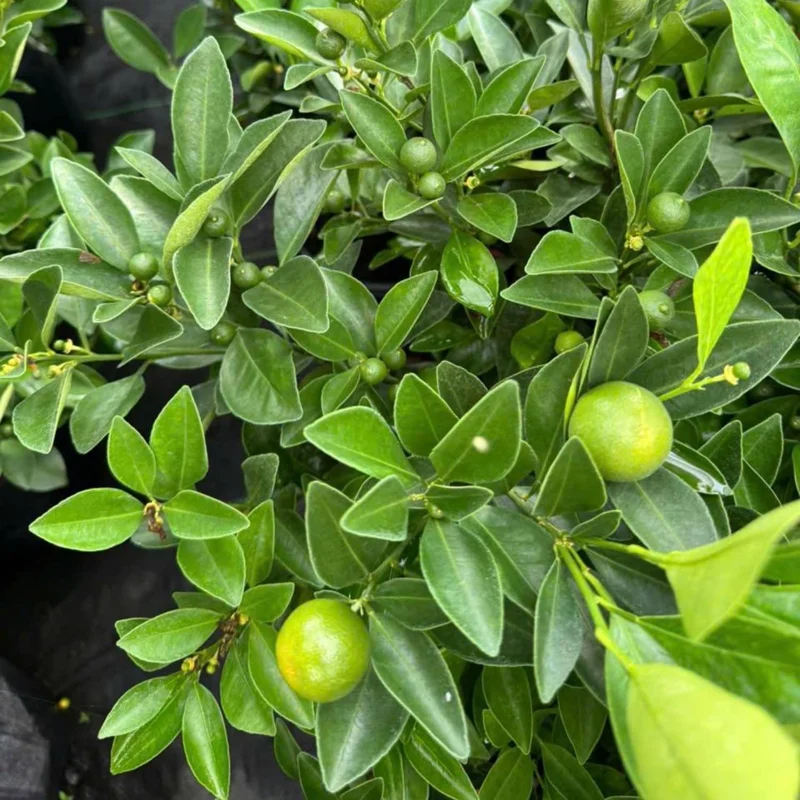
- Decorative & Functional Appeal: The calamansi tree live plant boasts lush green foliage, fragrant white blossoms, and vibrant, colorful fruits, making it a visually appealing plant that also provides a harvest. It adds a touch of tropical elegance to any setting.
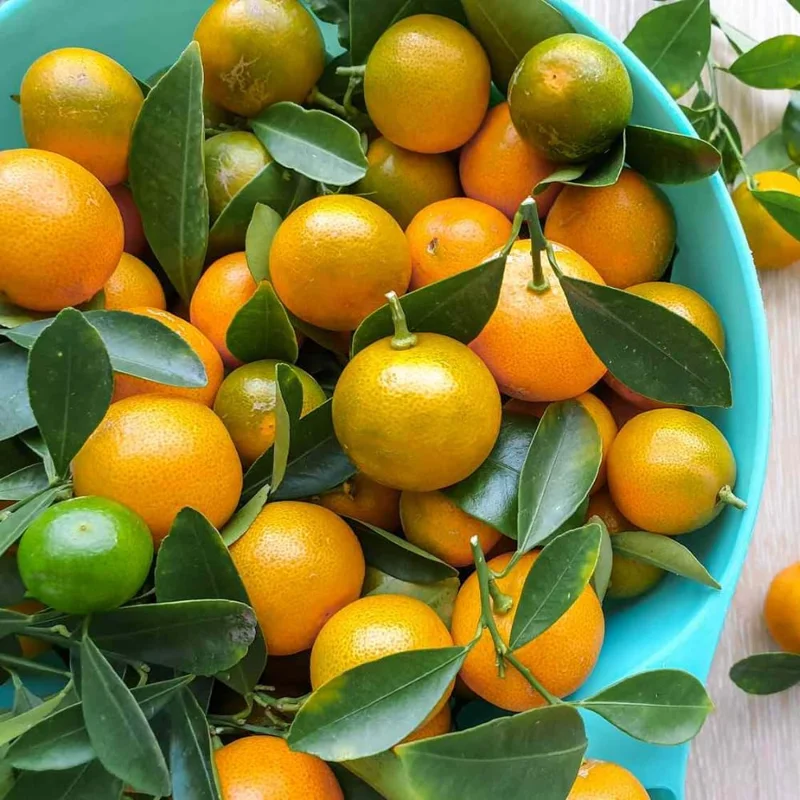
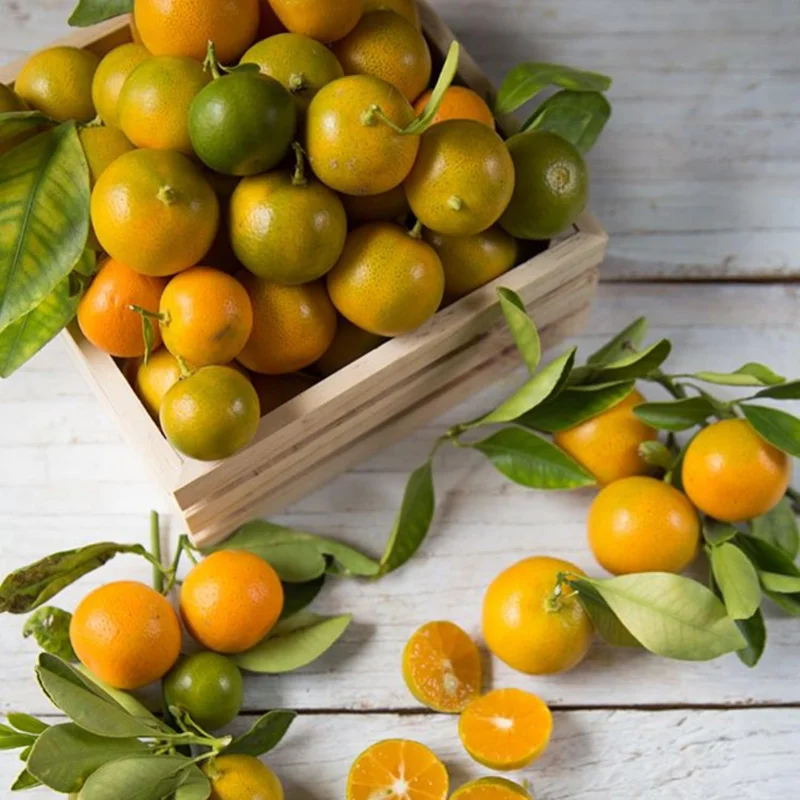
- Delicious, Versatile Fruit: Calamansi fruits are highly prized for their unique tart flavor, perfect for beverages, marinades, desserts, and sauces. Having a calamondin citrus tree means fresh, organic fruit is always at your fingertips.
- Adaptable for Container Growing: This compact tree thrives in containers, making it an excellent choice for patios, balconies, or even indoors in bright, sunny locations. This flexibility allows you to enjoy fresh calamansi even in cooler climates where outdoor planting is not feasible year-round.
- Low Maintenance & Resilient: Known for its hardiness, the calamansi is a relatively easy citrus to care for, requiring moderate watering and full sun. Its low-maintenance nature makes it suitable for gardeners of all skill levels.
- Fragrant Blooms: The delicate white flowers of the calamansi tree release a sweet, citrusy fragrance, enhancing the sensory experience of your garden or indoor space, especially during its spring to summer blooming period.
- Long-Lived & Productive: With proper care, a calamansi tree live plant can provide years of beauty and abundant harvests, becoming a cherished part of your home or garden.
- Easy to Grow Calamansi in Pot: Its natural growth habit and adaptability make it simple to grow calamansi in pot, providing an accessible way to enjoy this exotic fruit.
Plant Care & Growing Tips
Caring for your calamansi tree live plant is straightforward and rewarding, especially if you understand its basic needs. This resilient citrus thrives with consistent attention to sunlight, water, and soil conditions. For optimal health and fruit production, ensure your calamondin citrus tree receives plenty of light. It prefers full sun exposure, meaning at least 6-8 hours of direct sunlight per day. If growing indoors, place it near a south-facing window or supplement with a grow light.
Watering is crucial; the calamansi prefers consistently moist, but not waterlogged, soil. Allow the top inch or two of soil to dry out between waterings. Overwatering can lead to root rot, while underwatering can cause leaf drop. A well-draining soil mix is essential to prevent water accumulation. For feeding, use a balanced citrus fertilizer during the growing season (spring through summer) according to the product’s instructions. This will support healthy growth and fruit development. The calamansi is generally hardy in USDA Zones 9-11, tolerating temperatures down to the low 20s Fahrenheit for short periods. If you live in a colder zone, it’s best to bring the plant indoors during winter. Regularly check for pests like aphids or spider mites and treat them promptly with organic insecticidal soap if necessary. Pruning can be done to maintain shape, encourage bushier growth, and remove any dead or crossing branches.
Size & Details
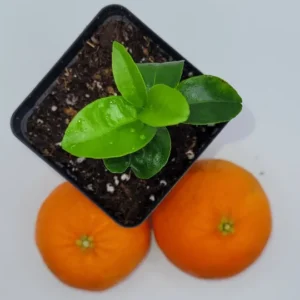
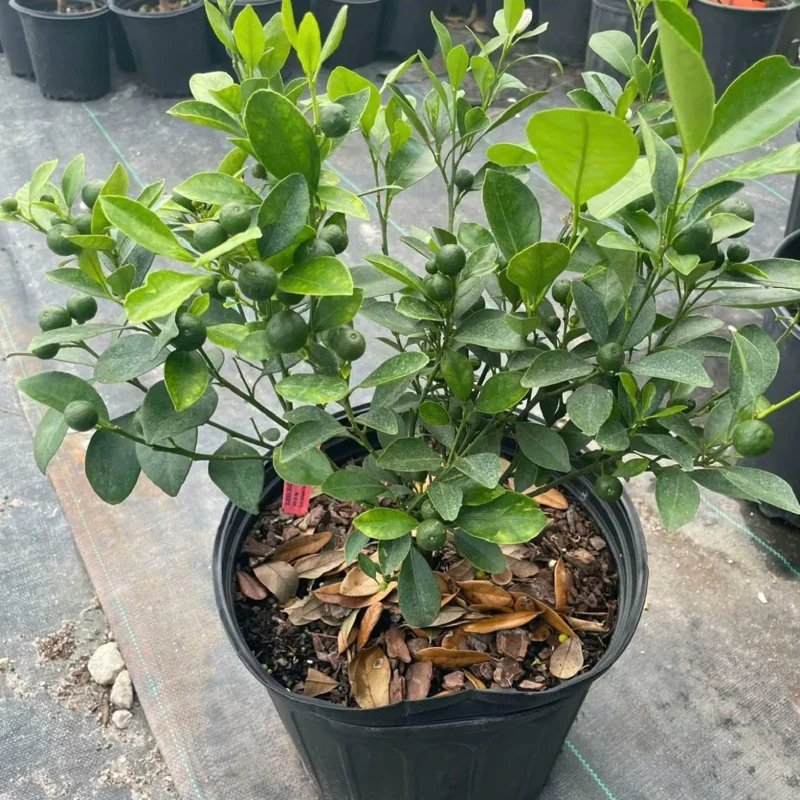
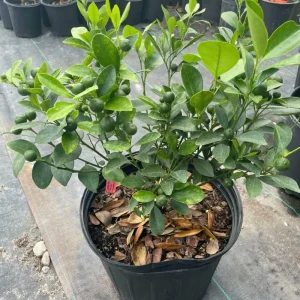
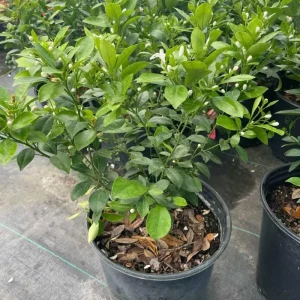
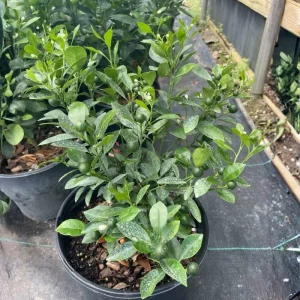
This calamansi tree live plant arrives established in a sturdy 3-gallon nursery pot, ensuring a robust start for your gardening endeavors. The plant’s dimensions are approximately 12 x 12 x 40 inches, indicating a well-developed specimen ready for planting or continued container growth. Calamansi trees typically grow into a compact, bushy form, making them ideal for patios, balconies, or as an attractive indoor plant with sufficient light. They have a moderate growth rate and will continue to produce fruit throughout the year once established, with heavy fruiting often occurring from spring to summer. Your plant will arrive well-rooted and potentially already bearing small fruits, offering immediate gratification. This fruit bearing calamansi is a wonderful addition to any home.
Frequently Asked Questions
- Q: What size will the calamansi tree be when it arrives? A: Your calamansi tree live plant will arrive in a 3-gallon pot, with approximate dimensions of 12 x 12 x 40 inches, indicating a healthy, established plant ready for growth.
- Q: Is this an indoor or outdoor plant? A: This calamansi tree is versatile for both indoor and outdoor use. It thrives outdoors in USDA Hardiness Zones 9-11 and can be grown indoors in a bright, sunny location in colder climates.
- Q: How much sunlight does the calamansi tree need? A: A calamondin citrus tree requires full sun exposure, ideally 6-8 hours of direct sunlight per day, for optimal growth and fruit production.
- Q: Is this plant easy to care for? A: Yes, the calamansi tree is known for being relatively low maintenance. It requires consistent watering, well-draining soil, and plenty of sunlight, making it suitable for gardeners of various experience levels.
- Q: What condition will the plant arrive in? A: The plant will arrive well-rooted in its 3-gallon pot, and it is likely to be actively bearing fruits, providing an immediate harvest opportunity.
- Q: When is the best time to plant a calamansi tree? A: The best time for planting or repotting your calamansi tree live plant is typically in the spring, allowing it ample time to establish itself before the peak growing season.
- Q: Can I use the fruit from this calamansi tree for cooking? A: Absolutely! The fruits from this fruit bearing calamansi are perfect for a wide range of culinary uses, including drinks, marinades, and desserts, offering a unique tart flavor.
- Q: How do I ensure my calamansi plant thrives indoors? A: To successfully grow calamansi in pot indoors, ensure it receives maximum sunlight, ideally from a south-facing window, and maintain consistent moisture in the soil, avoiding overwatering.
- Q: What type of soil is best for a calamansi tree? A: Calamansi trees prefer well-drained soil. A good quality potting mix designed for citrus plants or a blend with added perlite or sand for drainage is ideal.
- Q: How do I know if my calamansi tree needs water? A: Check the soil moisture by inserting your finger about an inch or two deep. If it feels dry, it’s time to water your calamondin citrus tree.


Reviews
There are no reviews yet.