Overview
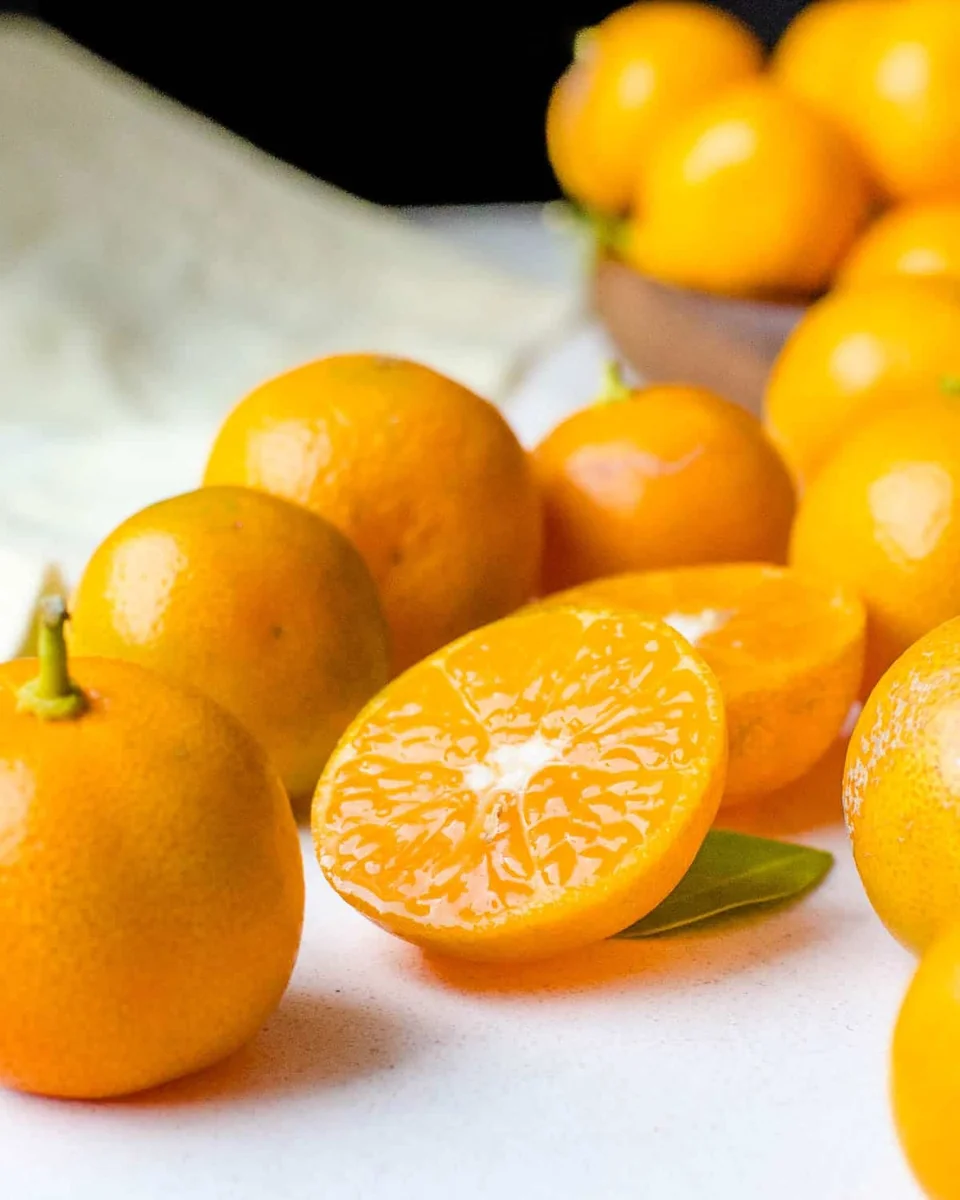
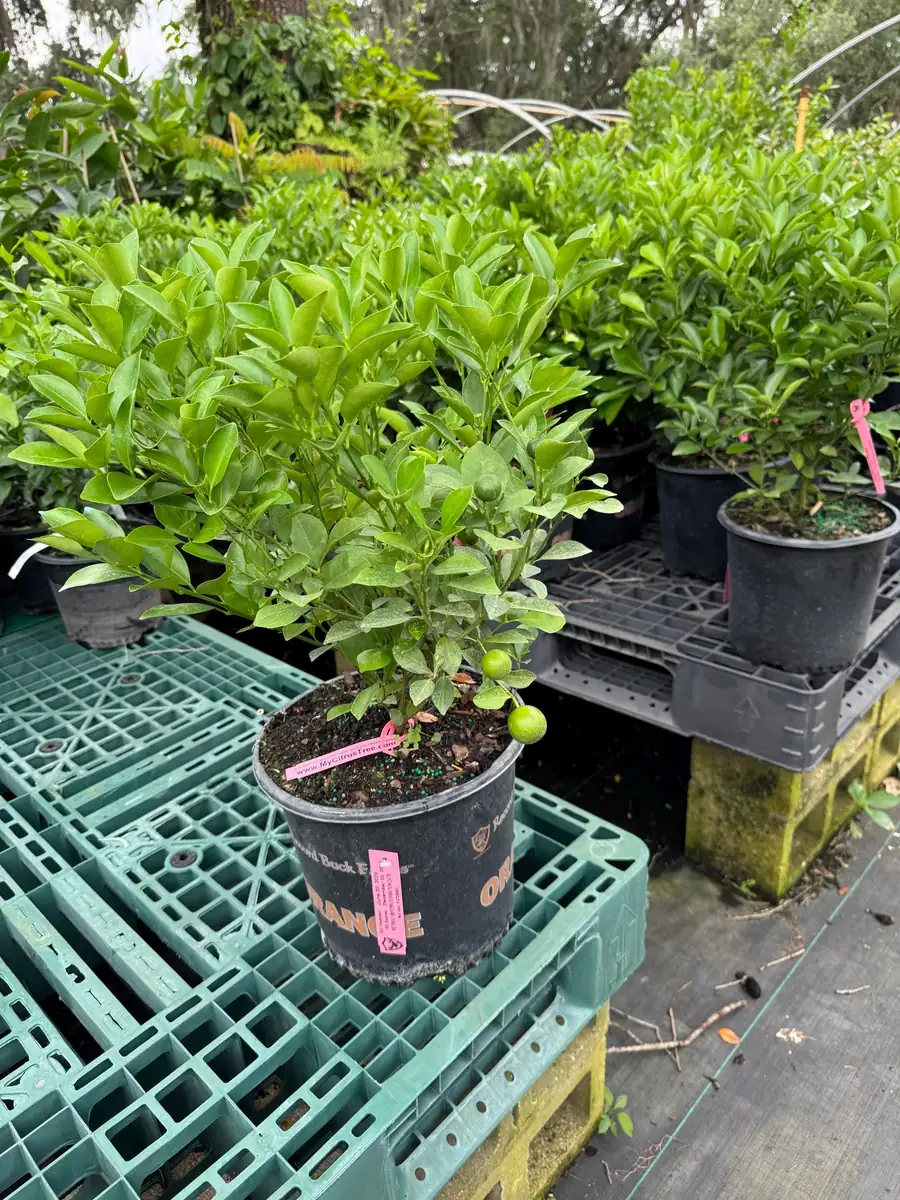
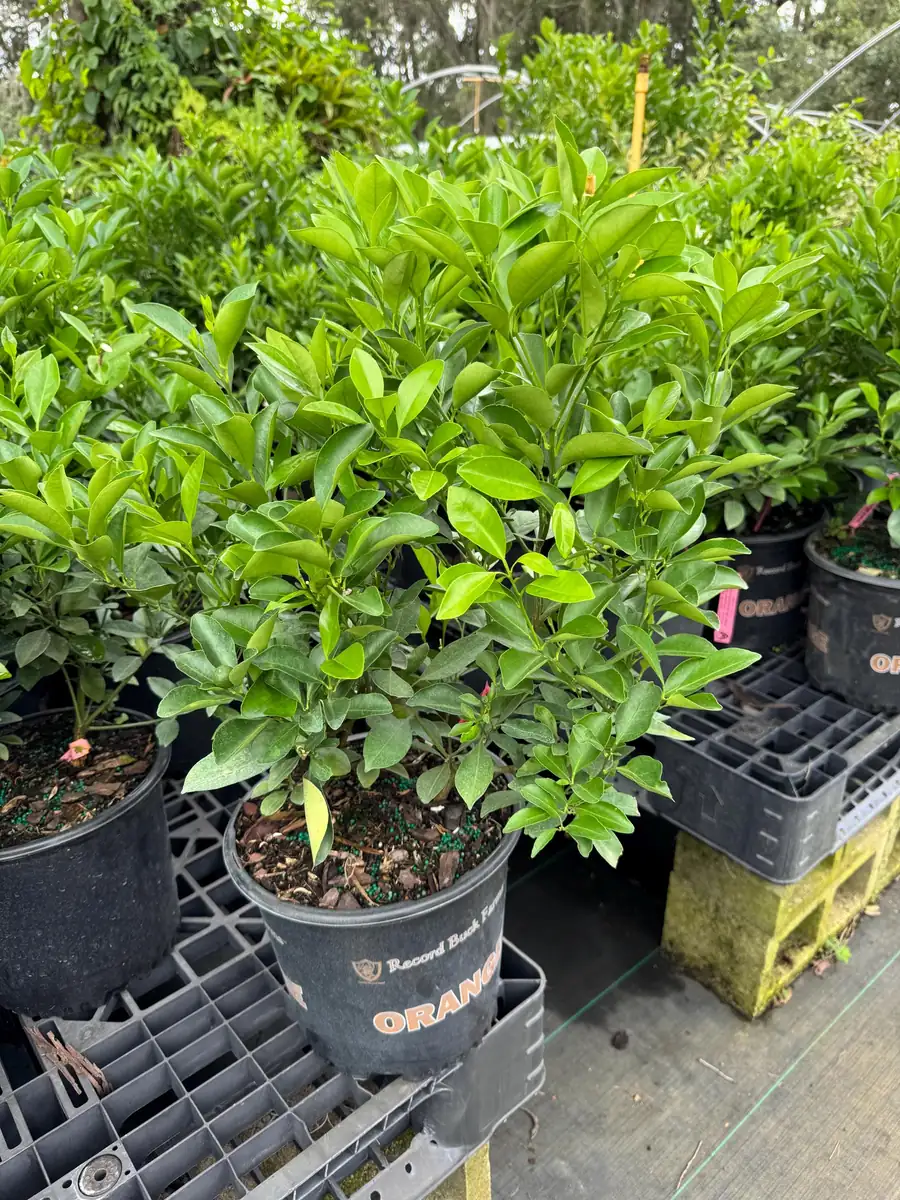
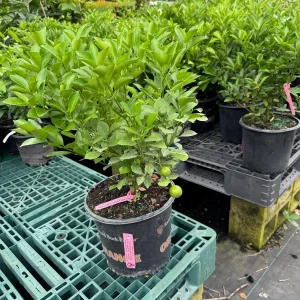
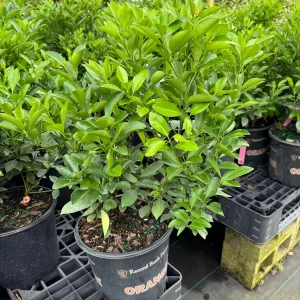
Introducing the magnificent dwarf calamondin citrus tree, a versatile and rewarding live plant perfect for both seasoned gardeners and enthusiastic beginners. This particular specimen is presented in a generous 3-gallon pot, standing impressively at 2-3 feet tall, making it a substantial addition to any collection. The Calamondin, also known as Calamansi or Philippine Lime, is a hybrid citrus tree prized for its small, tart, and highly aromatic fruit. These miniature oranges are incredibly versatile, used in everything from refreshing beverages and marinades to desserts and sauces. Beyond its delicious yield, the dwarf calamondin citrus tree offers significant ornamental value, with glossy green leaves and fragrant white blossoms that perfume the air. It thrives in containers, making it an excellent choice for patios, balconies, or as a vibrant indoor plant in regions with colder climates. Its compact size ensures it fits comfortably in various settings while still delivering an abundance of fruit.
Key Benefits
The dwarf calamondin citrus tree offers a multitude of advantages, blending aesthetic appeal with practical utility. It’s an excellent choice for anyone looking to add a touch of greenery and a source of fresh, homegrown citrus to their life.
- Abundant Fruit Production: Despite its compact size, this tree is a prolific bearer, providing a continuous supply of small, juicy, and intensely tart fruit throughout the year. Perfect for culinary adventures.
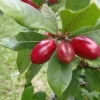
- Beautiful Ornamental Value: With its lush, dark green foliage, fragrant white flowers, and bright orange fruits, the calamondin tree is a stunning addition to any home or garden, offering visual interest year-round.
- Versatile Culinary Uses: The fruit, a cross between a mandarin orange and a kumquat, is incredibly versatile. Use it in drinks, jams, marmalades, sauces, or as a vibrant garnish. Discover the many ways to enjoy your fresh calamondin.
- Ideal for Container Growing: This dwarf variety thrives in pots and containers, making it perfectly suited for small gardens, patios, balconies, or even as a cheerful indoor plant in a sunny spot.
- Fragrant Blooms: Enjoy the delightful scent of its small, white flowers, which bloom intermittently throughout the year, adding a sweet perfume to your living space.
- Relatively Low Maintenance: Once established, calamondin plant care is straightforward, requiring consistent watering, adequate sunlight, and occasional fertilization to keep it healthy and productive.
- Year-Round Appeal: Unlike many fruit trees, the calamondin often simultaneously displays flowers, green fruit, and ripe orange fruit, offering continuous beauty and harvest.
Plant Care & Growing Tips
Proper calamondin plant care is essential for a healthy and productive tree. This resilient citrus variety is relatively easy to care for, but understanding its specific needs will help it flourish. The calamondin thrives in bright, direct sunlight. If grown indoors, place it near a south-facing window where it can receive at least 6-8 hours of direct light daily. For outdoor plants, choose a location with full sun exposure. Good air circulation is also important to prevent fungal issues. When it comes to watering, consistency is key. Calamondins prefer moist, but not waterlogged, soil. Allow the top inch or two of soil to dry out before watering thoroughly. Reduce watering frequency in cooler months or if the plant is dormant. Ensure your pot has excellent drainage to prevent root rot.
The ideal soil for a dwarf calamondin citrus tree is a well-draining, slightly acidic potting mix specifically formulated for citrus plants. A pH between 6.0 and 7.0 is generally preferred. Fertilize your calamondin regularly during its active growing season (spring through fall) with a balanced citrus fertilizer. Follow the product instructions for application rates. Pruning is beneficial for maintaining shape, encouraging new growth, and improving fruit production. Remove any dead, diseased, or crossing branches. You can also lightly prune to shape the tree and keep it compact, especially if you are growing calamondin indoors. Protect your plant from frost if temperatures drop below 20-25°F (-6 to -4°C). Bring potted plants indoors when cold weather is expected. Common pests include spider mites, aphids, and scale insects; regularly inspect your plant and treat promptly with horticultural oil or insecticidal soap if necessary.
Size & Details
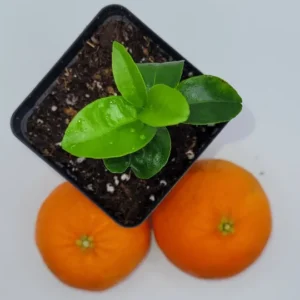
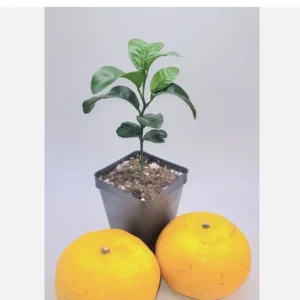
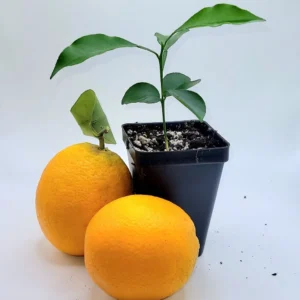
This dwarf calamondin citrus tree is a magnificent specimen, arriving in a 3-gallon nursery pot. The tree itself measures approximately 2-3 feet tall from the base of the pot to the top of its foliage, offering a substantial and well-established plant ready to thrive in its new home. Calamondins are known for their relatively fast growth rate, especially when provided with optimal conditions, and can quickly grow into a compact, bushy form. The fruit, resembling a small orange, is typically 1-2 inches in diameter. The tree is shipped as a live, potted plant, complete with soil, ensuring minimal transplant shock and a smooth transition to your garden or indoor space. Expect this calamondin fruit tree to begin producing fruit within its first year or two, depending on the growing conditions and maturity upon arrival.
Frequently Asked Questions
- Q: How big does this plant get? A: This particular dwarf calamondin citrus tree is shipped at 2-3 feet tall in a 3-gallon pot. When mature, especially in a container, it typically reaches 4-6 feet tall, making it a manageable size for most spaces.
- Q: What size pot does it come in? A: The calamondin tree arrives in a 3-gallon nursery pot, which is a good size to allow it to establish before needing to be repotted.
- Q: Is this an indoor or outdoor plant? A: The calamondin is versatile. It can be grown outdoors in USDA Zones 9-11 year-round. In colder climates, it is best kept in a container and brought indoors during the winter, making it an excellent option for growing calamondin indoors.
- Q: How much sunlight does it need? A: A calamondin tree requires at least 6-8 hours of direct sunlight per day to thrive and produce abundant fruit. Indoors, place it in your brightest, sunniest window.
- Q: Is this plant easy to care for? A: Yes, calamondin plant care is considered relatively easy, especially for a citrus. It requires consistent watering, plenty of sunlight, and regular feeding during the growing season.
- Q: What condition will it arrive in? A: Your calamondin tree will arrive as a healthy, live potted plant, complete with soil, carefully packaged to ensure its safe journey to your home.
- Q: Can I use the fruit in cooking? A: Absolutely! The fruit of the calamondin orange tree is highly prized for its tart, citrusy flavor, perfect for marinades, drinks, desserts, and as a substitute for lime or lemon.
- Q: How long until it produces fruit? A: Many calamondin trees will start producing fruit within their first year or two, especially when they are already a substantial size like this 2-3 feet tall specimen.
- Q: What’s the best soil for a calamondin? A: Use a well-draining potting mix specifically formulated for citrus plants, or a general-purpose potting mix amended with perlite or sand for improved drainage.
- Q: Will it survive winter in my zone? A: Calamondin trees are sensitive to frost. If you live in a region where temperatures drop below 25°F (-4°C), you must bring your potted tree indoors for the winter.


Reviews
There are no reviews yet.