
Overview
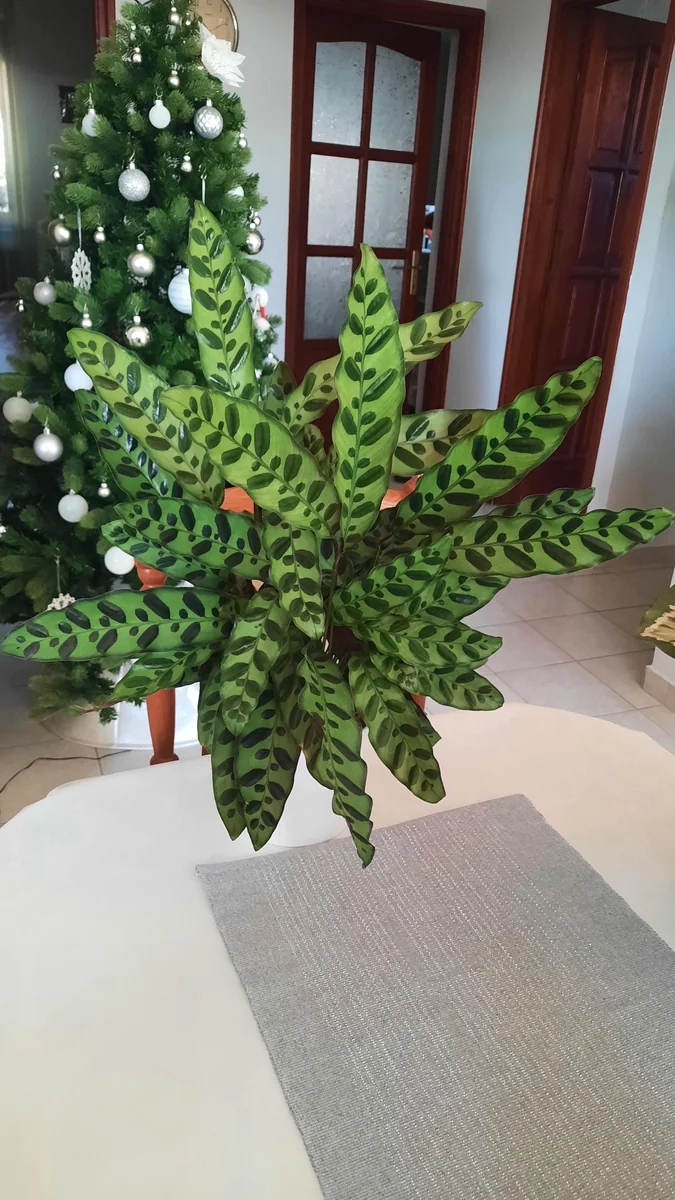
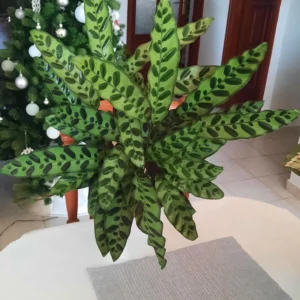
Introduce a touch of the exotic into your living space with the exquisite Calathea Lancifolia live plant, commonly known as the Rattlesnake Plant. This captivating houseplant is celebrated for its truly unique and eye-catching foliage. Each leaf boasts a distinctive pattern reminiscent of a rattlesnake’s skin, with dark green blotches on a lighter green background, and a rich purple underside. As part of the ‘prayer plant’ family, Calatheas are famed for their nastic movements, where their leaves fold upwards at night and unfurl again in the morning, a fascinating display of nature’s rhythm. This particular species, Calathea lancifolia, is a fantastic choice for plant enthusiasts looking to enhance their indoor garden with a vibrant and dynamic specimen. Its striking appearance makes it a focal point in any room, providing a lush, tropical ambiance.
The Calathea Lancifolia live plant is not just a visual delight; it’s also known for its air-purifying qualities, contributing to a healthier indoor environment. Its preference for specific care conditions makes it a rewarding challenge for intermediate plant parents, but with the right approach, it thrives beautifully. This indoor tropical plant brings a sense of the jungle indoors, transforming ordinary spaces into serene, green sanctuaries. Its dramatic leaves and graceful movements make it a conversation starter and a constant source of natural beauty, offering an escape from the everyday hustle and bustle right in your home.
Key Benefits
The Calathea Lancifolia live plant offers numerous advantages, making it a prized addition to any indoor plant collection. Its unique features go beyond just aesthetics, contributing to a more vibrant and healthy home environment.
-
Striking Visual Appeal: The primary benefit of the Calathea Lancifolia live plant is its incredibly decorative foliage. The intricate patterns and vibrant colors of its leaves, combined with the deep purple undersides, create a stunning visual contrast that instantly elevates any interior decor. It’s a living piece of art.
-
Natural Air Purifier: Like many houseplants, the Rattlesnake Plant helps to improve indoor air quality by absorbing common airborne toxins and releasing oxygen. This contributes to a fresher, healthier breathing environment in your home or office.
-
Fascinating Leaf Movement: Experience the unique phenomenon of nastic movement. The leaves of the Calathea Lancifolia gracefully fold upwards at dusk and lower again at dawn, a captivating daily ritual that adds dynamic charm and reminds you of the plant’s vitality.
-
Unique Rattlesnake Calathea Care: While it requires specific care, the rewarding growth and stunning appearance make the effort worthwhile. Successfully nurturing this plant brings a great sense of accomplishment and a beautiful, thriving specimen.
-
Adds Tropical Ambiance: With its lush, exotic appearance, this indoor tropical plant instantly transforms any room into a more vibrant and serene space, evoking the feeling of a rainforest oasis.
-
Pet-Friendly: Unlike some popular houseplants, Calathea Lancifolia is generally considered non-toxic to pets, making it a safer choice for homes with curious cats or dogs.
-
Conversation Starter: The distinctive patterned foliage plant is sure to catch the eye of visitors and spark conversations, making it an excellent decorative element for entertaining spaces.
Plant Care & Growing Tips
Proper Rattlesnake Calathea care is crucial for its vibrant growth and health. This plant thrives in conditions that mimic its native tropical environment. For optimal growth, provide bright, indirect light. Direct sunlight can scorch its delicate leaves, causing them to fade or develop brown spots. An east-facing window is often ideal, or a spot a few feet away from a south or west-facing window. If your home lacks sufficient natural light, a grow light can supplement, ensuring the plant receives adequate illumination without harsh intensity. Consistent humidity is another key factor; aim for 60% or higher. You can achieve this by using a humidifier, placing the plant on a pebble tray with water, or grouping it with other humidity-loving plants. Avoid placing it near drafts, air conditioning vents, or heating units, as these can drastically lower humidity levels and stress the plant.
Watering correctly is vital for your Calathea Lancifolia live plant. Keep the soil consistently moist but never soggy. Allow the top inch of soil to dry out slightly before watering again. Overwatering can lead to root rot, while underwatering will cause the leaves to curl and crisp. Always use filtered water, rainwater, or distilled water, as Calatheas are sensitive to the chemicals found in tap water, such as chlorine and fluoride, which can lead to brown leaf tips. During the growing season (spring and summer), fertilize every 2-4 weeks with a balanced liquid fertilizer diluted to half strength. Reduce feeding in fall and winter. The ideal temperature range is between 65-80°F (18-27°C). Avoid temperatures below 60°F (15°C). Use a well-draining potting mix that retains some moisture, such as a mix designed for tropical plants or a blend of peat moss, perlite, and orchid bark. Repot every 1-2 years or when the plant becomes root-bound, preferably in spring.
Common issues for this patterned foliage plant include browning leaf tips, often due to low humidity or tap water. Pests like spider mites can also be a problem in dry conditions; regularly misting the plant and wiping down leaves can help prevent infestations. If you notice yellowing leaves, it could be a sign of overwatering, while drooping leaves might indicate underwatering or too much light. Understanding these signals and adjusting your Rattlesnake Calathea care routine will ensure your plant remains lush and beautiful.
Size & Details
This Calathea Lancifolia live plant is typically offered as a starter plant, ready to grow and flourish in your home. While exact dimensions can vary, a starter plant usually arrives in a 2-4 inch nursery pot, with several established leaves and a healthy root system. The plant’s height at this stage generally ranges from 6 to 12 inches tall, making it a perfect size for a desk, shelf, or small plant stand. With proper Rattlesnake Calathea care, this plant can mature to reach heights of up to 2-3 feet indoors, with a similar spread, creating a substantial and impressive display of patterned foliage plant.
Each plant is unique, and you can expect variations in leaf count, size, and variegation, as is natural for live specimens. It ships as a healthy, rooted plant, carefully packaged to ensure safe arrival. The growth rate is moderate, allowing you to enjoy its development over time. This plant is a wonderful way to begin your journey with a distinctive indoor tropical plant, offering both beauty and a rewarding growing experience as it matures into its full glory.
Frequently Asked Questions
-
Q: How big does this Calathea Lancifolia live plant get? A: A starter plant typically arrives 6-12 inches tall. With optimal care, it can grow up to 2-3 feet in height and spread indoors, developing into a lush, full specimen.
-
Q: Is this an indoor or outdoor plant? A: The Calathea Lancifolia is primarily an indoor houseplant, as it thrives in stable temperatures and high humidity. It can be placed outdoors in very warm, humid, and shaded environments, but it is generally recommended for indoor cultivation.
-
Q: How much sunlight does this patterned foliage plant need? A: This plant requires bright, indirect light. Direct sunlight can scorch its leaves, so an east-facing window or a spot a few feet from a brighter window is ideal. It is considered a low light houseplant, but not a no-light plant.
-
Q: Is this plant easy to care for? A: Calathea Lancifolia is considered an intermediate-level plant. It requires consistent humidity, specific watering practices, and protection from drafts, making its Rattlesnake Calathea care more involved than some other houseplants.
-
Q: What condition will it arrive in? A: Your plant will arrive as a healthy, live starter plant in a nursery pot, carefully packaged to minimize stress during transit. It’s normal for shipped plants to show minor signs of stress upon arrival, which they recover from quickly.
-
Q: Is this indoor tropical plant pet-safe? A: Yes, Calathea Lancifolia is generally considered non-toxic to cats and dogs, making it a safer option for pet owners compared to many other common houseplants.
-
Q: How often should I water my Calathea Lancifolia? A: Water when the top inch of soil feels slightly dry to the touch. It prefers consistently moist, but not soggy, soil. Always use filtered or distilled water if possible to prevent leaf tip browning.
-
Q: What’s the best soil for a Calathea Lancifolia? A: A well-draining yet moisture-retentive potting mix is best. A good blend would include peat moss, perlite, and some orchid bark or coco coir to ensure proper drainage and aeration while retaining adequate moisture.
-
Q: Why are the leaves of my low light houseplant curling? A: Leaf curling often indicates that the plant is not getting enough water or that the humidity is too low. Check the soil moisture and consider increasing humidity around the plant.
-
Q: Can I put my Calathea Lancifolia in a low-light room? A: While it tolerates lower light conditions better than many plants, it still needs bright, indirect light to thrive and maintain its vibrant patterns. A truly dark room will cause it to decline over time, even for a low light houseplant.


Reviews
There are no reviews yet.