Overview
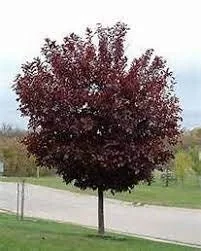
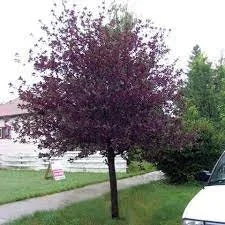
Introduce a touch of natural elegance to your outdoor space with the Canadian Red Chokecherry live plant. This robust and adaptable plant, scientifically known as Prunus virginiana ‘Canadian Red’, is a highly sought-after variety of chokecherry, celebrated for its striking visual appeal and ecological benefits. Beginning as a vibrant green in spring, its leaves mature into a rich, deep reddish-purple hue that persists throughout the growing season, offering continuous color interest. As a small tree or large suckering shrub, the Canadian Red Chokecherry live plant can reach heights of 3 to 19 feet, occasionally taller, making it suitable for various landscape applications, from specimen planting to hedges or naturalized areas. Its fragrant white flowers, blooming in racemes during late spring, attract pollinators, while the subsequent dark red to black drupes provide a valuable food source for wildlife and can be harvested for human consumption, though they are quite astringent when raw. This plant is a fantastic choice for gardeners in cooler climates, thriving particularly well in USDA Zones 2-7, making it an excellent hardy landscape plant.
The Canadian Red Chokecherry live plant offers more than just beauty; it’s a resilient and low-maintenance option for busy gardeners. Its adaptability to various soil conditions and its natural hardiness make it a forgiving plant. Whether you’re looking to create a visually impactful garden feature, attract local fauna, or even try your hand at making preserves from its unique fruit, this chokecherry variety provides a multitude of benefits. Embrace the enduring appeal and practicality of this exceptional plant in your garden.
Key Benefits
The Canadian Red Chokecherry live plant is a versatile and rewarding addition to nearly any garden, offering a wealth of advantages for both aesthetics and functionality. Its inherent qualities make it a standout choice for gardeners seeking beauty, resilience, and ecological value.
- Stunning Seasonal Color: Enjoy a dynamic display of foliage, transitioning from fresh green to a dramatic, deep reddish-purple that lasts from spring through fall. This vibrant coloration makes the Canadian Red Chokecherry live plant a focal point in any landscape design.
- Fragrant Spring Blooms: Delicate white flowers emerge in attractive racemes during late spring, emitting a pleasant fragrance that enhances the garden experience and attracts beneficial pollinators like bees and butterflies.
- Edible & Wildlife-Friendly Berries: Following the blooms, clusters of small, dark red to black drupes develop. These berries are a favorite food source for birds and other wildlife, and can also be harvested for human use in jams, jellies, or wines after cooking to reduce their astringency. These are truly versatile edible chokecherry berries.
- Exceptional Cold Hardiness: Thriving in USDA Zones 2-7, this plant is incredibly resilient to cold temperatures, making it an excellent choice for northern climates where many other ornamental trees struggle.
- Low Maintenance & Adaptable: Once established, the chokecherry care requirements are minimal. It tolerates a range of soil types and conditions, including some drought, making it suitable for various garden settings and for gardeners of all experience levels.
- Versatile Landscape Use: Whether planted as a standalone specimen, incorporated into a mixed border, used for screening, or as part of a native plant garden, its adaptable growth habit allows for diverse applications.
- Ecological Value: Beyond providing food for wildlife, the plant contributes to local biodiversity and can help prevent soil erosion, especially in naturalized areas.
Plant Care & Growing Tips
Proper chokecherry care ensures your Canadian Red Chokecherry live plant thrives and provides years of beauty. This hardy plant is relatively low-maintenance, but understanding its basic needs will help it reach its full potential. For sunlight, the Prunus virginiana Canadian Red prefers full sun to partial shade. Full sun (at least 6 hours of direct sunlight per day) will promote the best foliage color and fruit production. While it can tolerate some shade, too much shade may result in greener leaves and fewer flowers and berries. It is adaptable to a wide range of soil types, but ideally prefers well-draining soil. Avoid consistently waterlogged conditions, as this can lead to root rot. A slightly acidic to neutral pH (6.0-7.0) is generally preferred.
When it comes to watering, consistent moisture is important during the first year after planting to help establish a strong root system. Once established, the Canadian Red Chokecherry live plant is quite drought-tolerant and will generally only need supplemental watering during extended dry periods. Fertilization is usually not necessary for established plants in average garden soil. If your soil is poor, a balanced, slow-release granular fertilizer applied in early spring can be beneficial. Pruning can be done in late winter or early spring to remove dead, damaged, or crossing branches, and to maintain a desired shape or size. You can also prune to manage its suckering habit if you prefer a more tree-like form. The plant is generally disease and pest resistant, but keep an eye out for common issues like powdery mildew or aphids, which can typically be managed with horticultural oils or sprays if they become a problem. Understanding these aspects of chokecherry care will help you cultivate a healthy and vigorous plant.
Size & Details
This offering is for one Canadian Red Chokecherry live plant, shipped in a 2.5 inch pot. At the time of shipping, the plant will be a young specimen, ready for transplanting into your garden or a larger container. The Prunus virginiana Canadian Red is a suckering shrub or small tree, reaching a mature height of 3 to 19 feet, rarely up to 33 feet, with a potential trunk thickness of up to 12 inches. The leaves are oval, typically 1 to 4 inches long and 0.5 to 2 inches wide, with a serrated margin. Flowers are produced in racemes measuring 1.5 to 4.25 inches long, eventually growing up to 6 inches, with individual flowers being about 0.3 to 0.5 inches across. The fruits, or drupes, are approximately 0.25 to 0.5 inches in diameter. This hardy landscape plant exhibits a moderate growth rate, establishing itself well within a few seasons and beginning to produce flowers and fruit within 2-3 years. It is a long-lived species, providing many years of enjoyment and a steady supply of edible chokecherry berries.
Frequently Asked Questions
- Q: How big will my Canadian Red Chokecherry live plant get? A: The Canadian Red Chokecherry live plant typically grows as a large shrub or small tree, reaching mature heights of 3 to 19 feet, though it can occasionally grow taller. Its spread will be similar, creating a rounded form.
- Q: Is this an indoor or outdoor plant? A: The Canadian Red Chokecherry live plant is an outdoor plant. It requires the seasonal changes and environmental conditions found outdoors to thrive and produce its signature foliage, flowers, and fruit.
- Q: How much sunlight does the Prunus virginiana ‘Canadian Red’ need? A: For the best growth, foliage color, and fruit production, this plant prefers full sun, meaning at least 6 hours of direct sunlight per day. It can tolerate partial shade, but its characteristics may be less pronounced.
- Q: Is this plant easy to care for? A: Yes, the Canadian Red Chokecherry live plant is considered an easy-care plant. Once established, it is quite drought-tolerant and requires minimal attention, making it suitable for beginners and experienced gardeners alike. Proper chokecherry care is straightforward.
- Q: What condition will the plant arrive in? A: Your Canadian Red Chokecherry live plant will arrive as a healthy, young specimen in a 2.5 inch pot, ready for planting. It will be carefully packaged to ensure its safe journey.
- Q: Can I eat the chokecherry berries? A: Yes, the berries from the edible chokecherry berries can be eaten, but they are very astringent and tart when raw. They are best used cooked in jams, jellies, pies, or wines, which also helps to reduce their bitterness.
- Q: When is the best time to plant this hardy landscape plant? A: The best time to plant your hardy landscape plant is in the spring after the last frost, or in early fall a few weeks before the first hard frost, allowing roots to establish before winter.
- Q: What USDA Zones is this chokecherry suitable for? A: This chokecherry variety is exceptionally hardy and suitable for USDA Zones 2 through 7, making it a great choice for cold climates.
- Q: Will the ‘Canadian Red’ chokecherry attract wildlife? A: Absolutely! The flowers attract pollinators, and the edible chokecherry berries are a significant food source for birds and other small wildlife, making it a valuable addition to a wildlife-friendly garden.
- Q: What kind of soil does this plant prefer? A: While adaptable to many soil types, the Prunus virginiana Canadian Red prefers well-draining soil. It can tolerate average garden soil but will benefit from good drainage.


Reviews
There are no reviews yet.