Overview
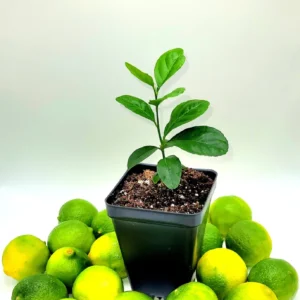
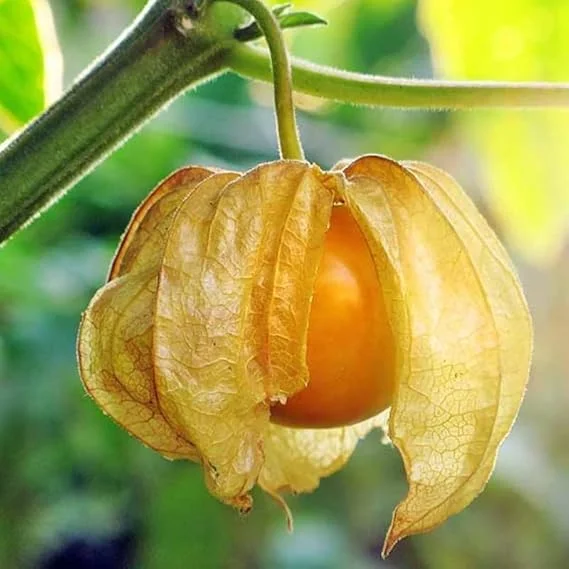
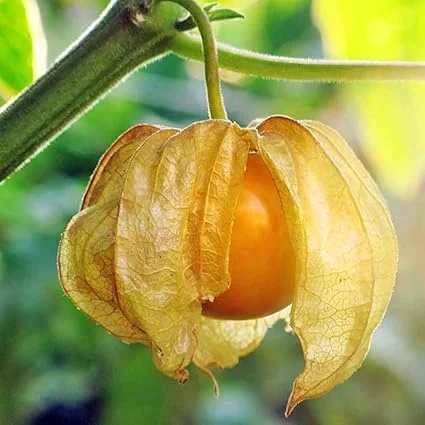
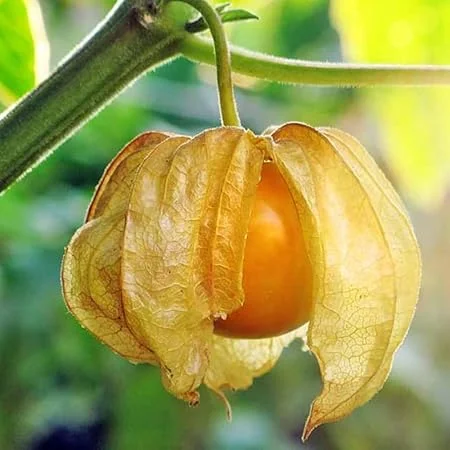
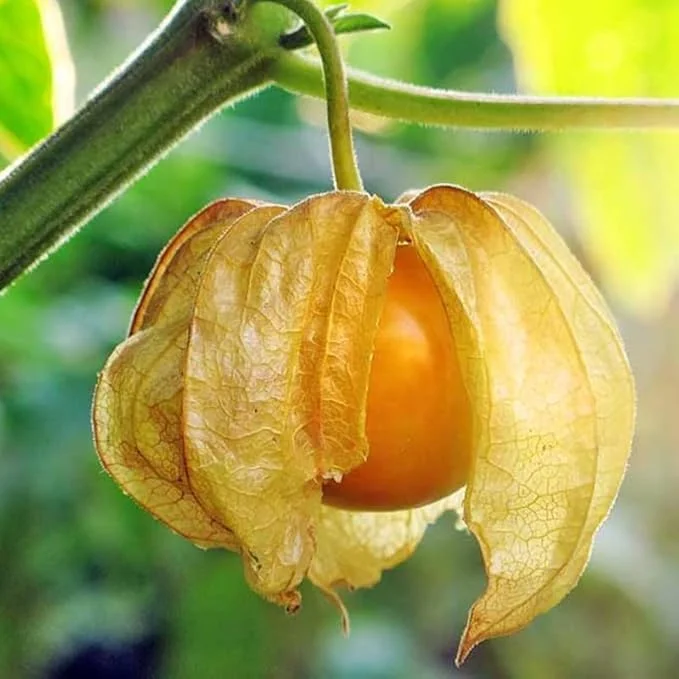
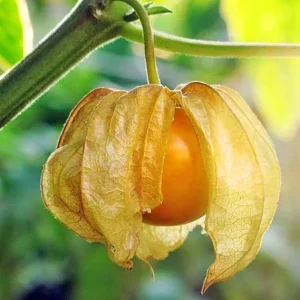
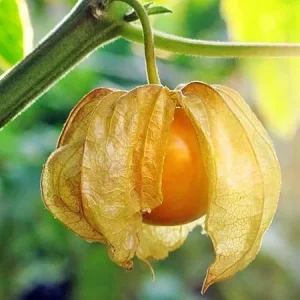
Discover the joy of growing your own exotic fruit with this vibrant cape gooseberry live plant. Known for its distinct sweet-tart flavor and golden-orange berries encased in a papery husk, the cape gooseberry (Physalis peruviana) is a delightful addition to any garden or patio. This tropical fruiting plant, also commonly referred to as goldenberry, groundcherry, or Inca berry, offers both ornamental beauty and a bountiful harvest. Our well-rooted cape gooseberry live plant arrives 7-10 inches tall in a 4-inch nursery pot, perfectly sized for immediate planting in your preferred location. Whether you’re an experienced gardener or a curious beginner, learning how to grow cape gooseberry is a rewarding experience that yields delicious fruit for snacking, desserts, or preserves.
The unique flavor profile of the cape gooseberry fruit makes it a favorite among culinary enthusiasts. Imagine plucking fresh, sun-ripened golden berries directly from your garden! This plant is not only productive but also adds a touch of the exotic to your landscape. With proper cape gooseberry care, you can enjoy a continuous supply of these delectable fruits throughout the growing season. The physalis peruviana plant is a resilient grower, adapting well to various climates when given the right conditions, making it an excellent choice for diverse gardening setups across the United States.
Key Benefits
Adding a cape gooseberry live plant to your garden offers numerous advantages, from fresh produce to aesthetic appeal. This plant is a fantastic choice for those looking to expand their edible garden with something unique and flavorful.
- Delicious Edible Fruit: Enjoy a continuous supply of sweet-tart, golden berries, perfect for fresh eating, jams, pies, or as a garnish. The flavor profile of the cape gooseberry fruit is truly unique.
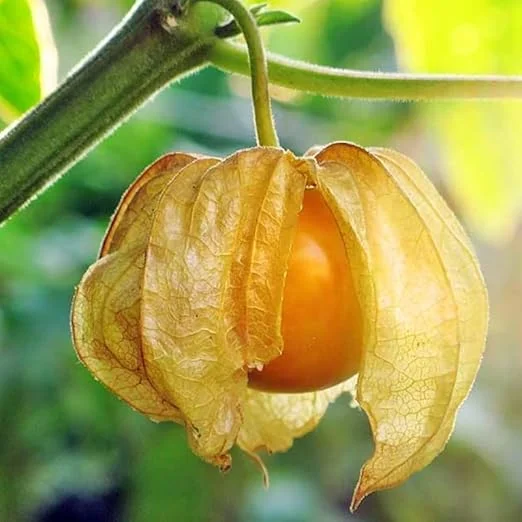
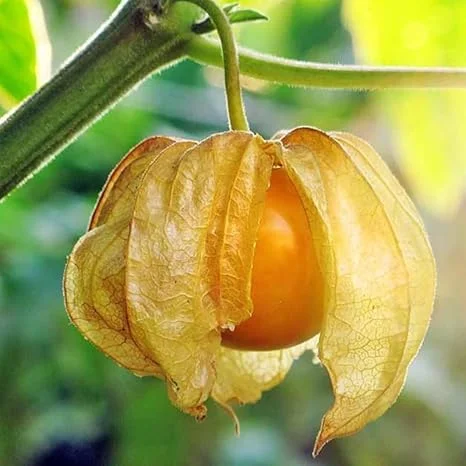
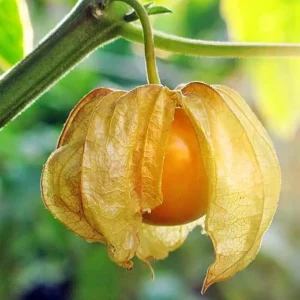
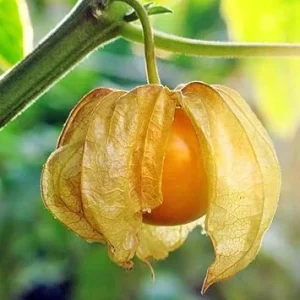
- Ornamental Appeal: The distinctive papery calyxes that envelop the fruit add an interesting visual element to your garden or patio.
- Adaptable Growth: Can be grown as a perennial in warmer climates (Zones 10-12) or as an annual in cooler regions (Zones 4-9), or even overwintered indoors in pots.
- Rich in Nutrients: Cape gooseberries are packed with vitamins A and C, and antioxidants, contributing to a healthy diet.
- Container Friendly: Its moderate mature size makes it an excellent candidate for growing in large pots or containers on patios and balconies, making cape gooseberry care manageable in smaller spaces.
- Easy to Grow: Generally low-maintenance once established, making it suitable for gardeners of all experience levels who want to learn how to grow cape gooseberry successfully.
- Attracts Pollinators: The plant’s flowers can help attract beneficial pollinators to your garden, enhancing overall garden health.
Plant Care & Growing Tips
Providing the right environment is key to a thriving cape gooseberry live plant. These plants are relatively easy to care for but do have specific needs to ensure a bountiful harvest. They prefer a location with full sun exposure, meaning at least 6-8 hours of direct sunlight per day. In extremely hot climates, some afternoon shade can be beneficial to prevent scorching. For optimal growth and fruit production, ensure your plant is in well-draining soil, ideally a sandy loam with a slightly acidic to neutral pH (6.0-7.0). Good drainage is crucial to prevent root rot, so if planting in a container, choose a pot with ample drainage holes.
When it comes to watering, the physalis peruviana plant prefers consistently moist soil, but not waterlogged. Water deeply when the top inch of soil feels dry to the touch. During hot, dry spells, you may need to water more frequently. Reduce watering slightly as fruits begin to ripen to concentrate their sugars. Fertilize your cape gooseberry live plant with a balanced, all-purpose fertilizer every 4-6 weeks during the growing season. Avoid excessive nitrogen, which can lead to lush foliage at the expense of fruit production. Common issues include pests like aphids or whiteflies, which can usually be managed with organic insecticidal soap. Ensure good air circulation to prevent fungal diseases, especially in humid environments. Understanding cape gooseberry care will lead to a healthy and productive plant.
Size & Details
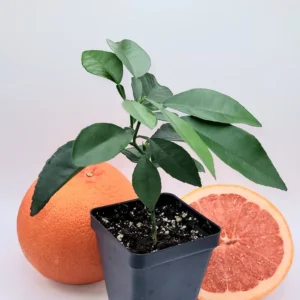
This cape gooseberry live plant arrives thoughtfully propagated and ready to thrive. Each plant is grown in a 4-inch nursery pot and stands approximately 7-10 inches tall from the base of the pot to the top of the foliage, ensuring a strong, well-rooted start. Upon maturity, the physalis peruviana plant can reach a height of 3-6 feet and spread 3-4 feet wide, forming a bushy, productive addition to your garden. It is shipped as a robust, actively growing specimen, carefully packaged to minimize stress during transit. Expect fruit production to begin within the first growing season under ideal conditions, typically from mid-summer through fall. This plant offers excellent value for anyone interested in fresh cape gooseberry fruit.
For those in USDA Zones 10-12, the cape gooseberry live plant will behave as a perennial, returning year after year. In cooler Zones 4-9, it is typically grown as an annual, or it can be successfully overwintered indoors in a pot in a bright location, allowing you to enjoy your harvest for longer. Its compact to medium size makes it versatile for various garden designs, from dedicated fruit patches to mixed borders or even as an attractive potted specimen on a sunny deck.
Frequently Asked Questions
- Q: How big does this plant get? A: This cape gooseberry live plant typically grows 3-6 feet tall and 3-4 feet wide when mature. Its size can be managed with pruning, especially if grown in a container.
- Q: What size pot does it come in? A: The plant is shipped in a 4-inch nursery pot, with the plant itself standing 7-10 inches tall. It’s ready to be transplanted into a larger pot or your garden.
- Q: Is this an indoor or outdoor plant? A: The physalis peruviana plant thrives outdoors in full sun. In colder climates (Zones 4-9), it’s often grown as an annual or overwintered indoors to protect it from frost.
- Q: How much sunlight does it need? A: This cape gooseberry live plant requires full sun, meaning at least 6-8 hours of direct sunlight daily, for optimal growth and fruit production.
- Q: Is this plant easy to care for? A: Yes, with proper attention to sunlight, watering, and soil, cape gooseberry care is relatively straightforward. It’s a great choice for beginner to intermediate gardeners.
- Q: What condition will it arrive in? A: Your cape gooseberry live plant will arrive well-rooted in its nursery pot, carefully packaged to ensure it reaches you in healthy, vibrant condition, ready for planting.
- Q: Can I use cape gooseberry fruit in cooking? A: Absolutely! The sweet-tart berries are excellent fresh, in salads, desserts, jams, sauces, or even dipped in chocolate. They add a unique flavor to many dishes.
- Q: How long until it produces fruit? A: With proper care, your cape gooseberry live plant can start producing fruit within the first growing season, typically from mid-summer through fall.
- Q: When is the best time to plant? A: The best time to plant your cape gooseberry live plant outdoors is after all danger of frost has passed in spring.
- Q: Will it survive winter in my zone? A: In USDA Zones 10-12, it’s a perennial. In Zones 4-9, it’s usually grown as an annual or can be brought indoors to overwinter in a bright, protected spot.


Reviews
There are no reviews yet.