
Overview
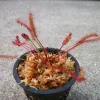
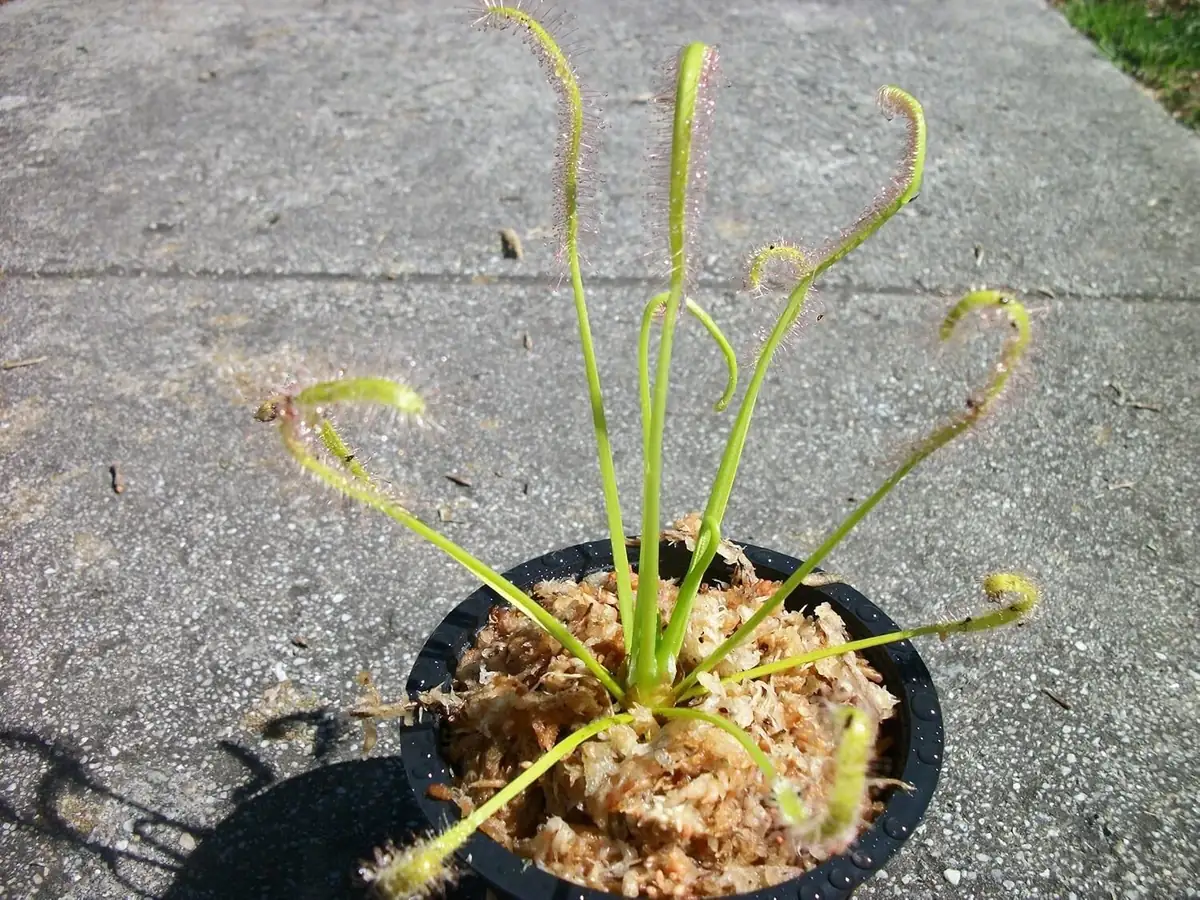
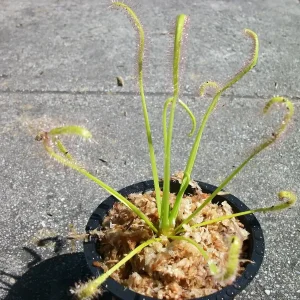
Introduce an extraordinary addition to your plant collection with the Cape Sundew carnivorous plant. Scientifically known as Drosera Capensis, this remarkable species is celebrated for its stunning appearance and natural insect-trapping abilities. Each Drosera Capensis live plant arrives healthy and vibrant in a 3-inch pot, ready to display its unique sticky tentacles that shimmer like morning dew, attracting and capturing small insects. Perfect for both novice and experienced carnivorous plant enthusiasts, the Cape Sundew offers a fascinating glimpse into the world of predatory flora. Its elegant form and efficient hunting mechanism make it a captivating focal point in any indoor garden or suitable outdoor environment.
The Cape Sundew is native to the Cape region of South Africa and is one of the easiest carnivorous plants to grow, making it an ideal choice for those new to carnivorous plant care. Unlike some other carnivorous species, it’s quite resilient and forgiving, provided its basic needs are met. Its long, slender leaves are covered in glistening, sticky mucilage, which acts as both an attractant and a trap for unsuspecting prey. Watching this plant in action is truly mesmerizing, as it slowly curls its tentacles around captured insects, digesting them to supplement its nutritional needs from nutrient-poor soils.
Key Benefits
Owning a Cape Sundew carnivorous plant offers a multitude of benefits, from aesthetic appeal to practical pest control. These unique plants are not just curiosities; they are active and engaging members of your living space.
- Natural Insect Control: The Cape Sundew is an effective and natural way to manage small insect pests like gnats, fruit flies, and mosquitoes in your home or garden. Its sticky tentacles are highly efficient traps, keeping your environment clearer of unwanted bugs.
- Educational and Fascinating: Observing the Drosera Capensis as it captures and digests insects provides an incredible educational experience for all ages. It’s a living science project that sparks curiosity about the natural world and complex plant adaptations.
- Unique Decorative Element: With its glistening, jewel-like tentacles, the Cape Sundew adds an exotic and visually striking element to any plant display. Its vibrant green and often reddish hues make it a beautiful conversation starter.
- Relatively Easy Care: Compared to many other carnivorous plants, the Drosera Capensis live plant is robust and forgiving, making carnivorous plant care accessible for beginners. It thrives with consistent moisture and bright light.
- Adaptable Growth: This sundew can be grown successfully both indoors as a houseplant or outdoors in appropriate climates, offering flexibility in placement and display.
- Compact Size: The 3-inch pot size makes it a perfect fit for windowsills, desks, terrariums, or small garden spaces, allowing you to enjoy its beauty without requiring extensive room.
- Sustainable Pest Solution: By using a Cape Sundew carnivorous plant, you’re opting for an eco-friendly pest control method that avoids chemical sprays and contributes to a healthier ecosystem within your home.
Plant Care & Growing Tips
Proper carnivorous plant care is essential for the health and longevity of your Cape Sundew carnivorous plant. While relatively easy, these plants have specific requirements distinct from typical houseplants. For optimal growth, provide ample sunlight. Drosera Capensis thrives in full sun to bright indirect light. Indoors, place it in a south-facing window where it can receive at least 4-6 hours of direct sunlight daily. If natural light is insufficient, a grow light can be used to supplement. Outdoors, ensure it’s in a location that gets plenty of morning sun and possibly some afternoon shade in extremely hot climates to prevent scorching.
Watering is crucial for this Drosera Capensis live plant. Always use distilled water, rainwater, or reverse osmosis water. Tap water, even filtered, often contains minerals and chlorine that can harm carnivorous plants over time. The tray method is highly recommended: place the pot in a tray filled with about 1 inch of water. Allow the tray to dry out completely for a day or two before refilling. This mimics its natural boggy habitat and ensures consistent moisture. The soil should always be kept moist, but never water from above, as this can wash away the precious dew. The ideal soil type is a nutrient-poor, acidic mix, typically a blend of peat moss and perlite or sand (50/50 ratio). Never use standard potting soil as it contains nutrients that will kill the plant.
The Cape Sundew prefers warm temperatures, ideally between 65-85°F (18-29°C), and can tolerate cooler nighttime temperatures. It is hardy in USDA zones 9-11, making it suitable for outdoor cultivation year-round in these regions. In colder climates, it must be brought indoors before the first frost. Fertilization is generally not necessary as the plant obtains its nutrients from the insects it catches. If it’s not catching enough insects, you can occasionally feed it small, flightless insects or a very diluted carnivorous plant fertilizer. Watch out for common problems like lack of dew, which usually indicates insufficient light or improper watering. With consistent and appropriate care, your sundew plant for sale will thrive and continue to produce its beautiful, sticky traps.
Size & Details
This offering is for one healthy Cape Sundew carnivorous plant (Drosera Capensis) in a 3-inch nursery pot. The plant will be well-established and actively growing, ready to capture insects upon arrival. The exact height and spread will vary slightly based on individual plant growth, but typically, these plants reach a mature height of 4-6 inches with a similar spread, forming an attractive rosette of leaves. The 3-inch pot provides ample space for initial growth and is a convenient size for placement on windowsills, terrariums, or as part of a larger carnivorous plant display. The plant is shipped securely to ensure it arrives in excellent condition, often with its characteristic dew already present.
The Drosera Capensis is known for its relatively fast growth rate under ideal conditions. It can produce new leaves and traps regularly, and mature plants often produce flower stalks with small pink or white flowers. While the primary attraction is its carnivorous foliage, the flowers add another layer of beauty. Expect your plant to settle into its new environment quickly and begin actively trapping within a few weeks. This compact, vibrant indoor bug eating plant is perfect for adding a touch of the wild to your home or office, providing both aesthetic appeal and practical benefits. It’s a fantastic choice for anyone looking for a unique and active plant specimen.
Frequently Asked Questions
- Q: How big does this plant get? A: The Cape Sundew carnivorous plant typically grows to about 4-6 inches in height and spread, forming an attractive rosette. It’s a compact plant, making it suitable for various indoor and outdoor spaces.
- Q: What size pot does it come in? A: This Drosera Capensis live plant is shipped in a standard 3-inch nursery pot, which is a great size for its initial growth and easy integration into your existing plant collection.
- Q: Is this an indoor or outdoor plant? A: The Cape Sundew is versatile and can thrive both indoors and outdoors. If grown outdoors, ensure your climate matches its USDA hardiness zone of 9-11, or bring it inside during colder months. It makes an excellent indoor bug eating plant.
- Q: How much sunlight does it need? A: This plant requires bright light. Indoors, a south-facing window is ideal, providing at least 4-6 hours of direct sun. Outdoors, full sun to partial sun (with some afternoon shade in hot climates) is best for optimal carnivorous plant care.
- Q: Is this plant easy to care for? A: Yes, the Drosera Capensis is considered one of the easiest carnivorous plants to care for, making it an excellent choice for beginners. Its primary needs are distilled water and bright light.
- Q: What condition will it arrive in? A: Your sundew plant for sale will arrive as a live, healthy, and actively growing plant, securely packaged to ensure its safe transit and ready to be placed in its new home.
- Q: How often should I water my Cape Sundew? A: Keep the soil consistently moist using only distilled water, rainwater, or reverse osmosis water. The tray method (keeping the pot in a tray of water) is recommended, allowing the tray to dry out for a day or two before refilling.
- Q: Does it really eat bugs? A: Absolutely! The Cape Sundew’s sticky tentacles are designed to attract, trap, and digest small insects like gnats, fruit flies, and mosquitoes, providing natural pest control.
- Q: What kind of soil does it need? A: This plant requires a nutrient-poor, acidic soil mix, typically a combination of peat moss and perlite or sand. Do not use regular potting soil.
- Q: Will it survive winter in my zone? A: If you live in USDA zones 9-11, it can likely survive outdoors year-round. In colder zones, it must be brought indoors to protect it from frost.


Reviews
There are no reviews yet.