Overview
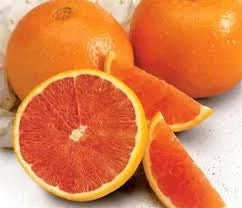
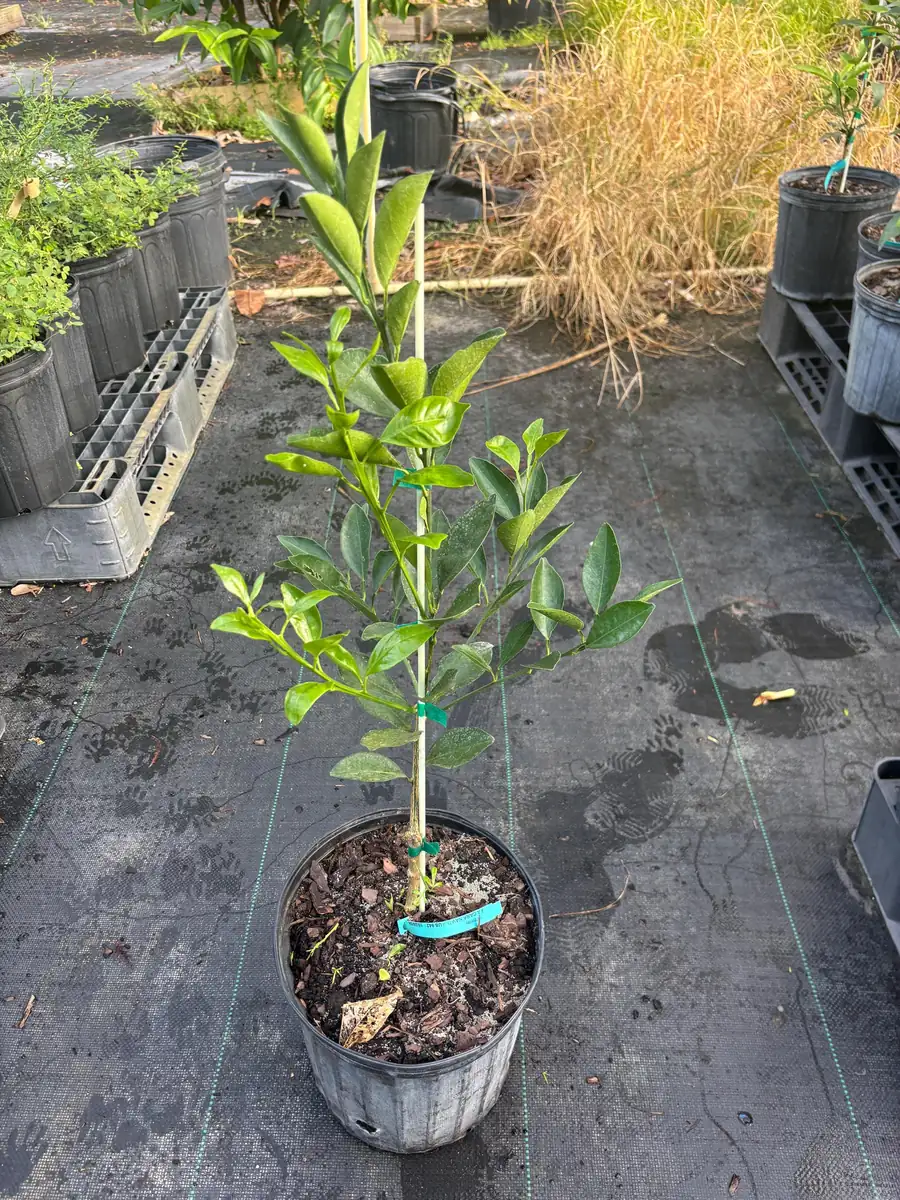
Bring the joy of home-grown citrus to your garden or patio with this beautiful Cara Cara orange tree. This citrus live plant is a grafted specimen, ensuring robust growth and early fruit production. Known botanically as Citrus sinensis ‘Cara Cara’, this unique variety is a type of navel orange, distinguished by its stunning red-pink flesh and exceptionally sweet, low-acid flavor with hints of berry. Originating from Venezuela, the Cara Cara orange is a popular choice for fresh eating, juicing, and culinary creations. Our Cara Cara orange tree is supplied as a healthy, thriving plant, ready to be nurtured into a prolific fruit producer. It’s an excellent addition for both seasoned gardeners and those new to growing citrus, offering both ornamental beauty and delicious, nutritious fruit.
This particular red navel orange tree is a fantastic choice for those looking to add a touch of the exotic to their landscape or container garden. The vibrant green foliage and fragrant white blossoms, followed by the attractive, colorful fruit, make it a year-round delight. Whether you’re interested in the health benefits of fresh oranges or simply want the satisfaction of harvesting your own produce, this Cara Cara orange tree provides an unparalleled experience. It’s a relatively easy-to-care-for fruit tree that can be a focal point in any garden setting.
Key Benefits
Growing your own Cara Cara orange tree offers a multitude of rewards beyond just fresh fruit. This versatile plant brings beauty, fragrance, and delicious produce right to your fingertips:
- Exceptional Flavor Profile: The Cara Cara orange is celebrated for its unique sweet, low-acid taste with subtle notes of raspberry and cranberry. This makes it a favorite for fresh eating and gourmet dishes, offering a more complex flavor than traditional navel oranges.
- Nutrient-Rich Fruit: These oranges are packed with Vitamin C, Vitamin A, and lycopene, an antioxidant responsible for their red color. Enjoying home-grown fruit ensures you get the freshest, most nutrient-dense produce possible.
- Ornamental Value: With its glossy evergreen leaves, fragrant white blossoms, and vibrant orange fruit, the Cara Cara orange tree is a visually appealing plant that enhances any garden, patio, or indoor space where light conditions permit.
- Fragrant Blooms: The tree produces highly aromatic white flowers, typically in spring, which fill the air with a delightful citrus perfume. This adds an extra sensory dimension to your outdoor or indoor environment.
- Versatile Growing: While best suited for warmer climates, this citrus live plant can be grown in containers in cooler regions, allowing you to bring it indoors during winter. This makes growing Cara Cara oranges accessible to a wider range of gardeners.
- Harvesting Satisfaction: There’s immense satisfaction in picking your own perfectly ripe, sweet oranges directly from your tree. It connects you to your food source and provides a constant supply of fresh fruit.
- Relatively Low Maintenance: Once established, the Cara Cara orange tree is generally easy to care for, requiring consistent watering, adequate sunlight, and occasional fertilization to thrive and produce abundant fruit.
Plant Care & Growing Tips
Proper care is essential for a healthy and productive Cara Cara orange tree. These citrus plants thrive with consistent attention to their environmental needs. They prefer a location with ample sunlight; aim for at least 6-8 hours of direct sun daily. In hotter climates, some afternoon shade can prevent leaf scorch. If growing indoors, place your citrus live plant near a south-facing window or supplement with a grow light to ensure it receives enough light. Good air circulation is also important to prevent fungal issues.
Watering is crucial for growing Cara Cara oranges. The soil should be kept consistently moist but never waterlogged. Allow the top inch or two of soil to dry out before watering again. Overwatering can lead to root rot, while underwatering can cause fruit drop and leaf wilting. Use a well-draining potting mix specifically formulated for citrus or a sandy loam soil if planting in the ground. Fertilize your red navel orange tree regularly during the growing season (spring through fall) with a balanced citrus-specific fertilizer, following the product’s instructions. Citrus trees are heavy feeders and require nutrients for healthy growth and fruit production. Protect young trees from frost if temperatures drop below freezing, either by covering them or bringing container plants indoors.
Pruning is generally minimal for a Cara Cara orange tree, focusing on removing dead, damaged, or crossing branches to maintain a good shape and promote air circulation. You can also prune to manage size, especially for container-grown plants. Watch out for common citrus pests like aphids, scale, and spider mites, and treat promptly with appropriate organic or chemical controls. Providing consistent care will ensure your Cara Cara orange tree remains vigorous and produces an abundance of delicious fruit for years to come. Understanding Cara Cara orange plant care is key to success.
Size & Details
This Cara Cara orange tree is a vibrant live plant, supplied in a 3-gallon nursery pot. At the time of shipping, the tree typically stands between 2-3 feet tall from the base of the pot. As a grafted plant, it is designed for earlier fruit production compared to trees grown from seed. Cara Cara orange trees have a moderate growth rate, and if planted in the ground in suitable climates, they can eventually reach heights of 10-15 feet, with a similar spread. When grown in containers, their size can be managed through pruning, making them ideal for patios or smaller spaces. The fruit typically matures in late winter to early spring, offering a delightful harvest when other fruits are scarce. Expect your tree to establish well and begin producing fruit within a few years under optimal conditions, rewarding your efforts in growing Cara Cara oranges.
Frequently Asked Questions
- Q: How big does this Cara Cara orange tree get? A: This particular Cara Cara orange tree is shipped at 2-3 feet tall in a 3-gallon pot. In the ground, it can grow up to 10-15 feet tall, but its size can be managed through pruning, especially when grown in containers.
- Q: Is this an indoor or outdoor plant? A: The Cara Cara orange tree can be grown outdoors in USDA Zones 9-11. In cooler climates, it’s best grown in a container so it can be moved indoors during colder months.
- Q: How much sunlight does my Cara Cara orange tree need? A: This citrus live plant requires at least 6-8 hours of direct sunlight per day to thrive and produce fruit. If growing indoors, a south-facing window or supplemental grow light is recommended.
- Q: Is this plant easy to care for? A: Yes, with consistent attention to watering, sunlight, and fertilization, the Cara Cara orange tree is considered relatively easy to care for, making it suitable for gardeners of varying experience levels.
- Q: What condition will the Cara Cara orange tree arrive in? A: Your red navel orange tree will be shipped as a healthy, live plant in its nursery pot with soil, carefully packaged to ensure its safe arrival.
- Q: How long until it starts producing fruit? A: As a grafted tree, your Cara Cara orange tree can start producing fruit within 2-3 years, and sometimes even sooner, under ideal growing conditions and proper Cara Cara orange plant care.
- Q: What kind of soil is best for growing Cara Cara oranges? A: A well-draining, slightly acidic soil mix is ideal. For container growing, use a high-quality potting mix formulated for citrus plants.
- Q: Can I keep this tree on my patio? A: Absolutely! The Cara Cara orange tree is an excellent choice for patio growing in a large container, allowing you to enjoy its beauty and fruit even in climates where it needs winter protection.
- Q: What’s the best time to plant a Cara Cara orange tree? A: Spring is generally the best time to plant to allow the tree to establish itself before the heat of summer or the cold of winter.
- Q: What are the main differences between a Cara Cara and a regular navel orange? A: The primary differences are the Cara Cara’s distinctive red-pink flesh, its sweeter, less acidic flavor with berry notes, and its higher nutritional content, including lycopene and Vitamin A.


Reviews
There are no reviews yet.