Overview
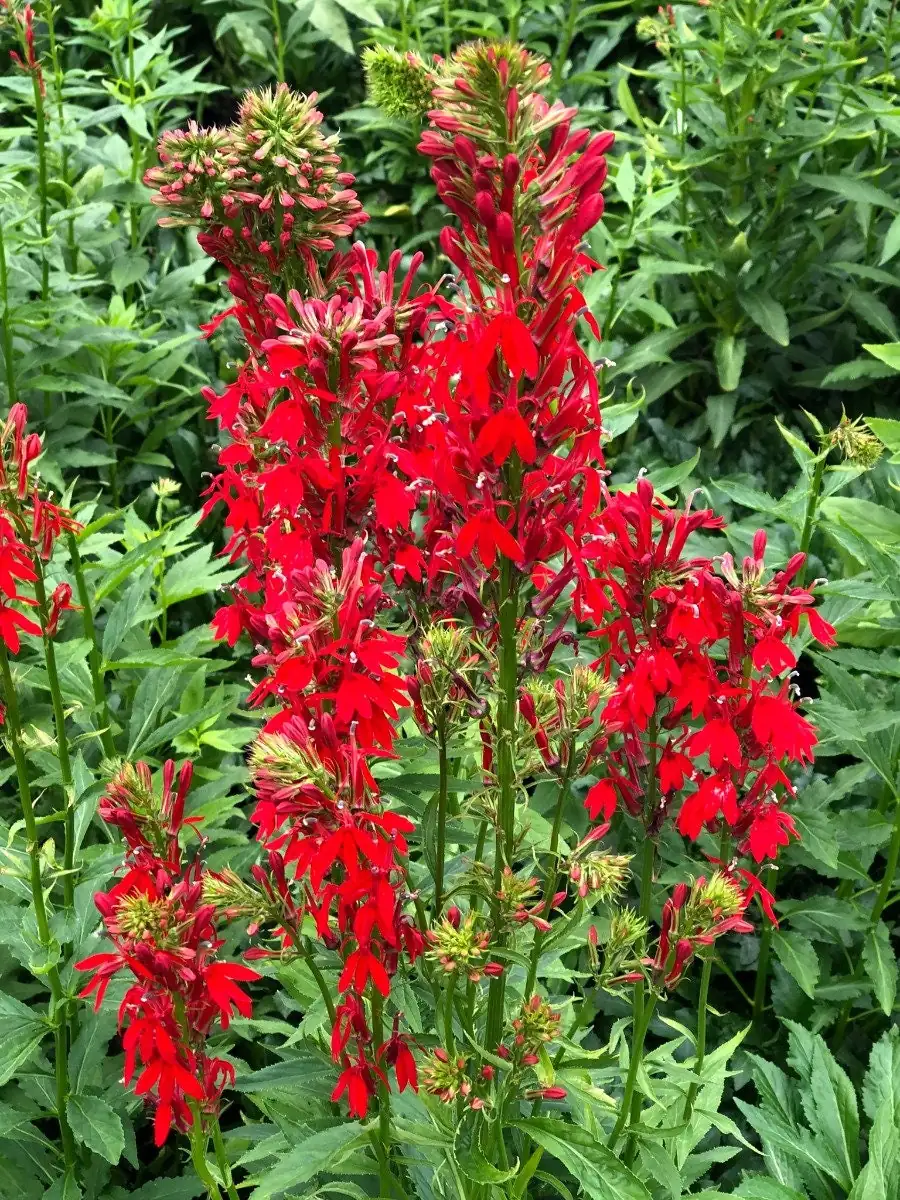
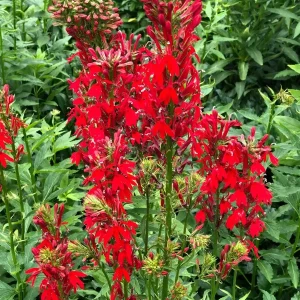
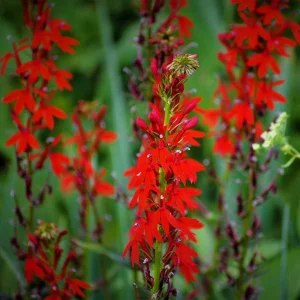
Introduce a breathtaking splash of vibrant color to your garden with the Lobelia Cardinalis bare root plant. Also widely known as the cardinal flower plant, this herbaceous perennial is celebrated for its striking spires of brilliant red blooms. These showy flowers, held proudly on upright stems that can reach an impressive four to six feet tall, create an unforgettable display. Each flower spike can account for up to two feet of the plant’s height, densely covered with bright red, velvety florets. The Lobelia Cardinalis bare root is a fantastic choice for gardeners looking to establish a robust and visually impactful perennial that returns year after year.
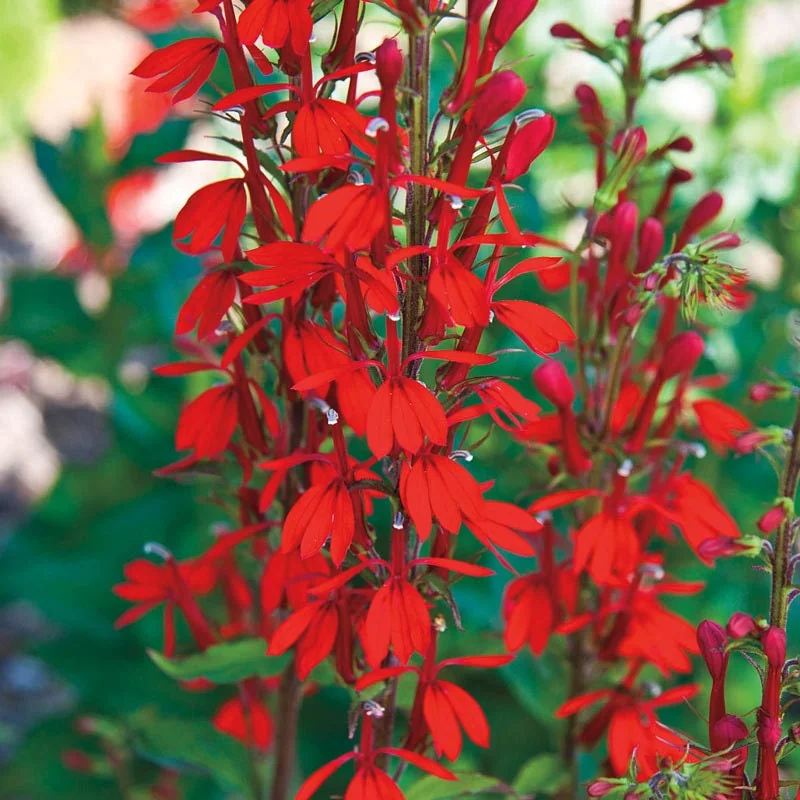
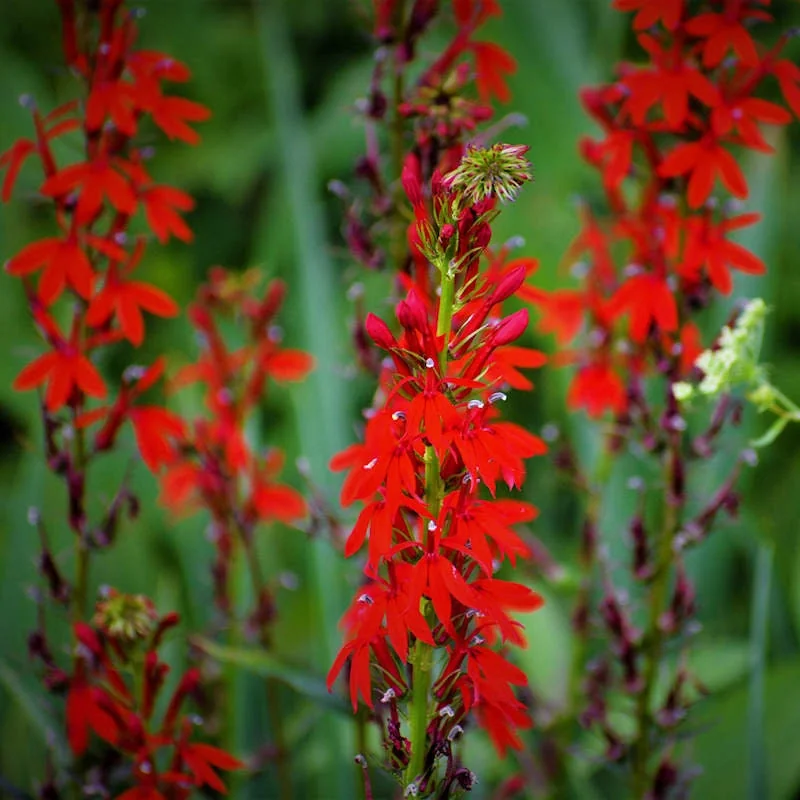
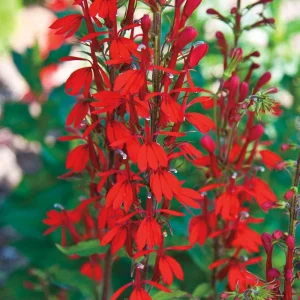
The intricate beauty of the cardinal flower is evident upon closer inspection of its one- to three-inch florets. Each boasts five petals – three on the bottom forming a three-lobed lip, and two on top. All five petals converge at their base, fused into a tube. While not particularly fragrant, these captivating blooms are a magnet for pollinators, especially hummingbirds, relying on their intense color rather than scent to attract visitors. This makes the cardinal flower plant an excellent addition to any pollinator garden or wildlife-friendly landscape.
The floral show of the red cardinal flower is a prolonged affair, lasting typically four to six weeks as florets open progressively from the bottom to the top of the spike. After this spectacular blooming period, small fruits containing tiny seeds will form. Beyond its flowers, the plant features alternate, lance-shaped leaves up to eight inches long, with serrated margins. The bulk of the plant’s foliage forms a basal rosette near the ground, which often remains evergreen through the winter, providing year-round interest. These resilient wildflowers grow from a taproot and form clumps, typically with unbranched stems.
Key Benefits
The Lobelia Cardinalis bare root offers numerous advantages, making it a highly desirable plant for various garden settings. Its unique characteristics contribute significantly to both aesthetic appeal and ecological value.
- Spectacular Red Blooms: The most striking feature of the cardinal flower plant is its vivid, fiery red flowers that stand out dramatically in any garden. These showy spikes provide a focal point and add intense color for several weeks in late summer to early fall.
- Pollinator Magnet: Known for its ability to attract hummingbirds, butterflies, and other beneficial pollinators, the red cardinal flower is essential for supporting local ecosystems. Its vibrant hue acts as a beacon for these garden friends, making your garden a lively habitat.
- Vertical Interest: With heights reaching up to six feet, this plant provides excellent vertical structure and texture to garden beds, borders, and naturalized areas. It can act as a stunning backdrop for shorter plants or a striking specimen on its own.
- Low Maintenance Perennial: Once established, the Lobelia Cardinalis bare root requires minimal care, making it a great choice for both experienced and novice gardeners. It’s a short-lived perennial but often self-seeds or spreads to maintain its presence in the garden.
- Adaptable to Wet Conditions: Unlike many plants, cardinal flower thrives in moist to wet soils, making it perfect for rain gardens, boggy areas, or alongside ponds and streams where other plants might struggle.
- Evergreen Basal Foliage: The basal rosette of leaves often remains evergreen through winter, providing continuous greenery and interest even when the plant is not in bloom.
- Naturalizes Easily: This plant readily naturalizes in suitable conditions, spreading to form attractive clumps and creating a more natural, wild garden aesthetic over time.
Plant Care & Growing Tips
To ensure your Lobelia Cardinalis bare root thrives and produces its magnificent red blooms, understanding its specific care requirements is key. This perennial prefers consistently moist conditions and a good amount of sunlight to truly flourish. Proper site selection and ongoing maintenance will lead to a spectacular display year after year.
For optimal growth, the cardinal flower plant requires full sun to partial shade. In hotter climates, some afternoon shade can protect the foliage from scorching. Aim for at least 6 hours of direct sunlight daily for the best flowering. The most critical factor for Lobelia Cardinalis care is consistent moisture. These plants naturally occur in wetlands and along stream banks, so they do not tolerate dry soil. Water regularly, especially during dry spells, to keep the soil evenly moist. Mulching around the base of the plant can help retain soil moisture and keep roots cool.
The ideal soil for the red cardinal flower is rich, fertile, and consistently moist, with a slightly acidic to neutral pH. It tolerates heavy clay soils as long as they remain wet. Amend poor soils with compost or other organic matter to improve fertility and water retention. While the plant can tolerate a range of temperatures, it is generally hardy in USDA Zones 3-9. In colder zones, a layer of winter mulch can help protect the basal rosette. Fertilize in spring with a balanced slow-release fertilizer or a liquid feed every few weeks during the growing season to support its vigorous growth and abundant flowering. Deadheading spent flower spikes can encourage a tidier appearance, though allowing some to go to seed can facilitate self-seeding for new plants.
Size & Details
This offering is for a Lobelia Cardinalis bare root plant, ready for planting upon arrival. When mature, the cardinal flower plant will typically reach an impressive height of 4 to 6 feet, with a spread of 1 to 2 feet, forming attractive clumps. Its strong, unbranched stems support the dramatic flower spikes. The showy spikes themselves can account for up to two feet of the plant’s total height, making a significant visual impact. The lance-shaped leaves can grow up to eight inches long, contributing to the plant’s robust appearance.
The red cardinal flower is a relatively fast-growing perennial, quickly establishing itself once planted. Bare root plants are an economical and efficient way to introduce this stunning species to your garden. Plant in spring or fall for best results. Expect flowering to begin in late summer and continue into early fall, providing a crucial nectar source later in the season. The plant’s basal rosette will remain evergreen through mild winters, offering some year-round appeal.
Frequently Asked Questions
- Q: How big does the cardinal flower plant get? A: The cardinal flower plant typically grows to a height of 4 to 6 feet, with flower spikes contributing significantly to its overall stature. It usually forms clumps about 1 to 2 feet wide.
- Q: Is this an indoor or outdoor plant? A: The Lobelia Cardinalis bare root is primarily an outdoor plant, thriving in garden beds, borders, and naturalized areas. It is not suitable for indoor cultivation due to its size and specific light and moisture requirements.
- Q: How much sunlight does it need? A: For best flowering and growth, the red cardinal flower prefers full sun (at least 6 hours direct sunlight) to partial shade. In regions with intense afternoon sun, some protection during the hottest part of the day can be beneficial.
- Q: Is this plant easy to care for? A: Yes, once established, Lobelia Cardinalis care is relatively easy. Its primary requirement is consistently moist to wet soil. As a perennial bare root plant, it will return each year with minimal fuss.
- Q: What condition will the Lobelia Cardinalis bare root arrive in? A: Your Lobelia Cardinalis bare root will arrive dormant and carefully packaged, ready for immediate planting. Bare roots are a cost-effective way to get plants established quickly in your garden.
- Q: How long until it blooms? A: When planted in spring, a cardinal flower plant from a bare root can often bloom in its first year, typically in late summer to early fall, providing vivid color when many other plants are fading.
- Q: Will it survive winter in my zone? A: The red cardinal flower is hardy in USDA Zones 3-9. In colder zones, applying a layer of mulch can help protect the plant’s basal rosette and roots, ensuring its survival through winter.
- Q: What type of soil does Lobelia Cardinalis care best in? A: This plant thrives in rich, fertile, and consistently moist soil. It tolerates clay soils well, especially if they are amended with organic matter to improve fertility and water retention.
- Q: Does Lobelia Cardinalis bare root attract hummingbirds? A: Absolutely! The vibrant red color and tubular shape of the cardinal flower plant make it an irresistible magnet for hummingbirds, making it a fantastic addition to any wildlife garden.
- Q: Can I grow this plant near a pond or stream? A: Yes, the red cardinal flower naturally thrives in moist to wet conditions, making it an excellent choice for planting near ponds, streams, or in boggy garden areas where other plants might struggle.


Reviews
There are no reviews yet.