Overview
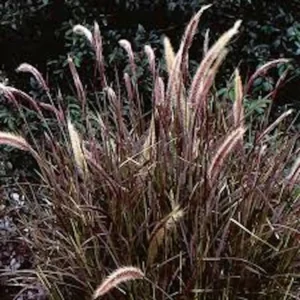
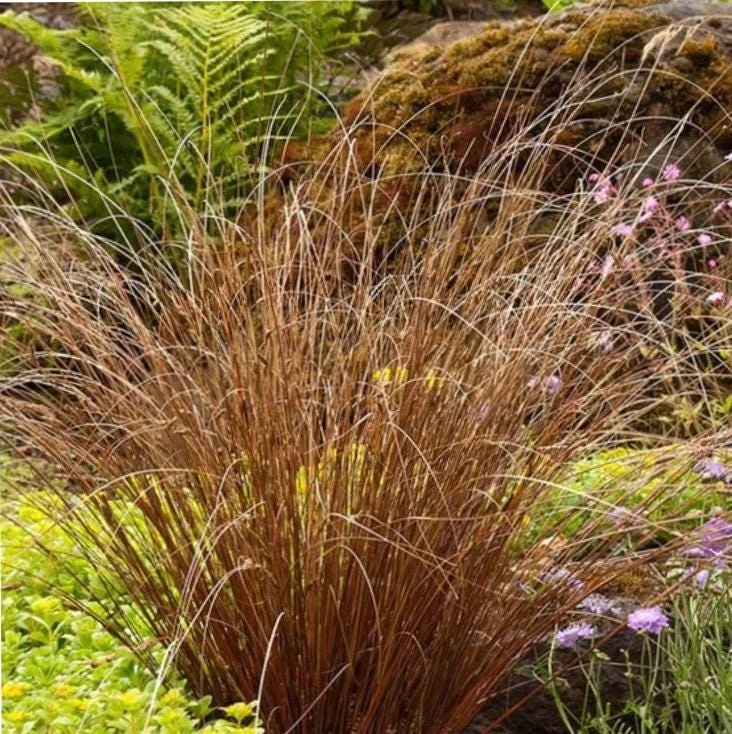
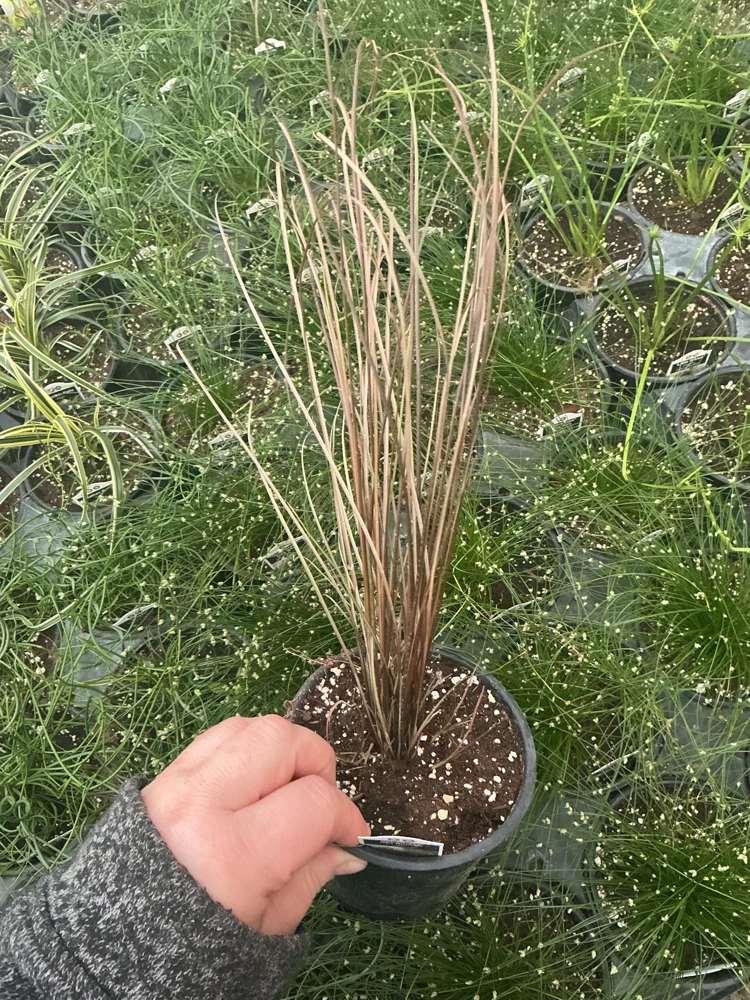
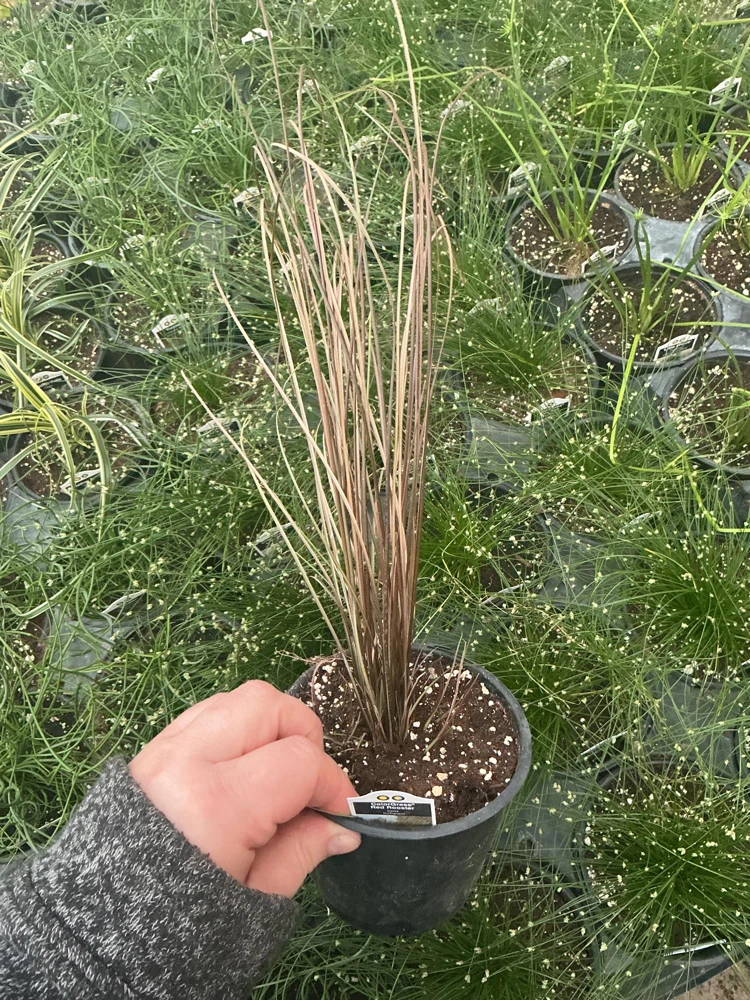
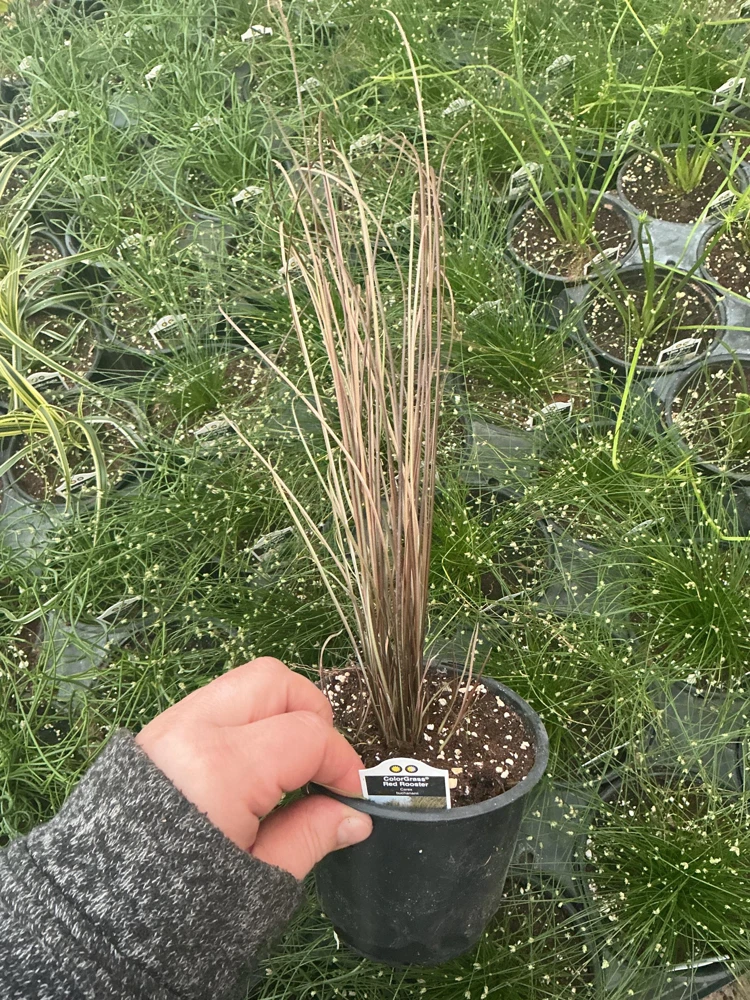
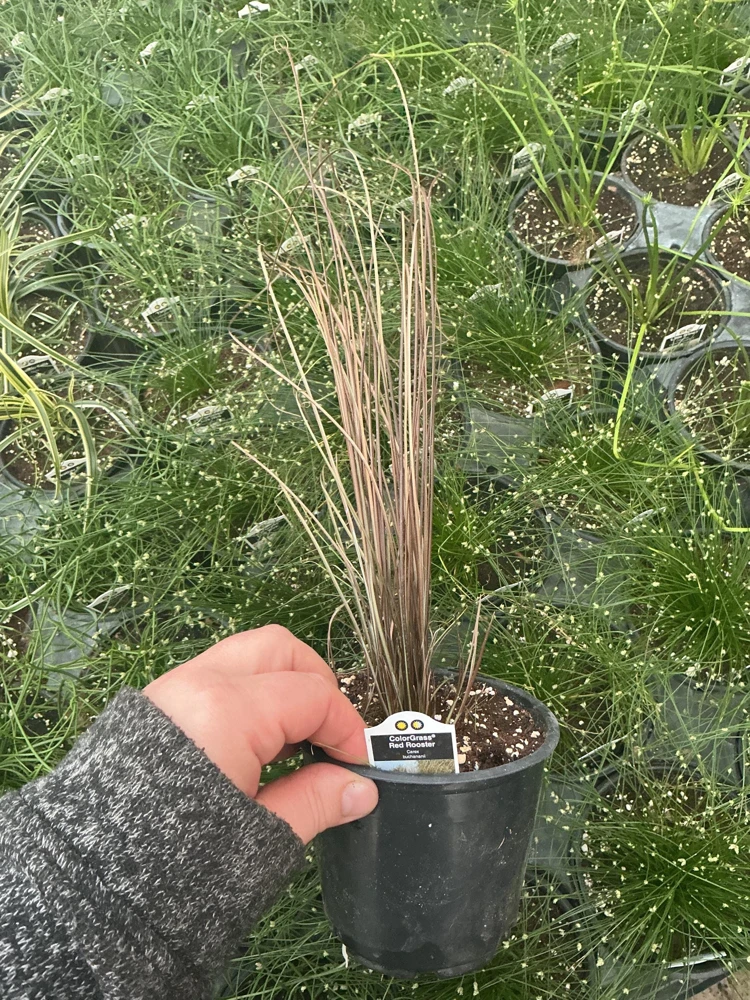
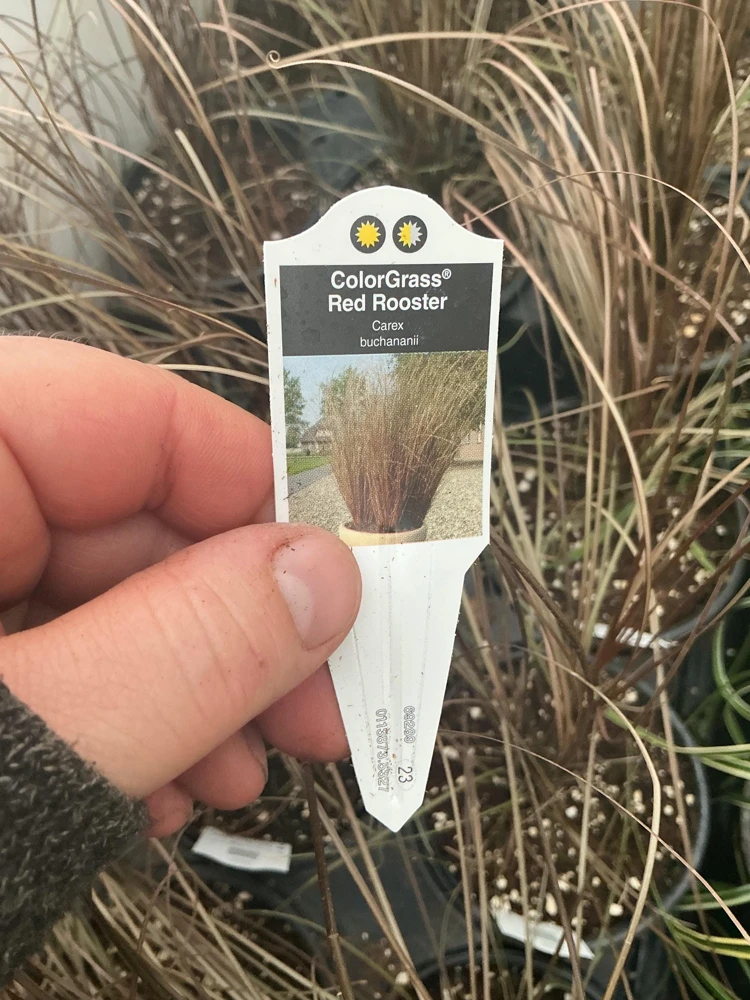
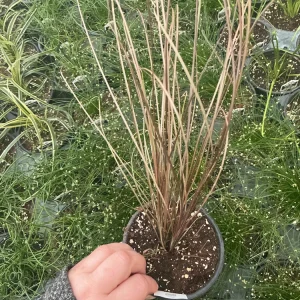
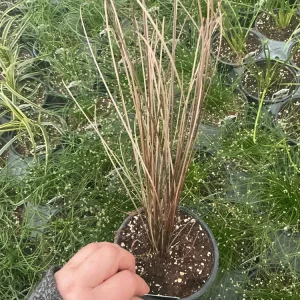
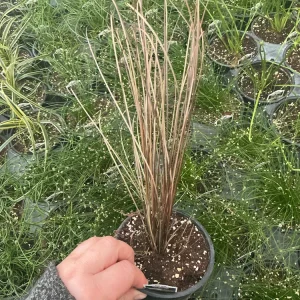
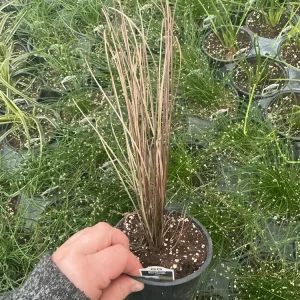
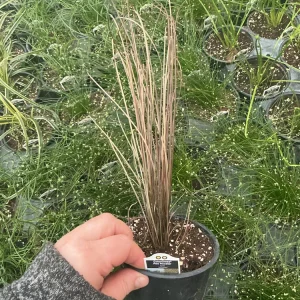
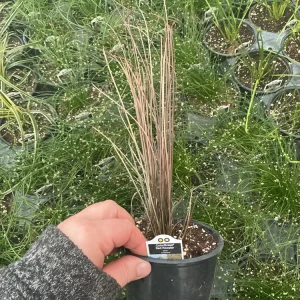
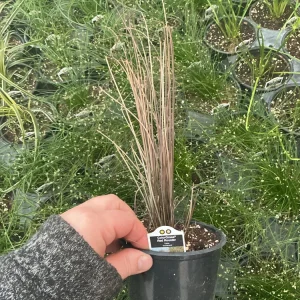
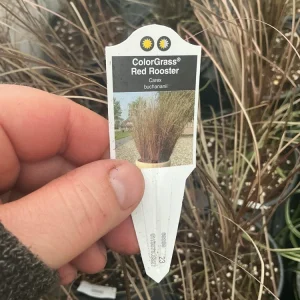
Transform your garden with the captivating beauty of the Carex Colorgrass Red Rooster, a truly distinctive ornamental grass live plant. This vibrant sedge is celebrated for its unique reddish-bronze foliage that cascades elegantly, resembling a rooster’s comb—hence its charming common name. Originating from New Zealand, Carex flagellifera ‘Red Rooster’ is a versatile and eye-catching addition to any landscape, providing continuous color and texture throughout the seasons. Whether you’re looking to create dynamic borders, add a focal point to containers, or establish groundcover with a difference, this plant delivers. It arrives as a well-established live plant, ready to thrive and bring an immediate impact to your outdoor spaces. Its fine-textured leaves create a soft, flowing effect, contrasting beautifully with broader-leaved plants and adding architectural interest to garden designs. The rich color deepens in cooler temperatures, ensuring visual appeal even as other plants fade.
The Carex Colorgrass Red Rooster is not just about its stunning looks; it’s also a remarkably resilient and low-maintenance plant. It adapts well to various growing conditions, making it an excellent choice for both experienced gardeners and those just starting out. Its ability to maintain its striking color year-round in many climates makes it a valuable asset for consistent landscape design. This particular variety of ornamental grass is known for its graceful arching habit, forming neat clumps that enhance garden aesthetics without becoming invasive. It’s ideal for adding depth and movement to perennial beds, rock gardens, or along pathways where its unique form can be fully appreciated. Embrace the opportunity to introduce this elegant and durable plant into your garden for a touch of refined wildness.
Key Benefits
The Carex Colorgrass Red Rooster offers a multitude of advantages that make it a standout choice for any garden. Its unique aesthetic qualities coupled with its robust nature ensure it will be a cherished part of your landscape for years to come. This ornamental grass live plant is truly a versatile performer.
- Exceptional Year-Round Color: The most striking feature of the Carex Colorgrass Red Rooster is its vibrant reddish-bronze foliage that maintains its rich hue throughout the year, providing continuous visual interest even in winter when many other plants are dormant. This consistent color adds warmth and depth to the garden.
- Unique Texture and Form: Its fine, wiry leaves create a soft, flowing texture that adds dynamic movement and contrast to the garden. The plant grows in elegant, arching clumps, offering a distinctive architectural element to borders, containers, and mass plantings.
- Low Maintenance and Easy Care: This ornamental grass is remarkably easy to grow and requires minimal attention once established. It’s drought-tolerant and generally pest and disease-resistant, making it perfect for busy gardeners or those seeking a fuss-free landscape solution.
- Versatile Landscape Use: Whether you’re designing a contemporary garden, a naturalistic landscape, or adding to a mixed perennial border, the Carex Colorgrass Red Rooster fits seamlessly. It excels as a specimen plant, in groupings, as groundcover, or in decorative pots.
- Drought Tolerance: Once established, this carex plant care is minimal as it can withstand periods of drought, making it an excellent choice for water-wise gardens and xeriscaping, contributing to sustainable gardening practices.
- Deer Resistant: Gardeners often struggle with deer browsing, but this decorative grass outdoor plant is typically ignored by deer, ensuring its beauty remains untouched in areas where deer are a concern.
- Adds Movement and Sound: The delicate foliage sways gently in the breeze, creating subtle movement and a soft rustling sound, bringing an element of sensory delight to your outdoor space.
Plant Care & Growing Tips
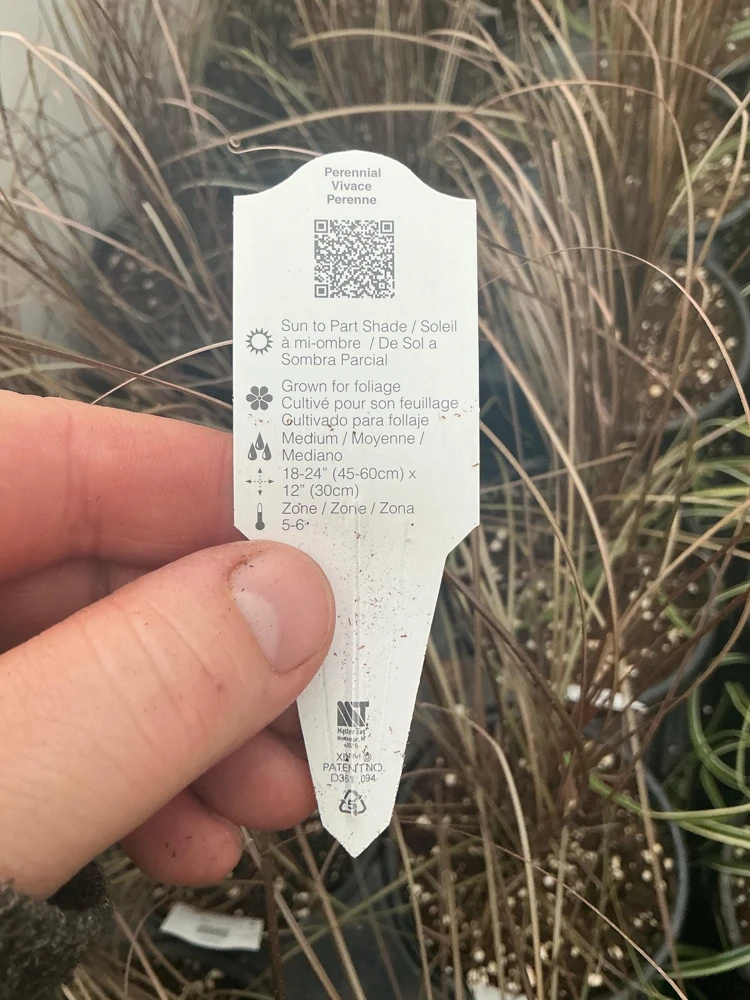
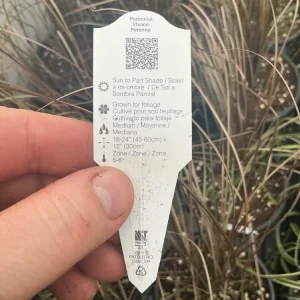
Ensuring your Carex Colorgrass Red Rooster thrives is straightforward, thanks to its adaptable nature. This ornamental grass live plant prefers a location that receives full sun to partial shade. In hotter climates, some afternoon shade can help protect the foliage from scorching and maintain its vibrant color. Aim for at least 4-6 hours of direct sunlight daily for optimal growth and the richest reddish tones. While it tolerates a range of soil types, well-draining soil is crucial to prevent root rot. Amend heavy clay soils with organic matter like compost to improve drainage and aeration. For sandy soils, adding compost will help retain moisture and nutrients. The ideal pH for this plant is slightly acidic to neutral.
When it comes to watering, the Carex Colorgrass Red Rooster prefers consistently moist soil, especially during its establishment period. Water deeply and regularly after planting until the plant is well-rooted. Once established, it becomes quite drought-tolerant, but will perform best with occasional watering during prolonged dry spells. Avoid overwatering, as soggy conditions can be detrimental. Fertilization is generally not required for this low-maintenance plant, particularly if planted in rich, organic soil. If your soil is poor, a light application of a balanced, slow-release granular fertilizer in early spring can be beneficial. Pruning is minimal; simply remove any dead or damaged foliage in late winter or early spring before new growth emerges to keep the plant looking tidy. This red rooster sedge is generally hardy and resilient, making care relatively simple.
Protecting your Carex Colorgrass Red Rooster during extreme weather is important, especially in the colder limits of its hardiness zone. While generally robust, a layer of mulch around the base in late fall can provide insulation for the roots against harsh winter freezes. This also helps to conserve soil moisture and suppress weeds throughout the year. Watch out for signs of stress such as browning tips, which might indicate too much sun, too little water, or poor drainage. Adjust conditions accordingly. This decorative grass outdoor specimen is a resilient choice, but like all plants, it benefits from attentive observation and basic care to ensure its continued health and vibrant display. Understanding the specific needs of your carex plant care routine will lead to a thriving, beautiful specimen in your garden.
Size & Details
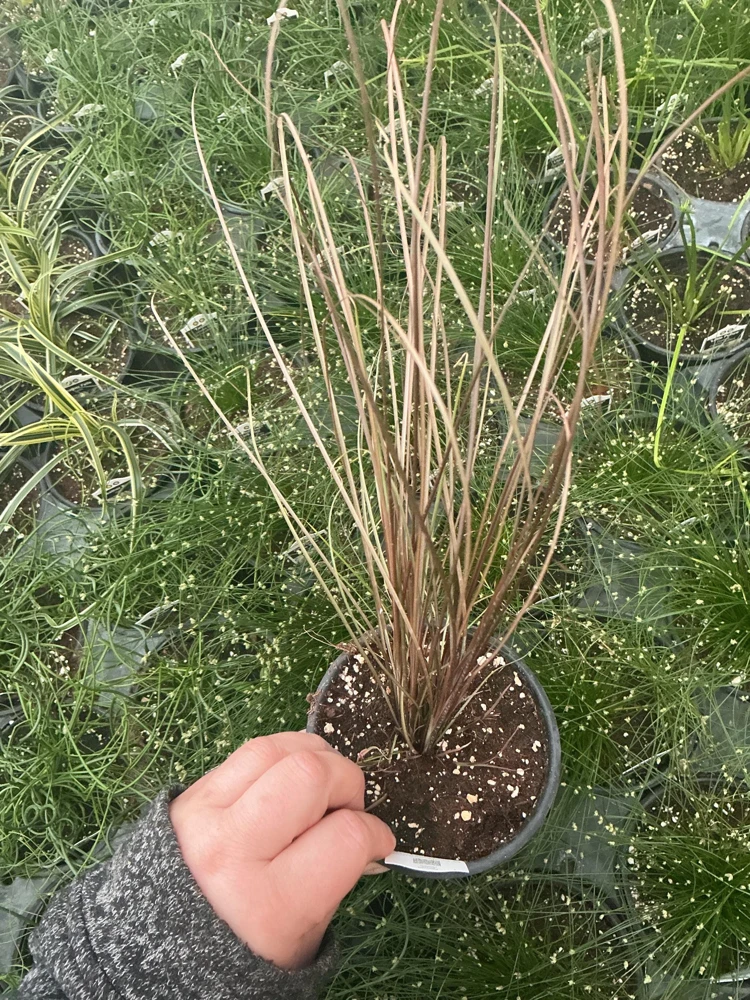
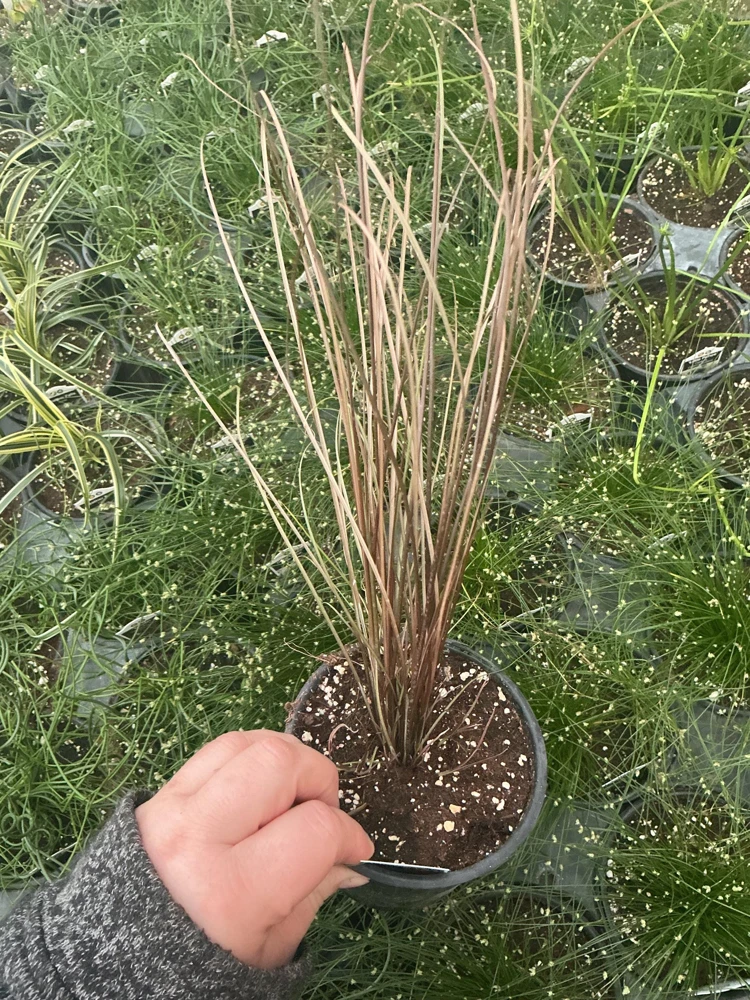
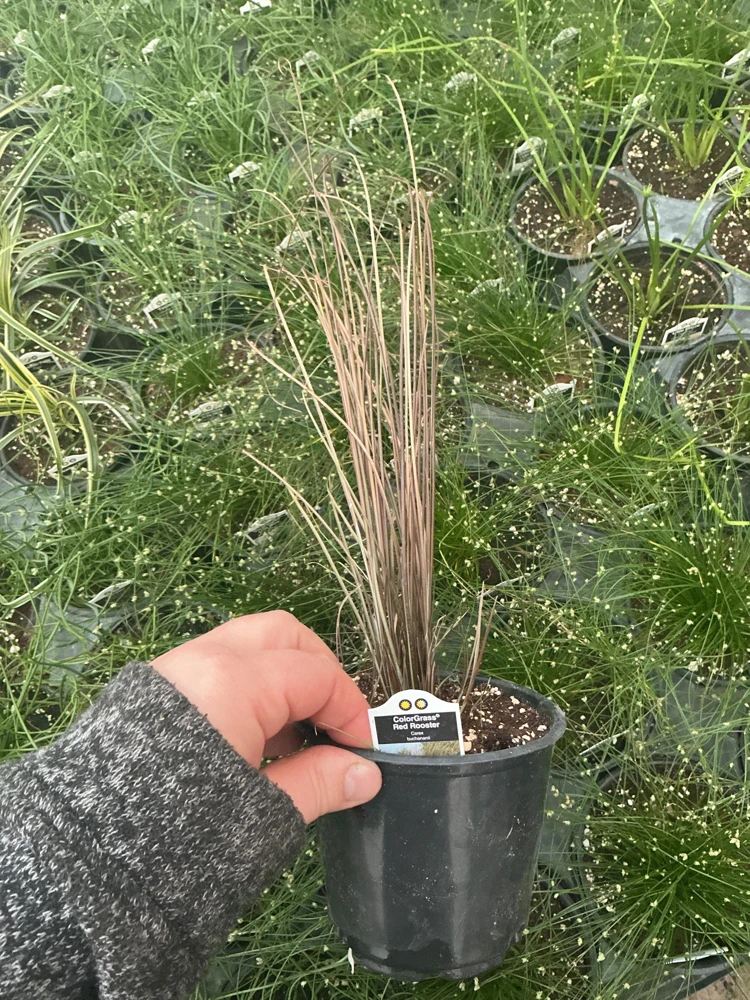
You will receive one healthy Carex Colorgrass Red Rooster live plant, well-established and actively growing in a 4.5-inch plastic nursery pot. This size provides a robust root system ready for transplanting into your garden or a larger decorative container. At maturity, this ornamental grass typically grows to a height of 12 to 18 inches and spreads about 18 to 24 inches wide, forming attractive, dense clumps. Its moderate growth rate means it will establish itself well within the first growing season, quickly adding its unique texture and color to your landscape design. The plant’s arching habit creates a soft, mounding form that adds grace to any setting.
The plant is shipped fresh from the greenhouse, ensuring it arrives in optimal condition, ready for its new home. Its fine, wiry leaves are a distinctive reddish-bronze, providing year-round visual interest. This red rooster sedge is suitable for a variety of garden applications, from mass plantings and borders to container gardening and rock gardens. Expect it to begin showcasing its full color potential shortly after planting, with its hues intensifying in cooler weather. This robust plant offers long-lasting beauty with minimal effort, making it a rewarding addition to any outdoor space.
Frequently Asked Questions
- Q: How big does this plant get? A: The Carex Colorgrass Red Rooster typically grows to a mature height of 12 to 18 inches (30-45 cm) and spreads about 18 to 24 inches (45-60 cm) wide, forming a beautiful, arching mound. It maintains a compact yet flowing appearance.
- Q: What size pot does it come in? A: Each ornamental grass live plant is shipped in a 4.5-inch plastic nursery pot, ensuring it has a well-developed root system ready for successful transplanting into your garden or a larger container.
- Q: Is this an indoor or outdoor plant? A: This is primarily an outdoor ornamental grass, ideal for garden beds, borders, rock gardens, and container plantings on patios or decks. While some carex varieties can be temporarily brought indoors, the Carex Colorgrass Red Rooster thrives best in outdoor conditions.
- Q: How much sunlight does it need? A: The Carex Colorgrass Red Rooster performs best in full sun to partial shade. For the most vibrant reddish-bronze coloration, aim for at least 4-6 hours of direct sunlight daily. In very hot climates, some afternoon shade is beneficial.
- Q: Is this plant easy to care for? Is it good for beginners? A: Yes, this plant is considered very easy to care for and is an excellent choice for beginners. It’s drought-tolerant once established and requires minimal maintenance, making carex plant care straightforward.
- Q: What condition will it arrive in? Is it shipped in soil? A: Your decorative grass outdoor plant will arrive as a live, well-established plant, actively growing in its 4.5-inch nursery pot with soil, carefully packaged to ensure its safe journey from our greenhouse to your home.
- Q: Will it survive winter in my zone? What’s the minimum temperature? A: The Carex Colorgrass Red Rooster is typically hardy in USDA Zones 7-10. It can tolerate temperatures down to about 0-10°F (-18 to -12°C). In colder zones, it can be grown as an annual or brought indoors for winter.
- Q: When is the best time to plant this ornamental grass? A: The best time to plant your Carex Colorgrass Red Rooster is in spring or early fall when temperatures are moderate. This allows the plant to establish its root system before extreme heat or cold.
- Q: Is this plant deer resistant? A: Yes, deer generally tend to avoid this ornamental grass, making it a good choice for gardens in areas with deer populations. Its texture and taste are not appealing to them.
- Q: What kind of soil does it prefer? A: This plant thrives in well-draining soil. It can tolerate various soil types, but heavy clay should be amended with organic matter to improve drainage, while sandy soils will benefit from compost to retain moisture.


Reviews
There are no reviews yet.