Overview
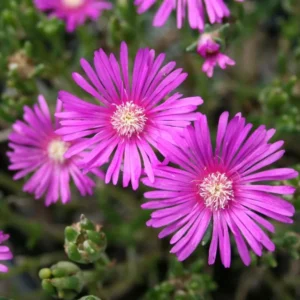
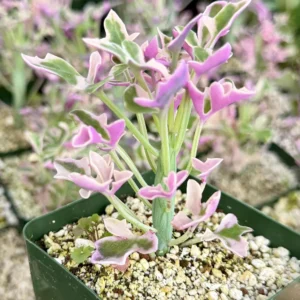
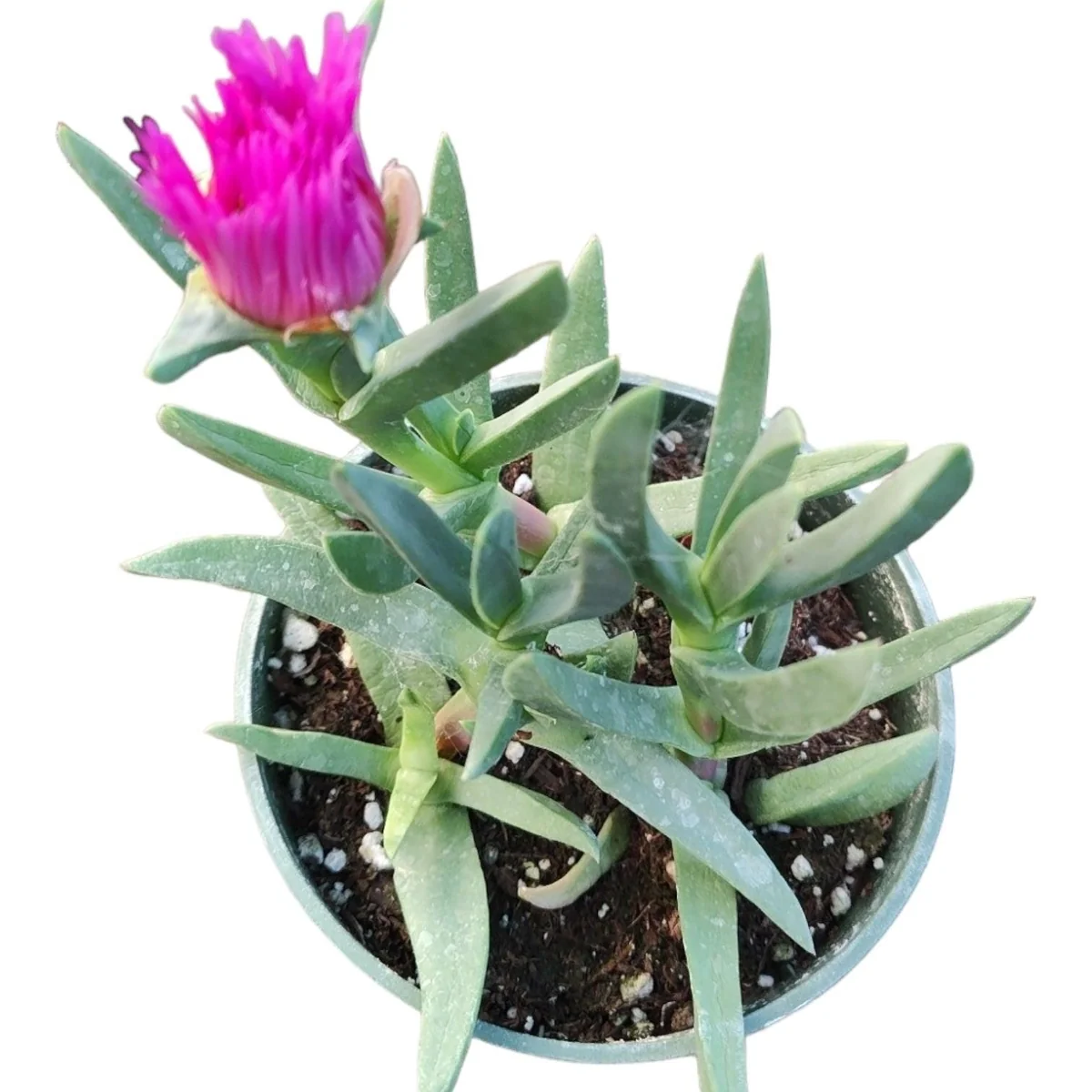
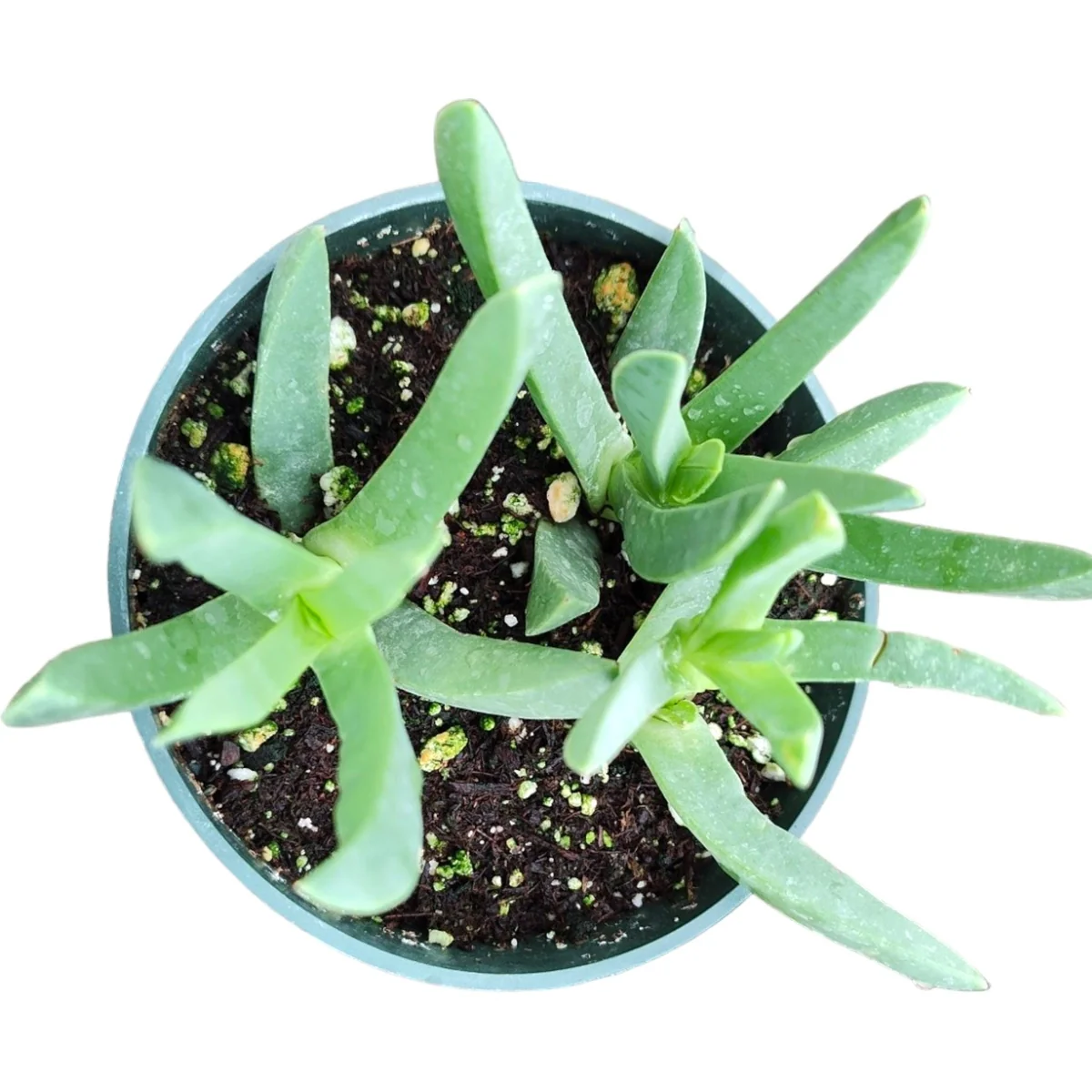
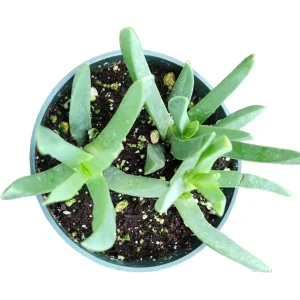
The Carpobrotus edulis Hottentot Fig Ice Plant is a remarkable and resilient succulent known for its vibrant, sprawling growth and striking, often yellow or pink, daisy-like flowers. This particular variety, commonly referred to as Hottentot Fig Ice Plant, is celebrated for its ability to thrive in challenging conditions, making it an excellent choice for gardeners seeking a low-maintenance yet visually appealing plant. As a live plant, it offers instant impact to any landscape, providing a lush, mat-forming groundcover that can suppress weeds and stabilize soil. Originating from South Africa, this succulent has adapted to survive in arid environments, storing water in its thick, fleshy leaves. Its robust nature and attractive appearance make the Ice Plant succulent a popular choice for xeriscaping, coastal gardens, and sunny, dry areas where other plants might struggle.
This species is not only beautiful but also incredibly hardy, reproducing easily and forming dense carpets of foliage. Its common name, ‘Ice Plant’, refers to the shimmering, almost crystalline appearance of its leaves, which can look as if they are covered in tiny ice crystals. The Carpobrotus edulis Hottentot Fig Ice Plant is a versatile addition to any garden, whether you’re looking to fill a large space with vibrant greenery or add a unique texture to a container arrangement. Its ability to tolerate various soil types and its minimal water requirements make it an ideal plant for both experienced and novice gardeners.
Key Benefits
The Carpobrotus edulis Hottentot Fig Ice Plant offers a multitude of benefits, making it an outstanding choice for diverse garden settings. Its inherent resilience and striking beauty contribute to a thriving and attractive outdoor space. This drought-tolerant succulent is a true performer.
- Exceptional Drought Tolerance: This plant is incredibly efficient at conserving water, requiring minimal irrigation once established. This makes the Hottentot Fig care regimen very low-effort and ideal for water-wise gardens and regions with limited rainfall.
- Vibrant Groundcover: The Ice Plant succulent quickly forms a dense, attractive mat, effectively covering large areas. This not only enhances aesthetic appeal but also helps to suppress weed growth, reducing the need for manual weeding.
- Erosion Control: Its extensive root system helps to stabilize soil, making it an excellent choice for slopes, embankments, and other areas prone to erosion. The robust growth of the Carpobrotus edulis Hottentot Fig Ice Plant provides reliable soil retention.
- Stunning Floral Display: During its blooming season, typically spring through summer, the plant produces abundant, bright yellow or pink, daisy-like flowers that add a splash of vibrant color to the landscape, attracting pollinators like bees.
- Low Maintenance: Once established, this succulent requires very little attention. It’s largely pest and disease resistant and doesn’t need frequent feeding, making succulent plant for sun an easy-care option for busy gardeners.
- Versatile Landscaping Use: Perfect for rock gardens, coastal areas, xeriscapes, containers, or simply as a robust groundcover in sunny borders. Its adaptability allows it to fit into various garden designs.
Plant Care & Growing Tips
Caring for your Carpobrotus edulis Hottentot Fig Ice Plant is relatively straightforward, thanks to its hardy nature. This succulent plant for sun thrives on neglect more than over-attention. The primary key to successful Hottentot Fig care is understanding its preference for arid conditions and ample sunlight. It naturally grows in sunny areas, so providing sufficient light is crucial for its health and vigorous growth. A south-facing location outdoors is highly recommended to ensure it receives several hours of direct sunlight daily.
When it comes to watering, less is often more for this drought-tolerant succulent. Allow the soil to dry out completely between waterings to prevent root rot, which is a common issue for succulents in overly damp conditions. During its active growing season (spring and summer), water thoroughly but infrequently. In winter, reduce watering significantly, or cease altogether if the plant is dormant or in an area receiving natural rainfall. For optimal growth, plant your Ice Plant succulent in porous, well-draining soil. A sandy or gritty soil mix, typical for cacti and succulents, is ideal. You can amend regular potting soil with pumice, perlite, or coarse sand to improve drainage and aeration. This ensures that water does not sit around the roots, mimicking its native habitat.
The Carpobrotus edulis Hottentot Fig Ice Plant is quite tolerant of various soil conditions but prefers a slightly acidic to neutral pH. It generally does not require heavy fertilization; a light feeding with a balanced, slow-release succulent fertilizer once in spring can encourage more vigorous growth and blooming. Protect your plant from freezing temperatures, especially if you live in an area where temperatures drop below 40 degrees Fahrenheit for extended periods. While resilient, prolonged cold can damage the plant. Propagation is easy from stem cuttings, which readily root when placed in well-draining soil.
Size & Details
The Carpobrotus edulis Hottentot Fig Ice Plant is typically provided as a live plant, often shipped bare root to ensure healthy transit and reduce shipping stress. This method encourages the plant to establish quickly in its new environment. These plants are known for their rapid and sprawling growth habit, often spreading several feet wide to form a dense groundcover. Individual plants can reach a height of 6 to 12 inches, with stems that trail along the ground and root as they go. Expect a moderate to fast growth rate, allowing it to quickly fill in desired areas. The exact size of the plant you receive may vary slightly, but it will be a healthy, established specimen ready for planting. This succulent plant for sun is ideal for covering large areas or adding a unique texture to smaller spaces.
Frequently Asked Questions
- Q: How big does the Carpobrotus edulis Hottentot Fig Ice Plant get? A: This plant is a vigorous groundcover that can spread several feet wide, forming a dense mat. It typically reaches a height of 6 to 12 inches, with trailing stems.
- Q: Is this an indoor or outdoor plant? A: While it can be grown in containers indoors in very bright conditions, the Carpobrotus edulis Hottentot Fig Ice Plant thrives best outdoors in full sun, making it ideal for garden beds, rockeries, and coastal landscapes.
- Q: How much sunlight does the Hottentot Fig Ice Plant need? A: This succulent requires ample direct sunlight to thrive, ideally at least 6 hours per day. A south-facing location is recommended for optimal growth and flowering.
- Q: Is this plant easy to care for? A: Yes, Hottentot Fig care is considered very easy. It is a very low-maintenance and drought-tolerant succulent, perfect for beginners or gardeners seeking resilient plants.
- Q: What condition will it arrive in? A: Most plants are shipped bare root to ensure their health during transit. You will receive a very similar plant to the one shown in photos, ready for planting.
- Q: What kind of soil does this Ice Plant succulent prefer? A: It prefers porous, well-draining soil. A sandy or gritty cactus/succulent mix is ideal to prevent water-logging and promote healthy root development.
- Q: Can the Carpobrotus edulis Hottentot Fig Ice Plant survive cold weather? A: This plant is somewhat cold-sensitive. While it can tolerate light frosts, prolonged temperatures below 40 degrees Fahrenheit can cause damage. Protection during cold snaps is advised.
- Q: How often should I water my succulent plant for sun? A: Water thoroughly only when the soil has completely dried out. Reduce watering significantly during cooler months or if the plant is dormant.
- Q: Is this plant invasive? A: In some regions, Carpobrotus edulis can be considered invasive due to its vigorous spreading habit. Check with your local agricultural extension for information specific to your area.
- Q: When does the Hottentot Fig Ice Plant bloom? A: It typically blooms from spring through summer, producing numerous bright yellow or pink, daisy-like flowers that add significant visual appeal.


Reviews
There are no reviews yet.