Overview
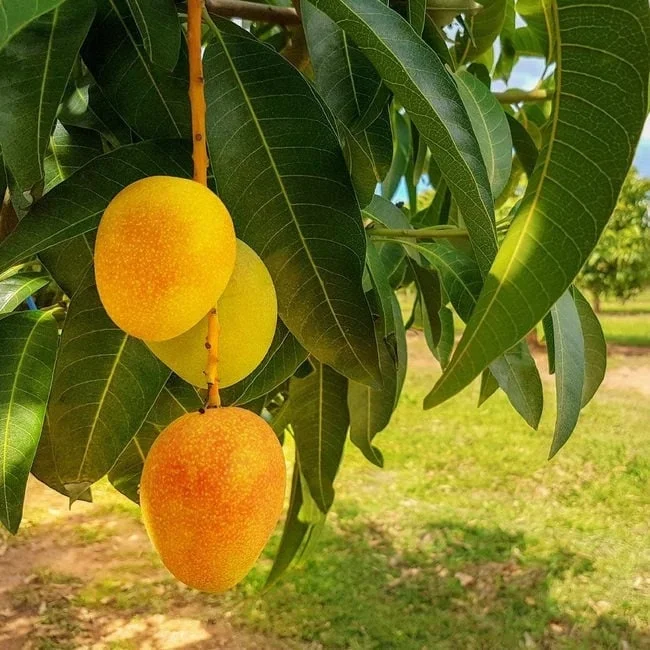
Bring the taste of the tropics to your home with a Carrie mango tree live plant. This exceptional variety, often simply called ‘Carrie’, is renowned for producing some of the most sought-after mangoes, celebrated for their incredibly sweet, rich flavor and completely fiberless flesh. Our live plants are grafted, ensuring they will bear fruit true to type and typically at a younger age than seed-grown trees. Standing 2 to 3 feet tall and shipped in a 3-gallon container, this semi-dwarf mango tree is perfectly sized for home gardens, patios, or even growing indoors in colder climates. The Carrie mango is a fantastic choice for both novice and experienced gardeners looking to enjoy homegrown, succulent fruit.
The Carrie mango (Mangifera indica ‘Carrie’) is a beloved cultivar that originated in Florida. It’s particularly valued for its compact growth habit, making it an excellent candidate for container cultivation, especially for those with limited space. This grafted mango tree offers the advantage of accelerated fruiting, allowing you to enjoy its delectable harvest sooner. With its manageable size and delicious yield, the Carrie mango is a must-have for any fruit enthusiast.
Key Benefits
The Carrie mango tree offers a multitude of benefits, from its ease of care to its delightful fruit. Investing in a Carrie mango tree live plant means you’re bringing a piece of tropical paradise that provides both beauty and bounty.
- Delicious Fiberless Fruit: The primary benefit is the production of exquisite, juicy mangoes with absolutely no fibrous texture, offering a smooth and enjoyable eating experience.
- Semi-Dwarf Growth Habit: Ideal for smaller spaces, containers, or patios, this semi-dwarf variety remains manageable in size, typically reaching 10-15 feet in height when mature, much smaller than standard mango trees.
- Disease Resistance: The Carrie mango is known for its robust health and strong resistance to common fungal issues and diseases, simplifying mango tree care and reducing the need for chemical treatments.
- Early and Reliable Fruiting: As a grafted plant, it is expected to produce fruit relatively early in its life, often within 2-3 years, providing a reliable harvest.
- Adaptability: While thriving in warm climates, its compact size and disease resistance make it suitable for container growing, allowing it to be moved indoors during cooler months.
- High Yield Potential: Despite its smaller stature, a well-cared-for Carrie mango tree can produce an abundance of delicious fruit during its ripening season from June to July.
- Ornamental Value: Beyond its fruit, the glossy green foliage and tropical appearance add significant aesthetic appeal to any garden or patio.
Plant Care & Growing Tips
Caring for your Carrie mango tree live plant is relatively straightforward, especially given its resilient nature. This semi-dwarf variety thrives with consistent attention to its basic needs. For optimal growth and fruit production, understanding its specific requirements is key. When considering a grafted mango tree, remember that proper planting and ongoing care will greatly influence its health and yield.
Sunlight Requirements: Carrie mango trees require full sun exposure, meaning at least 6-8 hours of direct sunlight per day. In very hot climates, some afternoon shade can be beneficial to prevent leaf scorch, especially for young plants. If growing indoors, place it near a south-facing window or supplement with grow lights. Watering: Water deeply and regularly, especially during dry periods and when the tree is actively growing or fruiting. Allow the top few inches of soil to dry out slightly between waterings to prevent root rot. Reduce watering frequency during cooler, dormant months. Soil Type and Drainage: This mango tree prefers well-draining, slightly acidic soil (pH 6.0-6.5). A good quality potting mix designed for fruit trees or palms is suitable for container growing. Ensure containers have adequate drainage holes. Temperature and Hardiness: Carrie mangoes are tropical plants that thrive in warm temperatures. They are best suited for USDA Zones 9-11 outdoors. Protect young trees from temperatures below 40°F (4°C). If grown in a container, bring it indoors when temperatures drop. Fertilization: Fertilize your mango tree with a balanced, slow-release fertilizer formulated for fruit trees, typically three to four times a year during the growing season. Follow product instructions carefully. Pruning: Prune to maintain shape, remove dead or diseased branches, and encourage air circulation and fruit production. Light pruning can be done after harvest. This contributes significantly to overall mango tree care.
Size & Details
This Carrie mango tree live plant is a healthy, vigorous specimen ready for planting. It stands approximately 2 to 3 feet tall from the base of the plant to the top of its foliage, making it a perfect size for immediate establishment. It is shipped in a sturdy 3-gallon container, providing ample root space for transit and initial growth. As a semi-dwarf variety, the Carrie mango is known for its manageable size, typically maturing to a height of 10-15 feet in the ground, but can be kept smaller with regular pruning, especially when grown in a container. The growth rate is moderate, and with proper care, you can expect fruit production within a few years. This semi-dwarf mango is an excellent investment for fresh, homegrown fruit.
The tree’s compact nature makes it an ideal choice for urban gardens, patios, or as a focal point in a small yard. Its ability to thrive in a 3-gallon container upon arrival means it has a well-developed root system, crucial for successful transplanting and continued growth. The fruit typically ripens from June to July, offering a delightful summer harvest of its distinctive, sweet, and fiberless mango.
Frequently Asked Questions
- Q: How big will this Carrie mango tree get? A: This is a semi-dwarf variety, so when planted in the ground, it typically reaches 10-15 feet tall. If grown in a container, you can keep it smaller with regular pruning, making it ideal for patios or indoor spaces.
- Q: Is this an indoor or outdoor plant? A: The Carrie mango tree live plant thrives outdoors in USDA Zones 9-11. In colder climates, it can be grown in a container and brought indoors during winter months to protect it from frost.
- Q: How much sunlight does a Carrie mango tree need? A: It requires full sun, which means at least 6-8 hours of direct sunlight per day. Adequate light is crucial for fruit production and overall tree health.
- Q: Is this plant easy to care for? A: Yes, the Carrie mango is known for being relatively low-maintenance and disease-resistant, making mango tree care simpler compared to some other fruit trees. It’s a great choice for both beginners and experienced gardeners.
- Q: What condition will it arrive in? A: Your grafted mango tree will arrive as a healthy, live plant, 2-3 feet tall, securely shipped in a 3-gallon container with its root ball intact and soil. We take great care in packaging to ensure safe delivery.
- Q: When does the Carrie mango ripen? A: The fruit of the Carrie mango typically ripens during the summer months, specifically from June to July, offering a delicious harvest during that period.
- Q: Can I grow this variety in a large pot permanently? A: Absolutely! The semi-dwarf nature of the Carrie mango makes it an excellent candidate for permanent container growing. Just ensure you use a large pot (e.g., 20-30 gallons) and provide adequate water and nutrients.
- Q: What makes this mango variety special? A: The Carrie mango is highly prized for its exceptional flavor and, most notably, its completely fiberless mango flesh, which provides a smooth, melt-in-your-mouth experience without any stringiness.
- Q: What kind of soil is best for a Carrie mango? A: It prefers well-draining, slightly acidic soil. For container planting, use a high-quality potting mix that’s formulated for fruit trees or features good drainage.
- Q: Will this tree produce fruit quickly? A: As a grafted plant, it is expected to produce fruit relatively early, often within 2-3 years, much faster than a tree grown from seed.


Reviews
There are no reviews yet.