Overview
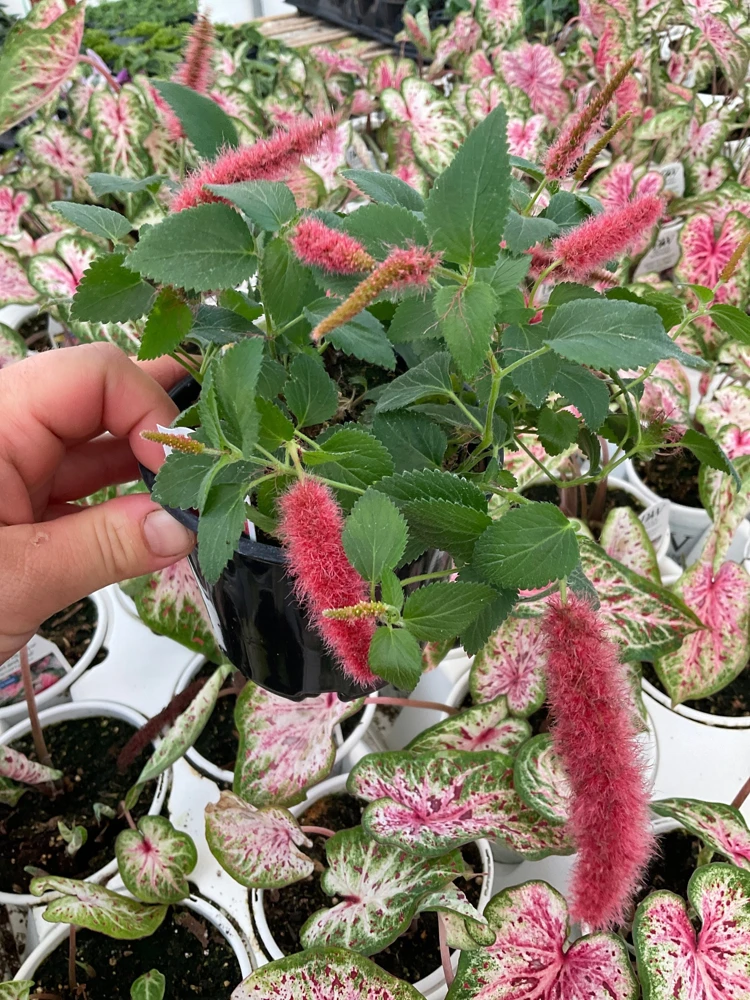
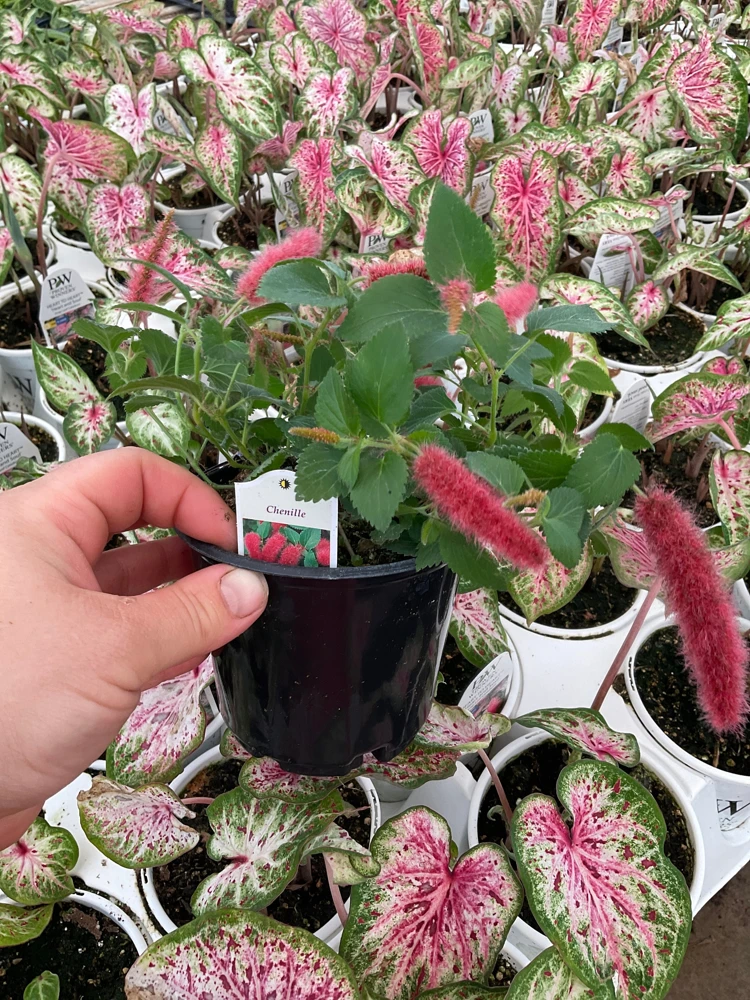
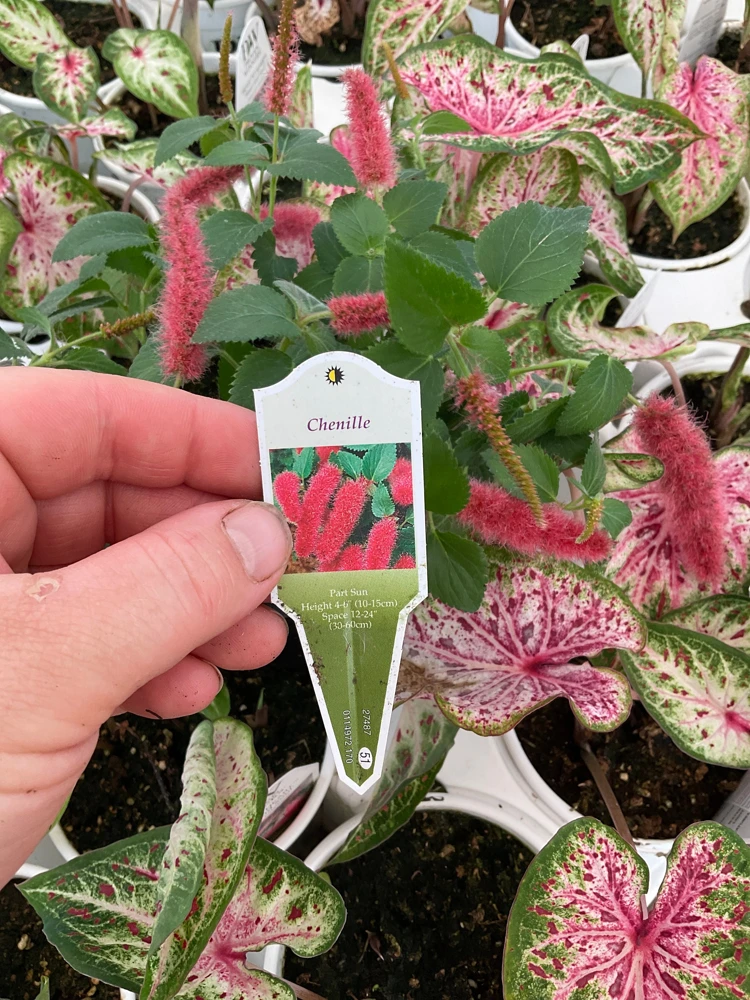
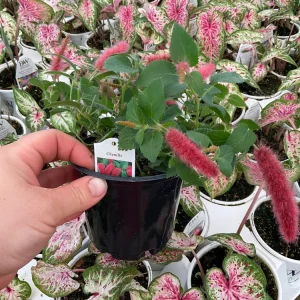
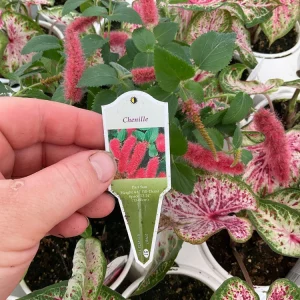
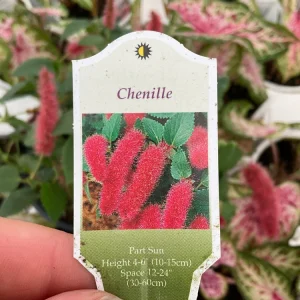
Introduce an enchanting touch to your plant collection with the vibrant chenille plant live (Acalypha pendula). Known for its distinctive, fuzzy, bright red flowers that resemble chenille fabric or a cat’s tail, this plant is a true showstopper. Also commonly referred to as Red Hot Cat’s Tail or Strawberry Firetails, Acalypha pendula is a fast-growing, tropical perennial that thrives in warm climates and can be grown indoors in cooler regions. This listing provides a healthy, established plant in a 4.5-inch pot, ready to bring immediate charm to your home or garden. Its cascading growth habit makes it an ideal choice for hanging baskets, elevated planters, or as a vibrant ground cover in frost-free areas. Discover the joy of nurturing this unique and eye-catching botanical specimen.
The chenille plant live offers an exotic flair with minimal fuss, making it suitable for both experienced gardeners and beginners. Its unique inflorescences provide continuous color for many months, often year-round in optimal conditions. The rich green foliage serves as a perfect backdrop to the brilliant red plumes, creating a striking contrast that enhances any decor. Whether you’re looking to brighten a sunroom, adorn a patio, or add a playful element to your landscape, the Acalypha pendula is an excellent choice that promises to captivate all who see it.
Key Benefits
The chenille plant live offers a multitude of benefits, making it a desirable addition to any plant enthusiast’s collection. Its unique appearance and relatively easy care requirements contribute to its widespread appeal.
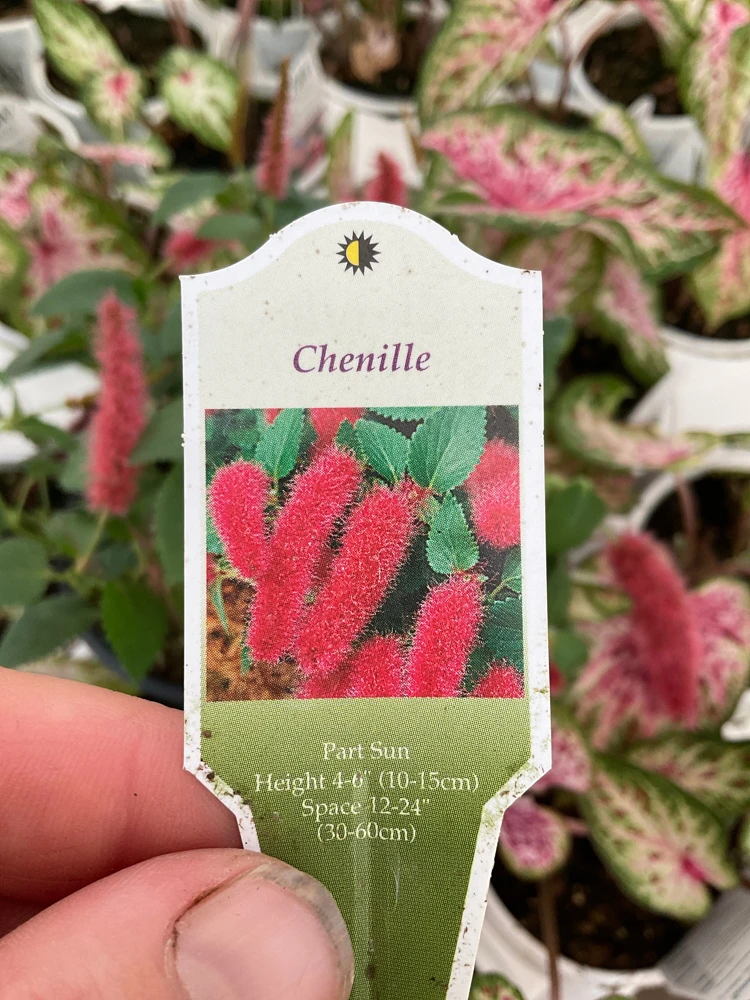
- Stunning Visual Appeal: The most striking feature of the chenille plant is its long, drooping, fuzzy red flowers, which provide continuous vibrant color and an unusual texture. These ‘cat’s tails’ can grow several inches long, creating a dramatic and playful display.
- Versatile Placement: Due to its cascading growth habit, this plant is perfect for hanging baskets, allowing its unique blooms to trail gracefully. It also performs well in pots on shelves or as a colorful accent in mixed container arrangements.
- Fast Growing: Acalypha pendula is known for its rapid growth, quickly filling out its space and producing an abundance of flowers. This makes it a rewarding plant for those who enjoy seeing quick results from their gardening efforts.
- Long Blooming Season: In suitable conditions, the chenille plant can bloom almost continuously throughout the year, providing consistent color and interest far longer than many other flowering plants.
- Attracts Pollinators: When grown outdoors, the vibrant flowers of the chenille plant live can attract hummingbirds and other beneficial pollinators, contributing to a healthy garden ecosystem.
- Easy to Maintain: While it enjoys specific conditions, the acalypha pendula care routine is straightforward, making it a good option for those seeking a high-impact plant without high maintenance demands.
- Unique Texture: The soft, furry texture of the flowers is unlike most other plants, adding a tactile dimension to your garden or indoor plant display.
Plant Care & Growing Tips
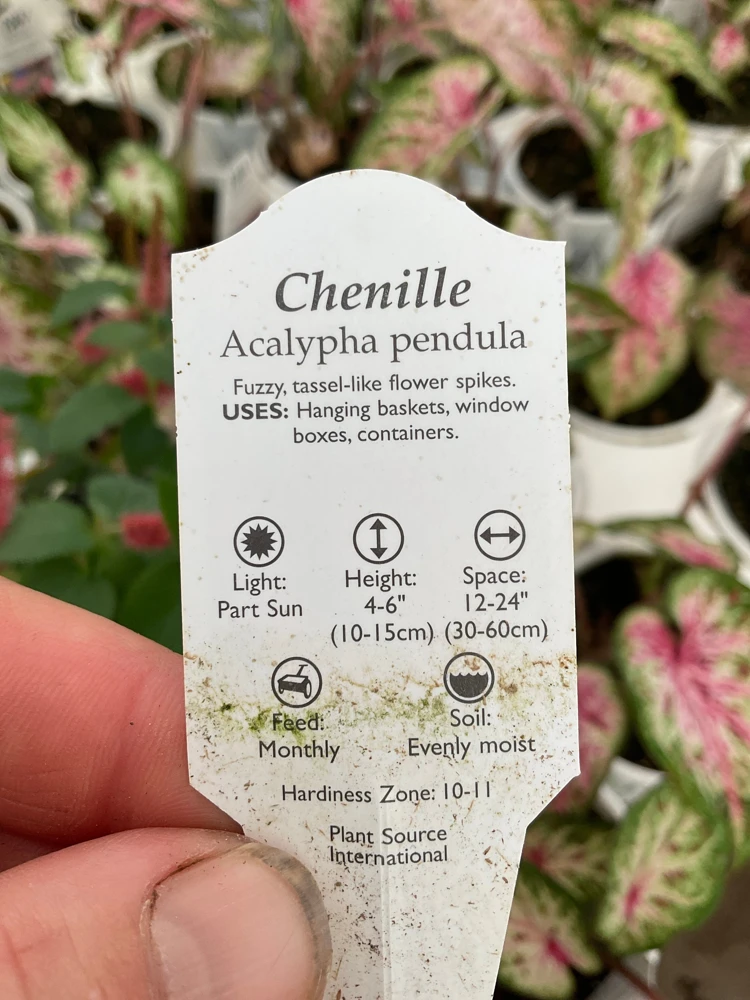
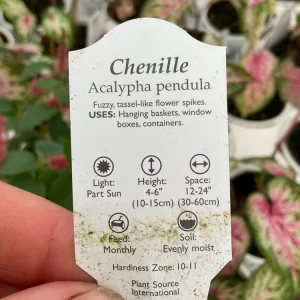
Proper acalypha pendula care is essential to ensure your plant thrives and produces its signature fuzzy blooms. This tropical plant prefers warm, humid conditions and consistent moisture. Provide bright, indirect light for optimal growth and flowering. While it can tolerate some direct morning sun, intense afternoon sun can scorch its leaves. If growing indoors, a south or west-facing window with filtered light is often ideal. Rotate the pot occasionally to ensure even growth and flowering on all sides.
Watering is crucial for the chenille plant live. It prefers consistently moist, but not waterlogged, soil. Water thoroughly when the top inch of soil feels dry to the touch, and ensure good drainage to prevent root rot. During warmer months and active growth, it may require more frequent watering. Reduce watering slightly in cooler temperatures or during periods of slower growth. High humidity is also beneficial; consider misting the plant regularly, especially if indoor air is dry, or placing it near a humidifier. Fertilize every 2-4 weeks during the growing season (spring through fall) with a balanced liquid fertilizer diluted to half strength. Prune regularly to maintain a bushy shape, encourage more blooms, and remove any leggy growth. This also helps in understanding how to grow chenille plant successfully.
The red hot cat’s tail plant is generally pest-resistant but can occasionally suffer from spider mites or mealybugs, especially in dry indoor environments. Inspect your plant regularly and treat any infestations promptly with insecticidal soap. Ensure good air circulation around the plant to help prevent fungal issues. While it can be grown outdoors in USDA Zones 9-11, it is typically grown as an annual or overwintered indoors in colder climates. Protecting it from cold drafts and sudden temperature drops is vital for its health.
Size & Details
This offering includes one healthy chenille plant live, cultivated in a 4.5-inch nursery pot. The plant is shipped with soil, ensuring it arrives in excellent condition and is ready for immediate placement or repotting. At this stage, the plant is well-rooted and actively growing, typically standing between 6-10 inches tall from the base of the pot, with its characteristic red blooms already forming or showing signs of development. The Acalypha pendula is a relatively fast grower and, with proper care, can quickly mature to a trailing length of 1-3 feet in a hanging basket or spread as a groundcover. Its vibrant red flowers can reach lengths of 3-6 inches, creating a striking visual impact.
Expect continuous flowering throughout the warm months, and potentially year-round if kept in a consistently warm and bright indoor environment. The plant will establish quickly once settled in its new home, providing a continuous display of its unique fuzzy blooms. Its compact size in the 4.5-inch pot makes it easy to handle and integrate into various settings, from windowsills to patios. Understanding how to grow chenille plant to its full potential involves appreciating its vigorous growth and abundant flowering.
Frequently Asked Questions
- Q: How big does this plant get? A: This chenille plant live is shipped in a 4.5” pot. With proper care, it can grow to trail 1-3 feet in length, with individual flower plumes reaching 3-6 inches long.
- Q: Is this an indoor or outdoor plant? A: The Acalypha pendula can be grown both indoors and outdoors. It thrives outdoors in warm, frost-free climates (USDA Zones 9-11) and makes an excellent indoor houseplant in cooler regions.
- Q: How much sunlight does it need? A: This plant prefers bright, indirect light. Some direct morning sun is acceptable, but protect it from harsh afternoon sun which can scorch its leaves.
- Q: Is this plant easy to care for? Is it good for beginners? A: Yes, the red hot cat’s tail plant is relatively easy to care for, making it suitable for beginners. Consistent watering and adequate light are key for successful acalypha pendula care.
- Q: What condition will it arrive in? Is it shipped in soil? A: Your chenille plant live will arrive as a healthy, established plant in its 4.5” nursery pot with soil, carefully packaged to ensure safe transit.
- Q: How often should I water my chenille plant? A: Water thoroughly when the top inch of soil feels dry to the touch. It prefers consistently moist soil but avoid waterlogging. Adjust frequency based on temperature and humidity.
- Q: Does this plant attract pollinators? A: When grown outdoors, the vibrant red flowers of the chenille plant can attract hummingbirds and other small pollinators.
- Q: What is the ideal temperature range for this plant? A: Being a tropical plant, it prefers temperatures above 60°F (15°C). Protect it from temperatures below 50°F (10°C) and cold drafts.
- Q: Can I propagate my chenille plant? A: Yes, you can propagate the chenille plant from stem cuttings. Take 4-6 inch cuttings, remove lower leaves, and root them in moist soil or water. This is part of understanding how to grow chenille plant effectively.
- Q: Why are the flowers on my plant not very red or sparse? A: Insufficient light is often the cause of sparse or less vibrant blooms. Ensure your plant is receiving enough bright, indirect light. Also, regular feeding during the growing season helps encourage flowering.


Reviews
There are no reviews yet.