Overview
Bring the joy of growing your own edible nuts to your garden with this magnificent Chinese Chestnut live plant. This offering includes one healthy Castanea mollissima tree, carefully cultivated and shipped in a 1 gallon pot, ready for its new home. The Chinese Chestnut live plant is a highly valued deciduous tree, celebrated for its flavorful nuts and attractive form. Unlike its American counterpart, this blight resistant chestnut exhibits strong resistance to chestnut blight, making it a reliable and rewarding choice for gardeners and nut enthusiasts across various regions. This resilient tree promises not only a bountiful harvest but also provides excellent shade and ornamental value to any landscape. Its robust nature and delicious yield make it an exceptional addition to home orchards, food forests, or as a stately specimen tree. Explore the benefits of adding an edible nut tree to your property.
Key Benefits
Adding a Chinese Chestnut live plant to your property offers a wealth of advantages, from its delicious harvest to its ecological benefits. This versatile tree is a true asset for any garden, providing both beauty and utility.
- Abundant, Delicious Nuts: Enjoy a reliable harvest of sweet, flavorful chestnuts that are perfect for roasting, baking, or eating fresh. These nuts are a culinary delight and a healthy food source, making this an ideal edible nut tree.
- Blight Resistance: The Castanea mollissima species is notably resistant to chestnut blight, a disease that devastated American Chestnuts, ensuring a healthier and more productive tree for years to come. This makes it a truly blight resistant chestnut option for your garden.
- Excellent Shade Tree: Growing to an impressive size with a broad crown, the Chinese Chestnut live plant provides ample shade, making it ideal for cooling your home or creating comfortable outdoor living spaces.
- Wildlife Attraction: The nuts are a valuable food source for local wildlife, including deer, squirrels, and birds, contributing to the biodiversity of your garden ecosystem.
- Long-Lived & Hardy: This deciduous tree is known for its longevity and hardiness, thriving in USDA Zones 4-8, making it suitable for a wide range of climates.
- Low Maintenance: Once established, the Chinese Chestnut care requirements are relatively low, allowing you to enjoy its benefits with minimal effort.
- Ornamental Value: Beyond its practical uses, the Castanea mollissima tree boasts attractive foliage and interesting catkins, adding aesthetic appeal to your landscape throughout the seasons.
Plant Care & Growing Tips
Caring for your Chinese Chestnut live plant is straightforward, ensuring a healthy tree and a bountiful harvest. These trees are robust and adaptable, but providing the right conditions will maximize their growth and productivity. Proper Chinese Chestnut care begins with understanding its environmental needs.
Sunlight: The Chinese Chestnut live plant thrives in full sun, requiring at least 6-8 hours of direct sunlight per day for optimal growth and nut production. Choose a planting site that receives abundant sunlight throughout the day, away from competing shade trees or structures. Adequate sunlight is crucial for the tree’s health and fruit development.
Watering: During its establishment phase (the first 1-2 years), consistent moisture is vital. Water deeply 1-2 times per week, especially during dry periods, ensuring the soil remains moist but not waterlogged. Once established, the tree becomes more drought-tolerant, but supplemental watering during prolonged dry spells will benefit nut production. Good drainage is paramount to prevent root rot.
Soil: Castanea mollissima prefers well-draining, slightly acidic to neutral soil (pH 5.0-7.0). Loamy or sandy-loam soils are ideal. Avoid heavy clay soils that retain too much moisture, as this can lead to root problems. Amending dense soils with organic matter like compost can improve drainage and aeration. For optimal edible nut tree growth, ensure the soil is rich in organic nutrients.
Temperature & Hardiness: This hardy deciduous tree is well-suited for USDA Zones 4-8. It can withstand cold winters and hot summers within this range. While generally robust, protecting young trees from harsh winter winds in the colder zones can be beneficial. Consider mulching around the base to insulate roots during extreme temperatures.
Fertilization: Fertilize young trees in early spring with a balanced, slow-release fertilizer designed for trees and shrubs. Once established, mature trees may benefit from a balanced fertilizer application every 2-3 years, or as indicated by a soil test. Avoid over-fertilizing, which can harm the tree. Focus on maintaining good soil health with organic amendments.
Pruning: Prune your Chinese Chestnut live plant during dormancy in late winter or early spring to remove dead, damaged, or crossing branches. Shape the tree to encourage a strong central leader and good air circulation within the canopy. Regular pruning helps maintain tree health and can improve nut production.
Size & Details
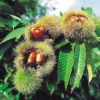
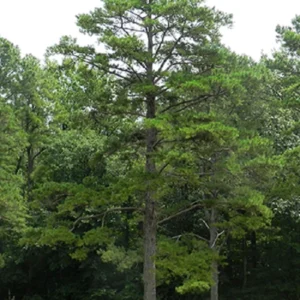
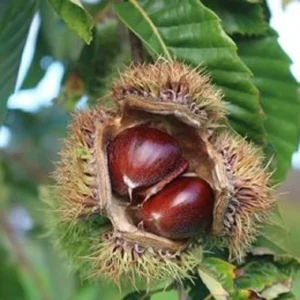
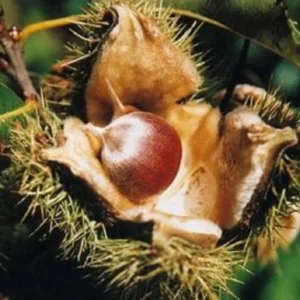
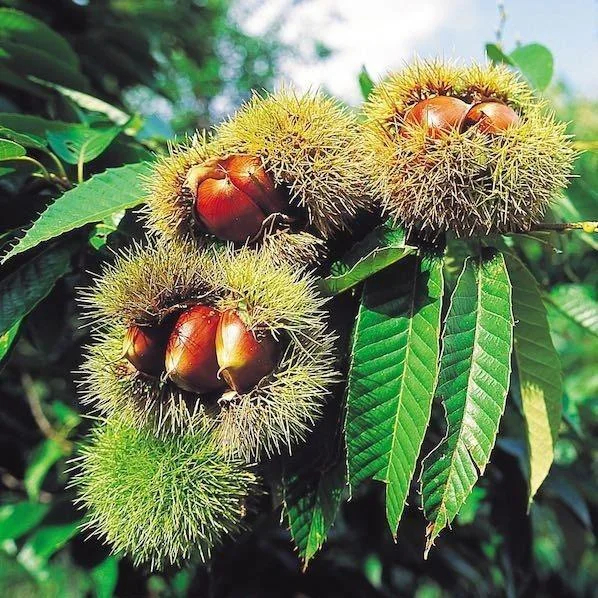
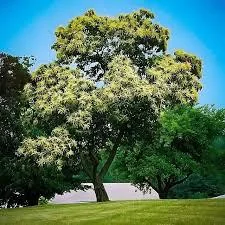
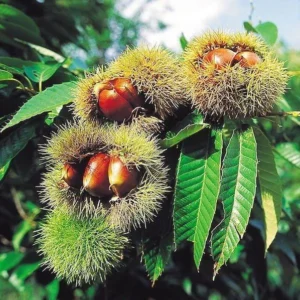
This offering is for one healthy Chinese Chestnut live plant, shipped in a 1 gallon pot. The tree will be well-rooted and ready for transplanting into your garden. While initial size varies based on growth cycle and nursery stock, you can expect a young tree with established roots. Castanea mollissima is a vigorous grower, eventually reaching heights of 20 meters (approximately 66 feet) with a broad, spreading crown. The leaves are alternate, simple, and typically measure 10–22 centimeters (4–8½ inches) long and 4.5–8 cm (1¾–3¼ inches) broad, with a distinctive toothed margin. The fruit is a densely spiny cupule, containing two or three glossy brown nuts, which are 2–3 cm (¾–1¼ inches) in diameter on wild trees. Expect your Castanea mollissima tree to begin producing nuts within 3-5 years after planting, with increasing yields as it matures. This deciduous shade tree will be a long-term asset to your landscape, providing a consistent supply of delicious nuts and a beautiful focal point.
Frequently Asked Questions
- Q: How big will my Chinese Chestnut tree get? A: A mature Chinese Chestnut live plant can reach heights of up to 66 feet (20 meters) with a broad, spreading crown. Its mature size makes it an excellent choice as a deciduous shade tree.
- Q: What size pot does the plant come in? A: This Chinese Chestnut live plant is shipped in a 1 gallon nursery pot, ensuring a well-established root system for successful transplanting.
- Q: Is this an indoor or outdoor plant? A: The Castanea mollissima tree is an outdoor tree that requires a significant amount of space to grow and thrive. It is not suitable for indoor cultivation.
- Q: How much sunlight does it need? A: This tree requires full sun, meaning at least 6-8 hours of direct sunlight daily, for optimal growth and nut production.
- Q: Is this plant easy to care for? A: Once established, Chinese Chestnut care is relatively low maintenance. It requires consistent watering during its first couple of years, and then becomes quite self-sufficient, especially as a blight resistant chestnut.
- Q: How long until it produces nuts? A: You can typically expect your edible nut tree to begin producing nuts within 3-5 years after planting, with yields increasing as the tree matures.
- Q: What USDA zones is it hardy in? A: The Chinese Chestnut live plant is hardy in USDA Zones 4-8, making it adaptable to a wide range of climates.
- Q: What condition will it arrive in? A: Your tree will arrive as a healthy, well-rooted plant in its 1 gallon pot, carefully packaged to ensure safe transit.
- Q: What kind of soil does it prefer? A: It thrives in well-draining, slightly acidic to neutral soil. Avoid heavy clay soils and ensure good drainage to prevent root issues.
- Q: Can I plant just one tree, or do I need more for pollination? A: While Chinese Chestnuts are monoecious (having both male and female flowers on the same tree), planting at least two trees often results in better pollination and significantly higher nut yields.


Reviews
There are no reviews yet.