Overview
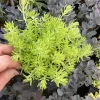
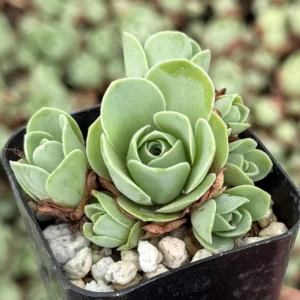
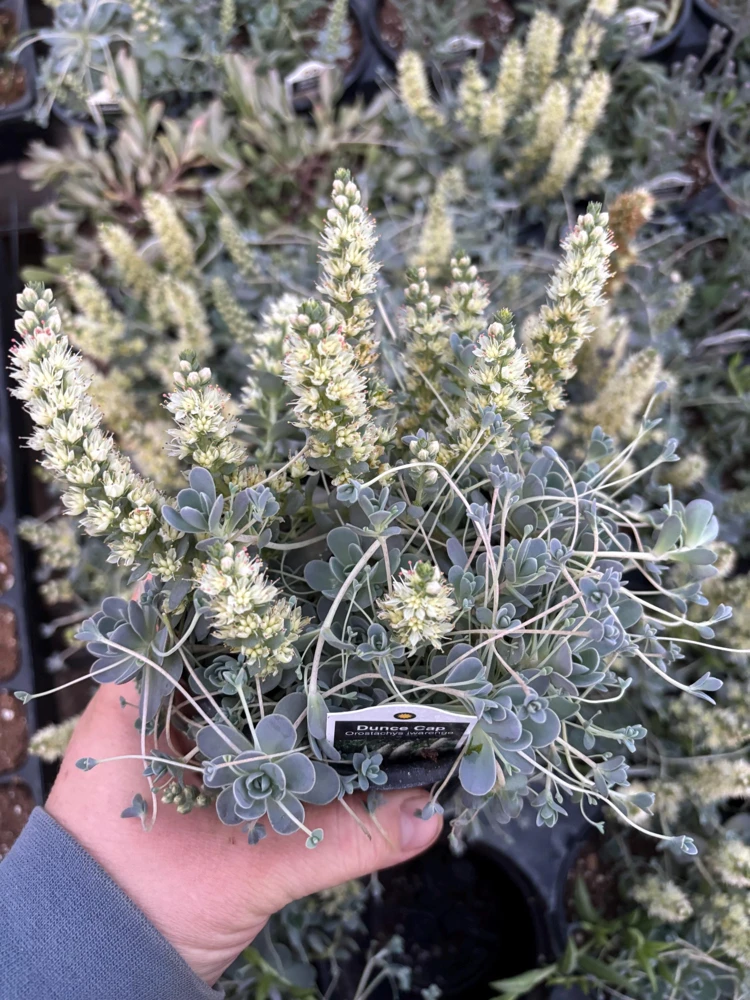
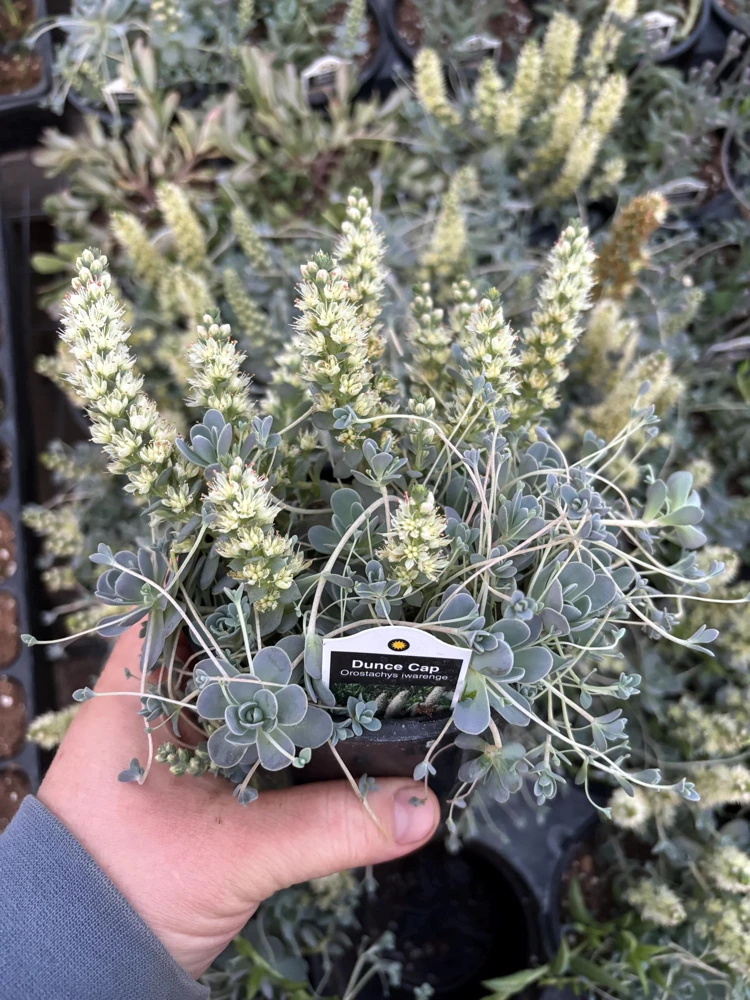
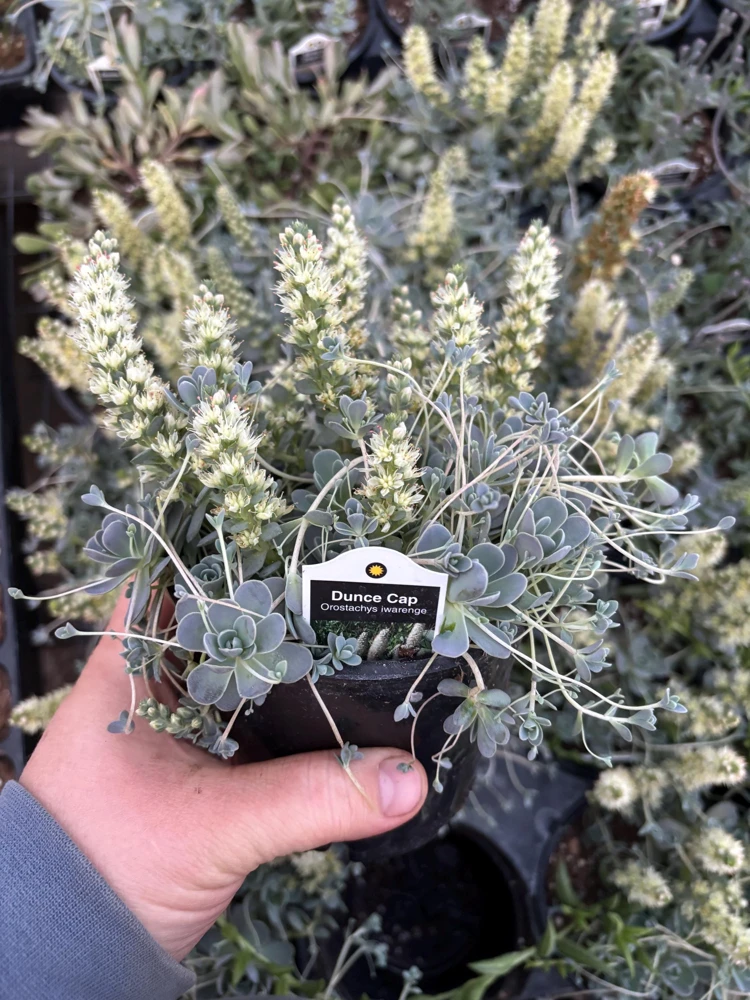
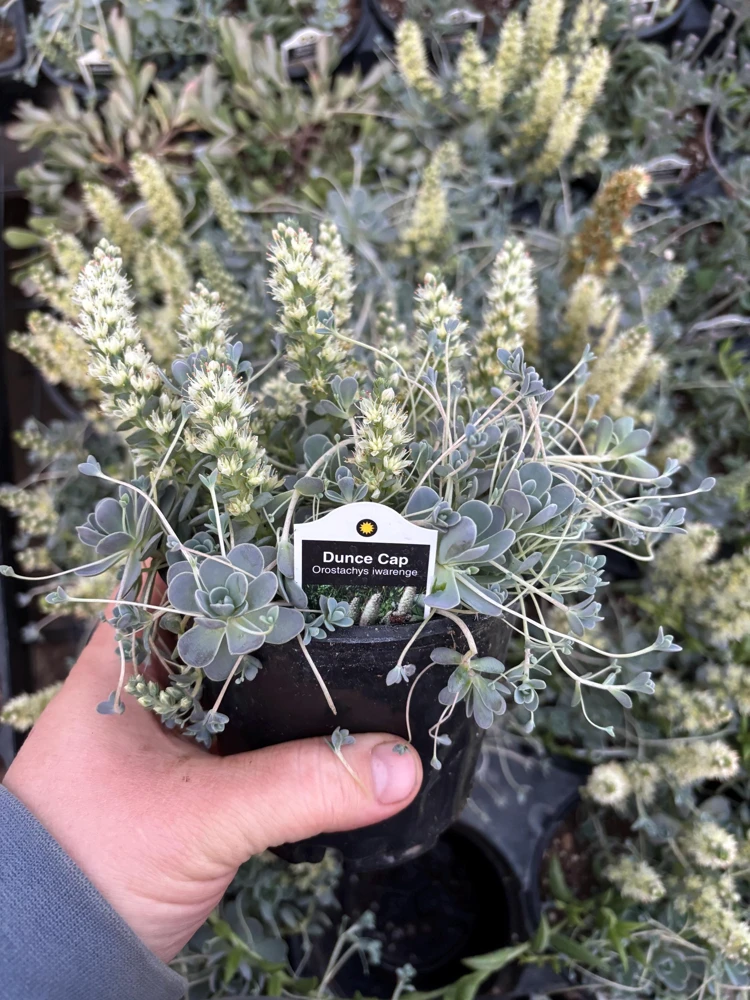
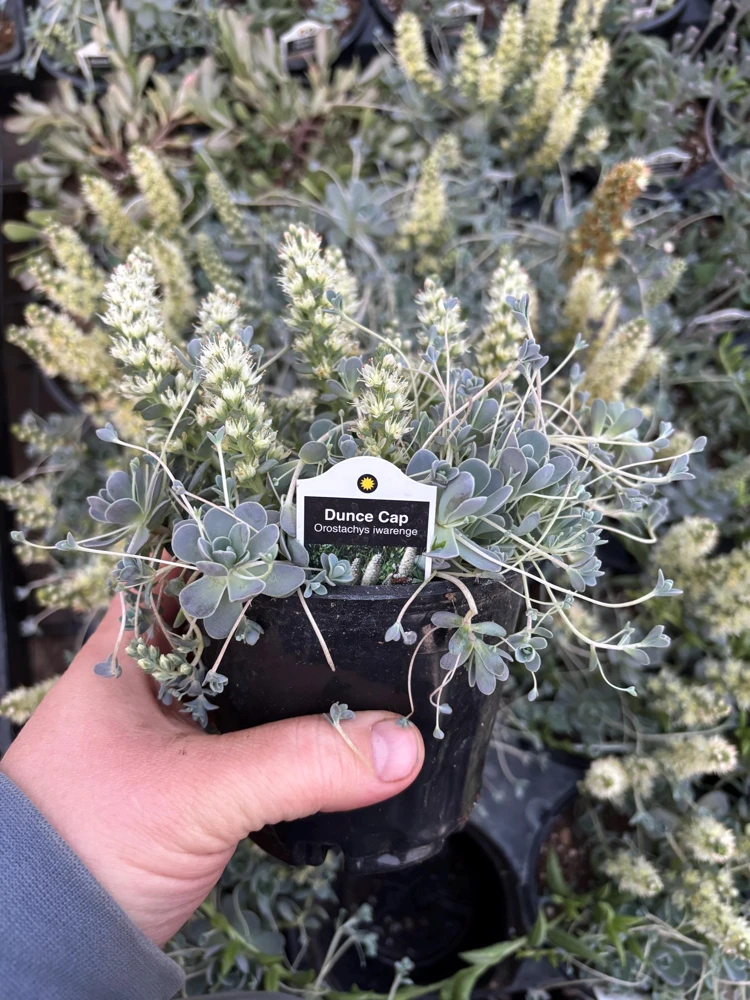
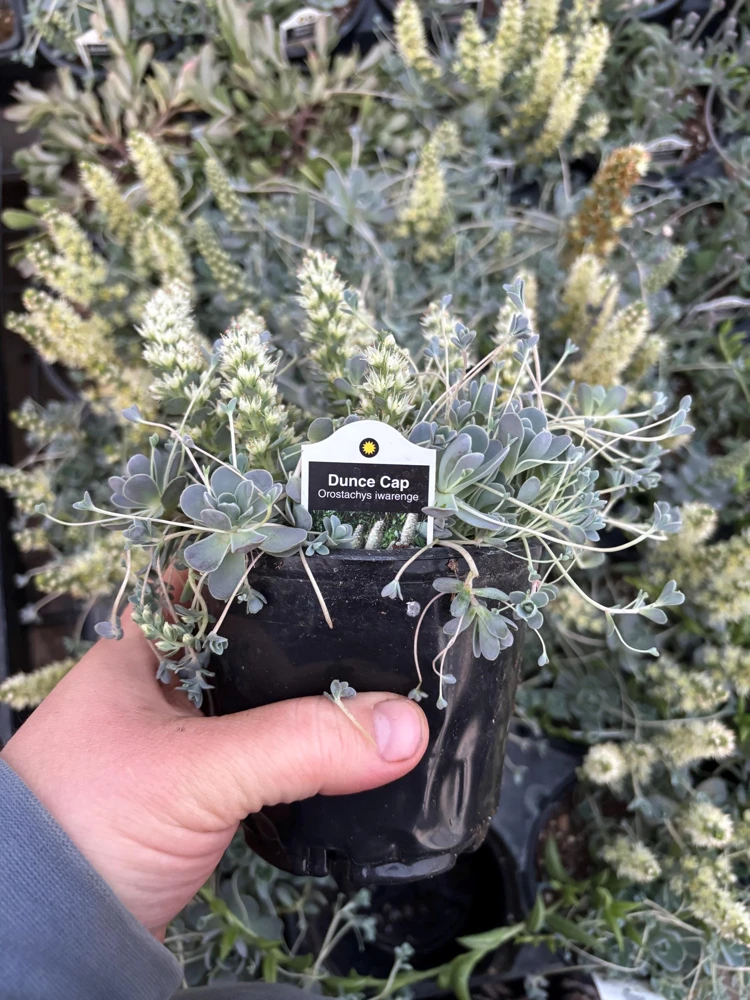
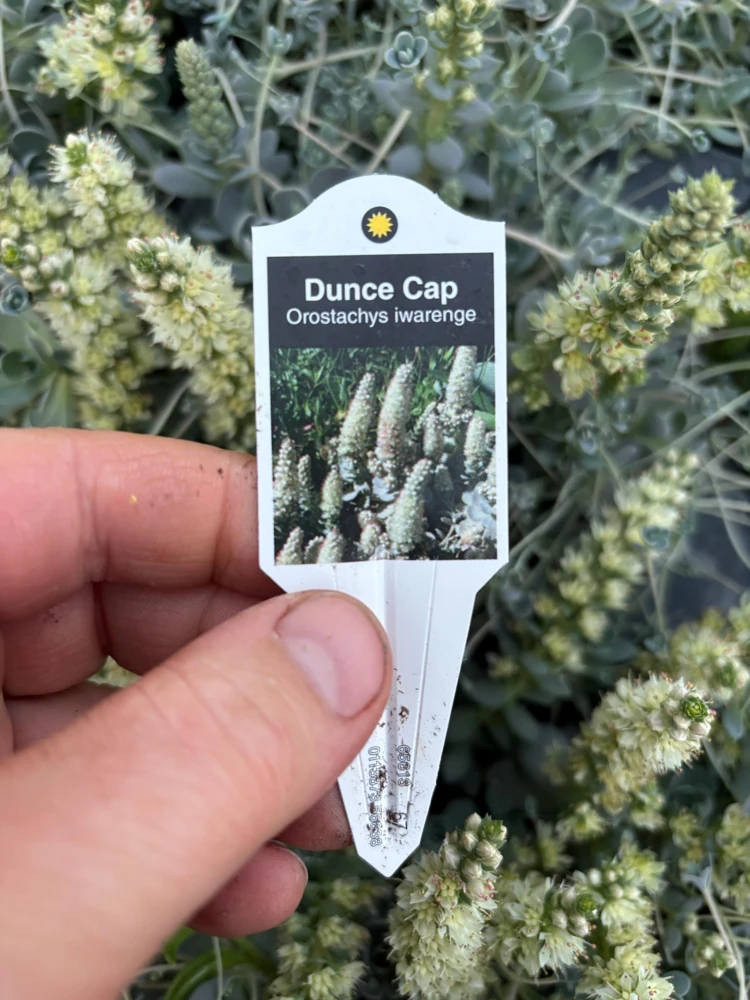
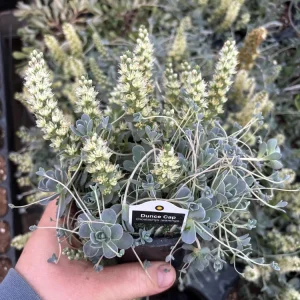
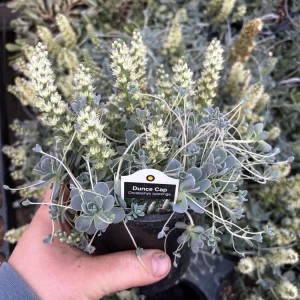
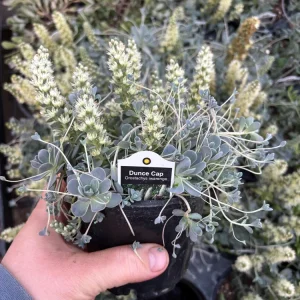
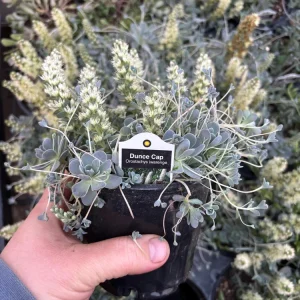
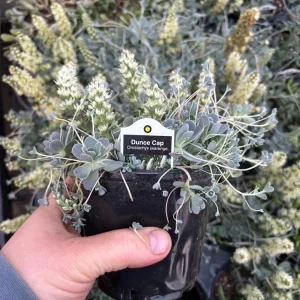
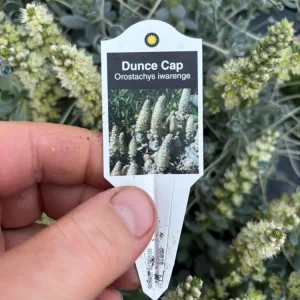
Introduce an element of whimsical charm to your plant collection with the captivating Chinese Dunce Cap succulent. Scientifically known as Orostachys iwarenge plant, this unique succulent is a true conversation starter, famed for its tightly packed rosettes that resemble miniature dunce caps or pagodas. Originating from mountainous regions of Asia, this hardy perennial succulent is renowned for its resilience and striking architectural form. Each rosette features fleshy, blue-green leaves that often develop a reddish blush when exposed to ample sunlight or cooler temperatures. As the plant matures, it produces offsets, creating charming clusters that spill over containers or spread gently in rock gardens. This live plant arrives well-established in a 4.5-inch nursery pot, ready to thrive in your home or outdoor space. Whether you’re a seasoned succulent enthusiast or just beginning your plant journey, the Chinese Dunce Cap succulent offers an easy-to-care-for option that delivers exceptional visual interest throughout the seasons.
Key Benefits
The Orostachys iwarenge plant offers a multitude of benefits, making it a highly desirable addition to any plant collection. Its unique appearance and robust nature contribute to its popularity among gardeners looking for something out of the ordinary. This hardy succulent is not only visually appealing but also incredibly adaptable.
- Unique Ornamental Appeal: The primary draw of the Chinese Dunce Cap succulent is its extraordinary form. The stacking rosettes create a fascinating architectural display, making it a standout in succulent arrangements, fairy gardens, or as a solo specimen. Its dynamic growth habit ensures continuous visual interest.
- Low Maintenance: Ideal for busy individuals or novice gardeners, this succulent requires minimal care. It tolerates infrequent watering and thrives on neglect, making it one of the easiest plants to keep happy and healthy.
- Drought Tolerant: Like many succulents, the Orostachys iwarenge plant is highly drought-tolerant. Its ability to store water in its fleshy leaves means it can withstand periods without water, making it a water-wise choice for arid climates or forgetful waterers.
- Cold Hardiness: Unlike many succulents, the Chinese Dunce Cap exhibits surprising cold hardiness, making it suitable for outdoor planting in many temperate zones. It can often survive light frosts, adding to its versatility.
- Versatile Placement: This plant thrives in a variety of settings. It’s an excellent choice for rock gardens, container arrangements, terrariums, or as an intriguing indoor desk plant where its unique form can be appreciated up close.
- Easy Propagation: The plant readily produces offsets, often referred to as ‘chicks,’ which can be easily separated from the ‘hen’ plant to create new individual plants. This makes sharing with friends or expanding your collection simple and rewarding.
- Year-Round Interest: While many plants have seasonal appeal, the Chinese Dunce Cap succulent maintains its distinctive form and color throughout the year, offering continuous beauty regardless of the season.
Plant Care & Growing Tips
Caring for your Chinese Dunce Cap succulent is straightforward, making it a joy for gardeners of all skill levels. To ensure your Orostachys iwarenge plant thrives, understanding its basic needs for light, water, and soil is crucial. This hardy succulent prefers conditions that mimic its natural mountainous habitat.
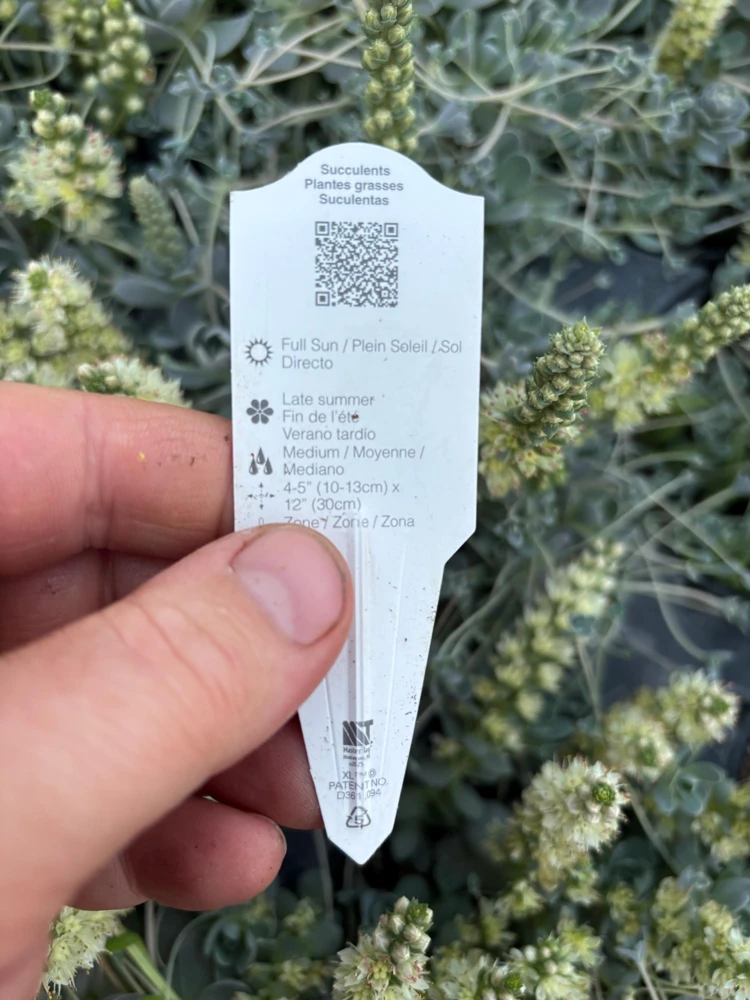
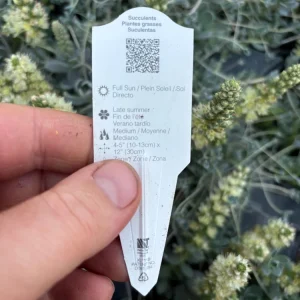
Sunlight Requirements: The Chinese Dunce Cap succulent flourishes in bright light. For outdoor cultivation, aim for full sun to partial shade. In hotter climates, some afternoon shade can prevent scorching. Indoors, place it in your brightest window, ideally a south-facing one, or under a grow light. Insufficient light can lead to etiolation (stretching), causing the rosettes to lose their compact form. Adequate sunlight also encourages the beautiful reddish hues on the leaf tips.
Watering Schedule & Soil Moisture: Overwatering is the most common cause of problems for succulents. Allow the soil to dry out completely between waterings. When watering, do so thoroughly until water drains from the bottom of the pot. In warmer months, this might be every 2-4 weeks, while in cooler months or during dormancy, watering can be significantly reduced, perhaps once a month or even less. Always err on the side of underwatering rather than overwatering. Ensure good air circulation around the plant to help prevent rot.
Soil Type & Drainage Requirements: Excellent drainage is paramount for the Orostachys iwarenge plant. Use a well-draining succulent or cactus potting mix, or create your own by mixing regular potting soil with perlite, pumice, or coarse sand in a 1:1 ratio. This ensures that excess water drains away quickly, preventing root rot. A terracotta pot can also help with moisture evaporation.
Temperature Range & USDA Hardiness Zone: This succulent is surprisingly cold hardy, typically thriving in USDA Zones 5-9. It can tolerate temperatures down to -20°F (-29°C) if kept dry. However, it prefers moderate temperatures. In very hot climates, provide some afternoon shade. If growing indoors, average room temperatures are perfectly suitable. Protect from prolonged freezing temperatures and excessive winter moisture.
Fertilization Schedule & Type: Fertilization is generally not essential for the Chinese Dunce Cap succulent. If you choose to fertilize, do so sparingly during the growing season (spring and summer) with a diluted, balanced liquid fertilizer specifically formulated for succulents or cacti. Over-fertilization can harm the plant, so less is often more.
Common Problems & Solutions: The main issues are usually related to improper watering. Overwatering leads to root rot and mushy leaves. If this occurs, stop watering, allow the soil to dry, and if severe, repot into fresh, dry soil after trimming any rotted roots. Underwatering will cause the leaves to shrivel, which can be remedied by a good soak. Pests are rare but can include mealybugs; treat with insecticidal soap or rubbing alcohol if observed. Ensure good air circulation to prevent fungal issues.
Size & Details
Each order includes one live Chinese Dunce Cap succulent (Orostachys iwarenge) plant, carefully selected for its health and vigor. The plant arrives well-established and actively growing in a 4.5-inch plastic nursery pot, providing a stable environment for its initial transition to your home or garden. At the time of shipment, the rosettes typically measure between 1-3 inches in diameter, with multiple offsets often beginning to form around the main ‘hen’ plant. This succulent has a moderate growth rate, gradually forming dense clumps of these fascinating pagoda-like structures. When mature, a cluster can spread up to 6-12 inches wide, though individual rosettes remain compact. The plant is shipped with its roots intact within the nursery pot and soil, ensuring minimal stress during transit. Expect your Orostachys iwarenge plant to continue developing its unique stacked appearance and potentially produce a tall, cone-shaped flower stalk in late summer or fall, after which the flowering rosette will die back, but the offsets will continue to grow and propagate.
Frequently Asked Questions
- Q: How big does this plant get? A: The individual rosettes of the Chinese Dunce Cap succulent typically grow 1-3 inches in diameter. Over time, it will produce offsets and form a clump that can spread 6-12 inches wide, creating a beautiful groundcover or container specimen.
- Q: What size pot does it come in? A: The Orostachys iwarenge plant you receive will be well-established and growing in a 4.5-inch plastic nursery pot, ready for you to transplant or display as is.
- Q: Is this an indoor or outdoor plant? A: The Chinese Dunce Cap succulent is highly versatile and can be grown both indoors and outdoors. Outdoors, it thrives in rock gardens or containers. Indoors, place it in a very bright spot, such as a south-facing window.
- Q: How much sunlight does it need? A: This succulent prefers bright light to full sun. If growing outdoors, it can handle full sun, especially in cooler climates. In hotter regions, some afternoon shade is beneficial. Indoors, aim for the brightest possible location.
- Q: Is this plant easy to care for? A: Yes, the Chinese Dunce Cap succulent is considered a very easy-to-care-for plant. It is drought-tolerant and requires minimal attention, making it perfect for beginners or those seeking a low-maintenance option.
- Q: What condition will it arrive in? A: Your Orostachys iwarenge plant will arrive as a live, healthy, well-established plant rooted in its 4.5-inch nursery pot with soil, carefully packaged to ensure safe transit.
- Q: Is it shipped in soil? A: Yes, the plant is shipped securely in its original nursery pot with soil, ensuring it remains hydrated and stable during its journey to you.
- Q: How long until it blooms? A: The Chinese Dunce Cap succulent typically blooms in late summer to early fall. The rosettes that flower are monocarpic, meaning they will die after blooming, but the numerous offsets will continue to grow and propagate.
- Q: Will it survive winter in my zone? A: This is a surprisingly hardy succulent, typically thriving in USDA Zones 5-9. It can withstand cold temperatures and even light frost, especially if kept dry during winter.
- Q: What’s the minimum temperature it can tolerate? A: The Orostachys iwarenge plant is known to tolerate temperatures as low as -20°F (-29°C) when kept dry, making it one of the more cold-hardy succulents available.


Reviews
There are no reviews yet.