Overview
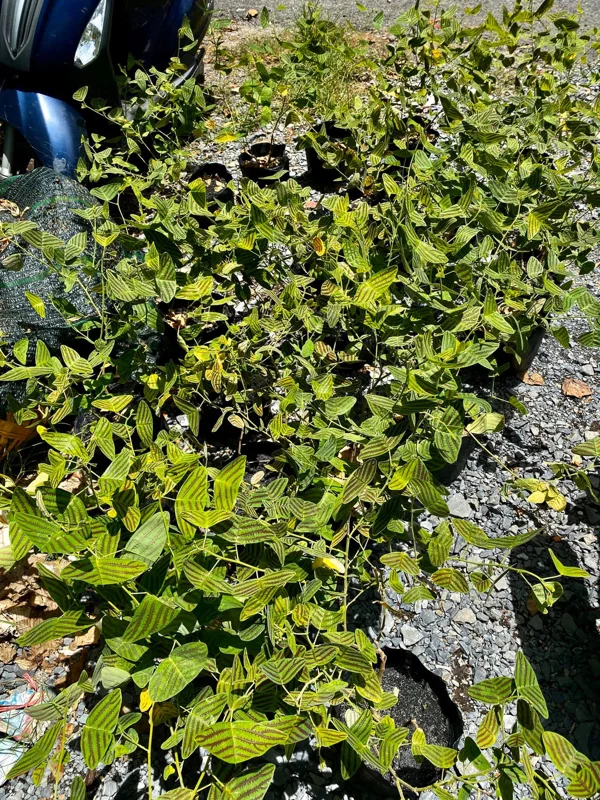
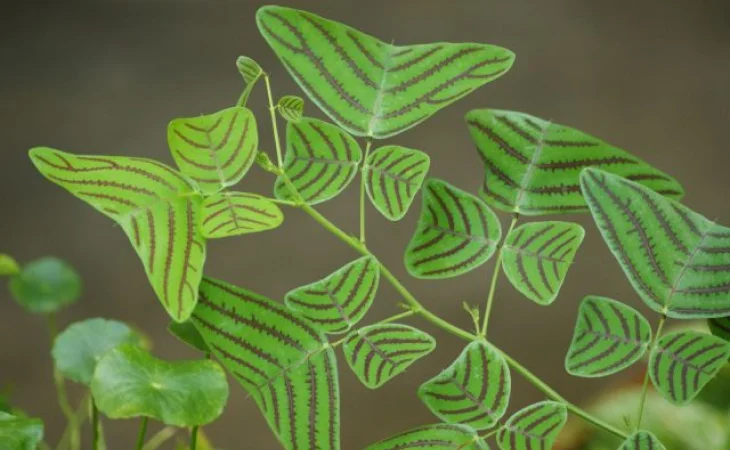
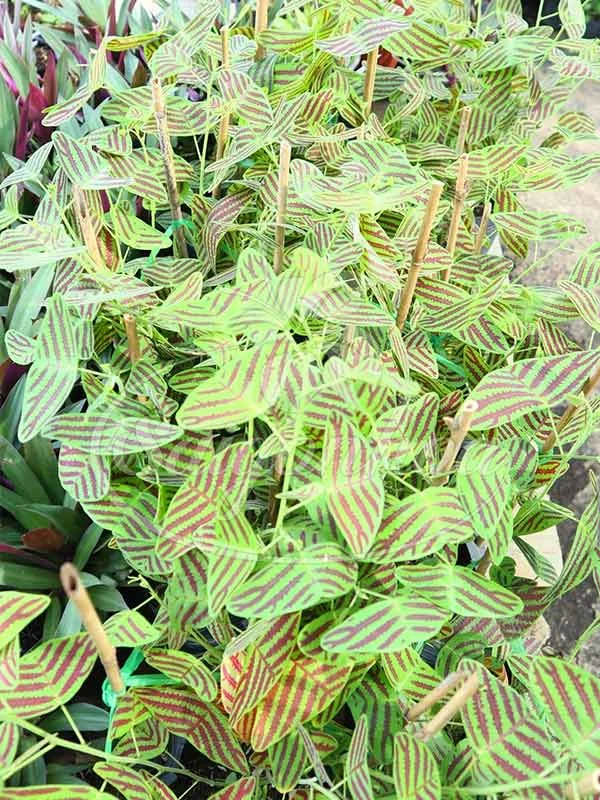
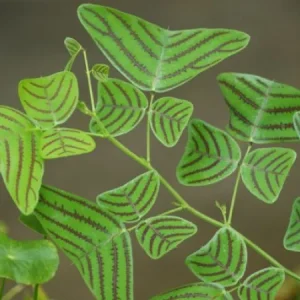
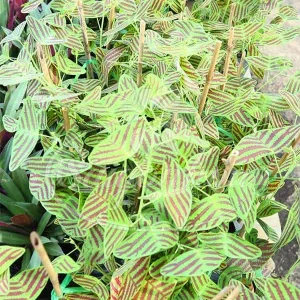
Introduce a touch of the extraordinary to your plant collection with the stunning Christia obcordata live plant. Often referred to as the butterfly plant or ‘Red Butterfly Wing’, this botanical marvel is celebrated for its truly unique foliage. Each leaf is distinctively heart-shaped, displaying a captivating variegation of deep red and vibrant green, complete with intricate veining that makes them appear as if a swarm of butterflies has landed gracefully on its stems. This live plant offers an instant focal point, adding dramatic visual interest and a conversation starter to any indoor setting or shaded outdoor garden. Originating from Southeast Asia, Christia obcordata is a relatively rare and highly sought-after specimen among plant enthusiasts, known for its delicate appearance yet surprisingly robust nature when provided with the right care. It’s an excellent choice for those looking to expand their collection with something truly out of the ordinary, bringing a serene, almost whimsical aesthetic to your living space.
Key Benefits
The Christia obcordata live plant brings a plethora of benefits beyond its undeniable beauty, making it a valuable addition to any plant lover’s home or garden. Its unique characteristics contribute to an enhanced botanical experience.
- Exceptional Ornamental Value: The most striking feature of the Christia obcordata live plant is its incredibly unique foliage. The heart-shaped leaves, with their vibrant red and green coloration and distinct veining, resemble delicate butterfly wings, providing unparalleled visual appeal.
- Rare and Collectible: As a relatively uncommon plant, owning a Christia obcordata live plant allows you to showcase a rare specimen, often becoming a prized possession for collectors and enthusiasts.
- Compact Growth Habit: This plant typically maintains a manageable size, making it ideal for tabletops, shelves, or as an underplanting in larger arrangements without overwhelming its surroundings.
- Air Purifying Qualities: Like many houseplants, the foliage of the butterfly plant contributes to improving indoor air quality by absorbing common household toxins and releasing fresh oxygen.
- Low Maintenance for Unique Beauty: Despite its exotic appearance, Christia obcordata is not overly demanding, making it suitable for those who appreciate unique plants but prefer a more straightforward care routine.
- Conversation Starter: Its distinctive look invariably draws attention and admiration, making it a fantastic conversation piece among guests and fellow plant lovers.
- Versatile Placement: While primarily an indoor plant in most climates, it can thrive outdoors in warm, humid, and shaded environments, offering flexibility in its display.
Plant Care & Growing Tips
Caring for your Christia obcordata live plant, or red butterfly wing plant, involves understanding its specific needs to ensure its vibrant foliage and healthy growth. While not overly fussy, consistent care is key to its success. This tropical beauty thrives in conditions that mimic its native habitat.
Sunlight Requirements: The Christia obcordata live plant prefers bright, indirect light. Direct sunlight, especially harsh afternoon sun, can scorch its delicate leaves and cause the vibrant colors to fade. An east-facing window is often ideal, providing gentle morning sun, or a spot a few feet away from a south or west-facing window. If placed outdoors, ensure it is in a deeply shaded area, protected from direct sun exposure. Insufficient light can lead to leggy growth and less pronounced leaf coloration.
Watering Schedule & Soil Moisture: Water thoroughly when the top inch of soil feels dry to the touch. It’s crucial to allow the soil to dry out slightly between waterings to prevent root rot, which this plant is susceptible to. Do not let the plant sit in standing water. Reduce watering frequency during the cooler, darker months of winter. The soil should remain consistently moist but never soggy. Using a moisture meter can be helpful for precise watering.
Soil Type & Drainage Requirements: A well-draining, airy potting mix is essential for the health of your Christia obcordata live plant. A mix designed for tropical houseplants, typically containing peat moss, perlite, and pine bark, will provide the necessary drainage and aeration. Ensure the pot has drainage holes to prevent water accumulation at the bottom.
Temperature Range & USDA Hardiness Zone: This plant is a tropical species and is sensitive to cold. It thrives in temperatures between 65-80°F (18-27°C). Avoid exposing it to temperatures below 55°F (13°C) as this can cause stress and damage. In most of the US, it is grown as an indoor houseplant. If grown outdoors, it is suitable for USDA zones 10-11, where it can be treated as a perennial. High humidity is also beneficial, so consider misting regularly or placing it near a humidifier, especially in dry indoor environments.
Fertilization: During the growing season (spring and summer), feed your red butterfly wing plant with a balanced liquid fertilizer diluted to half strength every 2-4 weeks. Reduce or stop fertilization during the fall and winter months when the plant’s growth naturally slows down. Over-fertilization can lead to nutrient burn, so always follow product instructions carefully.
Common Problems & Solutions: Watch out for common pests like spider mites and mealybugs, especially in dry conditions. Inspect your plant regularly and treat any infestations promptly with insecticidal soap. Yellowing leaves can indicate overwatering or nutrient deficiency, while browning leaf tips might suggest low humidity or inconsistent watering. Adjust your care routine as needed to address these issues and keep your exotic foliage plant healthy.
Size & Details
This Christia obcordata live plant arrives in a compact 3.25-inch nursery pot, perfectly sized for immediate display on a desk, shelf, or as part of a larger plant arrangement. While specific height can vary upon arrival, these young plants typically stand between 4-6 inches tall, with a similar spread, showcasing their distinctive heart-shaped leaves. As a relatively fast grower under optimal conditions, you can expect this butterfly plant to mature, reaching a height of up to 1-2 feet, though it can be kept smaller with strategic pruning. The plant is shipped as a well-rooted specimen, ensuring a smooth transition to its new environment. Its delicate yet striking appearance makes it an ideal choice for terrariums or humid indoor environments where its unique form can be fully appreciated.
Frequently Asked Questions
- Q: How big does this plant get? A: The Christia obcordata live plant typically grows to about 1 to 2 feet tall and wide at maturity, although its growth can be managed through pruning. It arrives in a 3.25-inch pot.
- Q: Is this an indoor or outdoor plant? A: While it can be grown outdoors in tropical climates (USDA zones 10-11) in shaded areas, the butterfly plant is most commonly cultivated as an indoor houseplant in the US due to its sensitivity to cold.
- Q: How much sunlight does it need? A: This exotic foliage plant thrives in bright, indirect light. Avoid direct sunlight, which can scorch its delicate leaves and diminish the vibrant coloration.
- Q: Is this plant easy to care for? A: The Christia obcordata live plant is considered moderately easy to care for. It requires consistent attention to watering and humidity but is not overly demanding once its basic needs are met.
- Q: What condition will it arrive in? A: Your Christia obcordata live plant will arrive as a healthy, well-rooted specimen in its 3.25-inch nursery pot, carefully packaged to ensure its safe journey.
- Q: Can I propagate my Christia obcordata? A: Propagation can be challenging but is possible through stem cuttings. Success rates are often higher with the aid of a rooting hormone and a warm, humid environment.
- Q: What soil is best for a red butterfly wing plant? A: A well-draining, airy potting mix rich in organic matter is ideal. A blend containing peat moss, perlite, and pine bark is often recommended for good aeration and drainage.
- Q: Why are the leaves on my butterfly plant losing color? A: Fading leaf color on your butterfly plant can indicate too much direct sunlight or insufficient light. Adjust its placement to a spot with bright, indirect light.
- Q: Is the Christia obcordata pet-safe? A: There is limited definitive information regarding the toxicity of Christia obcordata live plant to pets. It’s always best practice to keep plants out of reach of curious pets.
- Q: How often should I fertilize my Christia obcordata? A: During the spring and summer growing seasons, fertilize every 2-4 weeks with a diluted liquid fertilizer. Reduce or cease fertilization during fall and winter.


Reviews
There are no reviews yet.