Overview
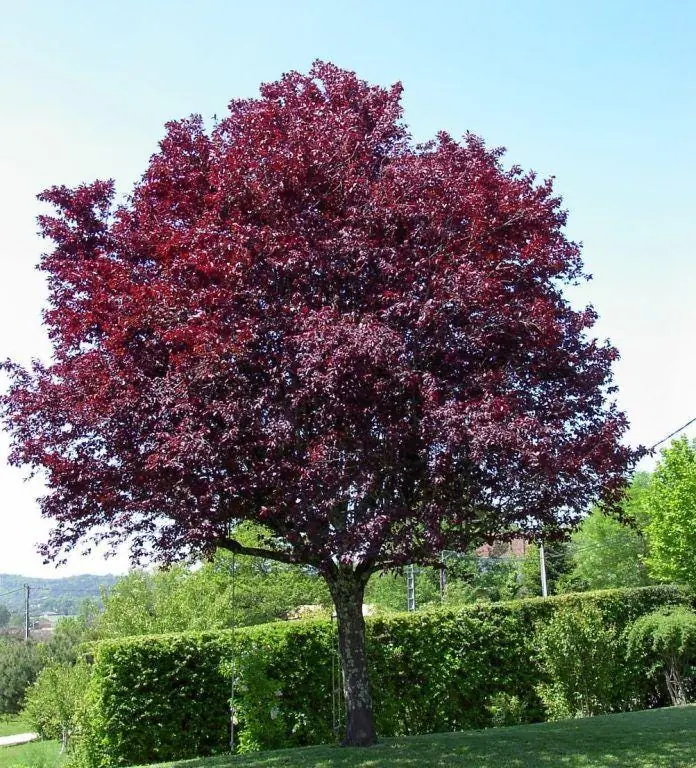
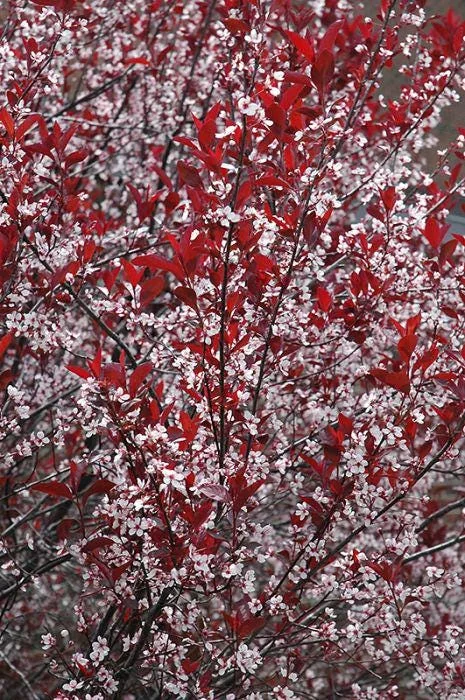
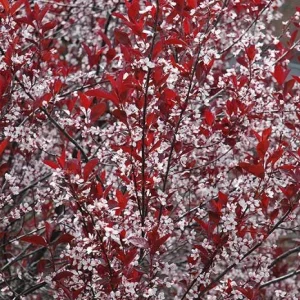
Transform your garden with the captivating Cistena Plum bare-root plant (Prunus × cistena), a remarkable deciduous ornamental shrub renowned for its striking deep purple leaves and delicate early spring blossoms. Often referred to as the Purple Sand Cherry care, this versatile plant offers year-round visual interest and ecological benefits. Its vibrant foliage provides a dramatic contrast in any landscape design, evolving from rich burgundy in spring to deeper purple hues throughout the summer. As a bare-root specimen, it’s ready to establish quickly in its new environment, offering a sustainable and economical way to introduce this beautiful shrub to your home or garden. The Cistena Plum is not only a feast for the eyes but also a haven for local wildlife, making it a perfect addition for those who appreciate both beauty and biodiversity.
The Cistena Plum is a hybrid plum, a cross between Prunus cerasifera ‘Pissardii’ and Prunus pumila, resulting in a hardy and adaptable plant that can thrive in a wide range of climates. Beyond its ornamental appeal, it also yields small, round, reddish fruits in late summer, which are enjoyed by birds and can even be used in jellies or preserves if desired. Its ability to be trained as a small tree or used as a hedging plant further enhances its versatility, making it a favorite among gardeners seeking a plant with multiple uses and enduring charm. This ornamental shrub purple leaves brings a unique color palette to your outdoor space.
Key Benefits
The Cistena Plum bare-root plant offers a multitude of benefits, making it an excellent choice for diverse garden styles and purposes. From its aesthetic appeal to its hardiness, this plant delivers consistent value and beauty.
-
Stunning Purple Foliage
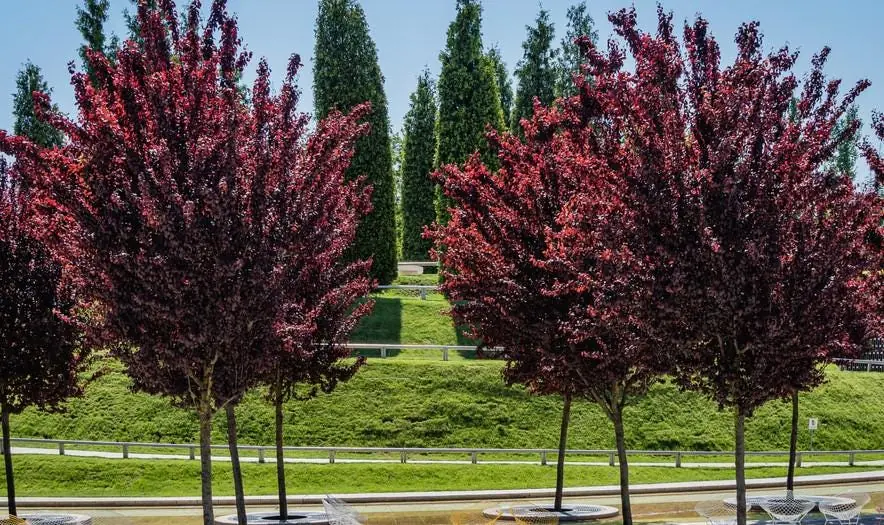
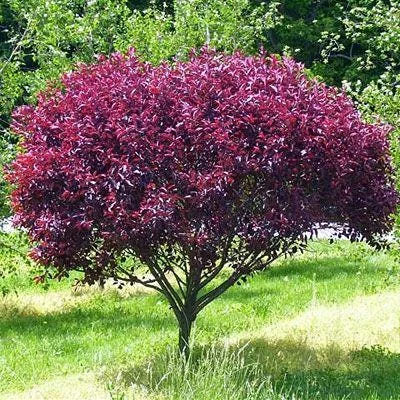
Enjoy vibrant, deep purple leaves throughout the growing season, providing a dramatic and sophisticated backdrop or focal point in your garden. This rich color persists from spring until fall, ensuring continuous visual interest. The unique coloration makes it stand out from typical green shrubs.
-
Beautiful Spring Blossoms
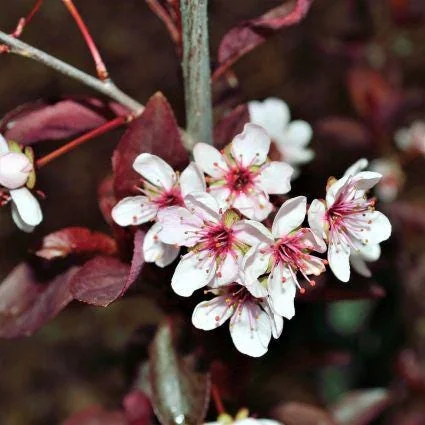
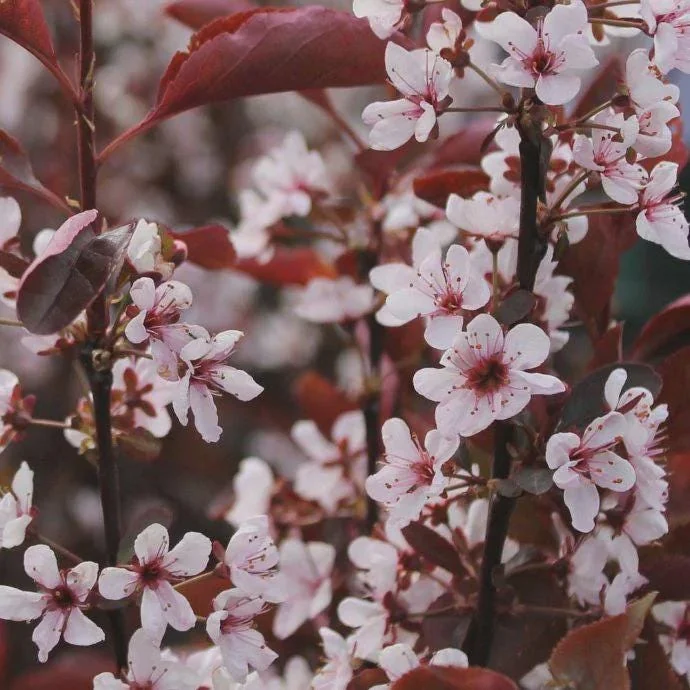
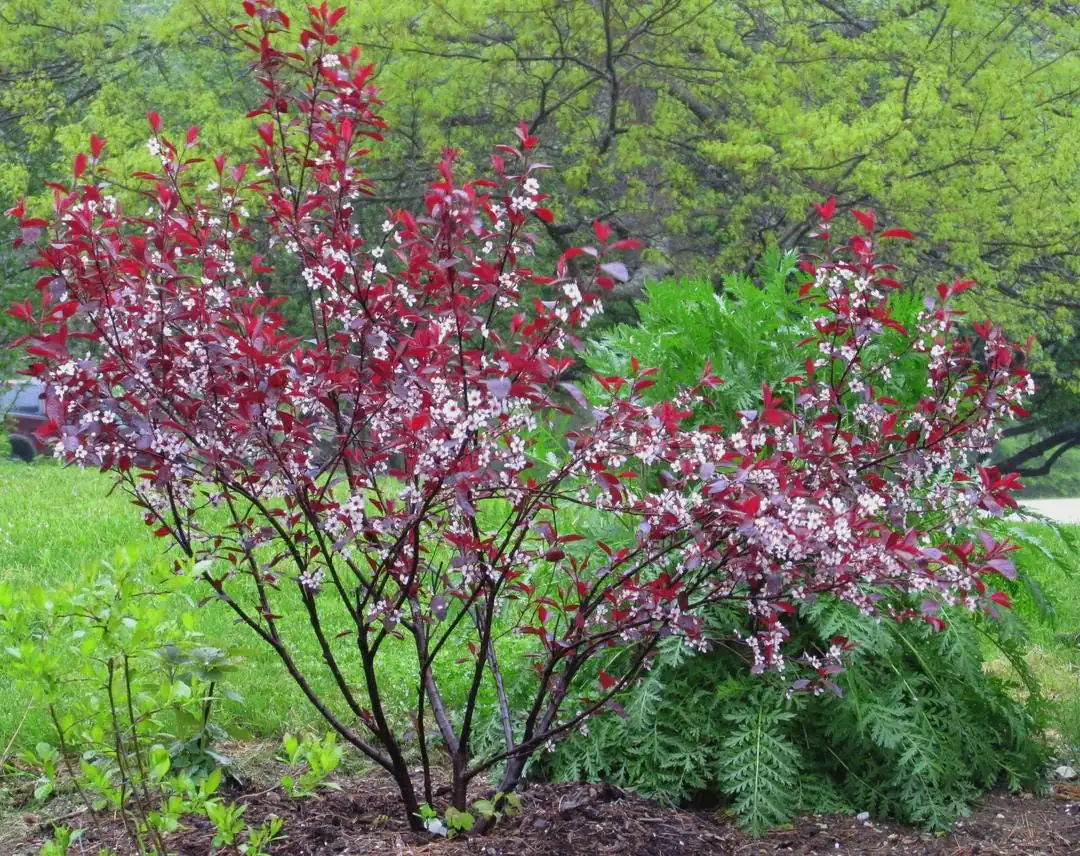
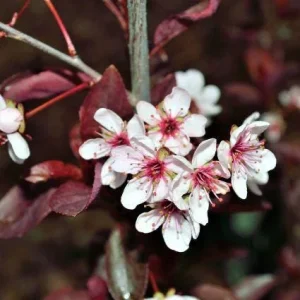
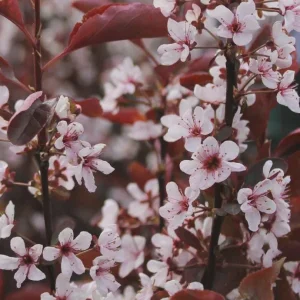
In early spring, the plant is adorned with delicate pink to white flowers, offering a charming display before the full foliage emerges. These blossoms add a touch of early-season beauty and signal the arrival of warmer weather.
-
Attractive Reddish Fruit
Later in the summer, the Cistena Plum produces small, round, reddish fruits that are not only ornamental but also a food source for birds. This provides an additional layer of natural beauty and supports local wildlife.
-
Versatile Landscape Use
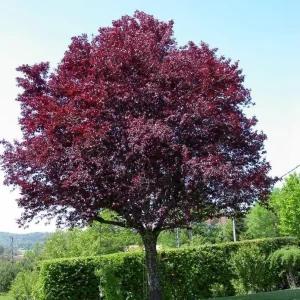
This shrub can be grown as a standalone specimen, trained into a small tree, or used to create an effective and colorful hedge. Its adaptable growth habit allows for various applications in garden design, making it a truly versatile choice. It’s a great option for those seeking a Prunus x cistena for hedging.
-
Excellent for Wildlife
The dense growth provides good nesting spaces for birds, and the fruits offer a seasonal food source, contributing to a healthy garden ecosystem. Attracting birds adds life and sound to your outdoor space.
-
Frost-Tolerant and Hardy
Known for its resilience, the Cistena Plum is highly frost-tolerant and can thrive in a wide range of climates, making it a reliable choice for many regions. It’s a truly frost tolerant plum, capable of handling cold temperatures.
-
Low Maintenance
Once established, this plant requires minimal care, making it suitable for both experienced gardeners and beginners. Its robust nature means less time spent on upkeep and more time enjoying its beauty.
Plant Care & Growing Tips
Proper care ensures your Cistena Plum bare-root plant flourishes, displaying its vibrant purple foliage and charming blossoms year after year. Understanding its basic needs will lead to a healthy and robust specimen. This hardy shrub is relatively easy to care for, making it a rewarding addition to most gardens. Its resilience is part of what makes the Purple Sand Cherry care so manageable.
For sunlight requirements, the Cistena Plum thrives in full sun, meaning it needs at least 6-8 hours of direct sunlight per day to maintain its best color and promote healthy growth. While it can tolerate partial shade, the purple leaf coloration may be less intense. When it comes to watering, consistent moisture is key, especially during its establishment period. Water deeply once or twice a week, or more frequently during hot, dry spells, ensuring the soil remains moist but not waterlogged. Once established, it becomes more drought-tolerant. Well-draining soil is crucial; a loamy soil enriched with organic matter is ideal. Avoid heavy clay soils that retain too much water, which can lead to root rot. The Cistena Plum is highly frost-tolerant, suitable for USDA Hardiness Zones 2a through 8. It can withstand significant cold, making it a reliable choice for northern climates. Fertilization is not always necessary if planted in rich soil, but a balanced slow-release fertilizer in early spring can boost growth. Common problems typically involve pests like aphids or spider mites, which can usually be managed with insecticidal soap, or fungal issues like powdery mildew, which can be prevented with good air circulation.
Pruning is best done in late winter or early spring while the plant is dormant. This helps maintain its shape, promotes new growth, and removes any dead or damaged branches. If you intend to train it as a small tree, focus on developing a strong central leader and removing lower branches. For hedging, regular trimming will encourage dense growth. Ensure proper air circulation around the plant to prevent fungal diseases. The Prunus x cistena is generally a robust plant, and with these care tips, it will provide years of beauty.
Size & Details
The Cistena Plum bare-root plant typically grows as a compact to medium-sized shrub, reaching an average height of 6-10 feet with a similar spread. However, it can be trained to grow as a small tree, potentially reaching up to 15 feet tall, depending on pruning and environmental conditions. Its growth rate is moderate, establishing quickly and adding noticeable size each year. As a bare-root plant, it will arrive dormant, without soil around its roots, which is an ideal state for transplanting and encourages rapid root development once planted. This method ensures a healthy start and reduces transplant shock. Expect the plant to begin leafing out and showing signs of growth within a few weeks of planting, given proper care and favorable conditions. The small, reddish fruits usually appear in late summer, following the spring blossoms. This ornamental shrub purple leaves will add significant visual impact to your garden.
Frequently Asked Questions
- Q: How big does the Cistena Plum bare-root plant get? A: The Cistena Plum bare-root plant typically grows to a height of 6-10 feet and a similar spread as a shrub. If trained as a small tree, it can reach up to 15 feet tall with proper pruning. Its mature size makes it a versatile landscape choice.
- Q: Is this an indoor or outdoor plant? A: The Cistena Plum is an outdoor plant, hardy in USDA Zones 2a-8. It requires full sun exposure to thrive and develop its characteristic deep purple foliage. It is not suitable for indoor cultivation.
- Q: How much sunlight does the Purple Sand Cherry need? A: For optimal growth and vibrant foliage color, the Purple Sand Cherry care requires full sun, meaning at least 6 to 8 hours of direct sunlight per day. Partial shade may result in less intense purple coloration.
- Q: Is this plant easy to care for? A: Yes, the Cistena Plum is considered relatively easy to care for once established. It is drought-tolerant and requires minimal pruning for maintenance. It’s a great option for both beginner and experienced gardeners.
- Q: What condition will the bare-root plant arrive in? A: Your Cistena Plum bare-root plant will arrive dormant, without soil around its roots. This is the ideal state for planting and ensures a healthy start. The roots will be carefully packaged to retain moisture during transit.
- Q: When is the best time to plant a frost tolerant plum? A: The best time to plant a bare-root Cistena Plum is in early spring, after the last hard frost but before the plant breaks dormancy. This allows the roots to establish before the heat of summer. Fall planting is also possible in milder climates.
- Q: Will the Prunus x cistena survive winter in my zone? A: The Prunus x cistena is highly frost-tolerant and hardy down to USDA Zone 2a, meaning it can withstand very cold winter temperatures. If you are within zones 2a-8, it should survive winter without special protection.


Reviews
There are no reviews yet.