Overview
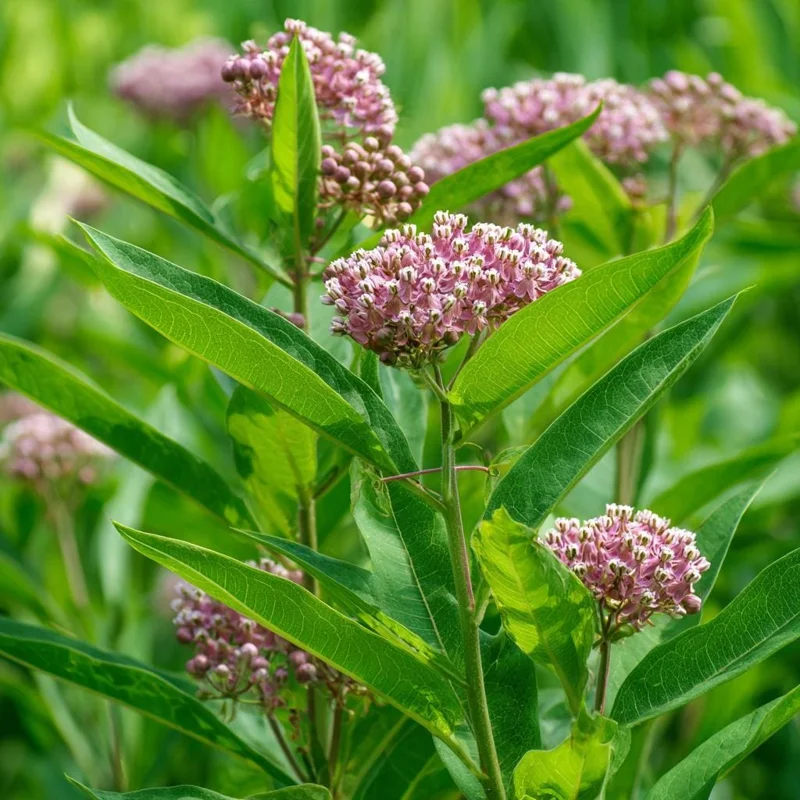
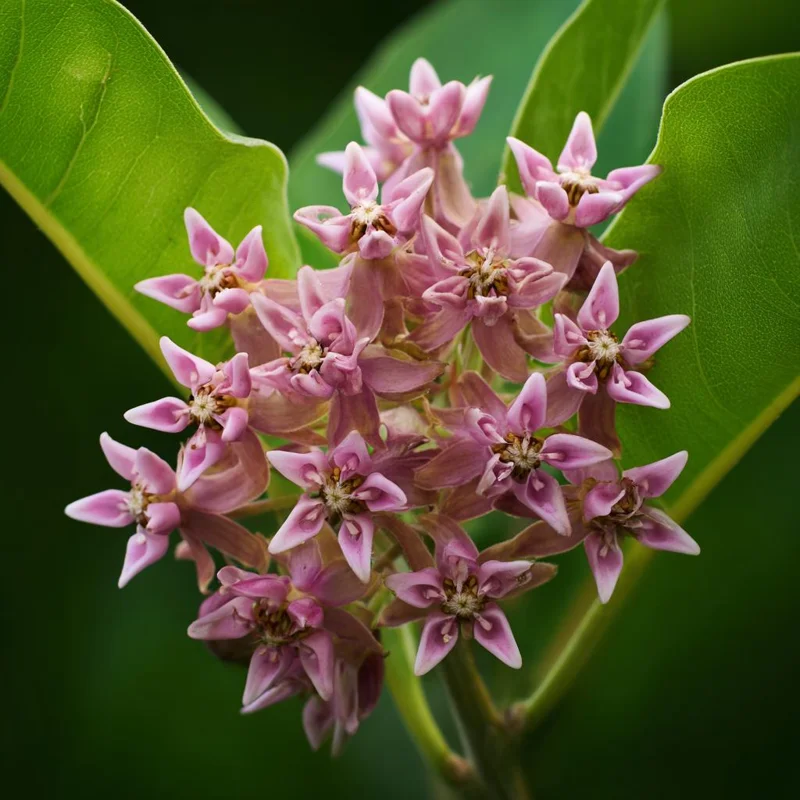
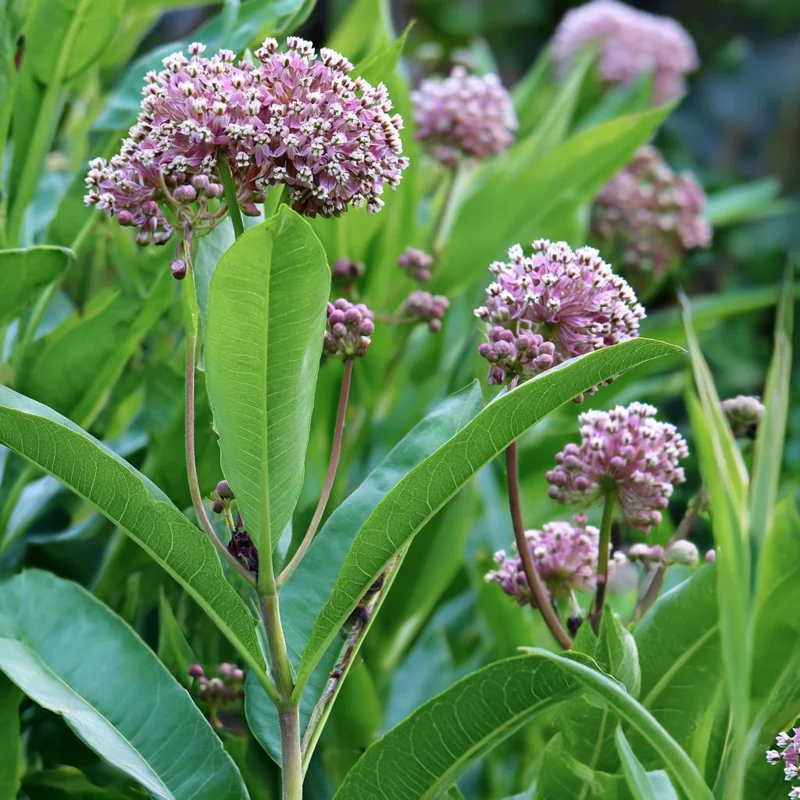
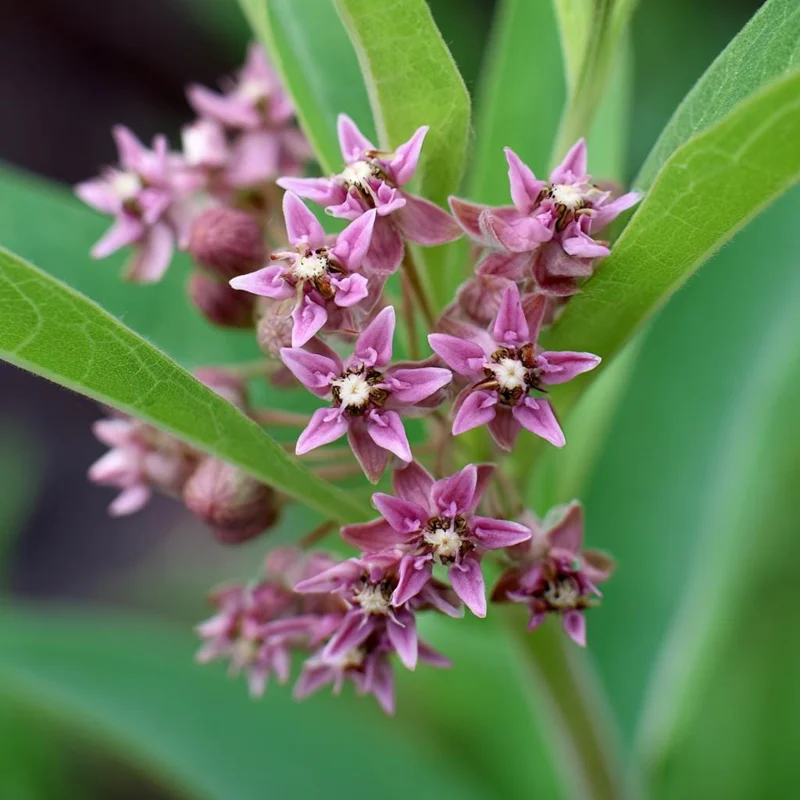
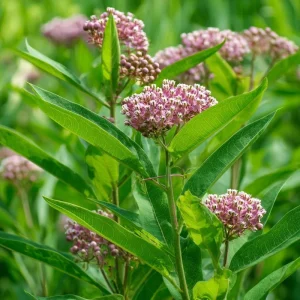
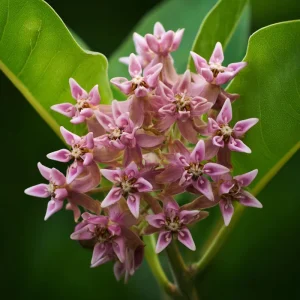
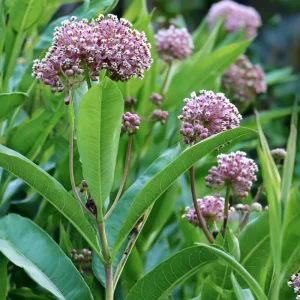
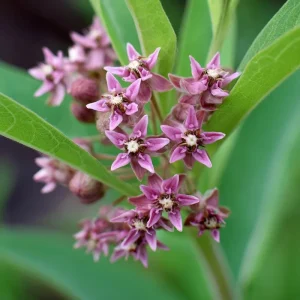
Introduce a cornerstone of native ecosystems to your garden with these premium common milkweed seeds (Asclepias syriaca). Known for its vital role in supporting monarch butterfly populations, this hardy perennial is a must-have for any pollinator-friendly landscape. Each packet contains 50 high-quality seeds, ready to transform your outdoor space into a haven for beneficial insects. Common milkweed seeds sprout into robust plants featuring attractive pink-purple flower clusters that release a sweet fragrance, enhancing the beauty and biodiversity of your garden beds, meadows, or naturalized areas. Growing a native milkweed plant from seed is a rewarding experience, contributing directly to the health of local wildlife and the environment.
Whether you’re an experienced gardener or just starting your journey into native plant cultivation, these native milkweed seeds offer an accessible way to make a significant impact. Asclepias syriaca is renowned for its resilience and adaptability, thriving in various conditions once established. By planting these seeds, you’re not just growing a plant; you’re cultivating a crucial food source and habitat for a multitude of pollinators, including bees and hummingbirds, making your garden a vibrant hub of activity. Embrace the satisfaction of nurturing life and contributing to conservation efforts right in your backyard with these exceptional seeds.
Key Benefits
Planting common milkweed seeds offers a wealth of benefits for your garden and the environment. These advantages extend beyond mere aesthetics, contributing significantly to ecological health and garden vitality:
- Monarch Butterfly Support: Common Milkweed is the sole host plant for monarch butterfly caterpillars. By growing these monarch butterfly plant seeds, you provide essential food and habitat for their life cycle, directly aiding in the conservation of this iconic species.
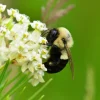
- Pollinator Attraction: The fragrant pink-purple flowers are a magnet for a wide array of pollinators, including various bee species, other butterflies, and hummingbirds. This enhances the overall health and productivity of your garden, making it a true pollinator garden seeds haven.
- Ecological Restoration: As a native species, asclepias syriaca seeds help restore natural habitats and promote biodiversity. Integrating native plants supports local ecosystems and creates a more resilient garden.
- Low Maintenance: Once established, common milkweed is incredibly hardy and requires minimal care. It’s drought-tolerant and resilient, making it an excellent choice for gardeners seeking a low-effort, high-impact plant. The ease of growing common milkweed seeds makes it ideal for many landscapes.
- Beautiful Blooms: Beyond its ecological value, common milkweed produces attractive clusters of star-shaped flowers that add visual interest and a pleasant aroma to any garden setting from summer through early fall.
- Soil Improvement: The deep root systems of milkweed can help improve soil structure and prevent erosion, contributing to healthier garden beds over time.
- Educational Value: Growing common milkweed seeds provides a fantastic educational opportunity for children and adults to learn about plant life cycles, pollination, and ecological interdependence.
Plant Care & Growing Tips
Growing common milkweed seeds is a straightforward process, but understanding its specific needs will ensure robust growth and abundant blooms. For optimal germination, these seeds benefit from a period of cold stratification. This can be achieved by placing the seeds in a moist paper towel inside a sealed plastic bag and refrigerating them for 30-60 days before sowing. Alternatively, you can sow the seeds outdoors in late fall or early spring, allowing nature to provide the necessary cold period. Plant asclepias syriaca seeds approximately ¼ inch deep in well-drained soil, ensuring they have good contact with the soil.
Common milkweed thrives in full sun, meaning it requires at least 6-8 hours of direct sunlight per day. While it can tolerate some partial shade, full sun exposure promotes the most vigorous growth and prolific flowering. The ideal soil type is well-drained and moderately fertile, though it is quite adaptable and can tolerate poorer soils. During the establishment phase, especially in its first year, water regularly to keep the soil consistently moist but not waterlogged. Once established, this plant is remarkably drought-tolerant and will only require supplemental watering during prolonged dry spells. Minimal fertilization is needed; an annual application of compost around the base of the plant is usually sufficient. Deadheading spent flowers can encourage a longer blooming period, though allowing some seed pods to develop is beneficial for wildlife and self-seeding. This plant is known for its resilience and is generally resistant to most pests and diseases, making it one of the easiest monarch butterfly plant seeds to grow.
Ensure adequate spacing of 12-18 inches between plants for proper air circulation and growth. It’s important to remember that asclepias syriaca seeds will produce plants that spread via rhizomes, forming colonies over time. This makes it an excellent choice for naturalized areas or meadows where its spreading habit is desirable. For garden beds, you might consider planting it where its spread can be managed or contained. The USDA hardiness zones for common milkweed typically range from 3 to 9, making it suitable for a wide variety of climates across the United States. Following these care instructions will help you successfully grow beautiful and ecologically valuable common milkweed seeds.
Size & Details
This product includes a packet containing 50 common milkweed seeds (Asclepias syriaca). These seeds are designed for direct sowing or indoor starting after proper cold stratification. Once germinated and established, common milkweed plants typically grow to a height of 3 to 6 feet, with a spread of 2 to 3 feet, forming dense clumps through underground rhizomes. The plants feature sturdy stems, broad leaves, and impressive clusters of pink-purple flowers that bloom from June to August, followed by distinctive large seed pods in late summer and fall. The growth rate is moderate to fast, with plants often flowering in their second year from seed. These seeds offer an economical way to establish a significant patch of this crucial native milkweed seeds.
The mature plants are robust and resilient, providing a continuous source of nectar for adult butterflies and leaves for monarch caterpillars throughout the growing season. Each seed pod, once mature, will burst open to release numerous flat, brown seeds, each attached to a silky parachute of white hairs, ready to be dispersed by the wind. This natural process allows for self-seeding and the expansion of your milkweed patch. Planting these pollinator garden seeds contributes to a sustainable and thriving ecosystem, ensuring future generations of butterflies and other beneficial insects have access to this essential resource.
Frequently Asked Questions
- Q: How many seeds are included in this packet? A: This packet contains 50 common milkweed seeds, providing ample opportunity to start a healthy patch of this beneficial native plant in your garden or naturalized area.
- Q: What is the best way to germinate common milkweed seeds? A: For best results, common milkweed seeds require cold stratification. You can either sow them outdoors in late fall or early spring, or stratify them in your refrigerator for 30-60 days before indoor planting.
- Q: Is this an indoor or outdoor plant? A: Common milkweed is an outdoor plant, ideally suited for garden beds, meadows, and naturalized landscapes where it can receive full sun and contribute to the local ecosystem.
- Q: How much sunlight does common milkweed need? A: Common milkweed thrives in full sun, requiring at least 6-8 hours of direct sunlight daily for optimal growth and flowering. It can tolerate some partial shade but may have fewer blooms.
- Q: Is common milkweed easy to care for? A: Yes, once established, common milkweed is a very low-maintenance and resilient plant. It is drought-tolerant and generally resistant to pests and diseases, making it suitable for gardeners of all experience levels. These make excellent pollinator garden seeds for beginners.
- Q: What condition will the seeds arrive in? A: The seeds will arrive as dry, viable seeds, packaged securely to maintain their quality and readiness for planting. They are not pre-germinated.
- Q: When is the best time to plant common milkweed seeds? A: The best time to plant is in late fall or early spring for outdoor sowing, or after cold stratification indoors 6-8 weeks before the last frost.
- Q: Will common milkweed survive winter in my zone? A: Common milkweed is a hardy perennial suitable for USDA Zones 3-9, meaning it will typically survive winter and return year after year in these climates.
- Q: Can I grow common milkweed in containers? A: While possible, common milkweed’s extensive root system and spreading habit make it better suited for in-ground planting. If using containers, choose large ones and be prepared for potential root binding.
- Q: Why are common milkweed seeds important for the environment? A: These native milkweed seeds are crucial because common milkweed is the exclusive food source for monarch butterfly caterpillars, directly supporting the life cycle and population of this important pollinator. Growing monarch butterfly plant seeds directly aids conservation.


Reviews
There are no reviews yet.