Overview
Discover the captivating beauty and delicious bounty of the contorted jujube live plant. This unique ornamental and fruit-bearing tree, also known as the ‘So’ or ‘Li’ jujube, stands out with its distinctively twisted and gnarled branching, making it a focal point in any landscape. Our contorted jujube live plant is a vigorous, grafted specimen, ensuring robust growth and early fruit production. It’s a fantastic choice for gardeners seeking both visual interest and an abundance of sweet, edible fruits. The jujube tree is celebrated for its hardiness and adaptability, making it a rewarding addition to a wide range of climates and garden styles.
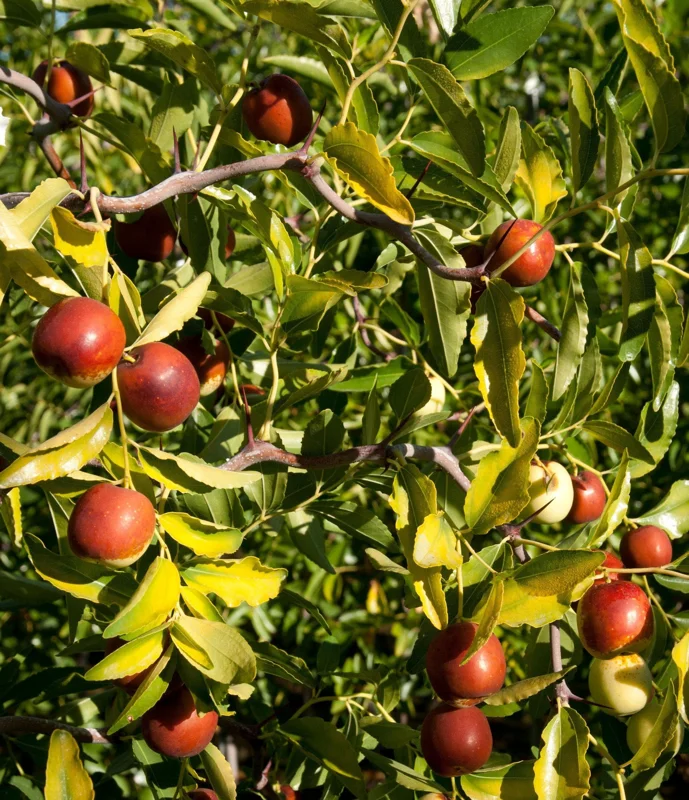
This particular jujube variety is renowned for its attractive, round-shaped fruits that ripen to a reddish-brown hue in early fall. They can be enjoyed fresh, offering a firm and crunchy texture, or allowed to room-dry for a chewy, date-like sweetness. Beyond its culinary appeal, the contorted jujube offers an interesting ornamental form throughout the year, especially in winter when its unique branching structure is most visible. It’s an excellent choice for those looking for a low-maintenance, drought-resistant, and virtually pest and disease-free fruit tree.
The contorted jujube live plant thrives in conditions with long, hot summers, making it particularly well-suited for many regions across the United States. Its low chilling requirement further enhances its versatility. Whether you’re an experienced horticulturist or a beginner gardener, this grafted jujube tree promises an abundance of visual appeal and tasty treats.
Key Benefits
Adding a contorted jujube live plant to your garden offers a multitude of advantages, blending aesthetic appeal with practical benefits. This remarkable tree is not only a source of delicious fruit but also a hardy, easy-care specimen.
- Unique Ornamental Value: The striking twisted and contorted branching habit of the contorted jujube live plant creates year-round visual interest, especially prominent in winter. This makes it an excellent specimen tree or an intriguing addition to a mixed border.
- Delicious Edible Fruits: Enjoy round, reddish-brown fruits that can be eaten fresh for a crunchy texture or dried to achieve a sweet, chewy, date-like consistency. These fruits are a healthy and delicious snack.
- Early Fall Harvest: Experience the joy of harvesting your own fruit in early fall, providing a fresh bounty when many other fruits are finishing their season.
- Exceptional Hardiness: This grafted jujube tree is known for its resilience, tolerating a wide range of conditions and proving to be very hardy in various climates.
- Drought Resistance: Once established, the contorted jujube is highly drought-resistant, reducing the need for frequent watering and making it a water-wise choice for your landscape.
- Virtually Pest and Disease Free: Enjoy a low-maintenance gardening experience as this tree is remarkably resistant to most common pests and diseases, minimizing the need for interventions.
- Low Chilling Requirement: Suitable for a broad range of climates, including those with milder winters, due to its minimal need for cold temperatures to set fruit.
Plant Care & Growing Tips
Caring for your contorted jujube live plant is relatively straightforward, thanks to its robust nature and adaptability. To ensure optimal growth and a bountiful harvest, understanding its specific needs is key. This hardy tree thrives in full sun, requiring at least 6-8 hours of direct sunlight daily to produce the sweetest fruits. While it tolerates a variety of soil types, well-draining soil is crucial to prevent root rot. If your soil is heavy clay, amending it with organic matter like compost or sand will improve drainage significantly. The ideal pH range for the grafted jujube tree is slightly alkaline to neutral.
Watering should be consistent during the first year after planting to help the tree establish a strong root system. Once established, the contorted jujube becomes highly drought-resistant, requiring less frequent irrigation. However, during prolonged dry spells, especially when fruits are developing, supplemental watering will benefit fruit size and quality. Fertilization is generally not heavily required; a balanced, slow-release fertilizer applied in early spring can support healthy growth, especially in poorer soils. Avoid over-fertilizing, which can promote leafy growth at the expense of fruit production. Understanding jujube tree care is simple.
The contorted jujube is hardy and generally pest and disease-free. Pruning is mainly for shaping the tree and removing any dead or crossing branches, best done in late winter or early spring before new growth begins. Its unique twisted branching can be highlighted through careful pruning. This tree requires a long, hot summer to properly ripen its fruits, so choose a location that receives ample warmth. It is partly self-fruitful but can benefit from cross-pollination with another jujube variety like ‘Lang’ for increased yields. With these simple tips, your contorted jujube live plant will flourish.
Size & Details
This contorted jujube live plant is shipped as a robust specimen, standing approximately 4 feet tall from the base of the pot, and comes rooted in a 3-gallon nursery container. This size provides a significant head start, allowing the tree to establish quickly in your garden. The ‘Bigger Trunk’ indicates a more mature and sturdier plant, ready for transplanting. Jujube trees are known for their moderate growth rate, typically reaching a mature height of 15-30 feet with a similar spread, though they can be kept smaller with pruning. The unique twisted branching becomes more pronounced with age, adding to its character.
The tree will arrive well-packaged to ensure its health during transit. Expected time to fruit production is relatively quick, often within 1-2 years after planting, especially for grafted specimens like this one. The early fall harvest provides a delightful seasonal treat. This grafted jujube tree is an investment that will continue to grow and provide beauty and produce for many years, becoming a beloved feature in your landscape. Its strong root system and established size contribute to its ease of transplanting and overall success.
Frequently Asked Questions
- Q: How big does this contorted jujube live plant get? A: This specific plant is 4 feet tall upon shipping in a 3-gallon pot. Mature contorted jujube trees typically grow to about 15-30 feet tall and wide, though their size can be managed with pruning.
- Q: Is this an indoor or outdoor plant? A: The contorted jujube live plant is an outdoor tree. It requires full sun and thrives in conditions with long, hot summers to properly ripen its fruits.
- Q: How much sunlight does a grafted jujube tree need? A: A grafted jujube tree needs at least 6-8 hours of direct sunlight per day to ensure healthy growth and optimal fruit production. Full sun exposure is highly recommended.
- Q: Is this plant easy to care for? A: Yes, the contorted jujube is considered an easy-to-grow tree. It is hardy, drought-resistant once established, and generally free from significant pests and diseases, making jujube tree care quite manageable.
- Q: What condition will it arrive in? A: Your contorted jujube live plant will be carefully packaged and shipped in a 3-gallon pot, ensuring it arrives healthy and ready for planting.
- Q: Can I use the fruit for cooking? A: Yes, the fruits of the contorted jujube are edible. They can be enjoyed fresh, offering a crunchy texture, or dried to achieve a sweet, chewy, date-like consistency, suitable for various culinary uses.
- Q: When is the best time to plant this tree? A: The best time to plant your contorted jujube tree is in early spring or fall, allowing it to establish its root system before extreme summer heat or winter cold.
- Q: What USDA hardiness zones is this ornamental fruit tree suitable for? A: The contorted jujube is generally suitable for USDA Hardiness Zones 6-10, though its low chilling requirement allows it to perform well in warmer climates.
- Q: Is the edible jujube fruit similar to any other fruit? A: The fresh fruit is often compared to a crisp apple, while the dried fruit has a texture and sweetness similar to dates, making it a versatile and delicious treat.
- Q: Does this tree require another jujube for pollination? A: The contorted jujube is partly self-fruitful, meaning it can produce fruit on its own. However, planting another variety, such as ‘Lang’, nearby can significantly increase fruit yield.


Reviews
There are no reviews yet.