Overview
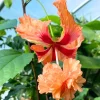
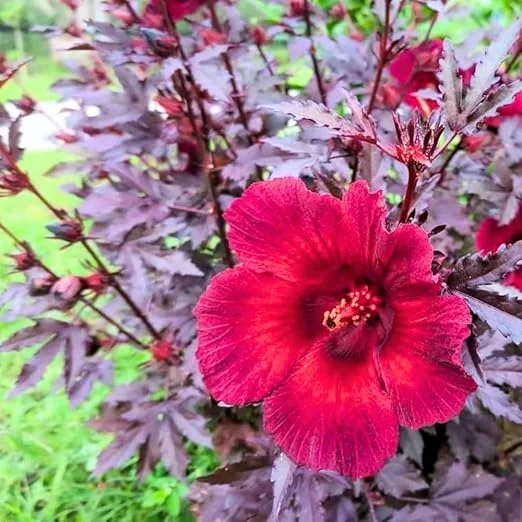
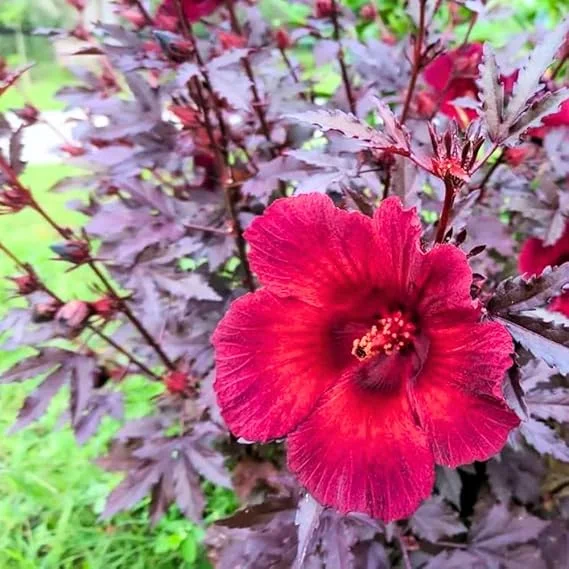
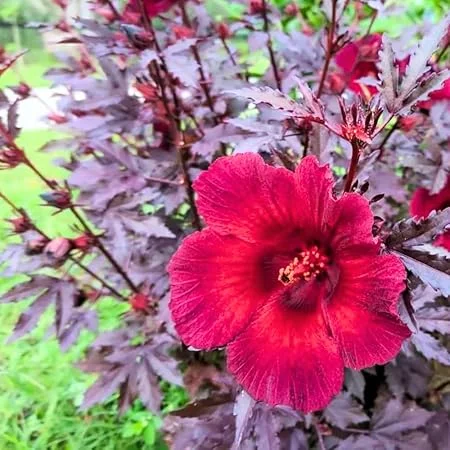
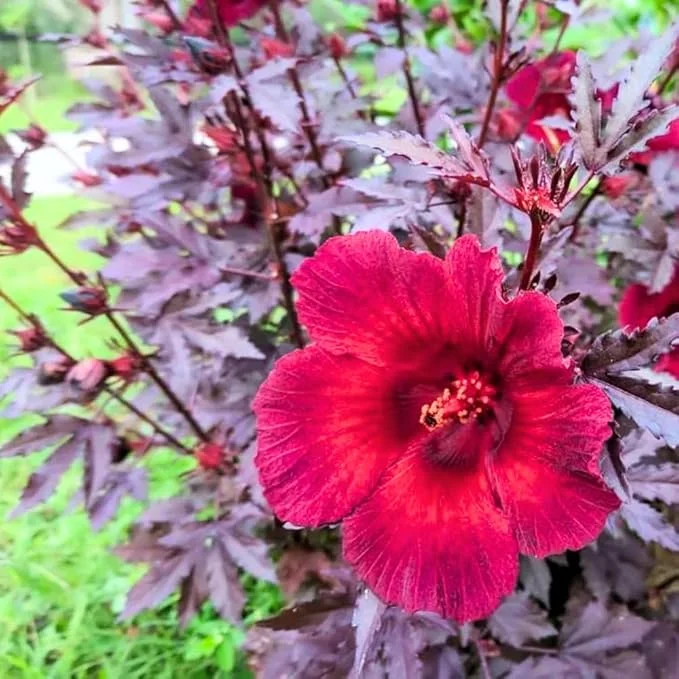
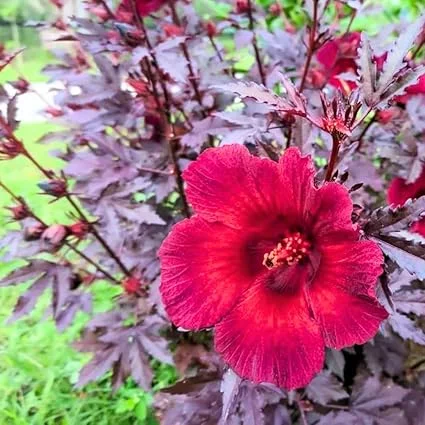
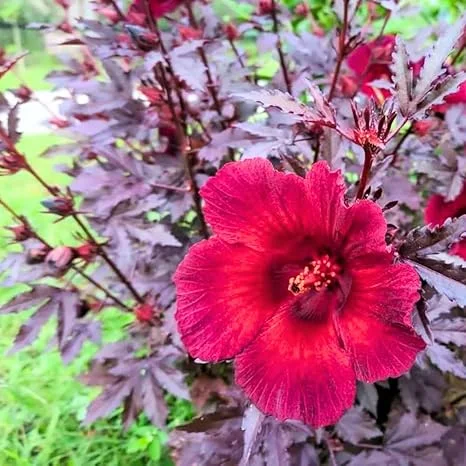
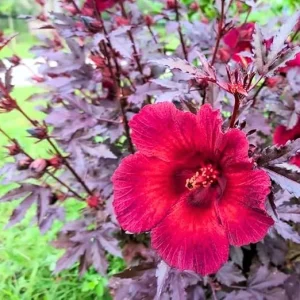
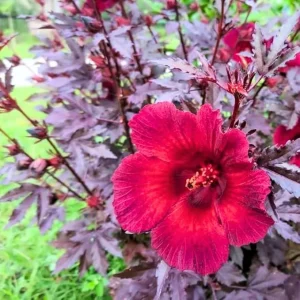
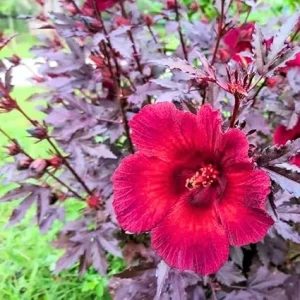
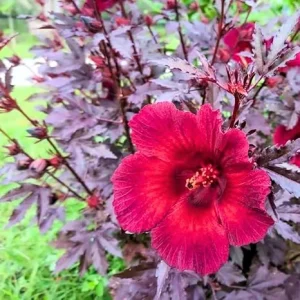
Transform your outdoor space with the stunning beauty of the Cranberry Hibiscus live plant. This offering includes a convenient 2-pack of well-rooted plants, each measuring 4-6 inches tall, ready to bring a touch of the tropics to your garden. Known scientifically as Hibiscus acetosella, the Cranberry Hibiscus is celebrated for its deeply lobed, cranberry-colored leaves and delicate red or pink blooms that add a dramatic flair to any landscape. Often referred to as False Roselle or African Rose Mallow, this fast-growing shrub is a favorite among gardeners seeking both ornamental appeal and unique edible qualities. Its vibrant foliage provides continuous interest throughout the growing season, making it an excellent choice for borders, hedges, or as a striking stand-alone specimen. These young plants are carefully nurtured to ensure they arrive healthy and ready to thrive, providing a rewarding gardening experience for both novice and experienced plant enthusiasts. The Cranberry Hibiscus live plant is a fantastic addition for those looking to cultivate a dynamic and colorful garden.
Key Benefits
Choosing the Cranberry Hibiscus live plant for your garden offers a multitude of advantages, blending aesthetic appeal with practical benefits. These resilient plants are a joy to cultivate and maintain, providing lasting beauty.
- Stunning Visual Appeal: The deeply lobed, rich crimson leaves and charming red flowers create a dramatic visual impact, offering year-round color in warmer climates and making it a focal point in any garden design.
- Edible Qualities: Both the leaves and flowers of the Cranberry Hibiscus live plant are edible, with a tart, cranberry-like flavor. They can be used in salads, teas, and stir-fries, adding a unique culinary dimension to your garden.
- Fast Growing & Vigorous: These plants are known for their rapid growth, quickly establishing themselves and filling out spaces to create lush, vibrant displays. They can reach mature heights of 3-5 feet, providing substantial greenery.
- Attracts Pollinators: The beautiful flowers are a magnet for hummingbirds, butterflies, and other beneficial pollinators, contributing to the biodiversity and health of your garden ecosystem.
- Low Maintenance & Drought Tolerant: Once established, Red Hibiscus plants are relatively easy to care for and can tolerate periods of drought, making them suitable for busy gardeners or those in drier regions.
- Versatile Landscaping Use: Perfect for creating colorful hedges, adding texture to mixed borders, growing in large containers, or as a vibrant accent plant. Its adaptability makes it a versatile choice for various garden styles.
- Disease and Pest Resistant: The Cranberry Hibiscus generally exhibits good resistance to common garden pests and diseases, requiring less intervention and ensuring a healthier plant.
Plant Care & Growing Tips
Ensuring the success of your Cranberry Hibiscus live plant involves understanding its basic needs for sunlight, water, and soil. These tropical beauties thrive when provided with the right conditions, leading to robust growth and abundant foliage and blooms. Proper Hibiscus plant care is straightforward and rewarding, allowing even beginner gardeners to enjoy their vibrant presence.
For optimal growth, the Cranberry Hibiscus prefers full sun, meaning at least 6 hours of direct sunlight per day. While it can tolerate partial shade, too little sun may reduce the intensity of its leaf color and flowering. In very hot climates, some afternoon shade can be beneficial to prevent leaf scorch. When it comes to watering, consistent moisture is key, especially during dry spells and the plant’s active growing season. The soil should be kept moist but never waterlogged. Allow the top inch or two of soil to dry out slightly before watering again. Good drainage is crucial to prevent root rot. This plant thrives in well-draining soil that is rich in organic matter. A slightly acidic to neutral pH (6.0-7.0) is ideal. Amending heavy clay soils with compost or sand can improve drainage and aeration. The Cranberry Hibiscus is a tropical plant and is best suited for USDA Growing Zones 9-11, where it can be grown as a perennial. In colder zones, it can be grown as an annual or overwintered indoors as a container plant. Fertilize during the growing season (spring and summer) with a balanced, slow-release fertilizer or a liquid feed every 2-4 weeks. Pruning can be done to maintain shape, encourage bushier growth, and promote more flowers. Remove any dead or leggy branches. Watch out for common pests like aphids or spider mites, which can be managed with insecticidal soap if necessary. Following these guidelines will help your Cranberry Hibiscus live plant flourish.
Size & Details
Each offering includes a set of two live, well-rooted Cranberry Hibiscus live plant specimens, ready for planting. These young plants arrive at an impressive height of 4-6 inches tall, providing a healthy start for your garden. The Cranberry Hibiscus is known for its vigorous growth habit, quickly establishing itself and developing into a substantial shrub. At maturity, these plants typically grow to a height of 3-5 feet tall and can spread similarly wide, creating a dense and colorful presence in your landscape. They are shipped in their nursery pots, ensuring minimal transplant shock upon arrival. Expect these plants to grow rapidly during warm seasons, potentially reaching their mature height within one to two growing seasons under optimal conditions. The vibrant red foliage is present from the moment they leaf out, and flowering can begin as early as the first year, adding immediate beauty to your garden. This Tropical plant outdoor variety is perfect for gardeners looking for a striking and fast-growing addition.
Frequently Asked Questions
- Q: How big does this plant get? A: The Cranberry Hibiscus live plant typically grows to a mature height of 3-5 feet tall and can spread equally wide, forming a dense and bushy shrub. Its growth rate is quite rapid, especially in warm climates with adequate moisture and sunlight.
- Q: Is this an indoor or outdoor plant? A: This is primarily an outdoor plant, thriving in USDA Growing Zones 9-11 as a perennial. In colder zones, it can be grown as an annual or brought indoors during winter as a container plant. It performs best in a sunny outdoor location.
- Q: How much sunlight does it need? A: The Red Hibiscus plants prefers full sun, meaning at least 6 hours of direct sunlight daily. While it can tolerate partial shade, full sun promotes the best foliage color and flowering.
- Q: What condition will it arrive in? A: Your Cranberry Hibiscus live plant will arrive as a set of two well-rooted, healthy plants, each 4-6 inches tall, carefully packaged in their nursery pots to ensure minimal stress during transit. They will be ready for immediate planting or potting.
- Q: Is this plant easy to care for? A: Yes, Hibiscus plant care is relatively easy. Once established, the Cranberry Hibiscus is quite resilient and tolerant of various conditions, including some drought. Regular watering and occasional feeding will keep it thriving.
- Q: Can I use Cranberry Hibiscus in cooking? A: Absolutely! The leaves and flowers of the Edible Hibiscus have a tart, cranberry-like flavor and are commonly used in salads, teas, and various culinary dishes. They add a unique zest and beautiful color to your recipes.
- Q: How long until it blooms? A: With proper care and favorable growing conditions, your Cranberry Hibiscus can begin to produce its beautiful red or pink flowers as early as the first growing season after planting. Flowering typically occurs during the warmer months.
- Q: What’s the best soil for Cranberry Hibiscus? A: This plant prefers moist, well-draining soil that is rich in organic matter. A slightly acidic to neutral pH is ideal. Avoid heavy, waterlogged soils to prevent root issues.
- Q: Will it survive winter in my zone? A: If you are in USDA Zones 9-11, your Cranberry Hibiscus will likely survive winter as a perennial. In colder zones, it will need to be treated as an annual or brought indoors before the first frost.
- Q: Is this a true Hibiscus? A: While commonly called Cranberry Hibiscus, it is botanically Hibiscus acetosella, a close relative of the more commonly known ornamental hibiscus varieties. It is also sometimes referred to as African Rose Mallow.


Reviews
There are no reviews yet.