Overview
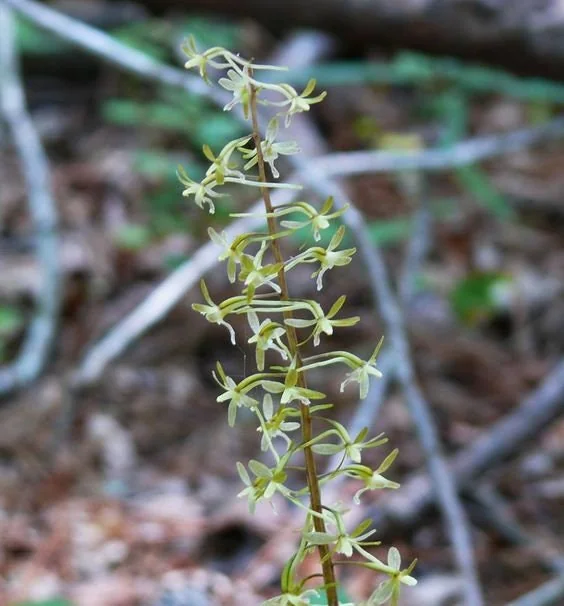
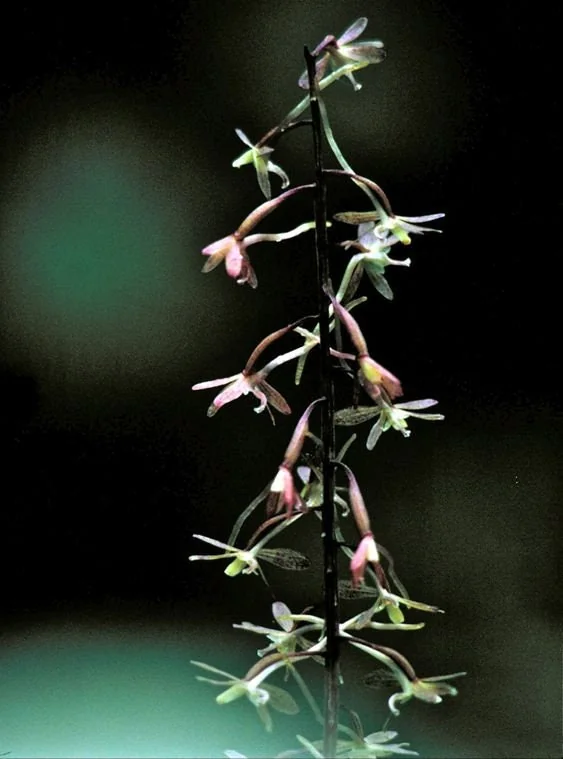
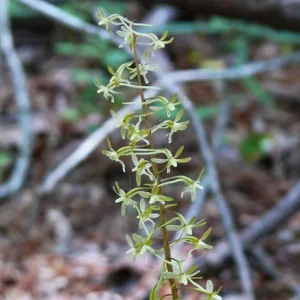
Introducing the captivating Cranefly Orchid bare root (Tipularia Discolor), a truly unique addition to any shade garden. This fascinating native terrestrial orchid is cherished for its delicate beauty and intriguing growth habit. Unlike many orchids, the Cranefly Orchid plant typically produces a single, oval-shaped basal leaf in the fall that persists through winter before disappearing in late spring. Then, in late summer, a slender scape emerges, bearing a graceful display of purplish-green flowers. Known for its resilience and ability to thrive in specific conditions, the Tipularia Discolor offers an exceptional aesthetic for naturalized areas and woodland gardens.
The Cranefly Orchid bare root is an ideal choice for gardeners seeking to introduce understated elegance and natural charm to their landscapes. Its distinctive seasonal cycle and subtle coloration make it a conversation starter and a rewarding plant to observe. When establishing this orchid, understanding its specific needs, such as shady conditions and acidic soil, will ensure successful growth and enjoyment of its unique blooms.
Key Benefits
Cultivating the Cranefly Orchid bare root brings a host of unique advantages to your garden, enhancing its natural beauty and biodiversity. This plant is not only visually appealing but also offers ecological benefits.
- Unique Seasonal Interest: Enjoy a dynamic display with foliage in winter and delicate purplish-green blooms in late summer, providing continuous interest when many other plants are dormant. The slender scape can reach 8-26 inches tall, presenting 20-30 individual blooms.
- Adaptable to Shade: Thrives in challenging shady conditions where many flowering plants struggle, making it perfect for woodland gardens, under deciduous trees, or on the north side of buildings.
- Low Maintenance Once Established: After initial planting and care, the Cranefly Orchid bare root requires minimal intervention, preferring to naturalize and spread gently in suitable environments.
- Distinctive Foliage: The single, oval-shaped basal leaf is dull green and pleated on top with a striking purple underside, adding unique texture and color to your garden floor. This characteristic foliage helps in identifying the Tipularia Discolor plant even when not in bloom.
- Attracts Pollinators: Its subtle blooms can attract specific nocturnal moths, contributing to local pollinator populations and enhancing the ecological balance of your garden.
- Native Charm: As a native species, it integrates seamlessly into local ecosystems, supporting regional flora and fauna while adding an authentic touch to your landscape.
- Conversation Starter: Its unusual growth cycle and delicate beauty make the Cranefly Orchid bare root a fascinating subject for garden enthusiasts and visitors alike.
Plant Care & Growing Tips
Successfully growing Cranefly Orchid requires attention to its specific environmental preferences, particularly regarding light, soil, and moisture. This species thrives in conditions that mimic its natural woodland habitat. For optimal growth, plant your Cranefly Orchid bare root in a location that receives full to partial shade. Deep shade is often preferred, especially in warmer climates, protecting the delicate foliage from harsh sun. Avoid direct, intense sunlight, which can scorch the leaves and hinder flowering.
The soil is a critical factor for the Tipularia Discolor. It requires well-draining, acidic soil rich in organic matter. A pH between 4.5 and 6.0 is ideal. Incorporating leaf mold, compost, or peat moss into the planting area can help achieve the desired acidity and improve soil structure. While the plant prefers consistently moist soil, it is intolerant of waterlogged conditions, which can lead to bulb rot. Ensure good drainage, especially during winter months when the leaf is active. During the active growing period for the flowers (summer), maintain moderate soil moisture; reduce watering during its dormant period.
The Cranefly Orchid bare root is generally hardy and tolerant of various temperatures within its natural range. It is typically suited for USDA Hardiness Zones 5-9. Fertilization should be minimal; an annual application of a balanced, slow-release organic fertilizer in spring can be beneficial, but excessive feeding is not recommended. Common problems typically relate to improper cultural conditions, such as too much sun or poor drainage. Pests are rarely an issue for this resilient native orchid, making growing Cranefly Orchid a relatively straightforward endeavor once its basic needs are met. For successful establishment, consider planting in fall or early spring.
Size & Details
Each purchase includes two Cranefly Orchid bare root bulbs (Tipularia Discolor), ready for planting. These bulbs are delivered in a dormant state, ensuring they are prepared for successful establishment in your garden. Once planted, the slender scape of the Cranefly Orchid will typically grow to a height of 8 to 26 inches, showcasing approximately 20 to 30 purplish-green blooms along its stalk. The distinctive single, oval-shaped basal leaf emerges in fall, growing to about 3-6 inches in length, and is dull green with a pleated texture on top, transitioning to a beautiful purple underneath.
Blooms typically appear from July to September, offering a stunning late-season display. The Tipularia Discolor plant has a moderate growth rate, establishing itself over a few seasons and gradually forming small clumps under ideal conditions. These bare root bulbs are a cost-effective and efficient way to introduce this unique native orchid to your shade garden, allowing for naturalization and long-term enjoyment. Expect the first blooms within one to two seasons after planting, depending on environmental conditions and care.
Frequently Asked Questions
- Q: How big does this Tipularia Discolor plant get? A: The flowering scape typically reaches a height of 8 to 26 inches. The single basal leaf, which appears in fall, is usually 3-6 inches long. The plant spreads slowly over time.
- Q: Is this an indoor or outdoor plant? A: The Cranefly Orchid bare root is an outdoor plant, best suited for naturalizing in shady garden areas, woodlands, or under deciduous trees. It is not generally grown as an indoor houseplant.
- Q: How much sunlight does it need? A: This orchid thrives in full to partial shade, preferring deep shade in warmer climates. Avoid direct, intense sunlight, which can damage the foliage and flowers.
- Q: Is this plant easy to care for? Is it good for beginners? A: Once established in suitable conditions (shady, acidic, well-draining soil), the Cranefly Orchid bare root is relatively low maintenance. However, its specific requirements for soil and light might make it slightly more challenging for absolute beginners compared to very common garden plants.
- Q: What condition will it arrive in? A: Your order will arrive as two dormant Cranefly Orchid bare root bulbs, carefully packaged for safe transit and ready for immediate planting upon arrival.
- Q: How long until it blooms? A: You can typically expect the Cranefly Orchid plant to bloom within one to two seasons after planting, with flowers appearing from July to September. Establishment time can vary based on planting conditions.
- Q: What’s the best time to plant the Cranefly Orchid bare root? A: The ideal time to plant these bare root bulbs is in the fall or early spring, allowing them to establish their root system before the summer blooming season.


Reviews
There are no reviews yet.