Overview
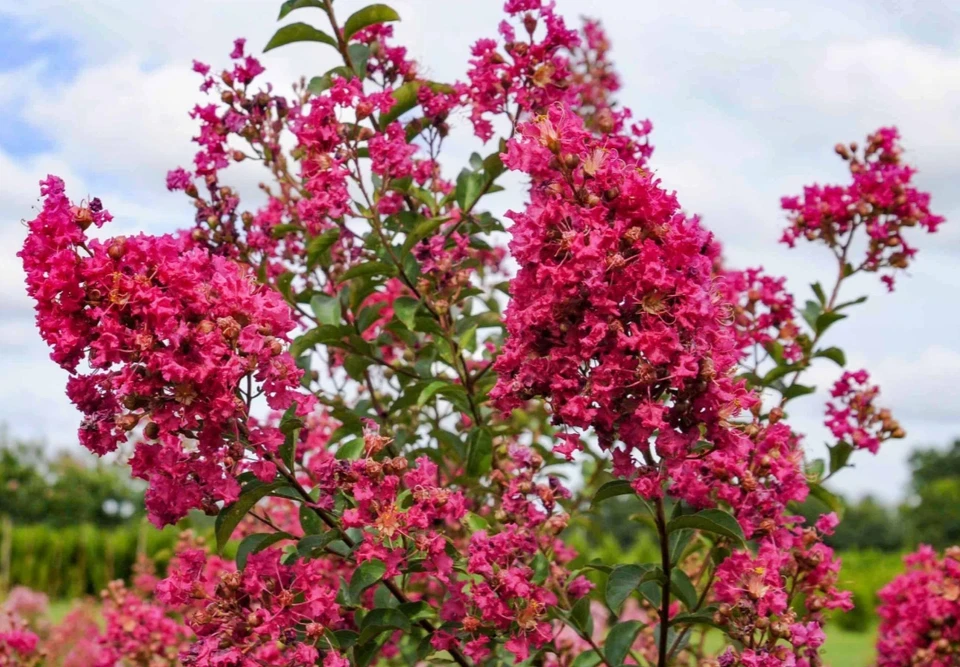
Introduce a touch of Southern charm and vibrant color to your landscape with this exquisite crape myrtle live plant. Renowned for its prolific and long-lasting summer blooms, the Crape Myrtle (Lagerstroemia indica) is a beloved deciduous shrub or small tree that thrives in warm climates. This beautiful plant offers more than just flowers; its attractive exfoliating bark provides year-round visual interest, peeling to reveal smooth, multi-toned underbark. Whether you’re looking to create a stunning focal point, a colorful hedge, or an elegant specimen plant, the crape myrtle live plant is an excellent choice for any garden, providing a spectacular display of color when many other plants have faded.
The Crape Myrtle is celebrated for its resilience and adaptability, making it a favorite among gardeners. Its ability to withstand heat and humidity, coupled with its relatively low maintenance requirements, ensures a rewarding growing experience. With a wide range of colors available, from soft pastels to rich, deep hues, you can easily find a crape myrtle live plant to complement your existing garden palette and create a truly breathtaking outdoor space.
Key Benefits
Choosing a crape myrtle live plant for your garden offers numerous advantages, transforming your outdoor space into a vibrant and inviting sanctuary. This plant provides continuous beauty and a host of practical benefits that make it a standout choice for any landscape.
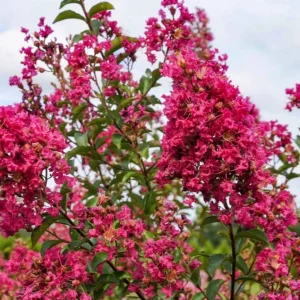
- Spectacular Summer Blooms: Enjoy an extended period of breathtaking flowers, typically from early summer through fall. The clusters of crinkled, crepe-paper-like petals create a stunning visual display that brightens any garden.
- Attractive Exfoliating Bark: Beyond its flowers, the Crape Myrtle offers unique ornamental value with its smooth, peeling bark that reveals beautiful shades of cinnamon, gray, and brown underneath, providing winter interest.
- Drought Tolerance: Once established, this resilient plant is highly tolerant of drought conditions, making it a water-wise choice for sustainable gardening and reducing the need for frequent irrigation.
- Heat and Humidity Resistant: Thrives in hot, humid climates, making it an ideal plant for regions where other flowering shrubs may struggle. It maintains its vigor and beauty even in challenging summer weather.
- Versatile Landscape Use: Can be grown as a multi-stemmed shrub, a small single-trunk tree, or even in containers. Its adaptability allows for various landscape applications, from hedges and borders to specimen plantings.
- Deer Resistant: Generally not favored by deer, offering a natural deterrent to protect your garden from common browsing damage.
- Low Maintenance: With proper initial planting and occasional pruning, crape myrtle care is relatively straightforward, allowing you more time to enjoy its beauty with less effort.
Plant Care & Growing Tips
Proper crape myrtle care is essential to ensure a healthy and vibrant plant that provides abundant blooms year after year. These tips will help you cultivate a thriving crape myrtle live plant in your garden. For successful growth, the Crape Myrtle requires a location that receives ample sunlight. It performs best in full sun, meaning at least six hours of direct sunlight per day. More sun generally leads to more prolific flowering. Ensure good air circulation around the plant to prevent fungal issues.
When it comes to watering, young Crape Myrtles need consistent moisture. Water deeply once or twice a week during their first growing season, especially during dry spells. Once established, they become quite drought-tolerant, but occasional deep watering during prolonged dry periods will promote better flowering. The ideal soil for growing crape myrtle is well-draining, loamy soil with a slightly acidic to neutral pH. Amend heavy clay soils with organic matter to improve drainage. Fertilize in early spring with a balanced slow-release fertilizer formulated for flowering shrubs. Avoid excessive nitrogen, which can promote foliage growth at the expense of flowers.
Pruning is a key aspect of crape myrtle care. The best time to prune is in late winter or early spring before new growth begins. Remove dead, damaged, or crossing branches. You can also thin out the interior to improve air circulation and shape the plant. Avoid excessive pruning, often called “crape murder,” which can weaken the plant and reduce flowering. A light trim of spent flowers (deadheading) can encourage a second flush of blooms. The crape myrtle shrub is generally hardy in USDA zones 7-9, though some varieties extend to zone 6. Protect young plants in colder zones during winter with mulch around the base.
Size & Details
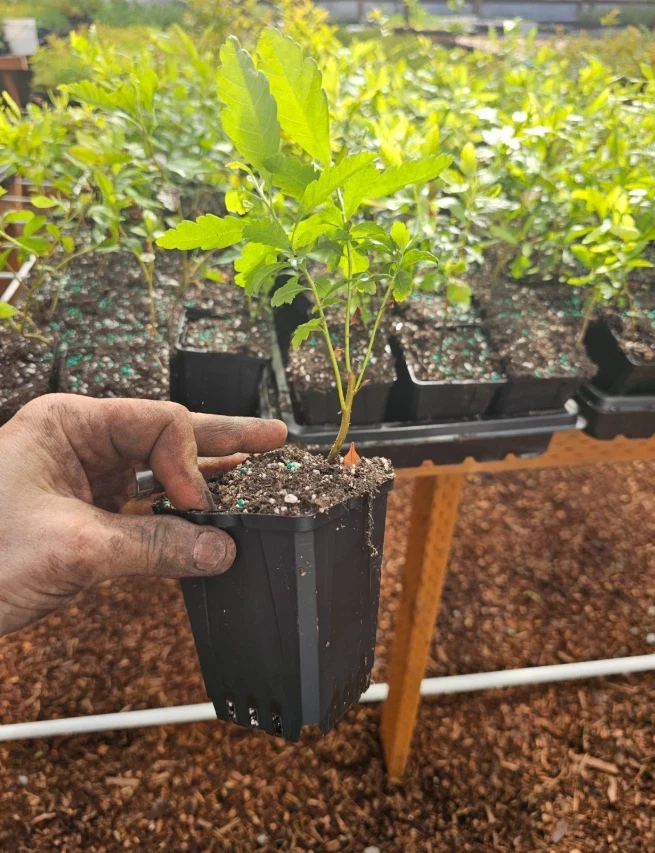
This crape myrtle live plant is typically shipped as a young, actively growing specimen, ready to be planted in your garden. The exact size will vary based on the growing season and specific cultivar, but it will be a healthy plant with an established root system, ensuring a strong start in your landscape. Crape Myrtles are known for their moderate to fast growth rate, quickly developing into a substantial shrub or small tree. Depending on the variety, they can reach mature heights ranging from 6 feet to over 20 feet tall, with a spread of 4 to 15 feet. Our plants are carefully packaged to ensure they arrive in excellent condition, ready for planting. Expect your plant to establish quickly and begin to show significant growth in its first full season in the ground. The time to first bloom can vary, but most will produce flowers in their first or second year after planting.
Frequently Asked Questions
- Q: How big does this plant get? A: The mature size of a crape myrtle live plant varies by cultivar, but most shrub forms grow between 6 to 15 feet tall and wide, while tree forms can reach 20 feet or more. We recommend checking the specific variety for exact mature dimensions.
- Q: Is this an indoor or outdoor plant? A: The Crape Myrtle is an outdoor plant, best suited for gardens and landscapes where it can receive full sun. It is not typically grown as an indoor houseplant.
- Q: How much sunlight does it need? A: For optimal flowering and health, a crape myrtle live plant requires full sun exposure, meaning at least 6-8 hours of direct sunlight per day.
- Q: What condition will it arrive in? A: Your crape myrtle live plant will arrive as a healthy, actively growing plant in a nursery pot, carefully packaged to minimize stress during transit. It will be ready for immediate planting upon arrival.
- Q: Is this plant easy to care for? A: Yes, crape myrtle care is considered relatively easy, making it a great choice for both novice and experienced gardeners. It’s drought-tolerant once established and generally low maintenance.
- Q: When is the best time to plant a crape myrtle? A: The best time for growing crape myrtle is in spring or early fall, allowing the plant sufficient time to establish its root system before extreme summer heat or winter cold.
- Q: Will it survive winter in my zone? A: Crape Myrtles are generally hardy in USDA Zones 7-9, with some newer varieties hardy down to Zone 6. In colder zones, some varieties may die back to the ground but regrow from the roots in spring.
- Q: What is the best way to prune a crape myrtle shrub? A: Prune in late winter or early spring before new growth emerges. Focus on removing dead, damaged, or crossing branches. Avoid heavy topping, often called ‘crape murder,’ and instead aim for a natural, open form.
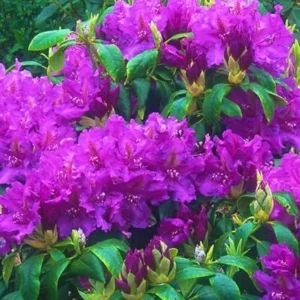
- Q: Are there different colors of crape myrtle flowers? A: Yes, Crape Myrtles come in a wide array of colors including white, pink, red, lavender, and variations of purple crape myrtle.
- Q: What kind of soil does a crape myrtle prefer? A: A crape myrtle live plant thrives in well-draining, loamy soil. It tolerates a range of soil types but dislikes consistently wet or poorly draining conditions.


Reviews
There are no reviews yet.