Overview
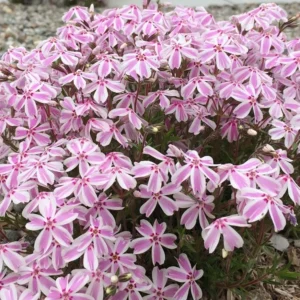
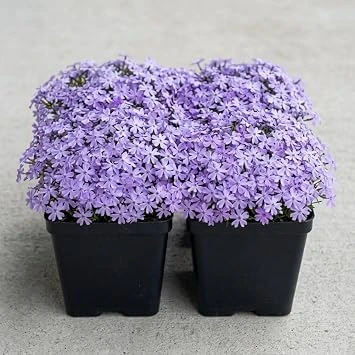
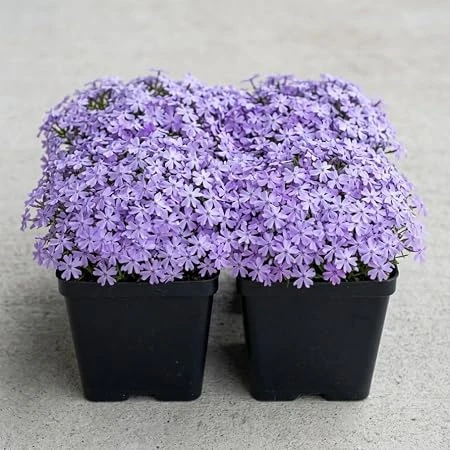
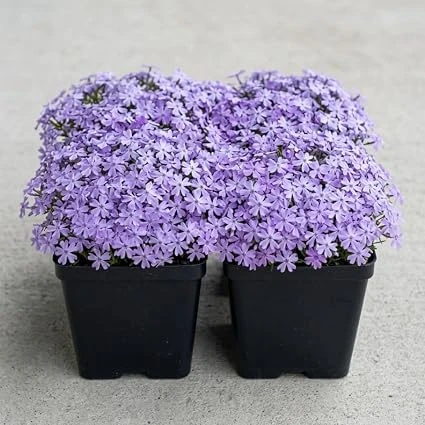
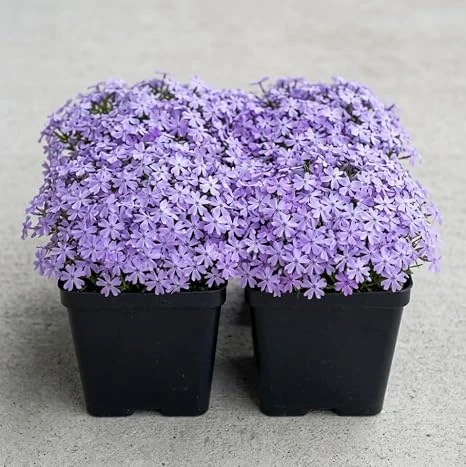
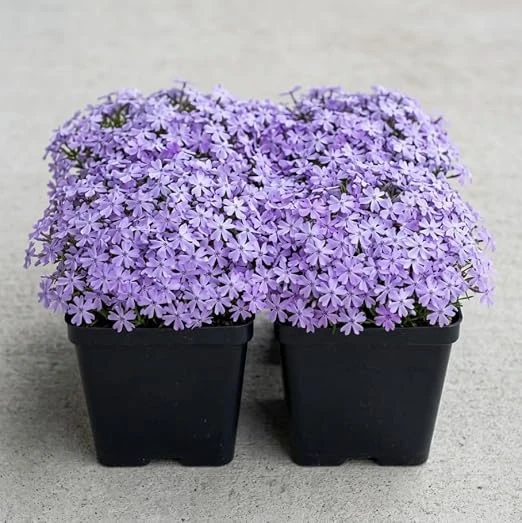
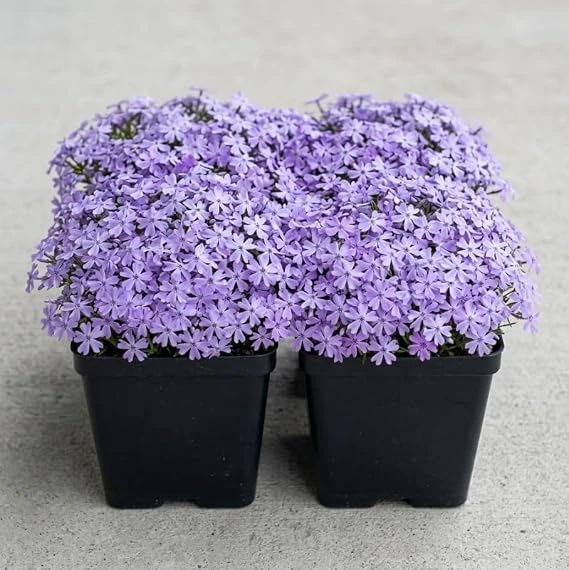
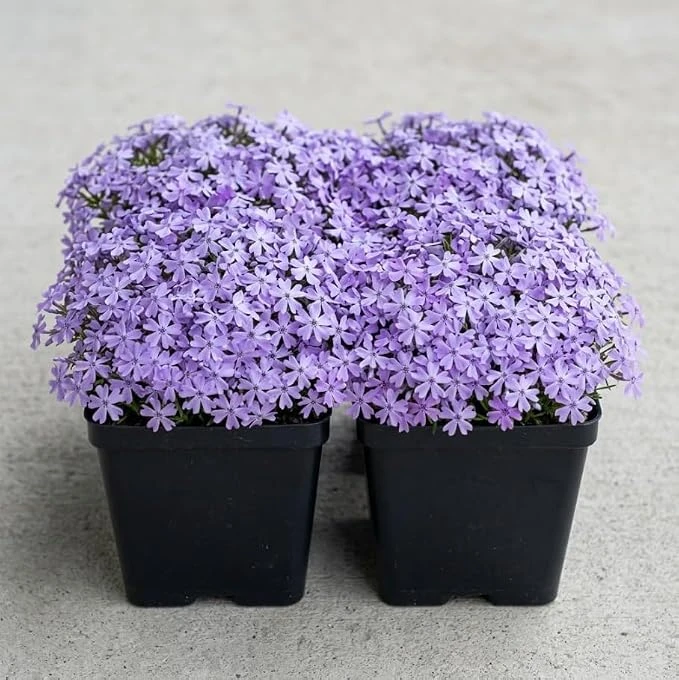
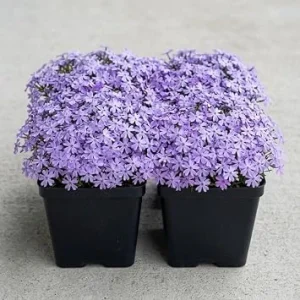
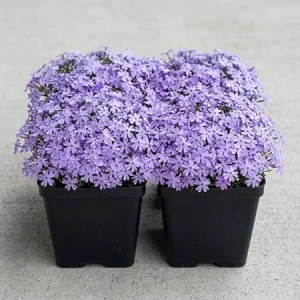
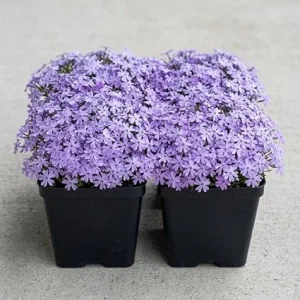
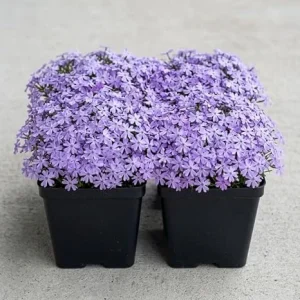
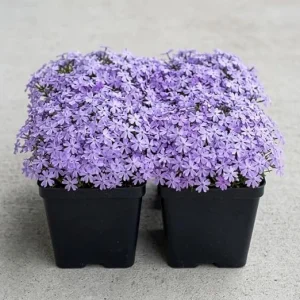
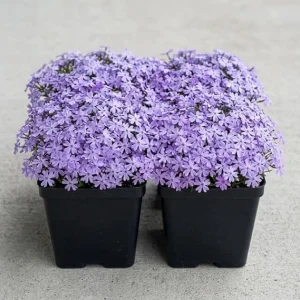
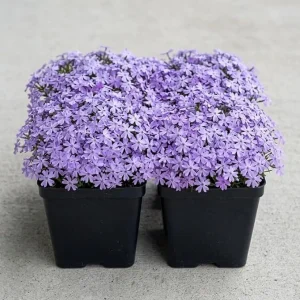
Discover the beauty and versatility of creeping phlox live plants, a fantastic choice for gardeners seeking vibrant, low-maintenance ground cover. This offering includes a convenient 4-pack of healthy plants, each nestled in a 4-inch nursery pot, ready for immediate transplanting into your garden. Known scientifically as Phlox subulata, also commonly referred to as Moss Phlox, these perennial flowering plants are celebrated for their dense, mat-forming habit and spectacular spring bloom. The blue variety provides a serene and captivating splash of color, transforming ordinary spaces into picturesque landscapes. Ideal for a wide range of outdoor applications, creeping phlox live plants are an excellent way to add lasting beauty and texture to your garden with minimal effort.
These hardy perennials are perfect for creating a lush, colorful carpet across various terrains. Whether you’re looking to stabilize a bank, soften the edges of a rock garden, or line a walkway with vibrant blue hues, creeping phlox live plants offer an easy and effective solution. They establish quickly, providing a dense cover that helps suppress weeds and reduce soil erosion. Their resilience and stunning visual appeal make them a favored choice among both novice and experienced gardeners.
Key Benefits
The addition of creeping phlox live plants to your garden brings a multitude of advantages, enhancing both its aesthetic appeal and ecological balance. These robust plants are not only beautiful but also incredibly practical, offering long-term value to any outdoor space.
- Stunning Spring Blooms: Each spring, these plants burst into a dazzling display of blue flowers, creating a breathtaking carpet of color that revitalizes any garden space. The vibrant blossoms are a true highlight of the early growing season.
- Excellent Ground Cover: Forming a dense, low-growing mat, creeping phlox live plants are perfect for covering large areas. They effectively suppress weeds, reduce soil erosion, and provide a lush, green backdrop even when not in bloom.
- Low Maintenance & Hardy: Once established, these perennials require minimal care, thriving with little intervention. They are known for their hardiness, tolerating various conditions and making them suitable for busy gardeners or those new to planting.
- Versatile Landscaping Use: Their adaptability makes them ideal for a variety of landscaping needs. Use them to cascade over rock walls, fill in gaps in perennial beds, line pathways, or create a natural border. They are also excellent for slopes and banks.
- Attracts Pollinators: The abundant flowers provide an early and valuable nectar source for bees, butterflies, and other beneficial pollinators, contributing to the health and biodiversity of your garden ecosystem.
- Drought Tolerant: After establishment, blue creeping phlox shows good drought tolerance, reducing the need for frequent watering, especially in areas with hot, dry summers.
- Deer Resistant: Generally, deer tend to avoid browsing on Creeping Phlox, making it a good choice for gardens in areas where deer are a concern.
Plant Care & Growing Tips
Caring for your creeping phlox live plants is straightforward, making them an excellent choice for gardeners of all experience levels. These resilient perennials are quite forgiving, provided their basic needs for sunlight, soil, and water are met. To ensure your phlox subulata perennial thrives and produces its spectacular spring blooms, follow these simple guidelines.
Sunlight Requirements: Creeping Phlox performs best in full sun, meaning at least 6 hours of direct sunlight per day. While they can tolerate partial sun, especially in hotter climates, too much shade will result in fewer flowers and a less dense growth habit. For optimal blooming and vigorous growth, choose a location in your garden that receives ample morning sun and some afternoon shade if summers are particularly intense. This will help prevent scorching and prolong the bloom period.
Watering Schedule and Soil Moisture: When first planted, consistent watering is crucial to help the ground cover plants establish strong root systems. Keep the soil consistently moist but not waterlogged for the first few weeks. Once established, Creeping Phlox is quite drought-tolerant and prefers drier conditions. Water deeply but infrequently, allowing the top inch or two of soil to dry out completely between waterings. Overwatering can lead to root rot, so ensure good drainage. During prolonged dry spells, a deep watering every week or two will suffice.
Soil Type and Drainage Requirements: These plants thrive in well-drained soil. They are not particular about soil pH but prefer a slightly acidic to neutral range. Sandy or loamy soils are ideal, as they prevent water from pooling around the roots. If you have heavy clay soil, amend it with organic matter like compost or sand to improve drainage before planting your rock garden plants. Good drainage is paramount for the health and longevity of your Creeping Phlox.
Temperature Range and USDA Hardiness Zone:Creeping phlox live plants are incredibly cold-hardy, typically thriving in USDA Hardiness Zones 3-9. They can withstand very cold winter temperatures and bounce back vigorously in the spring. In extremely hot climates (Zone 9+), some afternoon shade can be beneficial to protect them from intense heat. They are generally tolerant of a wide range of temperatures once established.
Fertilization Schedule and Type: Creeping Phlox are not heavy feeders. A light application of a balanced, slow-release granular fertilizer in early spring, just as new growth begins, is usually sufficient. Avoid over-fertilizing, as this can lead to excessive foliage growth at the expense of flowers. Alternatively, incorporating a layer of compost around the base of the plants in spring can provide adequate nutrients.
Common Problems and Solutions: These plants are relatively pest and disease resistant. The most common issues arise from poor drainage, which can lead to root rot or fungal diseases. Ensure proper soil preparation and avoid overwatering. Powdery mildew can occur in humid conditions or if plants are too crowded; ensure good air circulation by spacing plants appropriately. Slugs and snails may occasionally munch on foliage; organic slug baits or hand-picking can manage these pests.
Size & Details
This offering includes a pack of four healthy creeping phlox live plants, each cultivated and shipped in a 4-inch nursery pot. This pot size provides the roots with a robust head start, ensuring easy and successful transplanting into your garden. When mature, these low-growing perennials typically form a dense mat, spreading approximately 18 to 24 inches wide and reaching a height of about 4 to 6 inches. Their compact, spreading habit makes them an excellent choice for ground cover, cascading over retaining walls, or filling in spaces between larger plantings.
The plants are shipped as young, live specimens and may not be in full bloom upon arrival, as flowering and plant size can vary depending on the season and growing conditions. However, with proper care and planting, you can expect a spectacular display of blue flowers each spring. They exhibit a moderate growth rate, establishing well within their first season and expanding their coverage in subsequent years. These plants are ready to be placed directly into your garden beds, rockeries, or containers, providing vibrant color and texture for many seasons to come.
Frequently Asked Questions
- Q: How big does this plant get? A: Creeping phlox live plants typically grow to be about 4 to 6 inches tall and can spread up to 18 to 24 inches wide, forming a dense, low-growing mat.
- Q: What size pot does it come in? A: Each of the four plants in this pack arrives in a standard 4-inch nursery pot, providing a good root system for easy transplanting.
- Q: Is this an indoor or outdoor plant? A: Creeping phlox live plants are primarily outdoor perennial plants, best suited for garden beds, rockeries, and ground cover applications. They are not typically grown indoors.
- Q: How much sunlight does it need? A: For optimal growth and prolific blooming, Creeping Phlox requires full sun, meaning at least 6 hours of direct sunlight per day. It can tolerate partial sun, but flowering may be reduced.
- Q: Is this plant easy to care for? A: Yes, blue creeping phlox is considered very easy to care for. Once established, it is drought-tolerant and requires minimal maintenance, making it great for beginners.
- Q: What condition will it arrive in? A: Your plants will arrive as young, live specimens in their 4-inch pots, ready for planting. They may not be in bloom or at their full mature size upon arrival, as this varies by season.
- Q: Is it shipped in soil? A: Yes, each plant is shipped in its nursery pot with soil, ensuring the roots are protected and hydrated during transit.
- Q: How long until it blooms? A: If planted in the appropriate season, your phlox subulata perennial should produce its first flush of vibrant blue flowers in the spring following planting, or even the first spring if planted early.
- Q: When is the best time to plant? A: The best time to plant Creeping Phlox is in spring or early fall. This allows the plants to establish their root systems before the heat of summer or the cold of winter.
- Q: Will it survive winter in my zone? A: Creeping phlox live plants are very hardy and are suitable for USDA Zones 3-9, meaning they are well-equipped to survive cold winters in most regions of the US.
- Q: What’s the minimum temperature it can tolerate? A: These plants can tolerate temperatures well below freezing, typically down to -40°F (-40°C) in their hardiness zones.


Reviews
There are no reviews yet.