Overview
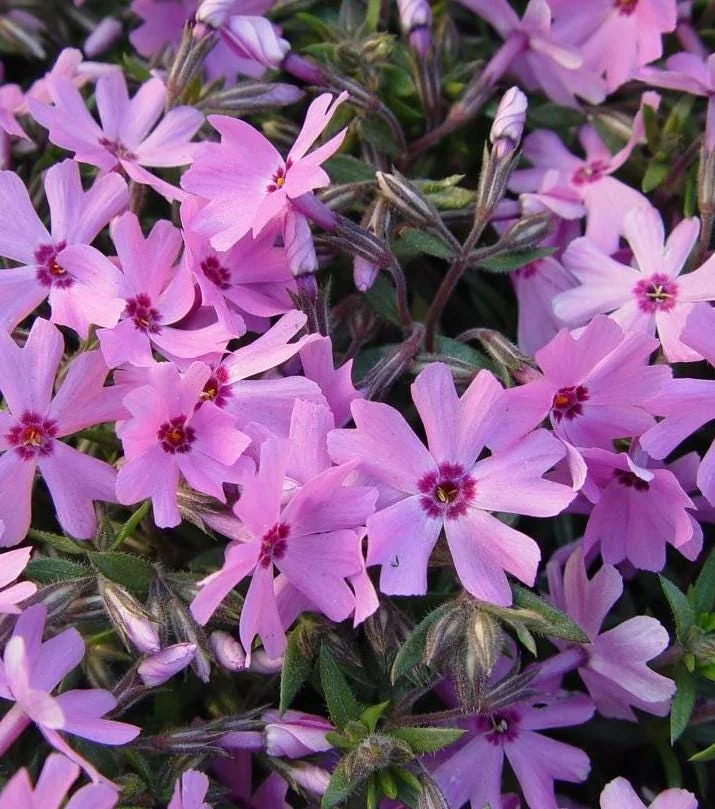
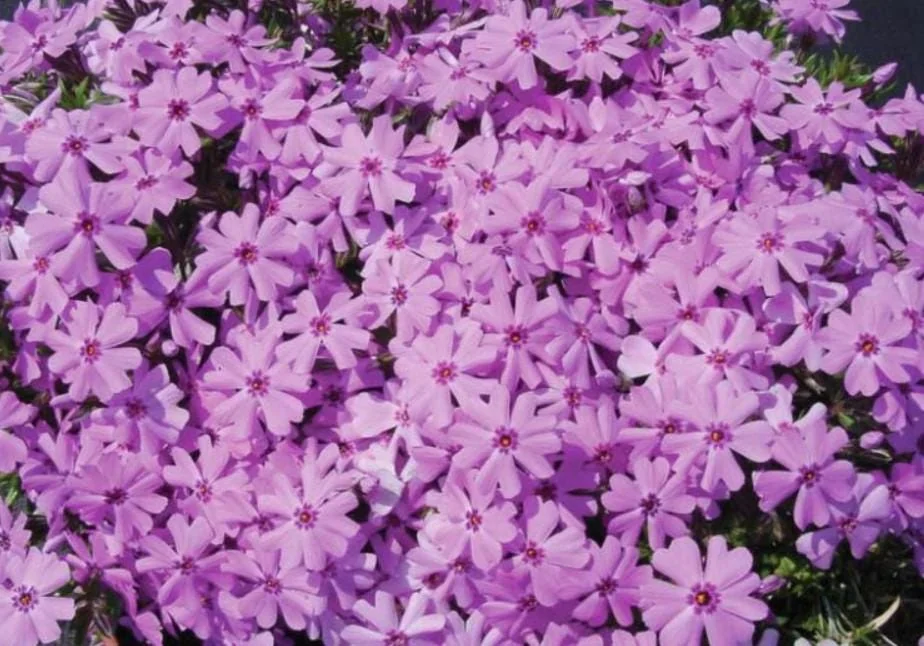
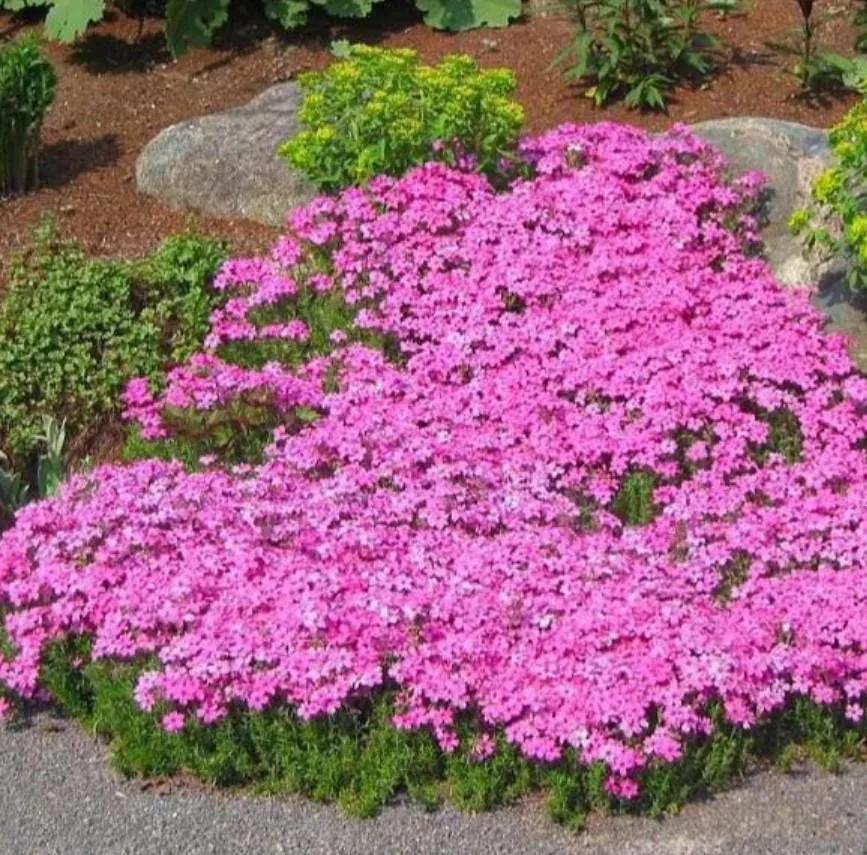
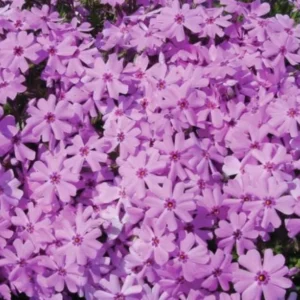
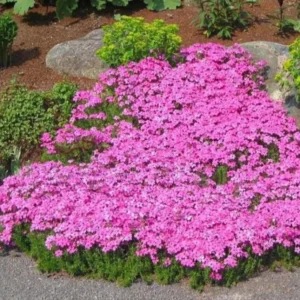
The Creeping Phlox Pink Fort Hill is a magnificent choice for gardeners seeking a vibrant, low-maintenance groundcover. This particular cultivar, ‘Pink Fort Hill’, is celebrated for its profusion of bright pink flowers that emerge in spring, creating a breathtaking floral carpet. As a live perennial plant, it returns year after year, establishing itself as a reliable and beautiful addition to any garden. Known botanically as Phlox subulata ‘Pink Fort Hill’, this plant is a true spectacle, transforming drab areas into a riot of color. It’s an excellent solution for covering bare ground, stabilizing slopes, or softening the edges of pathways and rock walls.
Originating from North America, this hardy plant is well-adapted to various climates, making it a popular choice across many regions. Its spreading growth habit quickly forms a dense mat, suppressing weeds and providing an attractive, living mulch. The cheerful pink phlox groundcover is not only visually appealing but also quite robust, capable of thriving in conditions where many other plants might struggle. If you’re looking for an impactful yet easy-to-care-for plant to fill your garden with early spring color, the ‘Pink Fort Hill’ Creeping Phlox is an outstanding option.
Key Benefits
The Creeping Phlox Pink Fort Hill offers numerous advantages for both novice and experienced gardeners, making it a highly desirable plant for various landscape applications. Its unique characteristics contribute significantly to garden aesthetics and ecological balance.
- Spectacular Spring Blooms: Enjoy a breathtaking display of bright pink flowers in early spring. These abundant blooms create a vibrant, carpet-like effect that signals the arrival of warmer weather and adds immense beauty to your garden.
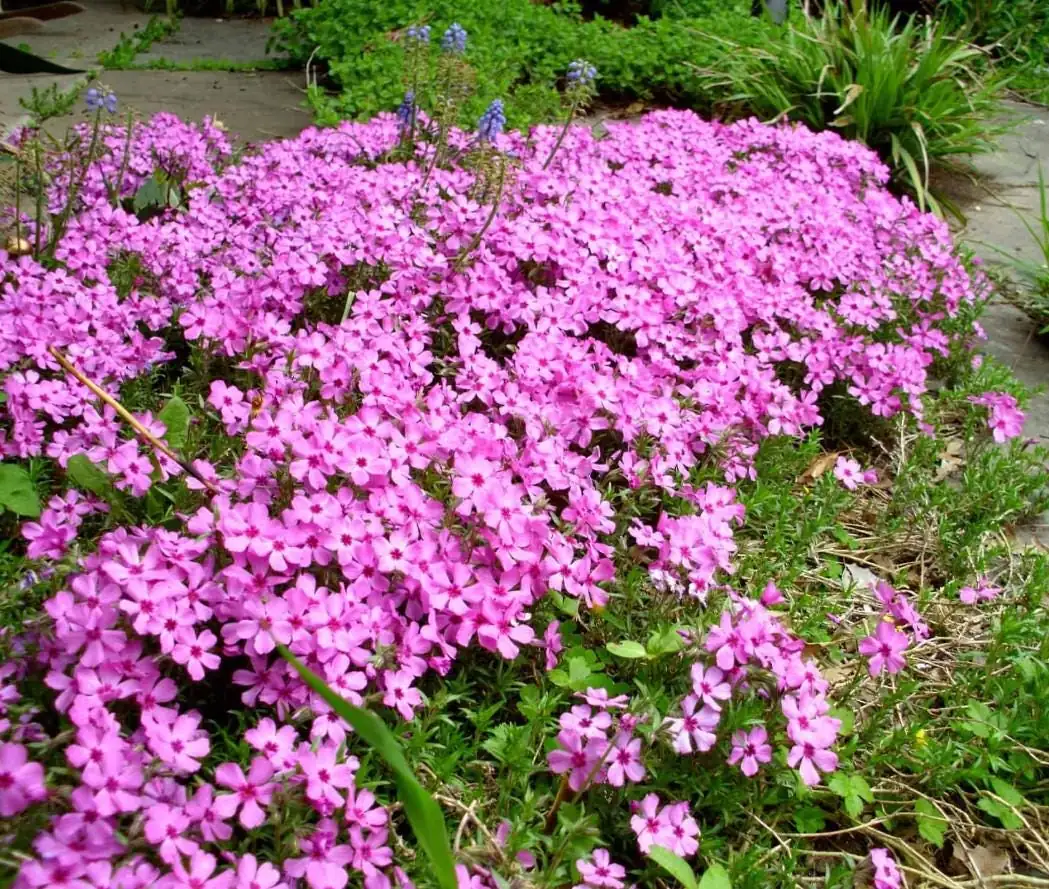
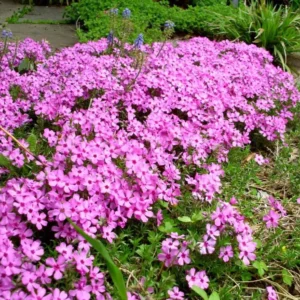
- Excellent Groundcover: This low-growing perennial spreads effectively, forming a dense mat that helps suppress weeds and prevent soil erosion, especially on slopes or uneven terrain. It’s a natural and attractive solution for covering large areas.
- Hardy and Resilient: The ‘Pink Fort Hill’ is a remarkably tough plant, thriving in USDA zones 3–9. It’s cold-hardy and can withstand a range of environmental conditions, ensuring reliable performance year after year. This makes it a perfect hardy phlox for many climates.
- Drought Tolerant: Once established, Creeping Phlox Pink Fort Hill is highly drought-tolerant, requiring minimal watering. This makes it an ideal choice for water-wise gardening and for areas prone to dry spells.
- Versatile Landscape Use: Perfect for rock gardens, borders, pathways, and slopes. Its cascading habit makes it excellent for draping over walls or container edges, adding texture and color wherever it’s planted. It’s truly a versatile rock garden plant.
- Attracts Pollinators: The cheerful pink flowers are a magnet for early spring pollinators like bees and butterflies, contributing to the biodiversity and health of your garden ecosystem.
Plant Care & Growing Tips
Caring for your Creeping Phlox Pink Fort Hill is straightforward, ensuring a spectacular display with minimal effort. This low-growing perennial thrives when its basic needs are met, rewarding you with a carpet of vibrant pink blooms each spring. For optimal growth, plant your Creeping Phlox in a location that receives full sun, meaning at least six hours of direct sunlight per day. While it can tolerate some partial shade, too little sun will result in fewer blooms and a less dense growth habit. Ensure good air circulation around the plants to prevent fungal issues.
When it comes to soil, well-drained, sandy soil is ideal. Creeping Phlox does not like to have wet feet, so avoid heavy clay soils that retain too much moisture. If your soil is heavy, amend it with sand or compost to improve drainage. Water regularly until the plant is established, typically for the first growing season. After establishment, the Creeping Phlox Pink Fort Hill is quite drought-tolerant and will only need watering during prolonged dry spells. Fertilize lightly in early spring with a balanced, slow-release granular fertilizer to encourage vigorous growth and abundant flowering. Avoid over-fertilizing, as this can lead to excessive foliage growth at the expense of blooms.
This hardy phlox is cold-tolerant, making it suitable for USDA zones 3–9. No special winter protection is typically needed within these zones. After the spring bloom, you can lightly shear the plants to encourage denser growth and a tidier appearance. This trimming can also help prevent the plant from becoming leggy. Watch out for common garden pests like spider mites or powdery mildew in humid conditions, though Creeping Phlox is generally quite resistant. With these simple care instructions, your pink phlox groundcover will flourish and provide years of beauty.
Size & Details
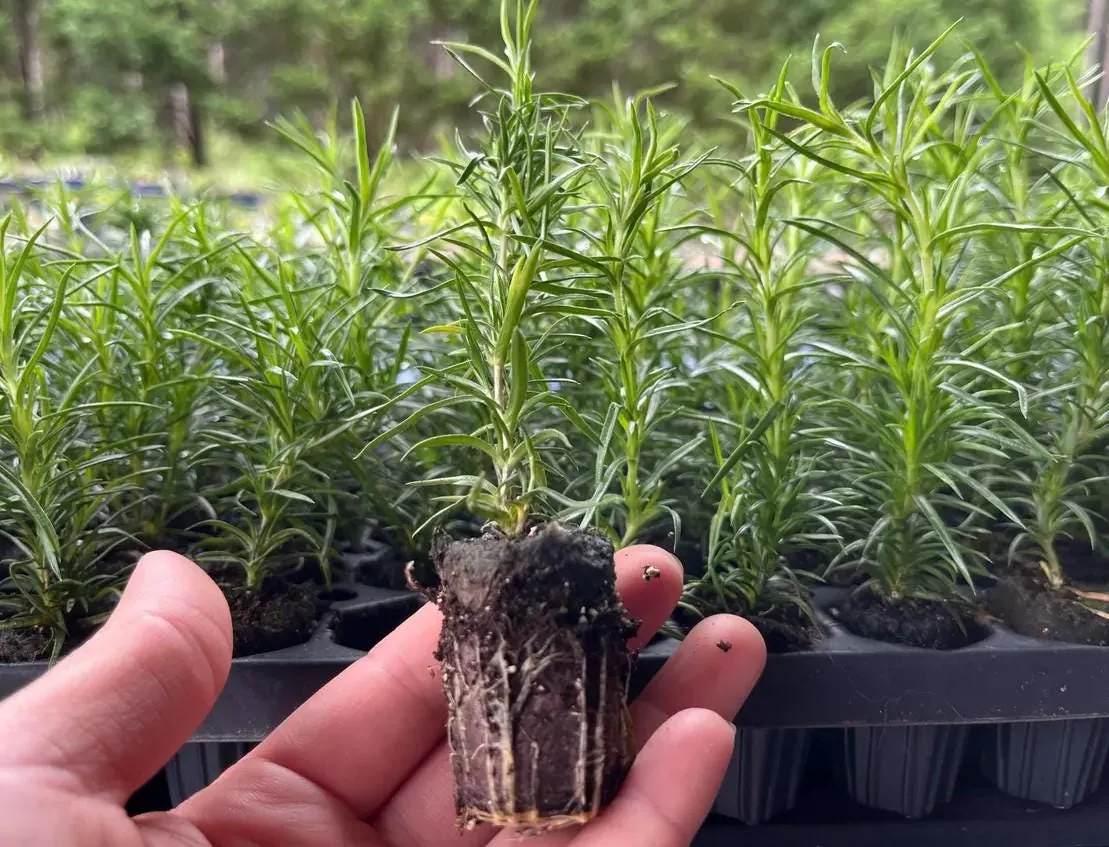
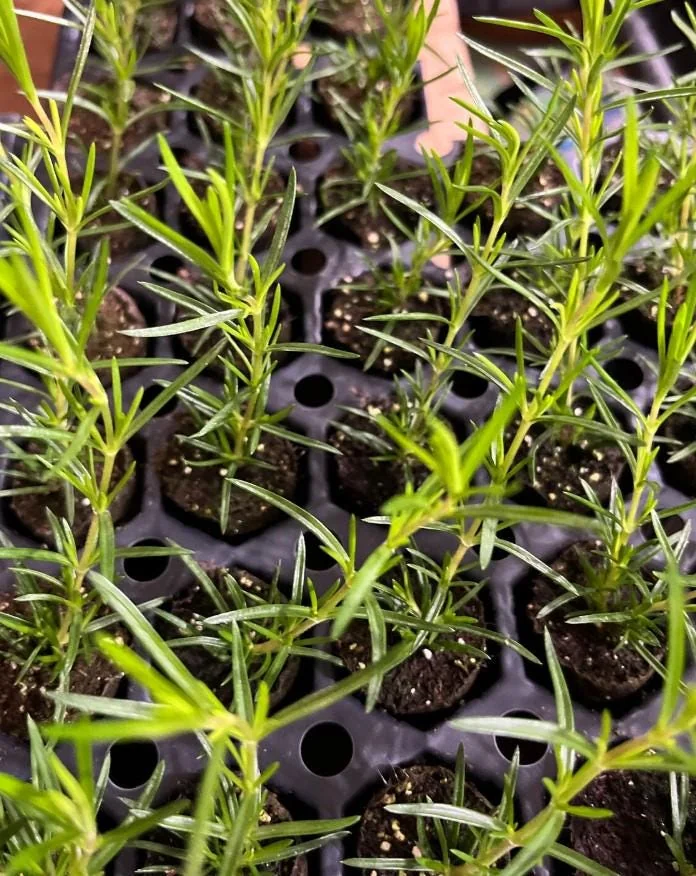
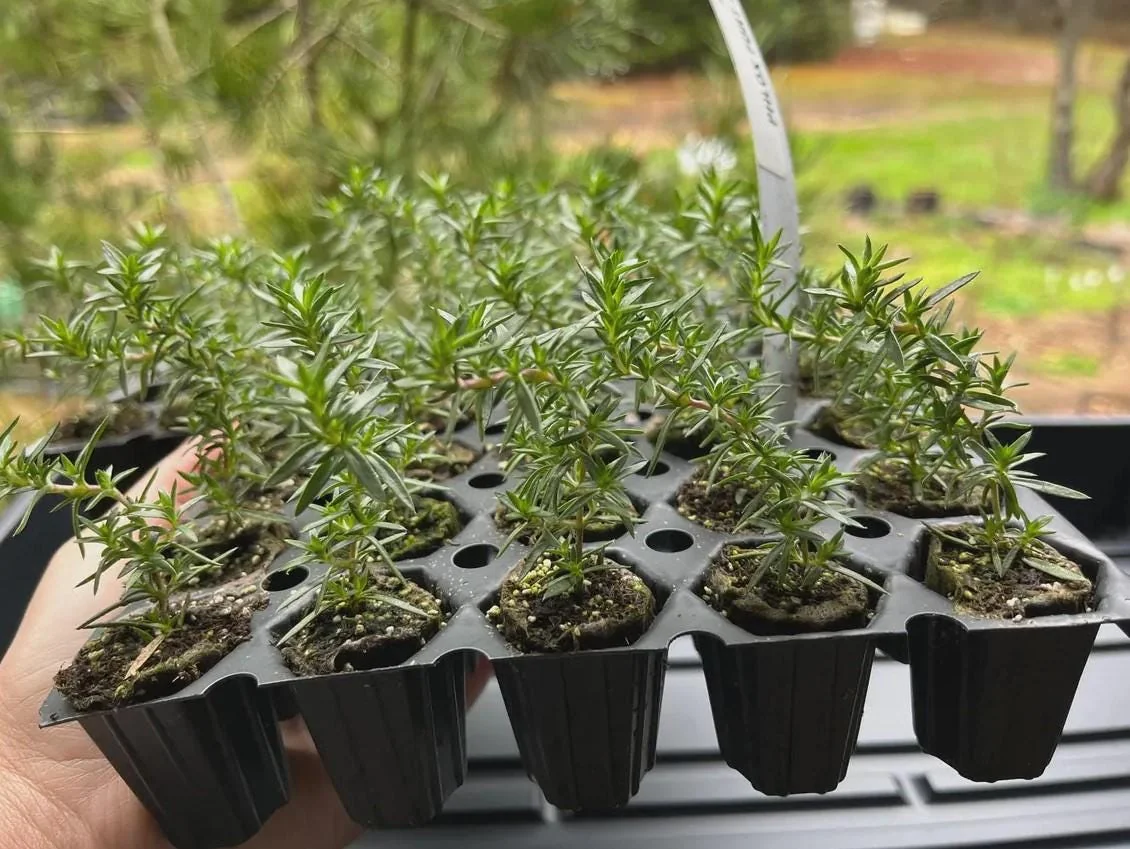
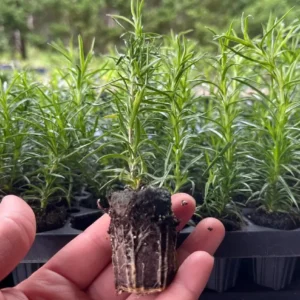
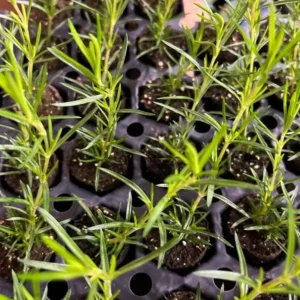
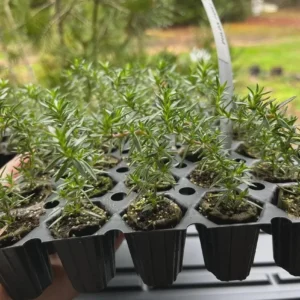
The Creeping Phlox Pink Fort Hill is offered as a starter plant, typically measuring 3–6 inches tall when shipped as a plug. This size allows for easy establishment and rapid growth once planted in your garden. This particular variety exhibits a spreading growth habit, forming a dense mat that typically reaches a height of 4–6 inches. It can spread up to 18-24 inches wide, making it an excellent choice for broad groundcover applications. The plant blooms abundantly in spring, creating a vibrant display of bright pink flowers that completely cover the foliage.
This Creeping Phlox Pink Fort Hill is ideal for covering slopes, rock walls, and garden borders where a low-growing, colorful perennial is desired. It is a cold-hardy perennial, meaning it will return year after year, establishing itself more robustly with each passing season. The starter plug format ensures a healthy root system, ready to adapt to its new environment. Expect a beautiful carpet of blooms in its first or second spring, depending on planting time and growing conditions. Its compact yet spreading nature makes it a valuable asset for creating stunning landscape features.
Frequently Asked Questions
- Q: How big does this Creeping Phlox Pink Fort Hill get? A: This low-growing perennial typically reaches a height of 4–6 inches and can spread up to 18-24 inches wide, forming a dense mat. It’s perfect for covering ground and cascading over edges.
- Q: Is this an indoor or outdoor plant? A: The Creeping Phlox Pink Fort Hill is an outdoor perennial plant, best suited for garden beds, rock gardens, and borders where it can receive full sun exposure. It is not recommended for indoor cultivation.
- Q: How much sunlight does the Creeping Phlox need? A: For the best blooming performance, this hardy phlox requires full sun, meaning at least six hours of direct sunlight daily. It can tolerate some partial shade, but flowering may be reduced.
- Q: Is this plant easy to care for? A: Yes, Creeping Phlox Pink Fort Hill is considered an easy-to-care-for plant. Once established, it is quite drought-tolerant and requires minimal maintenance, making it suitable for beginners.
- Q: What condition will the starter plant arrive in? A: Your Creeping Phlox Pink Fort Hill starter plant will arrive as a healthy plug, typically 3-6 inches tall, with a well-developed root system, ready for planting.
- Q: When is the best time to plant Creeping Phlox? A: The best times to plant Creeping Phlox are in spring or fall, allowing the plant to establish its roots before extreme temperatures.
- Q: Will this pink phlox groundcover survive winter in my zone? A: Yes, this variety is cold-hardy and thrives in USDA zones 3–9, meaning it will reliably survive winter and return in spring within these regions.
- Q: What type of soil does Creeping Phlox prefer? A: Creeping Phlox Pink Fort Hill prefers well-drained, sandy soil. It’s crucial to avoid heavy, water-logged soils to prevent root rot and ensure healthy growth for this rock garden plant.
- Q: How often should I water my established Creeping Phlox? A: Once established, Creeping Phlox Pink Fort Hill is drought-tolerant and generally only needs watering during prolonged dry periods. Water regularly during its first growing season to help it get established.
- Q: Does this plant attract pollinators? A: Yes, the vibrant pink blooms of the Creeping Phlox Pink Fort Hill are attractive to early spring pollinators like bees and butterflies, contributing to a healthy garden ecosystem.


Reviews
There are no reviews yet.