Overview
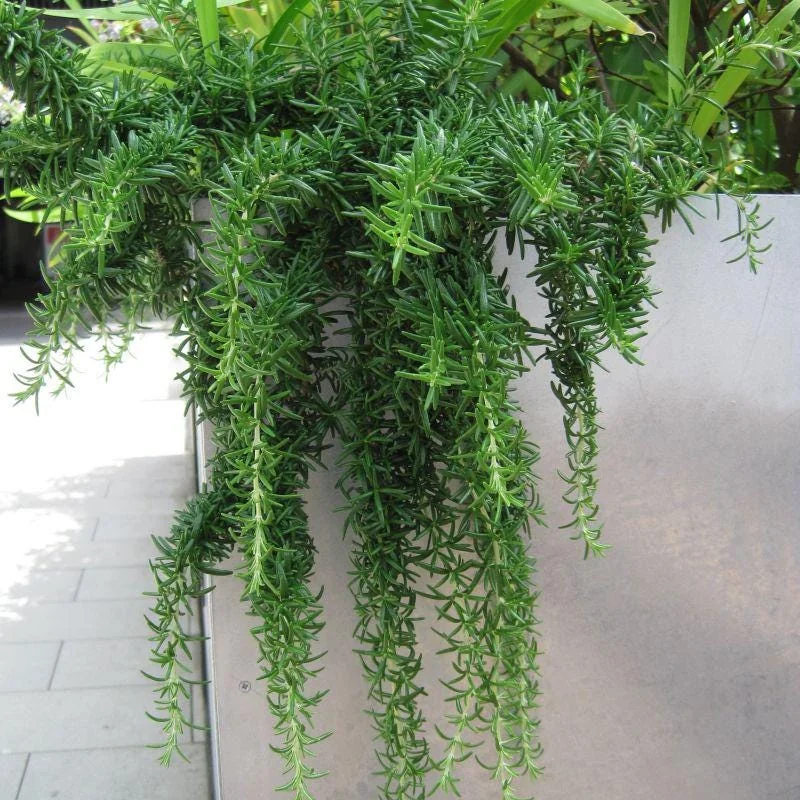
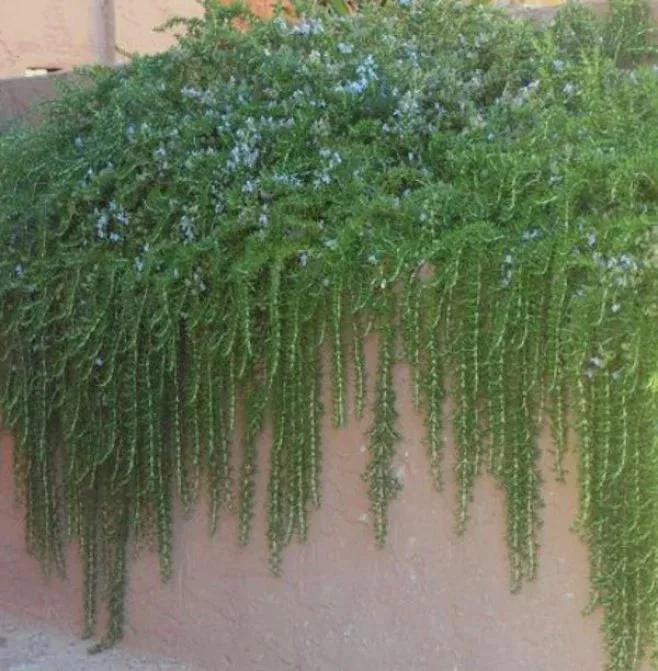
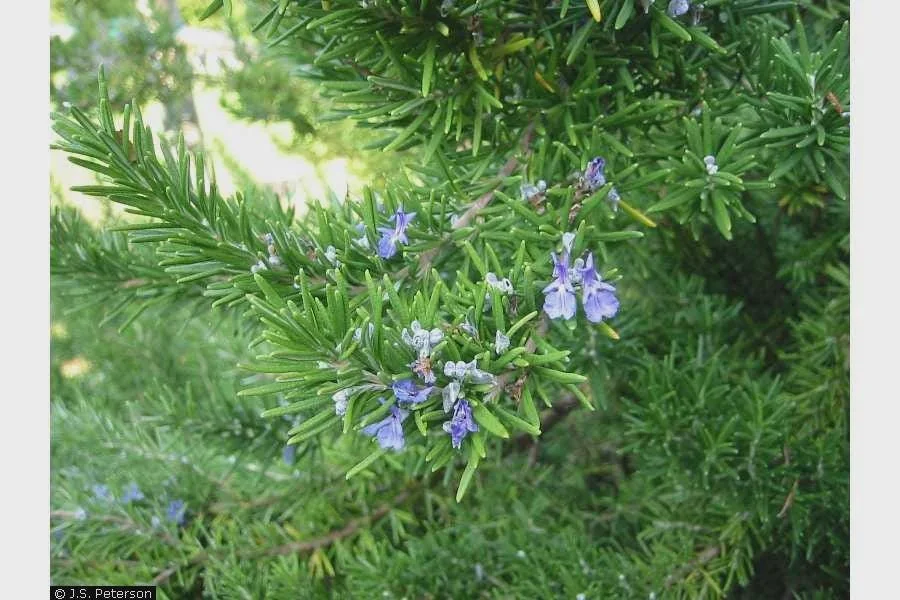
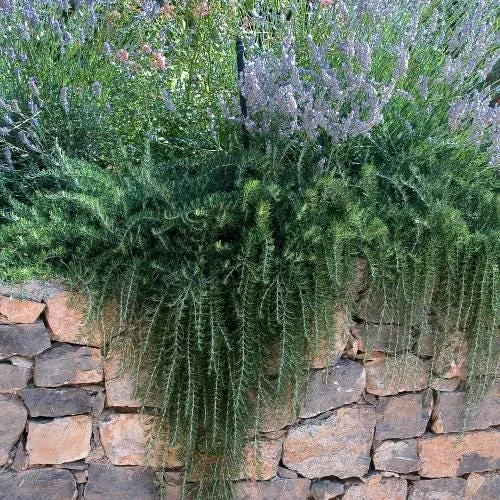
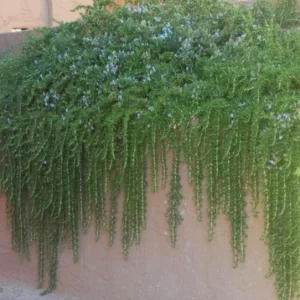
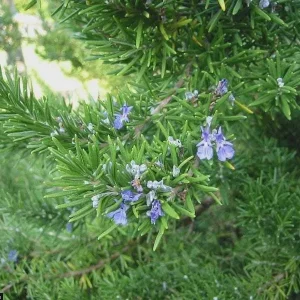
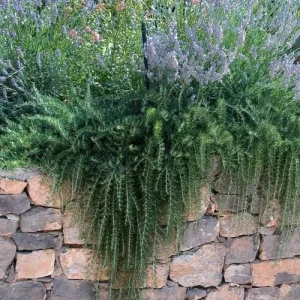
Introduce the versatile and aromatic creeping rosemary live plant, scientifically known as Rosmarinus officinalis ‘Prostratus’, into your garden. This exceptional low-growing evergreen herb is cherished for its trailing stems, fragrant needle-like leaves, and beautiful small blue flowers that bloom from spring through summer. Perfect for a variety of landscaping applications, this creeping rosemary live plant excels as a groundcover, elegantly cascading from containers or hanging baskets, and even thriving in rock gardens. Its robust nature makes it an excellent choice for gardeners seeking a plant that combines beauty with utility, offering both ornamental appeal and culinary potential.
Known for its prostrate growth habit, Rosmarinus officinalis Prostratus provides a lush, aromatic carpet wherever it’s planted. The dark blue-green foliage releases a strong, pleasant fragrance when brushed, making it a delightful addition to pathways or near seating areas. Beyond its aesthetic qualities, this variety of rosemary is highly valued for its drought tolerance and deer resistance, making it a low-maintenance option for many garden styles. Whether you’re an experienced horticulturist or a budding gardener, this live plant offers a rewarding growing experience, enriching your outdoor space with its charm and utility.
Key Benefits
The creeping rosemary live plant offers a multitude of advantages for any garden or landscape, combining aesthetic appeal with practical uses. Its unique characteristics make it a standout choice for various gardening needs.
- Exceptional Groundcover: With its trailing and spreading habit, this creeping rosemary live plant forms a dense, aromatic mat, effectively suppressing weeds and adding texture to your landscape. It’s perfect for slopes, banks, or filling in spaces between larger plants.
- Fragrant Foliage: The needle-like leaves are intensely aromatic, releasing a delightful, classic rosemary scent when touched. This makes it an excellent plant for sensory gardens or near entryways where its fragrance can be appreciated.
- Attractive Blooms: Clusters of small, pale blue, lavender, or mauve flowers emerge in spring and summer, providing delicate color and attracting beneficial pollinators like bees, enhancing your garden’s biodiversity.
- Drought-Tolerant & Low-Maintenance: Once established, Rosmarinus officinalis Prostratus is highly drought-tolerant, requiring minimal watering. It’s also deer and rabbit resistant, reducing the need for constant attention and protection.
- Culinary Versatility: The fragrant leaves of this creeping rosemary live plant are edible and can be used to flavor a wide range of dishes, from roasted meats and vegetables to breads and oils, adding a fresh, herbaceous note to your cooking.
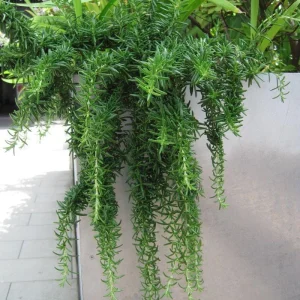
- Container & Hanging Basket Beauty: Its graceful, trailing stems make it an ideal candidate for containers, raised beds, and hanging baskets, allowing its foliage to spill over the edges for a stunning visual effect.
- Hardy & Adaptable: Thriving in USDA zones 7-10, this plant tolerates heat and some frost, making it a resilient choice for various climates and providing a long season of interest.
Plant Care & Growing Tips
Caring for your creeping rosemary live plant is relatively straightforward, especially when provided with the right conditions. This Mediterranean native prefers environments that mimic its natural habitat, emphasizing sunlight and well-drained soil.
For optimal growth, ensure your Rosmarinus officinalis Prostratus receives full sun, meaning at least 6-8 hours of direct sunlight per day. Insufficient light can lead to leggy growth and reduced flowering. When it comes to soil, excellent drainage is paramount. Rosemary detests ‘wet feet,’ so a sandy, loamy, or gravelly soil mix is ideal. If planting in a container, use a high-quality potting mix amended with perlite or sand to improve drainage. Avoid heavy clay soils that retain too much moisture. Regarding watering, this plant is remarkably drought-tolerant once established. Water thoroughly when the top few inches of soil feel dry to the touch, then allow the soil to dry out completely before watering again. Overwatering is a common cause of issues for rosemary.
The ideal temperature range for this creeping rosemary care involves warm days and mild nights. It is hardy in USDA zones 7-10, tolerating temperatures down to about 10-15°F (-12 to -9°C). In colder zones, it can be grown in containers and brought indoors for winter, placed in a bright, cool location. Fertilization is generally not heavily required; a light application of a balanced, slow-release fertilizer in spring is usually sufficient if the plant shows signs of nutrient deficiency. Pruning can be done after flowering to maintain shape and encourage bushier growth. Watch for common pests like aphids, especially if grown indoors, and treat with insecticidal soap if necessary. Ensuring good air circulation also helps prevent fungal diseases.
Size & Details
This creeping rosemary live plant is provided in a 4-inch nursery pot, ready for planting upon arrival. While typically growing 6-12 inches tall, its impressive trailing habit allows it to spread several feet wide, often reaching 3-8 feet in diameter when mature and given ample space. The growth rate is moderate, establishing quickly to provide groundcover or spill elegantly from containers. Expect to see its charming blue flowers from spring through summer, adding a touch of color to its aromatic foliage. This plant ships as a well-rooted, healthy specimen, ensuring a strong start in your garden or patio.
The compact size of the 4-inch pot makes it easy to handle and transplant, whether you’re integrating it into a rock garden, using it as a fragrant border, or featuring it in a hanging basket. Its evergreen nature ensures year-round interest, and with proper creeping rosemary care, it will continue to flourish and expand, becoming a prominent and beloved feature of your outdoor space. The robust root system in the pot will help it acclimate quickly to its new home.
Frequently Asked Questions
- Q: How big does this creeping rosemary live plant get? A: This variety typically grows 6-12 inches tall but can spread significantly, often reaching 3-8 feet wide, making it excellent for groundcover or cascading from containers.
- Q: Is this an indoor or outdoor plant? A: While primarily an outdoor plant thriving in full sun, it can be grown indoors in a very sunny window. However, it generally performs best outdoors in its preferred USDA zones 7-10.
- Q: How much sunlight does Rosmarinus officinalis Prostratus need? A: It requires full sun, meaning at least 6-8 hours of direct sunlight per day, to ensure healthy growth and abundant flowering.
- Q: Is this plant easy to care for? A: Yes, once established, creeping rosemary care is relatively easy. It’s drought-tolerant and deer-resistant, requiring minimal attention beyond proper watering and occasional pruning.
- Q: What condition will it arrive in? A: Your creeping rosemary live plant will arrive as a healthy, well-rooted specimen in a 4-inch nursery pot, carefully packaged to ensure its safe journey.
- Q: Can I use this fragrant rosemary in cooking? A: Absolutely! The leaves of Rosmarinus officinalis ‘Prostratus’ are highly aromatic and edible, perfect for culinary uses in various dishes.
- Q: When is the best time to plant groundcover rosemary? A: The best time to plant is in spring after the last frost, or in early fall in warmer climates, allowing it to establish before extreme temperatures.


Reviews
There are no reviews yet.