Overview
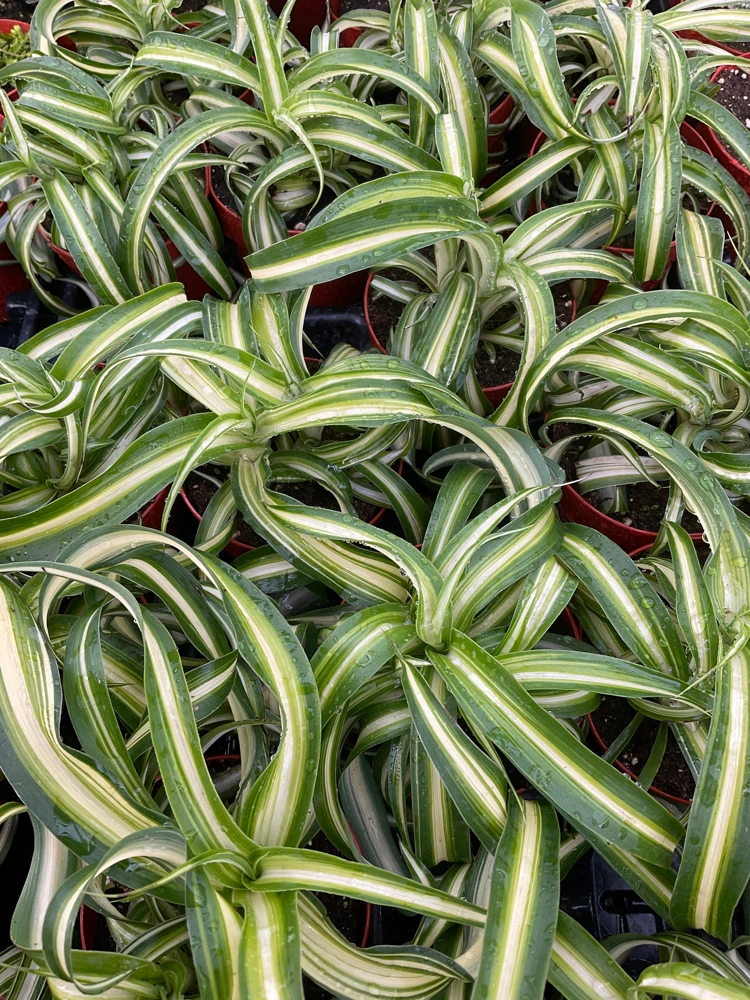
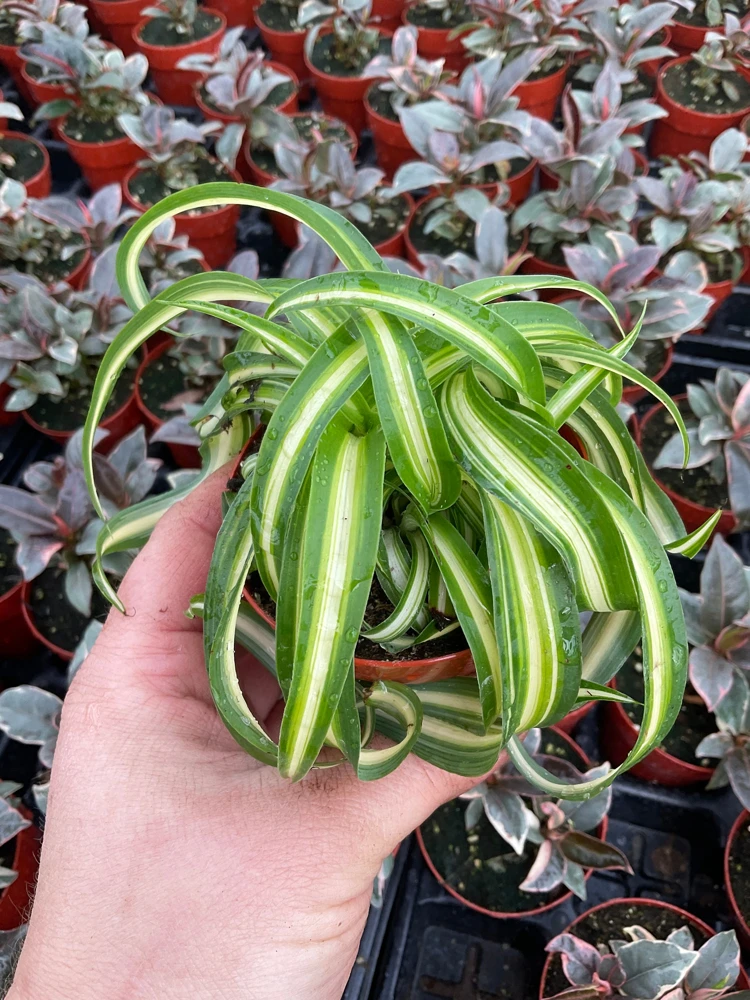
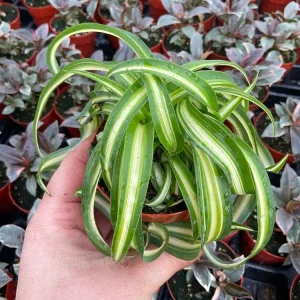
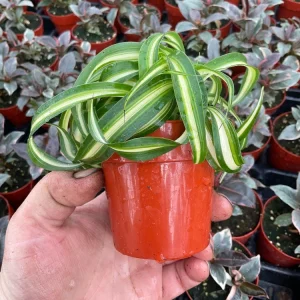
Transform your living space with the charming and distinctive curly spider plant, specifically the ‘Bonnie’ cultivar. This delightful live houseplant is renowned for its unique, spiraling green and white variegated leaves that create a captivating, whimsical display. Unlike traditional spider plants with straight foliage, the ‘Bonnie’ offers a more compact and curly appearance, making it an instant conversation starter and a favorite among plant enthusiasts. Each curly spider plant is carefully cultivated to ensure robust health and vibrant growth, arriving ready to bring life and natural beauty into your home or office. Known botanically as Chlorophytum comosum ‘Bonnie’, this variety is celebrated for its ease of care and air-purifying qualities, making it an excellent choice for both novice and experienced plant parents looking for a touch of botanical elegance.
The ‘Bonnie’ cultivar is a true gem in the world of indoor plants. Its compact size and distinctive curly foliage make it incredibly versatile for various decorative styles. Whether placed on a bright windowsill, a shaded desk, or suspended in a hanging planter, this curly spider plant will thrive and enhance its surroundings. It’s not just a beautiful addition; it’s also a hardworking air purifier, contributing to a healthier indoor environment. Enjoy the simple pleasure of watching its unique leaves unfurl and its characteristic ‘spiderettes’ dangle, ready to propagate and share the joy.
Key Benefits
The curly spider plant offers a multitude of benefits beyond its striking appearance, making it a highly desirable indoor companion. Its ease of care and positive impact on indoor environments contribute to its widespread popularity.
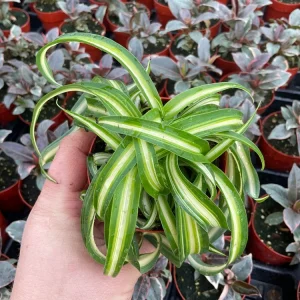
- Unique Ornamental Appeal: The ‘Bonnie’ cultivar stands out with its distinctively curled, variegated leaves. This playful texture adds a dynamic visual interest to any room, creating a focal point that is both elegant and charming.
- Excellent Air Purifier: Like other spider plants, the curly spider plant is highly effective at removing common indoor air toxins such as formaldehyde and xylene. It actively works to improve air quality, contributing to a fresher, healthier home environment.
- Low Maintenance & Easy Care: Ideal for beginners and busy individuals, this plant tolerates a range of conditions and is forgiving of occasional neglect. Its resilience makes it a joy to grow without demanding constant attention, simplifying your plant care routine.
- Pet-Friendly: The Bonnie spider plant is widely considered non-toxic to cats and dogs, offering peace of mind for pet owners who want to enjoy lush greenery without worry.
- Easy to Propagate: This plant readily produces ‘spiderettes’ or plantlets that can be easily rooted in water or soil, allowing you to create new plants for free and share them with friends and family.
- Versatile Decor: Its compact size and attractive foliage make it suitable for various settings, including desktops, shelves, bathrooms, and hanging baskets. It adapts well to different light conditions found in typical home environments.
- Boosts Mood & Reduces Stress: Studies suggest that having plants in your living and working spaces can reduce stress, improve mood, and increase focus. The calming presence of this green plant contributes positively to overall well-being.
Plant Care & Growing Tips
Caring for your curly spider plant is straightforward, making it one of the easiest houseplants to maintain. To ensure your ‘Bonnie’ thrives, providing the right conditions is key. These plants prefer bright, indirect light. An east or west-facing window is often ideal, as direct, harsh sunlight can scorch their delicate leaves, leading to browning tips. While they can tolerate lower light conditions, their variegation may become less pronounced, and growth might slow. Rotate your plant every few weeks to encourage even growth and prevent it from leaning towards the light source.
Watering should be consistent but not excessive. Allow the top inch or two of the soil to dry out completely before watering again. Overwatering is a common issue for spider plants and can lead to root rot. When you do water, do so thoroughly until water drains from the bottom of the pot, then empty any excess water from the saucer. During winter months, when growth naturally slows, reduce your watering frequency. Spider plants appreciate humidity, so occasional misting or placing the pot on a pebble tray filled with water can be beneficial, especially in dry indoor environments. The ideal temperature range for a live spider plant is between 65-80°F (18-27°C).
For soil, a well-draining potting mix is essential. A standard indoor potting mix amended with perlite or coarse sand for extra drainage works well. Fertilize your indoor spider plant lightly during the growing season (spring and summer) every 2-4 weeks with a balanced liquid houseplant fertilizer diluted to half strength. Reduce or cease fertilization during the fall and winter. Common problems include brown leaf tips, which can be caused by fluoride in tap water, low humidity, or inconsistent watering. If you notice brown tips, try using filtered water or rainwater. Pests are rarely an issue, but occasionally spider mites or mealybugs can appear; treat with neem oil or insecticidal soap if necessary. Repotting is generally needed every 1-2 years as the plant outgrows its container.
Size & Details
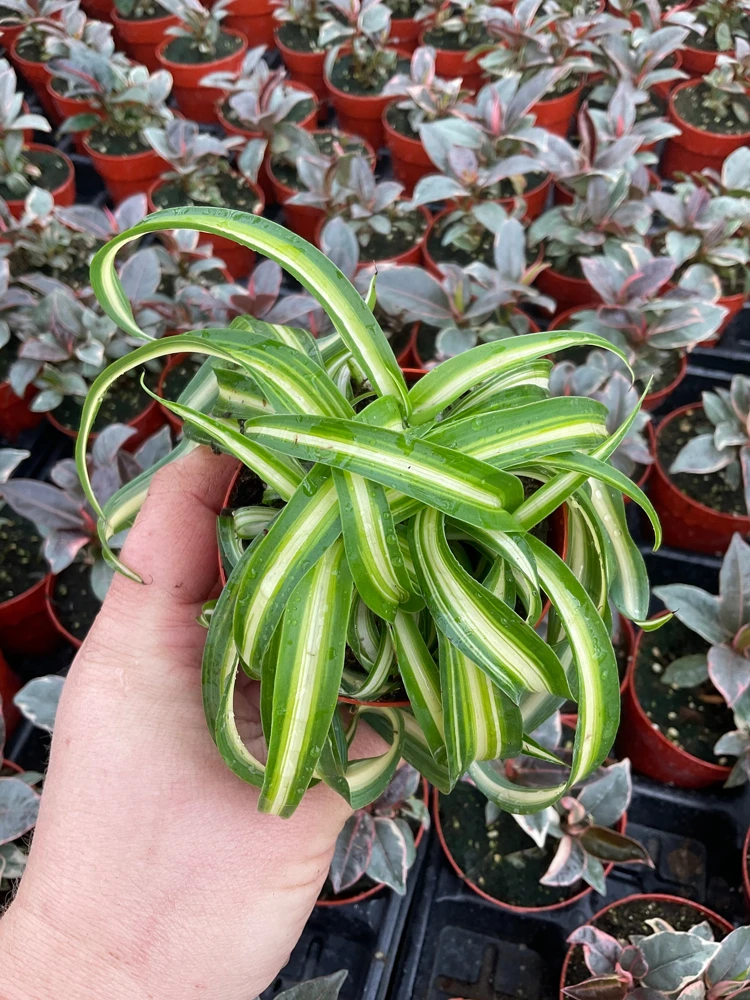
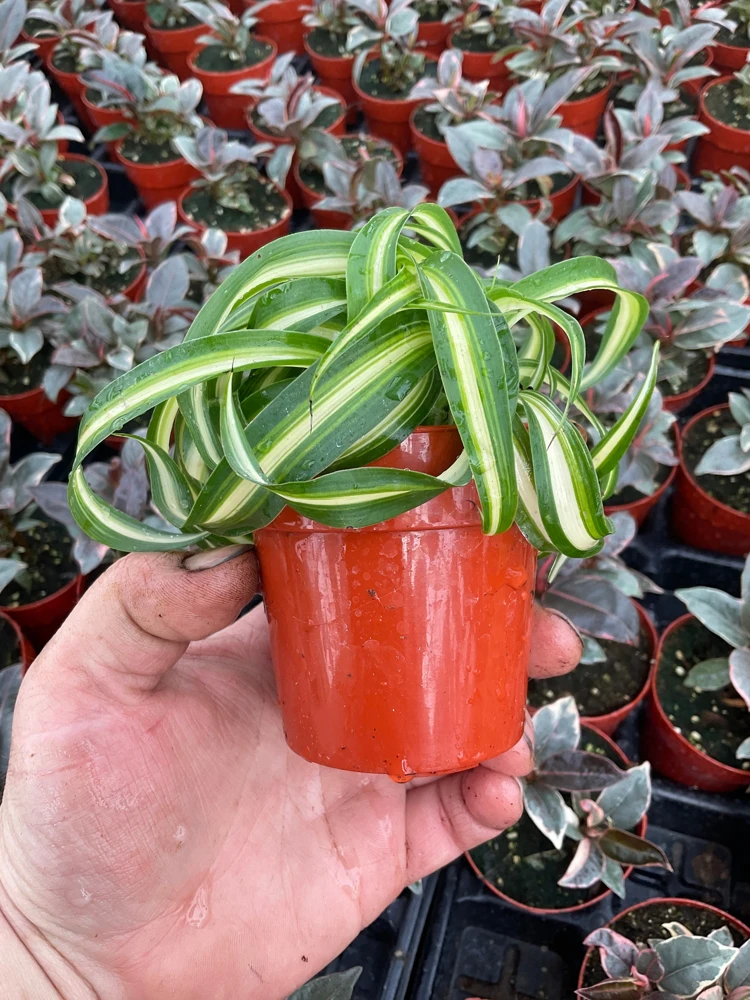
You will receive one healthy curly spider plant ‘Bonnie’ actively growing in a 3-inch nursery pot. At this stage, the plant typically stands about 4-6 inches tall from the soil line, with a spread of 4-6 inches, making it a perfect compact size for immediate display. This variety maintains a relatively compact growth habit compared to its straight-leaved cousins, usually reaching a mature size of about 8-12 inches tall and wide, depending on growing conditions and pot size. Its moderate growth rate means it will gradually fill out its space without becoming unruly.
The plant is shipped as a rooted, live specimen in its nursery pot with soil, ensuring minimal transplant shock upon arrival. The ‘Bonnie’ cultivar is known for its prolific production of plantlets (spiderettes) once mature, which typically begin to appear when the plant is well-established, usually within 6-12 months of good care. These plantlets can be easily propagated to create new plants, extending the joy of your spider plant care journey. Expect a vibrant, healthy plant ready to thrive in your home environment.
Frequently Asked Questions
- Q: How big does this curly spider plant get? A: This curly spider plant ‘Bonnie’ typically grows to a mature size of about 8-12 inches tall and wide. It’s a compact variety, perfect for smaller spaces or as a desk plant.
- Q: What size pot does it come in? A: Your live spider plant will arrive established in a 3-inch nursery pot, ready for you to place in your desired decorative container or let it grow a bit before repotting.
- Q: Is this an indoor or outdoor plant? A: The curly spider plant is primarily grown as an indoor houseplant in most climates. It can be moved outdoors to a shaded spot during warm summer months but should be brought inside before temperatures drop below 50°F (10°C).
- Q: How much sunlight does it need? A: This plant thrives in bright, indirect light. Avoid direct, harsh sunlight, which can scorch its leaves. A spot near an east or west-facing window is usually ideal for optimal growth and variegation.
- Q: Is this plant easy to care for? A: Yes, the Bonnie spider plant is considered one of the easiest houseplants to care for, making it an excellent choice for beginners. It’s quite forgiving of occasional neglect and adaptable to various indoor conditions.
- Q: What condition will it arrive in? A: Your plant will arrive as a healthy, live specimen, carefully packaged in its 3-inch nursery pot with soil, ensuring it’s ready to thrive in its new home.
- Q: Is this plant pet-safe? A: Yes, the curly spider plant is widely considered non-toxic to cats and dogs, making it a safe choice for pet-owning households.
- Q: How often should I water my curly spider plant? A: Water when the top 1-2 inches of soil feel dry to the touch. This usually means watering once every 7-10 days, but it can vary based on light, temperature, and humidity. Always ensure good drainage.


Reviews
There are no reviews yet.