Overview
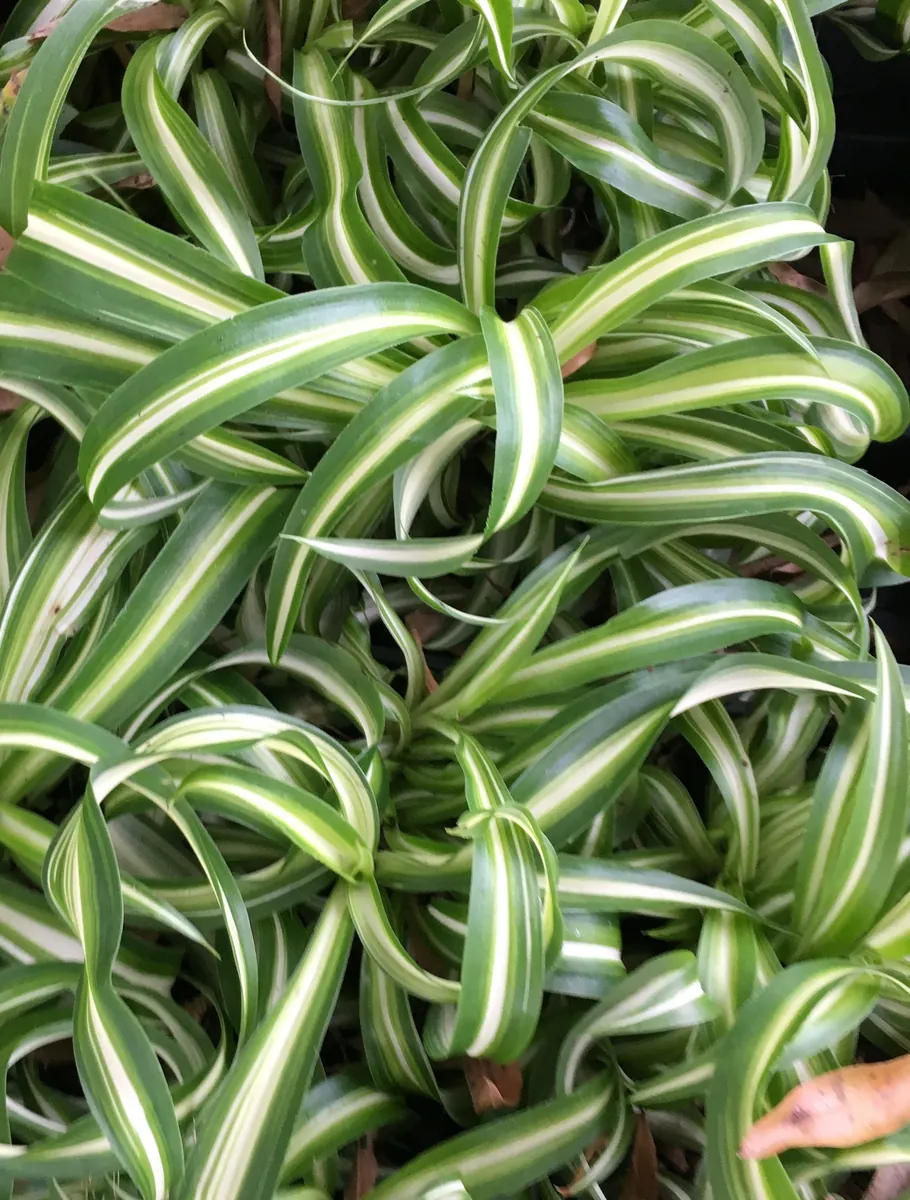
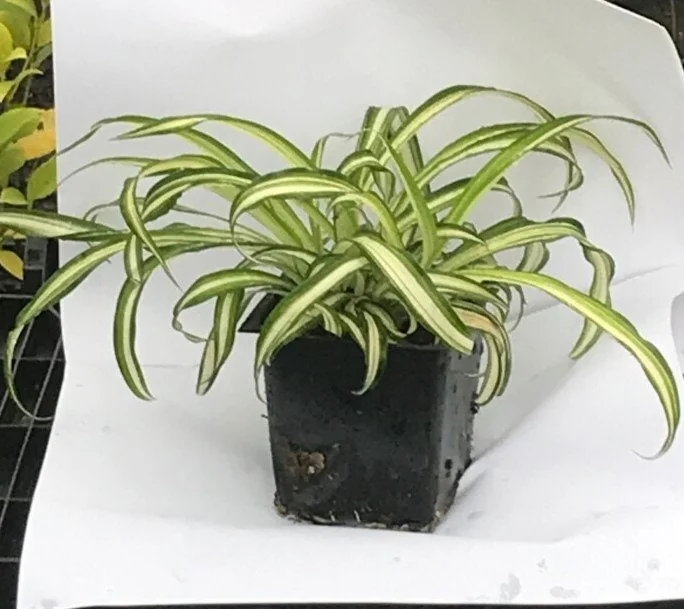
Introduce a touch of natural beauty and vibrant greenery into your home with the stunning curly spider plant. This captivating live indoor plant, also known as Chlorophytum comosum ‘Bonnie’, is celebrated for its distinctive arching, variegated leaves that gracefully curl, adding unique texture and visual interest to any indoor setting. Unlike its straight-leaved counterparts, the ‘Bonnie’ variety offers a playful, cascading form that is sure to draw attention. Each plant arrives in a 4-inch pot, ready to thrive and enhance your living space. The curly spider plant is not only aesthetically pleasing but also renowned for its resilience and adaptability, making it an excellent choice for both novice and experienced plant parents. It’s a fantastic option for those seeking a low-maintenance yet impactful addition to their plant collection, contributing to a fresher and more inviting atmosphere.
The curly spider plant is particularly famous for its ability to produce ‘spiderettes’ or ‘plantlets’ on long stems, which can be easily propagated to grow new plants, offering endless enjoyment and opportunities to expand your greenery or share with friends. This characteristic makes it a truly rewarding plant to nurture. Its compact size in a 4-inch pot makes it perfect for desks, shelves, or as part of a larger plant arrangement. Embrace the charm and simplicity of caring for this delightful houseplant, and watch it flourish with minimal effort. This live indoor plant brings life and a sense of calm to any room, transforming ordinary spaces into lush, green sanctuaries.
Key Benefits
The curly spider plant offers a multitude of advantages that make it a cherished addition to any home. Its decorative appeal is undeniable, but its benefits extend far beyond mere aesthetics, contributing positively to your indoor environment and well-being. This easy care houseplant truly delivers on both beauty and function.
- Exceptional Air Purification: The curly spider plant is well-known for its impressive ability to filter indoor air. It effectively removes common toxins such as formaldehyde, xylene, and carbon monoxide, contributing to a healthier and cleaner breathing environment within your home.
- Low Maintenance & Beginner-Friendly: One of the most significant advantages of this plant is its forgiving nature. It tolerates a range of conditions and is resilient to occasional neglect, making it an ideal choice for gardening novices or individuals with busy lifestyles. Its straightforward care requirements ensure a rewarding plant ownership experience.
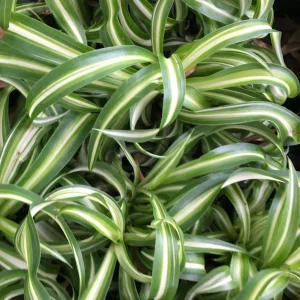
- Unique Decorative Appeal: With its distinctive curly, variegated foliage, the ‘Bonnie’ variety adds a unique texture and visual interest that stands out from other houseplants. Its arching leaves create an elegant, cascading effect, perfect for hanging baskets or elevated shelves.
- Easy Propagation: The plant produces numerous ‘spiderettes’ or plantlets that can be easily rooted in water or soil. This offers a simple and enjoyable way to multiply your plant collection or share with others, making it a sustainable and cost-effective option.
- Pet-Friendly Option: Unlike many other houseplants, the curly spider plant is generally considered non-toxic to cats and dogs, providing peace of mind for pet owners who want to introduce more greenery into their homes.
- Adaptable to Various Light Conditions: While it thrives in bright, indirect light, this plant can adapt to lower light conditions, although its variegation might become less pronounced. This adaptability makes it suitable for placement in various rooms throughout your home.
- Enhances Mood and Well-being: Studies suggest that having plants indoors can reduce stress, improve mood, and increase feelings of well-being. The vibrant green and dynamic form of the curly spider plant can contribute to a more relaxing and harmonious living space.
Plant Care & Growing Tips
Ensuring your curly spider plant thrives is straightforward, given its resilient nature. Proper care will encourage lush growth and vibrant foliage. The first step in successful curly spider plant care involves understanding its fundamental requirements, which are surprisingly simple to meet, even for those new to indoor gardening. Providing the right environment from the start will lead to a healthy and vigorous plant that brightens your home for years to come.
For sunlight, the curly spider plant prefers bright, indirect light. Placing it near a north or east-facing window is often ideal, or a few feet away from a south or west-facing window where it won’t receive harsh, direct sun. Direct sunlight can scorch its delicate leaves, causing them to turn brown. While it can tolerate lower light conditions, this may result in less pronounced variegation and fewer spiderettes. The ideal temperature range for this live indoor plant is between 65-77 degrees Fahrenheit (18-25 degrees Celsius). Avoid temperatures below 50 degrees Fahrenheit, as cold drafts can stress the plant. In terms of watering, allow the top inch or two of soil to dry out between waterings. Overwatering is a common issue, leading to root rot. Keep the soil evenly moist but never soggy. During winter months, reduce watering frequency as the plant’s growth slows. Use filtered or distilled water if your tap water contains high levels of fluoride or chlorine, which can cause brown leaf tips.
When it comes to soil and potting, a well-draining potting mix is crucial. A standard indoor potting mix amended with perlite or vermiculite for extra drainage works well. Repotting is generally needed every 1-2 years, or when you notice roots growing out of the drainage holes. Fertilize sparingly; over-fertilization can lead to brown tips. Use a balanced liquid houseplant fertilizer diluted to half strength every 2-4 weeks during the active growing season (spring and summer). No specific fertilizer is required, any all-purpose houseplant fertilizer is acceptable. For curly spider plant care, occasional pruning of older, yellowing leaves or excessive spiderettes can help maintain its appearance and encourage new growth. Regularly check for common pests like spider mites or mealybugs, and address them promptly with insecticidal soap if needed. With these simple guidelines, your easy care houseplant will flourish.
Size & Details
This offering includes one vibrant curly spider plant, carefully selected for its health and readiness, presented in a practical 4-inch nursery pot. The plant’s overall height will vary slightly depending on seasonal growth and individual plant characteristics, typically ranging from 6 to 10 inches tall from the base of the pot. The width will be proportional, showcasing its characteristic arching foliage. Each live plant is unique, and while the pictures provide a good representation, expect slight variations in leaf count and curl intensity, reflecting the natural diversity of living organisms. These plants are grown to be robust and are shipped in their pots to minimize transplant shock, ensuring they arrive ready to thrive in their new home.
The 4-inch pot size is ideal for immediate display on a desk, shelf, or as a component in a larger decorative arrangement. The curly spider plant is known for its moderate growth rate, and with proper curly spider plant care, it will quickly develop into a fuller specimen, producing its signature ‘spiderettes’ within a few months. These plantlets can then be easily propagated, allowing you to expand your collection. This particular variety, ‘Bonnie’, is chosen for its strong curling habit and attractive variegation, making it a standout among spider plants. Expect a resilient and visually engaging live indoor plant that will continually surprise and delight with its growth and ease of care.
Frequently Asked Questions
- Q: How big does this curly spider plant get? A: Your curly spider plant will arrive in a 4-inch pot, typically measuring 6-10 inches tall. With proper care, it can grow to have a spread of 1-2 feet, with its arching leaves cascading beautifully, especially if placed in a hanging planter.
- Q: What size pot does it come in? A: This live indoor plant is delivered in a standard 4-inch nursery pot. While it can live in this pot for a while, you may wish to repot it into a slightly larger decorative pot as it grows, typically every 1-2 years.
- Q: Is this an indoor or outdoor plant? A: The curly spider plant is primarily an indoor houseplant, best suited for indoor environments where temperatures are stable. It can be moved outdoors during warm summer months in shaded areas, but should be brought inside before temperatures drop below 50°F.
- Q: How much sunlight does it need? A: This easy care houseplant thrives in bright, indirect light. Avoid direct sunlight, which can scorch its leaves. A spot near a window with filtered light or a north/east-facing window is ideal for optimal growth and variegation.
- Q: Is this plant easy to care for? Is it good for beginners? A: Absolutely! The curly spider plant is one of the easiest houseplants to care for, making it an excellent choice for beginners. It’s quite forgiving of minor care mistakes and resilient, living up to its reputation as an easy care houseplant.
- Q: What condition will it arrive in? A: Your plant will arrive healthy and carefully packaged to ensure its safety during transit. We take pride in our shipping methods to deliver a vibrant and thriving live indoor plant directly to your door.
- Q: Is it pet-safe? A: Yes, the curly spider plant is generally considered non-toxic to cats and dogs, making it a safe choice for households with pets. However, it’s always best to discourage pets from chewing on plants.
- Q: When is the best time to plant or repot? A: You can plant or repot your curly spider plant at any time of year when growing indoors. The best time for repotting is typically in spring or early summer when the plant is actively growing, allowing it to recover quickly.
- Q: What’s the minimum temperature this plant can tolerate? A: The curly spider plant prefers temperatures between 65-77°F. It can tolerate temperatures down to about 50°F but should not be exposed to anything lower than that for extended periods, as it can cause damage or stunting.
- Q: Why are the tips of my curly spider plant turning brown? A: Brown leaf tips are a common issue for curly spider plant care, often caused by fluoride/chlorine in tap water, low humidity, or inconsistent watering (either too much or too little). Using filtered water and maintaining consistent moisture can help.


Reviews
There are no reviews yet.