Overview
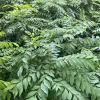
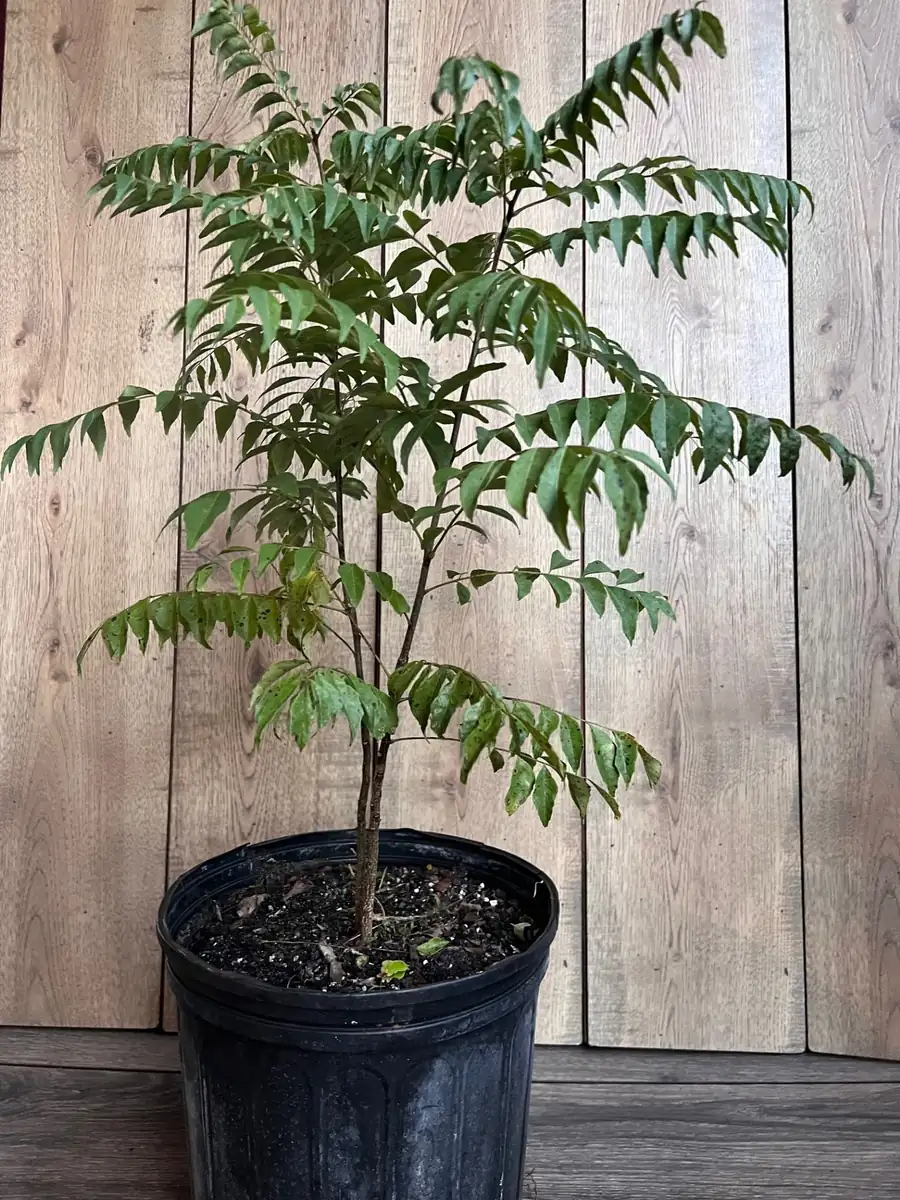
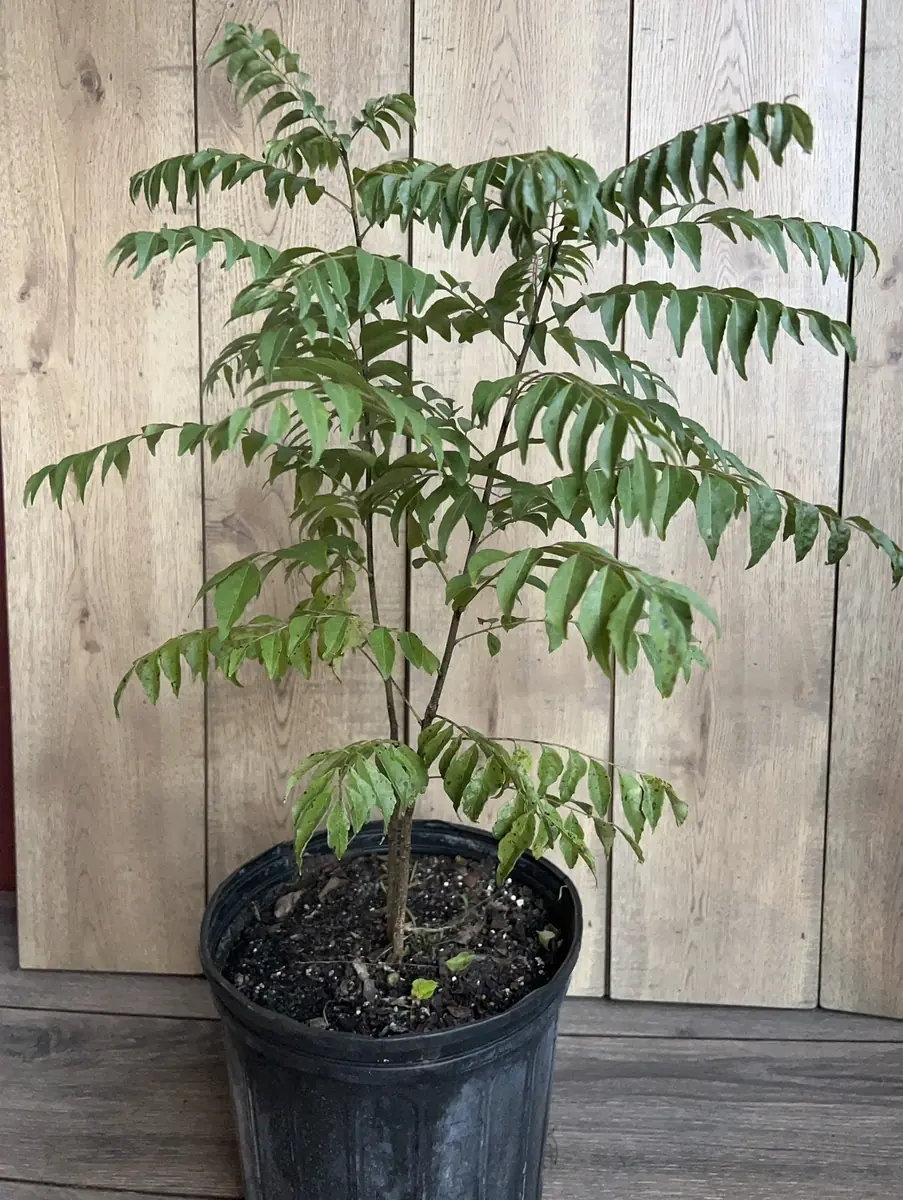
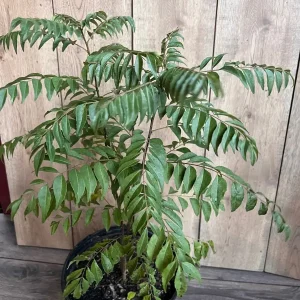
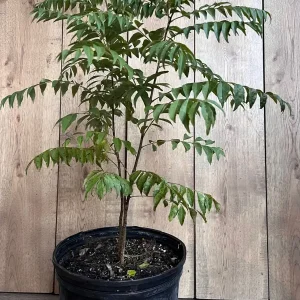
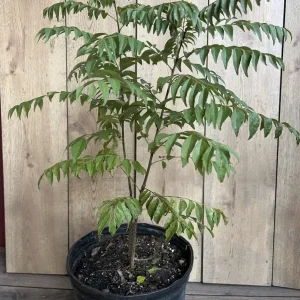
Introduce an essential culinary and ornamental addition to your garden with this vibrant curry leaf live plant, scientifically known as Murraya Koenigii. Also commonly referred to as the karivepaku plant, this fast-growing evergreen shrub is renowned for its highly aromatic, spicy foliage, which is a staple in South Asian cooking. Our robust curry leaf live plant arrives in a convenient 10-inch pot, ready to be nurtured into a flourishing specimen. Native to India, the curry tree can reach an impressive height of six to 20 feet in ideal conditions, offering a continuous supply of fresh leaves. The distinctive pinnate leaves, comprised of many leaflets, form alternately on the stem and are best harvested fresh to maximize their aromatic potency and flavor in your dishes. Beyond its culinary appeal, this plant also produces delicate, fragrant white flowers that eventually develop into small, black, berry-like fruits, though these fruits are not suitable for consumption.
Key Benefits
Cultivating a curry leaf live plant offers a multitude of benefits, from enhancing your culinary endeavors to adding a touch of tropical beauty to your outdoor or indoor space. This versatile plant is more than just a source of fresh herbs; it’s a living, breathing asset to any plant enthusiast.
- Fresh Culinary Herb: Enjoy a constant supply of fresh, aromatic curry leaves directly from your garden. These leaves are indispensable for authentic Indian, Sri Lankan, and other South Asian dishes, providing a unique peppery, citrusy, and slightly nutty flavor profile that dried leaves cannot replicate.
- Fragrant Foliage: The leaves release a delightful, spicy aroma when bruised or cooked, making your kitchen and garden smell wonderful. This natural fragrance also makes the curry leaf live plant an appealing ornamental choice.
- Evergreen Beauty: As an evergreen shrub, the Murraya Koenigii retains its lush green foliage throughout the year, providing continuous visual appeal in your garden or as a potted plant.
- Fast-Growing & Productive: Under optimal conditions, this plant grows quickly, ensuring a steady harvest of leaves. Regular harvesting encourages bushier growth, leading to an even more abundant yield.
- Potential Health Benefits: Traditionally, curry leaves have been used in Ayurvedic medicine for various health purposes, including digestive aid and antioxidant properties, adding another layer of value to this remarkable plant.
- Attractive Flowers and Fruits: The tree produces small, fragrant white flowers that are quite charming, followed by dark, berry-like fruits (though not for consumption), adding to its aesthetic appeal.
- Adaptable for Container Growing: While it can grow large in the ground, this curry leaf live plant thrives well in containers, making it suitable for patios, balconies, or as a curry tree indoor plant in cooler climates.
Plant Care & Growing Tips
To ensure your curry leaf live plant flourishes and provides you with an abundance of fragrant leaves, understanding its specific care requirements is crucial. The Murraya Koenigii is a relatively low-maintenance plant once established, but it does have particular preferences. For optimal growth and foliage production, the curry tree thrives in full sun. Place your plant in the absolute sunniest part of your garden or on a south-facing window indoors to ensure it receives ample light. Adequate sunlight is key to the development of its flavorful leaves.
When it comes to soil, the curry leaf live plant prefers well-drained, fertile soil that is slightly on the acidic side, with a pH between 6.4 and 6.9. While it appreciates moisture, it does not like soggy feet, so good drainage is essential. After planting, water regularly for the first two months, allowing the soil to dry out slightly between waterings. For potted plants, more frequent watering, typically every two to four days depending on pot size and climate, may be necessary. Always check the soil moisture before watering to prevent overwatering. During winter, if the tree goes dormant or temperatures drop below freezing, reduce watering significantly. This plant is frost-tender and will shed its leaves and go dormant in consistently cold winters, but it thrives in hot, humid climates. While it can survive a mild frost, protecting it from prolonged cold is vital. Fertilization is generally only needed if a soil test indicates a deficiency; avoid fertilizing during winter dormancy. Proper curry leaf plant care ensures a healthy and productive tree.
Size & Details
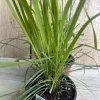
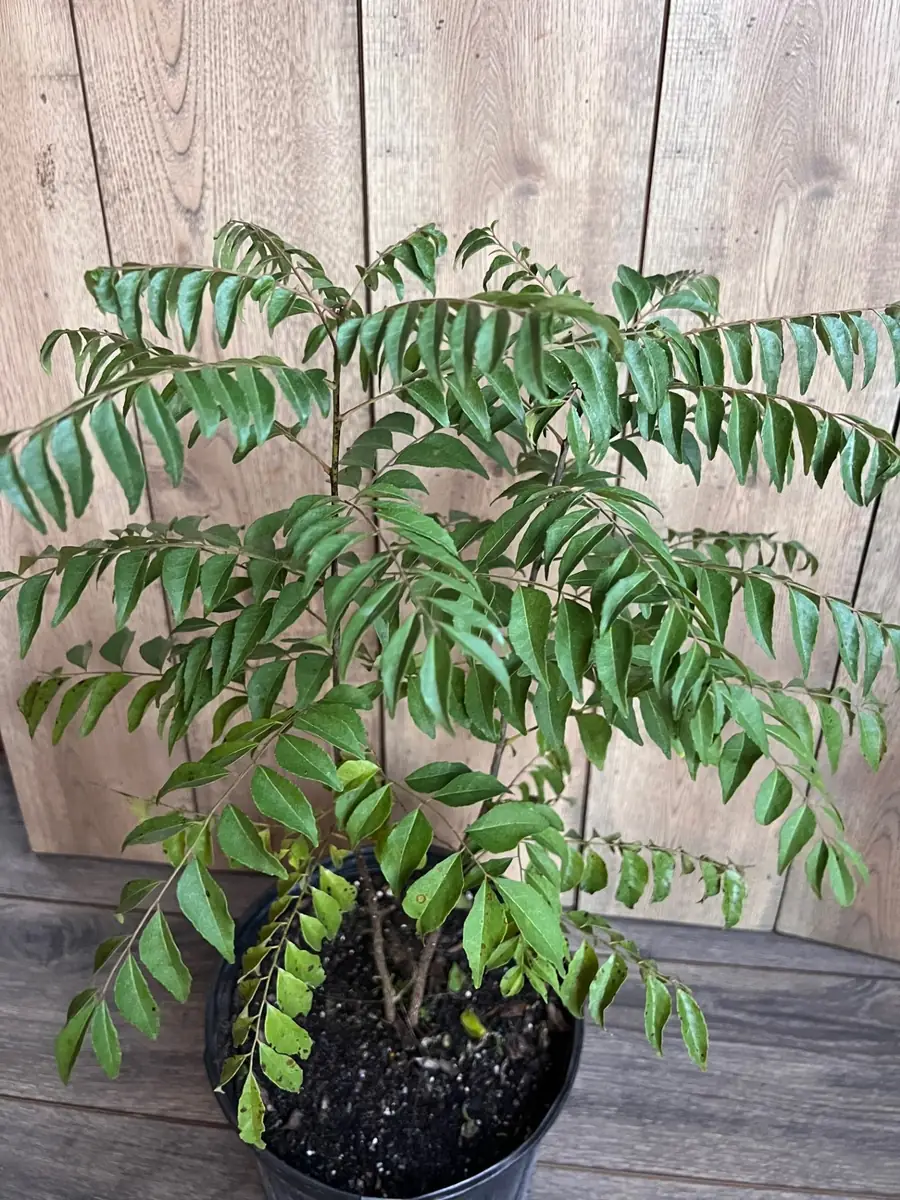
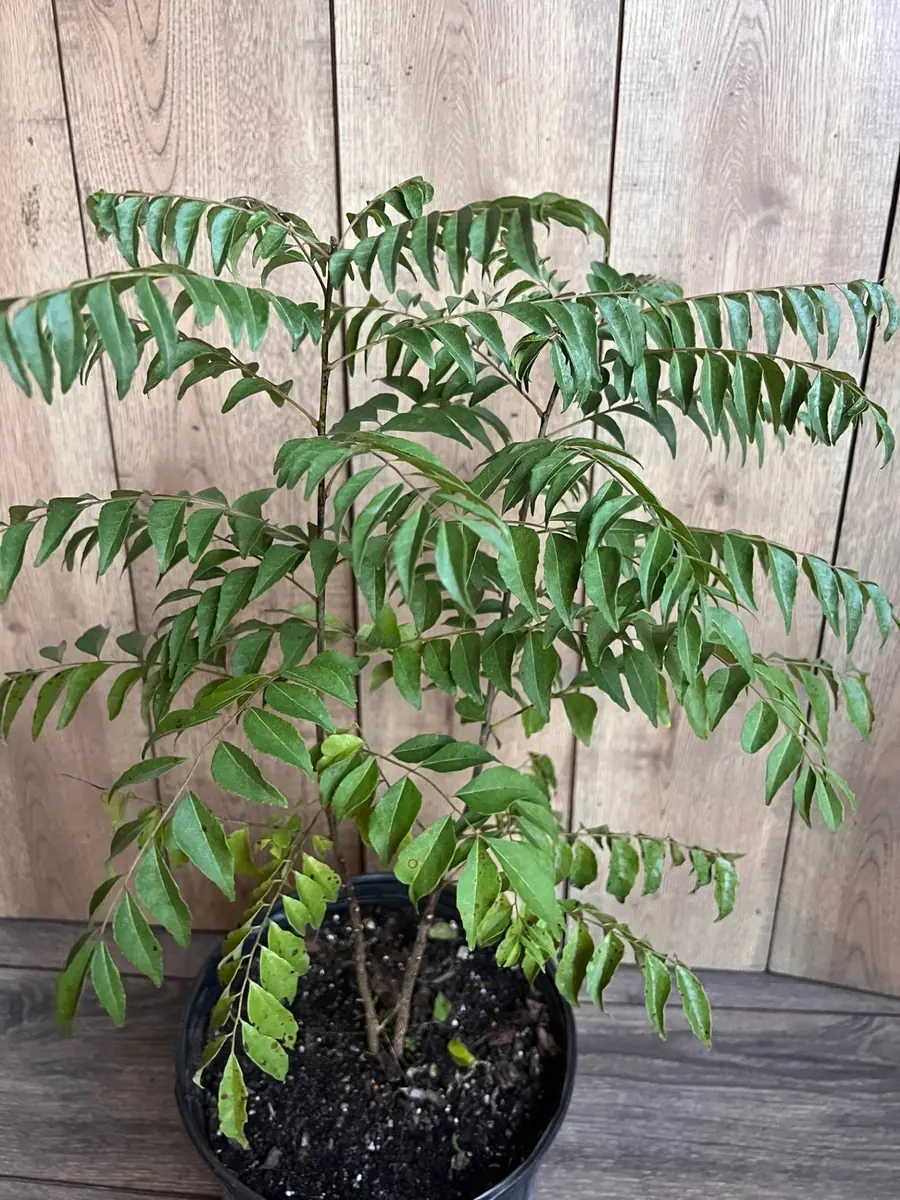
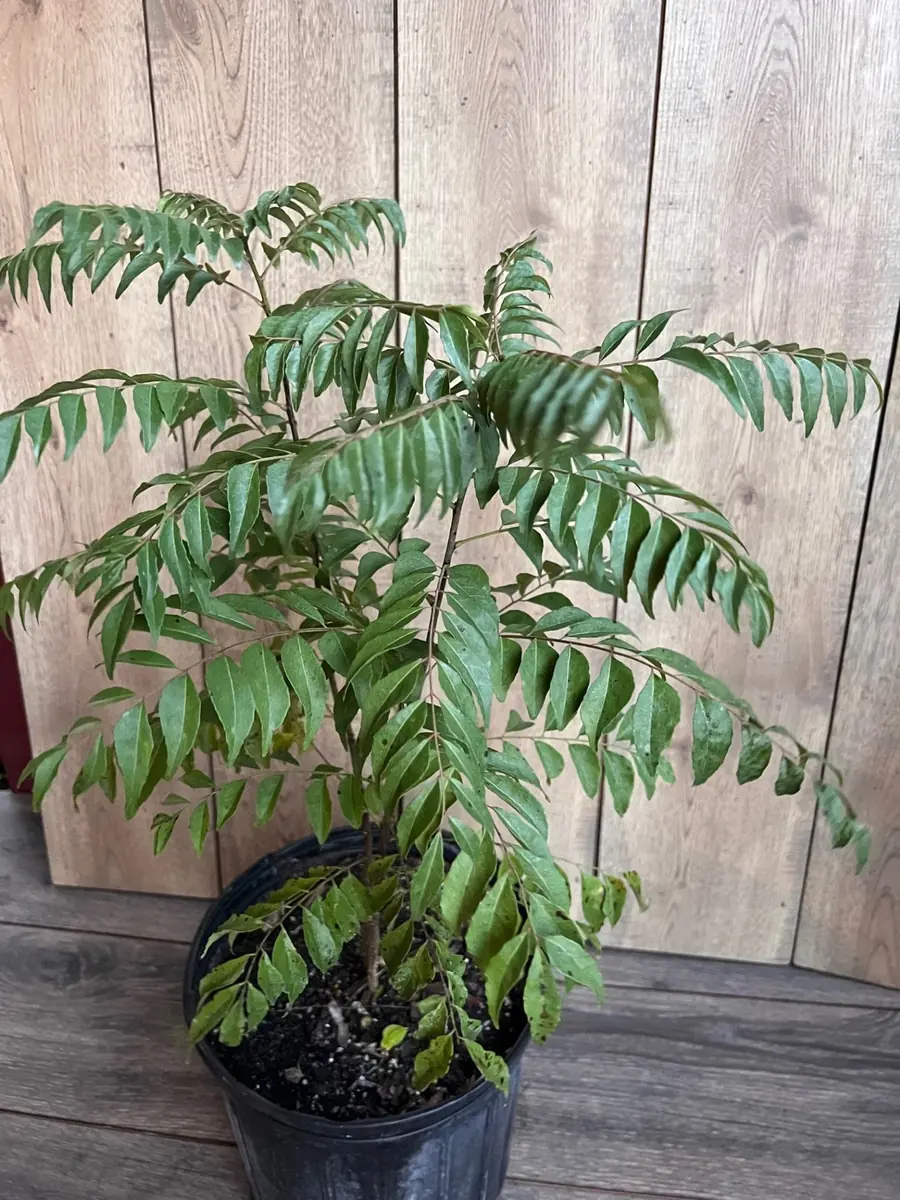
This offering is for one robust curry leaf live plant, Murraya Koenigii, cultivated and shipped in a 10-inch nursery pot. Upon arrival, the plant will be similar in size and vigor to those pictured, ready for transplanting into a larger container or directly into your garden if climate permits. Curry trees are known for their fast-growing nature, and with proper care, they can quickly establish themselves. In optimal conditions, this plant can grow anywhere from six to 20 feet tall, forming a small evergreen bush or tree. The leaves are typically harvested when fresh, and regular pruning helps maintain a desirable size and encourages bushier growth, ensuring a continuous supply of aromatic foliage for your culinary needs. Expect a vibrant, healthy plant with well-developed roots, prepared for successful growth in its new environment. The vigorous growth habit of this karivepaku plant makes it a rewarding addition for both novice and experienced gardeners.
Frequently Asked Questions
- Q: How big does this curry leaf live plant get? A: In ideal outdoor conditions, the curry tree (Murraya Koenigii) can grow into a small tree or large shrub, reaching heights of six to 20 feet. When grown in a pot, its size can be managed through pruning, typically staying much smaller, around three to six feet.
- Q: What size pot does it come in? A: This curry leaf live plant is shipped in a 10-inch diameter nursery pot, providing a good head start for its root system and allowing for immediate placement or transplanting.
- Q: Is this an indoor or outdoor plant? A: The curry tree thrives outdoors in warm climates (USDA zones 9-11) where it receives full sun. In colder regions, it can be grown as a curry tree indoor plant, provided it gets plenty of light, or moved indoors during winter.
- Q: How much sunlight does it need? A: For best results and abundant foliage, the curry leaf live plant requires full sun, meaning at least six to eight hours of direct sunlight per day. It should be placed in the sunniest part of your garden or home.
- Q: Is this plant easy to care for? A: With proper understanding of its needs, the curry leaf plant care is relatively straightforward. It requires consistent watering in the initial stages, well-draining soil, and plenty of sunlight. It is considered moderately easy for gardeners with some experience.
- Q: Can I use curry leaf in cooking? A: Absolutely! The primary use of the karivepaku plant is culinary. Its fresh leaves are highly prized for their unique flavor in Indian, Sri Lankan, and other South Asian cuisines.
- Q: What condition will it arrive in? A: Your curry leaf live plant will arrive as a healthy, established plant in its 10-inch pot, carefully packaged to ensure minimal stress during transit. It will be similar in appearance and vigor to the product images.
- Q: When is the best time to plant a curry tree? A: The best time to plant a curry tree, especially if transplanting outdoors, is in the spring, once all danger of frost has passed and temperatures are consistently warm.
- Q: Will it survive winter in my zone? A: The curry tree is frost-tender. It will survive mild frosts but will likely shed its leaves and go dormant in areas with consistently cold winters. In zones below USDA 9, it is best grown in a pot and brought indoors for winter protection.
- Q: What type of soil does it prefer? A: This plant thrives in well-drained, fertile soil with a slightly acidic pH, ideally between 6.4 and 6.9. Good drainage is crucial to prevent root rot.


Reviews
There are no reviews yet.