Overview
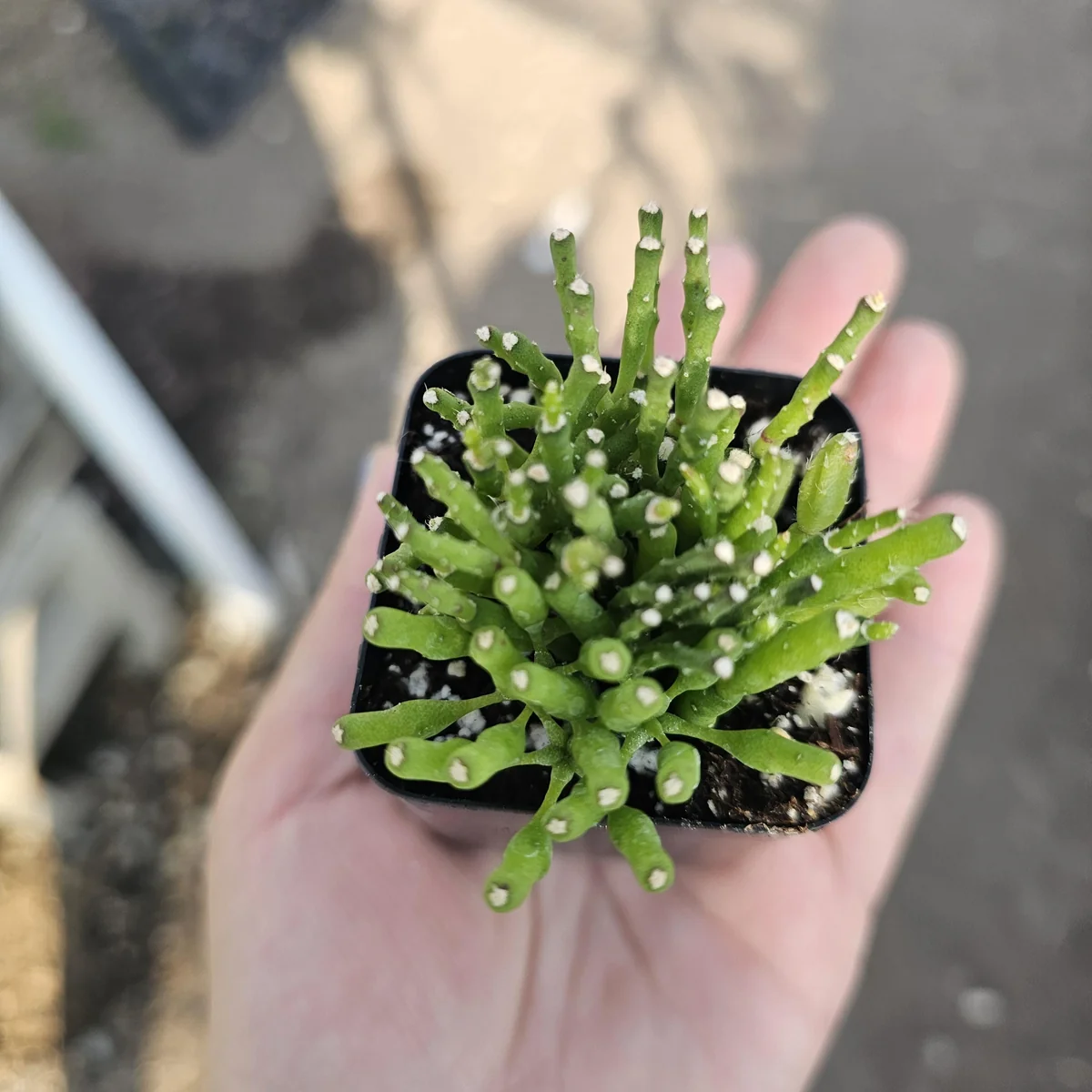
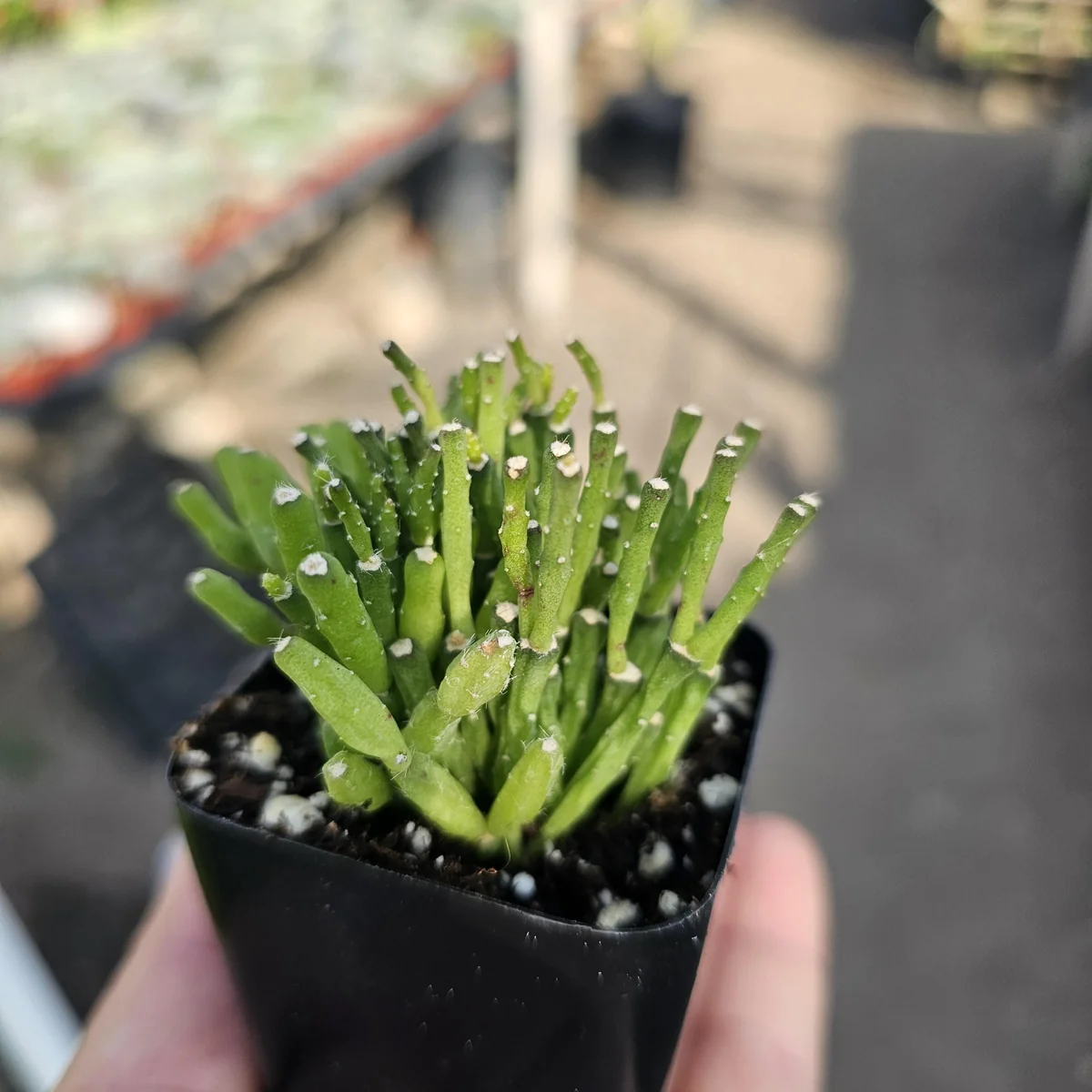
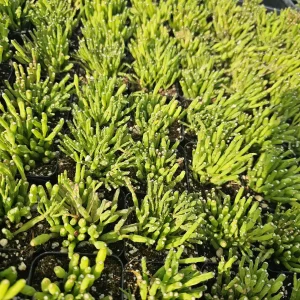
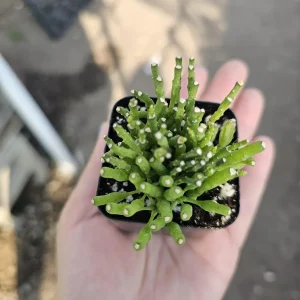
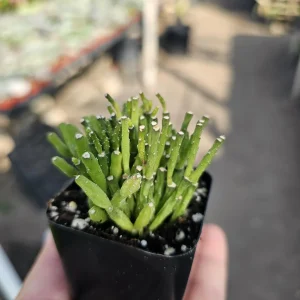
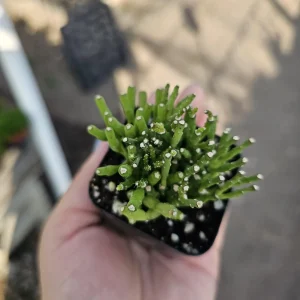
Introduce an extraordinary botanical specimen into your home with the Dancing Bones Cactus live plant, scientifically known as Hatiora salicornioides. Also affectionately called the ‘Drunkard’s Dream’ or ‘Spice Cactus’, this unique succulent is renowned for its distinctive, branching stems composed of small, bottle-shaped segments. Originating from the rainforests of Brazil, it thrives as an epiphytic plant, typically growing on trees in its natural habitat rather than in soil. This makes it an incredibly adaptable and fascinating choice for indoor cultivation, offering a mesmerizing display unlike traditional cacti. Its lush, segmented growth can gracefully cascade from hanging baskets or provide an architectural focal point on a shelf. The Hatiora Salicornioides care is straightforward, making it an excellent choice for both novice and experienced plant enthusiasts looking for something truly special.
Key Benefits
The Dancing Bones Cactus live plant offers a multitude of benefits, making it a highly desirable addition to any plant collection. Its unique aesthetic and relatively low maintenance requirements are just a few reasons why it’s so popular.
- Unusual & Striking Appearance: The segmented, jointed stems resemble tiny bottles or bones, creating a visually captivating and playful texture. This makes it a fantastic focal point and conversation starter in any room.
- Easy Care & Low Maintenance: As a succulent, the Dancing Bones Cactus live plant is forgiving and requires minimal attention once its basic needs are met. It’s an ideal choice for busy individuals or those new to plant care.
- Versatile Display Options: Its trailing growth habit makes it perfect for hanging baskets, allowing its unique segments to cascade elegantly. It also looks stunning in decorative pots on shelves or windowsills.
- Adaptable to Indoor Environments: Unlike many cacti that demand intense desert sun, this rainforest succulent thrives in typical indoor conditions with bright, indirect light, making Hatiora Salicornioides care manageable within a home setting.
- Air Purification: Like many houseplants, the Dancing Bones Cactus live plant contributes to a healthier indoor environment by helping to filter and purify the air, improving overall air quality.
- Pet-Friendly: Generally considered non-toxic to pets, making it a safer option for households with curious cats and dogs, unlike some other common houseplants.
- Potential for Charming Blooms: While primarily grown for its foliage, mature plants can produce small, delicate yellow or orange flowers at the tips of its segments, adding an extra touch of charm, especially if you’re interested in Rhipsalis salicornioides varieties.
Plant Care & Growing Tips
Proper Hatiora Salicornioides care ensures a thriving and beautiful plant. While generally easy, understanding its specific needs will help it flourish indoors. This plant, often confused with Rhipsalis salicornioides due to similar growth habits, actually belongs to a distinct genus but shares many care requirements with its epiphytic cousins.
Sunlight Requirements: The Dancing Bones Cactus live plant prefers bright, indirect light. Direct, harsh sunlight, especially during the hottest parts of the day, can scorch its delicate stems, causing them to turn red or yellow. An east or north-facing window is often ideal. If placed in a south or west-facing window, ensure it’s set back a few feet or has sheer curtains to diffuse the light. It can tolerate lower light conditions, but its growth may become leggy, and flowering will be reduced.
Watering Schedule and Soil Moisture Preferences: Unlike desert cacti, the Dancing Bones Cactus live plant appreciates more consistent moisture. Water thoroughly when the top inch or two of soil feels dry to the touch. Allow excess water to drain completely from the pot. Avoid overwatering, as this can lead to root rot, but also prevent it from drying out completely for extended periods, which can cause the segments to shrivel. Reduce watering frequency in winter when the plant’s growth slows.
Soil Type and Drainage Requirements: A well-draining, airy potting mix is crucial. A standard succulent or cactus mix can work, but for optimal Hatiora Salicornioides care, consider adding extra perlite, orchid bark, or pumice to enhance drainage and aeration. This mimics its natural epiphytic growing conditions. Good drainage is paramount to prevent waterlogged roots.
Temperature Range and USDA Hardiness Zone: This plant thrives in average room temperatures, ideally between 65-80°F (18-27°C). It is not frost-hardy and should be protected from temperatures below 50°F (10°C). As an indoor succulent plant, it is best grown indoors in most US climates. Its natural habitat suggests it would be suitable for USDA zones 10-11 if grown outdoors in a protected, humid environment, but it is primarily cultivated as a houseplant.
Fertilization Schedule and Type: Feed your Dancing Bones Cactus live plant with a balanced liquid fertilizer diluted to half strength every 2-4 weeks during its active growing season (spring and summer). Avoid fertilizing in fall and winter when the plant is dormant. A fertilizer formulated for cacti and succulents can also be used.
Common Problems and Solutions: Overwatering is the most common issue, leading to soft, mushy stems and root rot. Ensure proper drainage and allow the soil to dry between waterings. Leggy growth indicates insufficient light. Move the plant to a brighter location. Pests like mealybugs or spider mites can occasionally appear; treat with insecticidal soap or neem oil. Its resilience makes it a great unique houseplant choice.
Size & Details
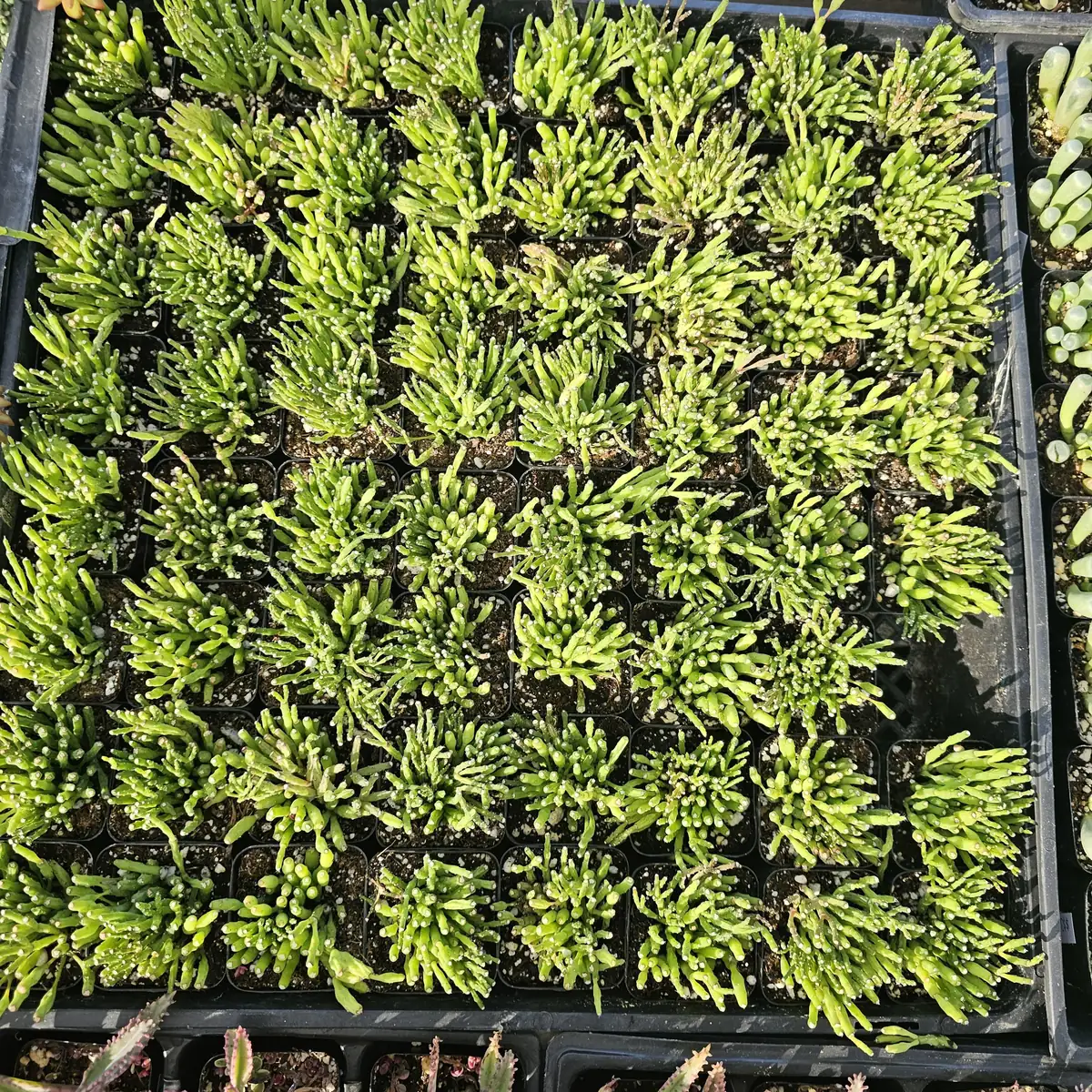
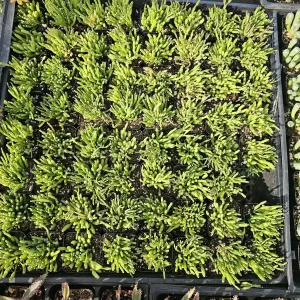
This offering is for a healthy Dancing Bones Cactus live plant (Hatiora salicornioides) in a 2 inch pot. The plant’s overall height and fullness will vary slightly as each specimen is unique, but it will be well-rooted and actively growing. Typically, these plants can grow to form dense, bushy clumps that are 12-24 inches tall and wide, with individual segments being less than an inch long. Its moderate growth rate means it will gradually fill out its container and can eventually trail over the sides, making it an excellent choice for a hanging display. It ships as a rooted plant in its nursery pot, ready for you to enjoy. Expect a robust young plant that is eager to grow and develop its characteristic form, showcasing why it’s considered a captivating indoor succulent plant. The plant will be carefully packaged to ensure safe arrival.
Frequently Asked Questions
- Q: How big does this plant get? A: The Dancing Bones Cactus live plant can grow to be quite bushy, typically reaching 1 to 2 feet in height and spread. Its segmented stems can also trail, making it suitable for hanging baskets where they can extend further.
- Q: What size pot does it come in? A: This particular Dancing Bones Cactus live plant is provided in a 2 inch pot. It’s a perfect size for starting a new collection or adding to an existing display.
- Q: Is this an indoor or outdoor plant? A: While it can be grown outdoors in very warm, humid, frost-free climates (USDA zones 10-11), the Dancing Bones Cactus live plant is predominantly cultivated as an indoor succulent plant due to its sensitivity to cold and direct harsh sun.
- Q: How much sunlight does it need? A: This plant thrives in bright, indirect light. Avoid direct afternoon sun, which can scorch its delicate stems. An east or north-facing window is often ideal for optimal Hatiora Salicornioides care.
- Q: Is this plant easy to care for? A: Yes, the Dancing Bones Cactus live plant is considered relatively easy to care for, making it a great choice for beginners. Its main requirements are bright, indirect light and careful watering to avoid overhydration.
- Q: What condition will it arrive in? A: Your Dancing Bones Cactus live plant will arrive as a well-rooted, healthy specimen in its nursery pot, carefully packaged to minimize stress during transit. Some soil shifting is normal.
- Q: Is it pet-safe? A: The Dancing Bones Cactus live plant is generally considered non-toxic to pets, making it a safer option for homes with cats and dogs. However, it’s always best to prevent pets from chewing on plants.
- Q: How often should I water my Hatiora Salicornioides? A: Water thoroughly when the top 1-2 inches of soil feel dry. Allow excess water to drain completely. The frequency will depend on your environment, pot size, and season, but it’s crucial not to let it sit in standing water.
- Q: Why is my Dancing Bones Cactus turning red? A: Reddish coloration on the stems of your Dancing Bones Cactus live plant often indicates too much direct sunlight or stress from environmental changes. Move it to a location with brighter, but more indirect light.
- Q: Can I propagate this plant? A: Yes, Hatiora Salicornioides is very easy to propagate from stem cuttings. Simply break off a few segments, let them callus for a day or two, and then plant them in well-draining soil.


Reviews
There are no reviews yet.