Overview
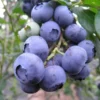
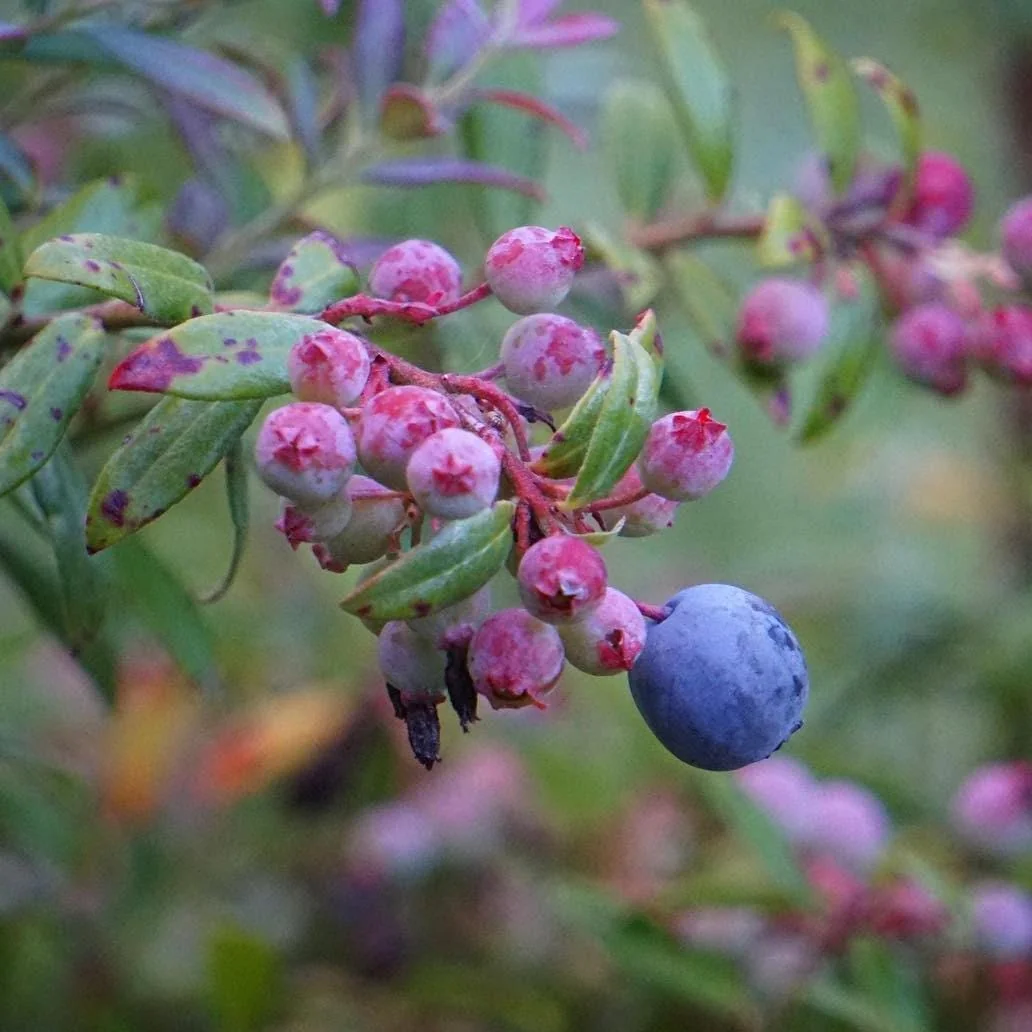
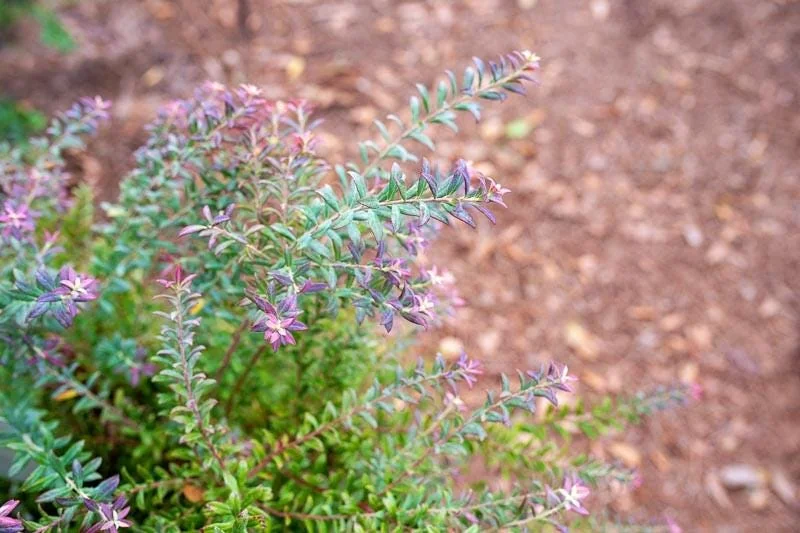
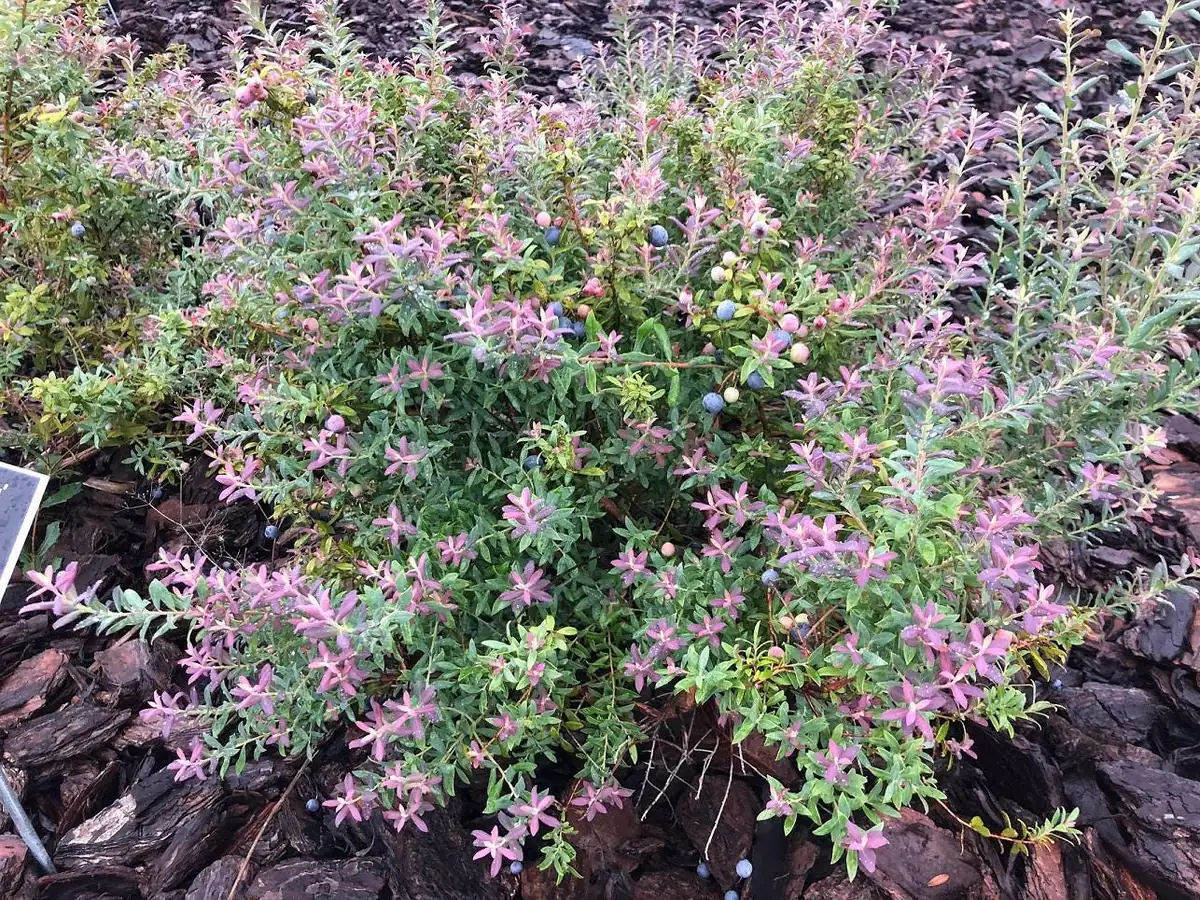
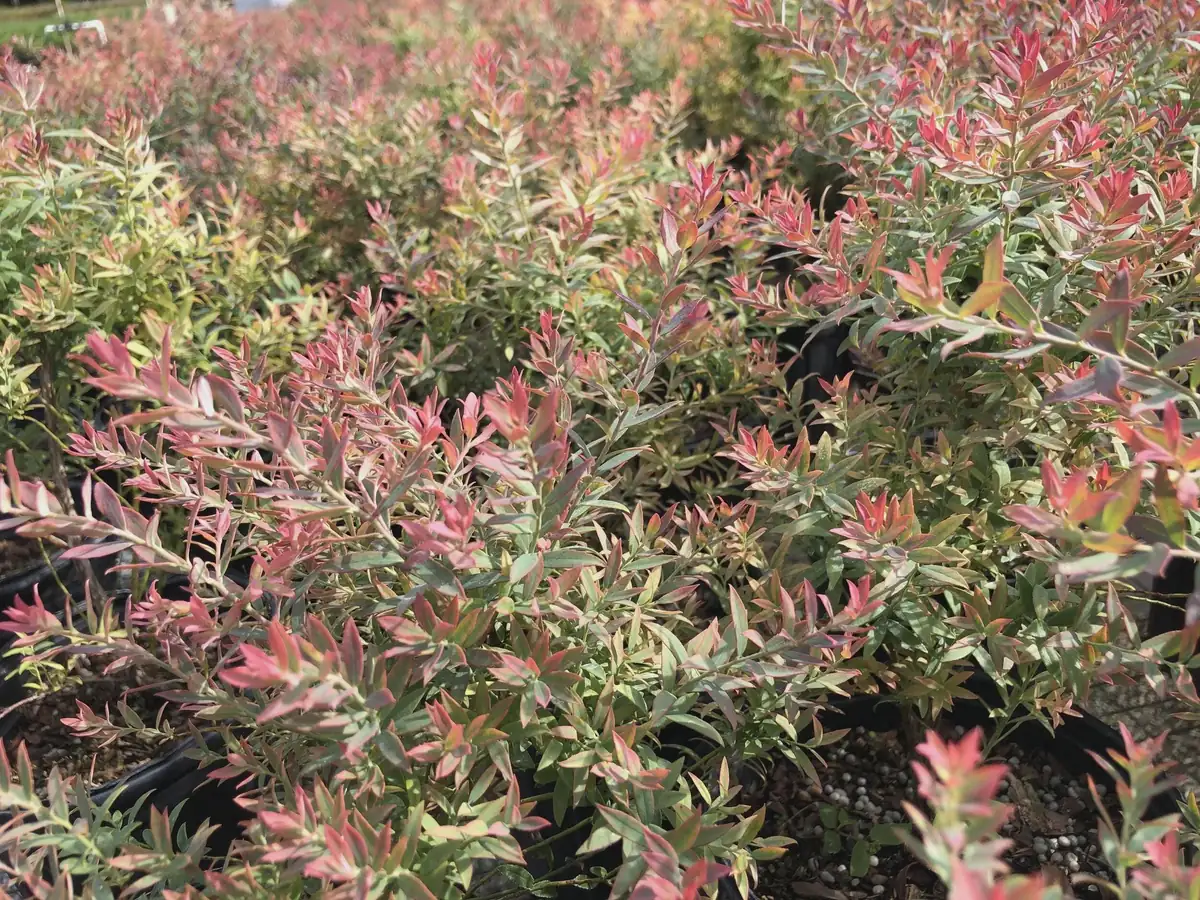
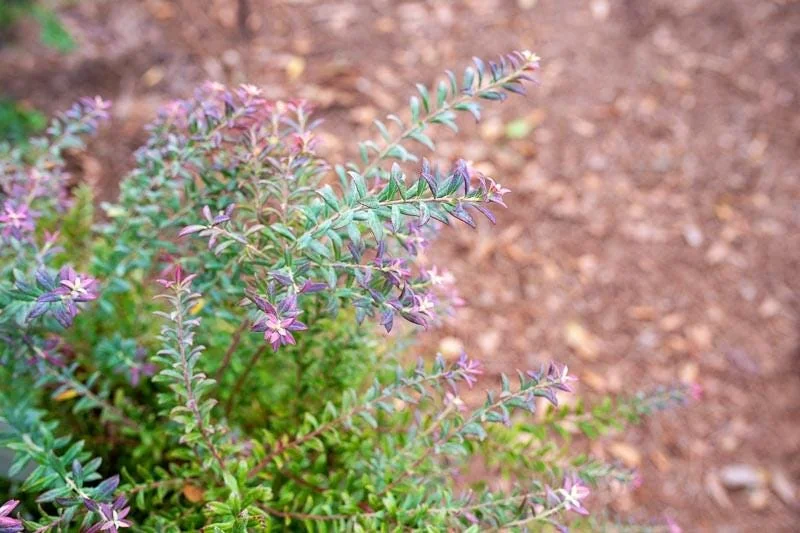
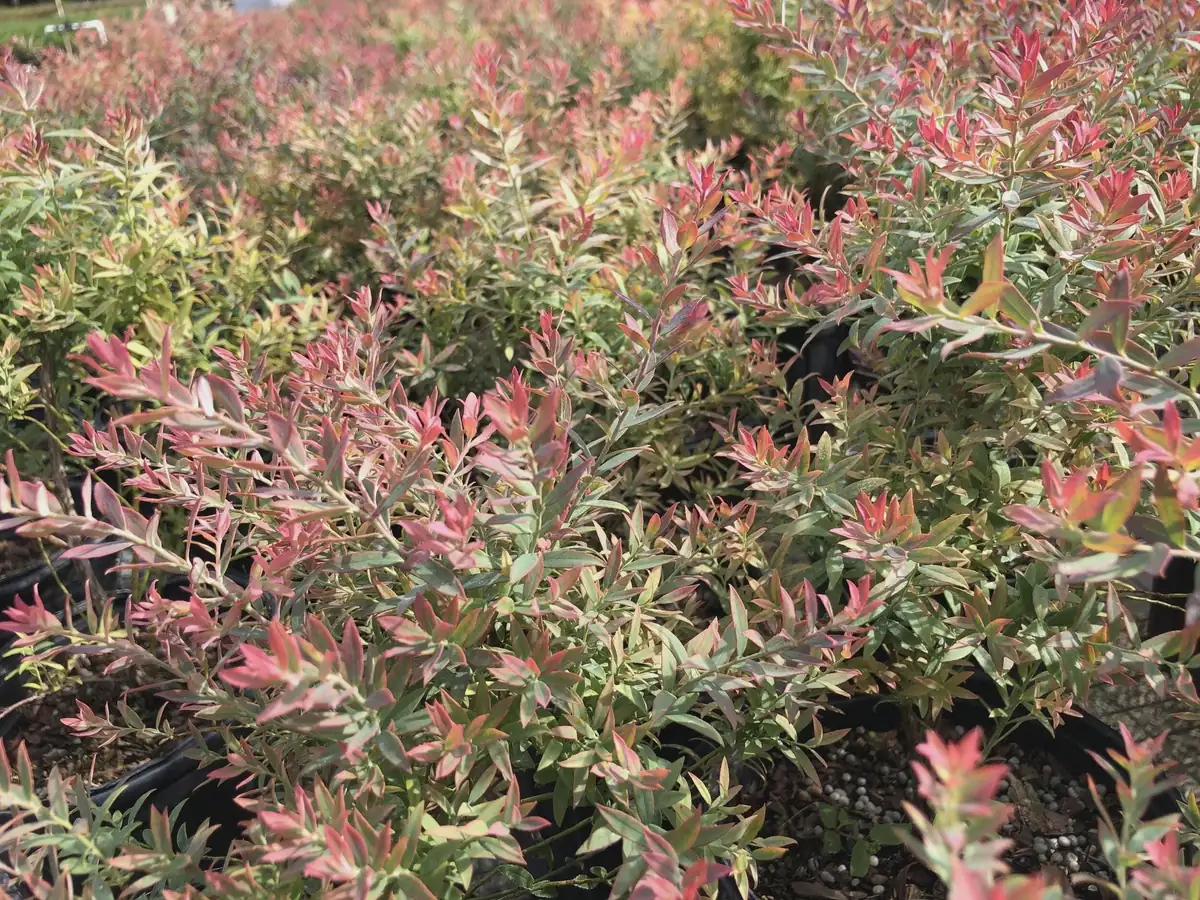
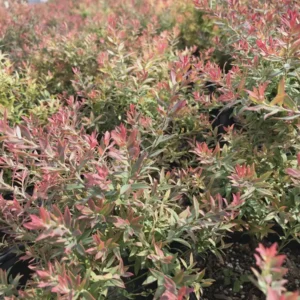
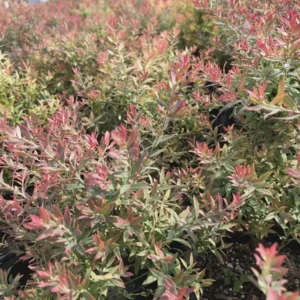
Introduce a touch of native beauty and delicious fruit to your garden with the Darrow’s native blueberry. This offering is for a live starter plug of Vaccinium darrowii, a remarkable low-growing, evergreen shrub that thrives in the southeastern United States, particularly Florida. Known for its compact, mounded growth habit, this species typically reaches 1 to 3 feet in both height and spread, making it an excellent choice for a variety of landscape applications. Beyond its ornamental appeal, the Vaccinium darrowii plant is also a crucial parent in the development of many hybrid Southern highbush blueberry cultivars, highlighting its genetic value and robust characteristics. Its new foliage emerges with an attractive purple or pinkish tinge, maturing to a distinctive bluish-green, and can transform into a striking plum purple during the cooler fall and winter months, providing year-round visual interest.
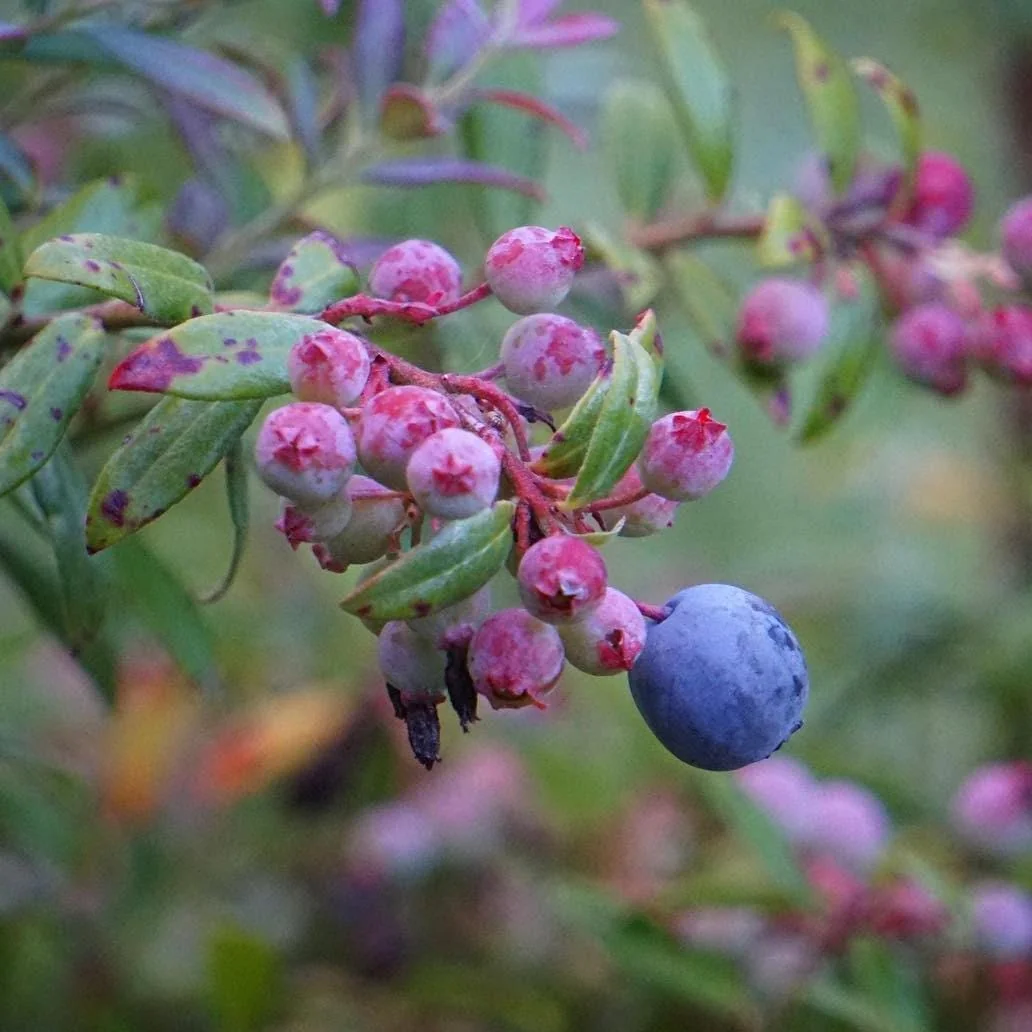
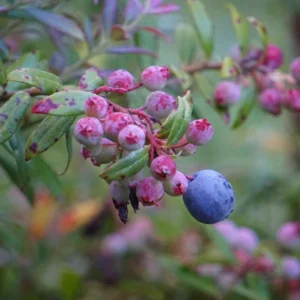
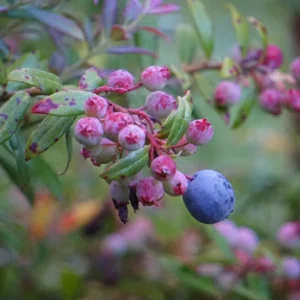
The Darrow’s native blueberry is not only aesthetically pleasing but also a source of small, flavorful berries. These berries, while smaller than those of cultivated highbush varieties, offer a sweet and tangy taste, perfect for fresh eating or use in jams and desserts. As a native plant, it is well-adapted to its natural environment, contributing to local biodiversity and supporting native pollinators. Its evergreen nature ensures continuous ground cover and winter interest, distinguishing it from deciduous blueberry varieties. This starter plug provides a healthy foundation for establishing a thriving low growing blueberry shrub in your garden, promising both beauty and bounty for years to come.
Key Benefits
Integrating the Darrow’s native blueberry into your landscape offers a multitude of advantages, combining ornamental beauty with ecological benefits and edible rewards. This versatile shrub is a fantastic addition for gardeners seeking both form and function.
- Edible Fruit Production: Enjoy small, sweet, and tangy blueberries directly from your garden. These berries are perfect for snacking, baking, or making preserves, providing a fresh, homegrown treat.
- Evergreen Foliage: Unlike many deciduous blueberry varieties, Vaccinium darrowii retains its leaves year-round, offering continuous visual interest and structure to your garden even in winter. Its foliage color changes from purplish-pink new growth to bluish-green, then plum purple in fall/winter.
- Compact Growth Habit: Growing only 1 to 3 feet tall and wide, this evergreen blueberry shrub is ideal for smaller gardens, borders, groundcover, or container planting. Its mounded form requires minimal pruning to maintain shape.
- Native Plant Benefits: As a native Florida plant, it is well-suited to the local climate and soil conditions, requiring less water and fertilizer once established. It also supports local ecosystems by providing food and habitat for native wildlife, including pollinators like bees and birds.
- Low Maintenance: This hardy shrub is relatively easy to care for, making it suitable for both experienced and novice gardeners. Its resilience to common pests and diseases further simplifies its upkeep.
- Drought Tolerance: Once established, the Vaccinium darrowii plant exhibits good drought tolerance, making it a sustainable choice for water-wise gardening.
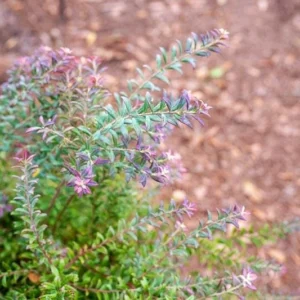
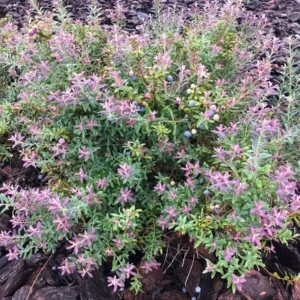
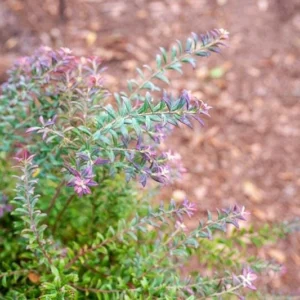
- Attractive Ornamental Features: Beyond its fruit, the changing foliage colors and delicate white to pink bell-shaped flowers in spring add significant ornamental value to any garden setting, enhancing curb appeal.
Plant Care & Growing Tips
Caring for your Darrow’s native blueberry starter plug is straightforward, ensuring a healthy and productive shrub for many years. This resilient plant, being a native Florida plant, is adapted to specific conditions that, when met, will allow it to flourish. Upon arrival, your bare root starter plug should be planted as soon as possible. Choose a location that receives full sun to partial shade; ideally, at least 6 hours of direct sunlight per day will promote the best fruit production and foliage color. In hotter climates, some afternoon shade can prevent leaf scorch. Dig a hole twice as wide as the root ball and just as deep. Gently spread the roots and backfill with soil, ensuring the plant is at the same level as it was in the nursery. Water thoroughly after planting.
Darrow’s native blueberry prefers acidic, well-draining soil with a pH between 4.5 and 5.5. Incorporating peat moss, pine bark, or other acidic amendments into your soil before planting can help achieve the ideal conditions. While established plants are drought-tolerant, consistent moisture is crucial during the establishment phase and during fruit development. Water regularly, especially during dry spells, but avoid waterlogging, which can lead to root rot. Mulching with pine needles or bark can help retain soil moisture, suppress weeds, and maintain soil acidity. Fertilize in early spring with an acid-forming fertilizer formulated for blueberries or azaleas, following package directions. Pruning is generally minimal for this low growing blueberry; remove dead or weak branches in late winter to encourage new growth and air circulation.
This evergreen blueberry shrub is hardy in USDA zones 7-10, though it can be grown as an annual or overwintered indoors in colder regions. Protect young plants from frost if unexpected cold snaps occur. Pests and diseases are generally not significant issues for Vaccinium darrowii, especially when grown in appropriate conditions. Monitor for common garden pests and address them with organic solutions if necessary. With proper care, your Vaccinium darrowii plant will provide abundant berries and attractive foliage, making it a rewarding addition to your garden.
Size & Details
This offering is for 1 Darrow’s native blueberry starter plug of Vaccinium darrowii. These plants ship bare root, meaning they are carefully removed from their growing medium with the roots exposed, to ensure safe and efficient transit. Upon arrival, the starter plug will be a young, actively growing plant, ready for immediate planting in your garden or a larger pot. The typical mature size for this evergreen blueberry shrub is a compact 1 to 3 feet in height and an equal spread, forming a dense, mounded shape. Its slow to moderate growth rate means it will gradually fill out its space, providing a lasting presence in your landscape.
The Darrow’s native blueberry is a robust species, known for its adaptability once established. Expect small, flavorful berries to appear typically in late spring to early summer, depending on your climate and the plant’s age. While these starter plugs are young, they are vigorous and will establish quickly with proper care. The compact nature of this low growing blueberry makes it an excellent candidate for container gardening on patios or balconies, as well as for mass plantings, groundcover, or as a low hedge in the garden. Its distinctive foliage coloration and edible fruit ensure it remains a focal point throughout the seasons.
Frequently Asked Questions
- Q: How big does this Darrow’s native blueberry plant get? A: The Darrow’s native blueberry (Vaccinium darrowii) typically grows to a compact size of 1 to 3 feet tall and 1 to 3 feet wide, forming a dense, mounded evergreen shrub. Its smaller stature makes it suitable for various garden applications.
- Q: Is this an indoor or outdoor plant? A: Vaccinium darrowii is primarily an outdoor plant, native to the southeastern United States. It thrives in outdoor garden settings within its recommended USDA hardiness zones. In colder climates, it can be grown in containers and brought indoors during winter.
- Q: How much sunlight does the Vaccinium darrowii plant need? A: The Vaccinium darrowii plant prefers full sun to partial shade, meaning it needs at least 6 hours of direct sunlight daily for optimal growth and fruit production. In regions with intense summer heat, some afternoon shade can be beneficial.
- Q: Is this plant easy to care for, especially for beginners? A: Yes, the Darrow’s native blueberry is considered relatively easy to care for, making it a good choice for beginners. Its native resilience means it’s adaptable once established, requiring consistent watering initially and acidic soil conditions.
- Q: What condition will the starter plug arrive in? A: The Darrow’s native blueberry starter plug ships bare root, meaning it will arrive without soil or a pot, with its roots carefully packaged to maintain moisture during transit. It’s important to plant it promptly upon arrival.
- Q: When is the best time to plant this low growing blueberry? A: The best time to plant this low growing blueberry is in spring or early fall. This allows the plant sufficient time to establish its root system before the stress of extreme summer heat or winter cold.
- Q: What kind of soil does the evergreen blueberry shrub prefer? A: This evergreen blueberry shrub thrives in acidic, well-draining soil with a pH between 4.5 and 5.5. Amending your soil with peat moss or pine bark can help achieve these ideal conditions.
- Q: Will the Darrow’s native blueberry produce fruit in its first year? A: While a young starter plug might produce a few berries in its first year, significant fruit production typically begins in the second or third year as the plant matures and establishes robust root and branch systems.
- Q: Is this native Florida plant drought-tolerant? A: Yes, once established, this native Florida plant exhibits good drought tolerance. However, consistent moisture is important during its initial establishment period and during fruit development for the best results.
- Q: How often should I fertilize my Vaccinium darrowii plant? A: Fertilize your Vaccinium darrowii plant once a year in early spring with an acid-forming fertilizer specifically designed for blueberries or acid-loving plants, following the product’s instructions for application rates.


Reviews
There are no reviews yet.