Overview
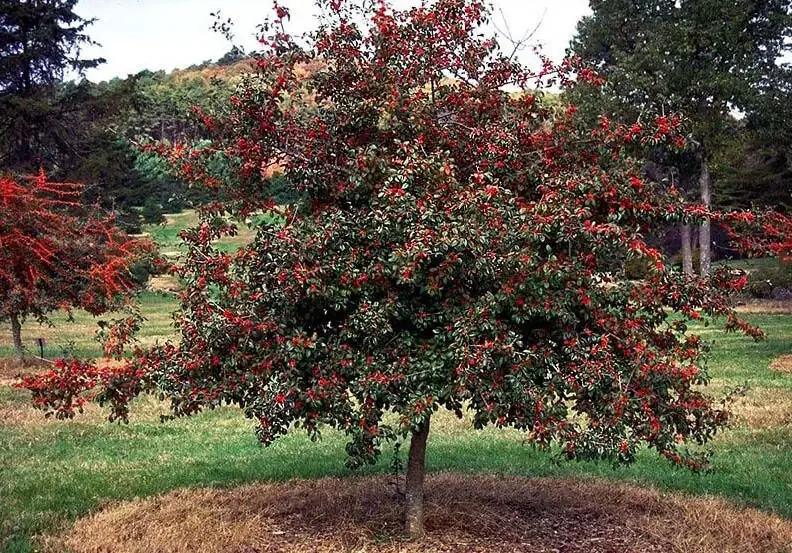
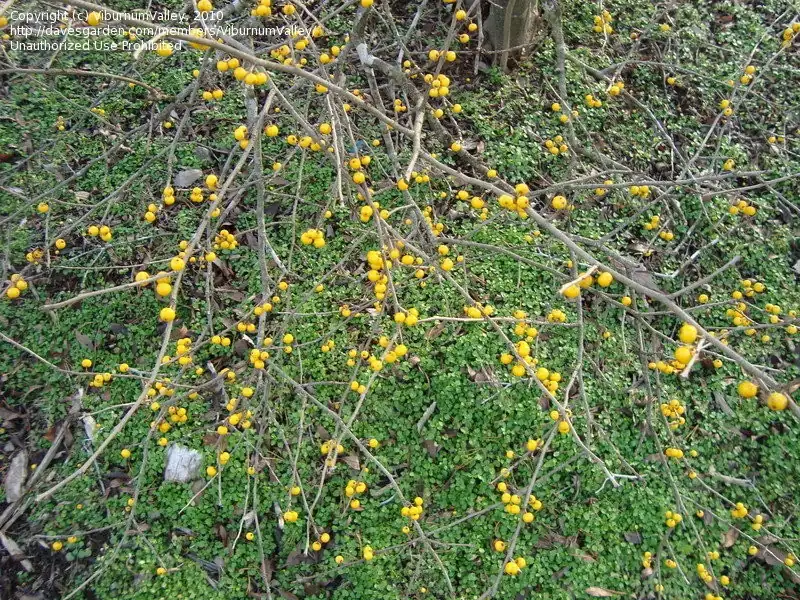
Introduce a spectacular seasonal highlight to your garden with this set of two deciduous holly live plant, scientifically known as Ilex decidua. These remarkable shrubs are renowned for their brilliant display of berries that persist through the fall and winter months, providing a much-needed splash of color when other plants have faded. Unlike evergreen hollies, deciduous holly live plant sheds its leaves in autumn, revealing an even more dramatic show of red or orange fruit against bare branches. Each plant measures 16+ inches in height, offering a substantial start to creating an eye-catching focal point or natural border in your outdoor space. These bare root plants are ready to establish quickly and thrive in a variety of conditions, making them a fantastic choice for both novice and experienced gardeners looking for resilient and beautiful additions.
The Ilex decidua is a native species, highly valued for its ecological benefits, including providing food for birds during colder seasons. Its adaptability and stunning visual appeal make it a popular choice for native plant gardens, wildlife habitats, or simply to add seasonal interest to any landscape. This set of two ensures you can start a beautiful grouping or spread their charm across different areas of your property, guaranteeing a bountiful harvest of berries for years to come. With proper care, these deciduous holly live plant specimens will transform your garden into a winter wonderland.
Key Benefits
Cultivating deciduous holly live plant brings numerous advantages to your garden and local ecosystem. These shrubs offer unparalleled aesthetic appeal and contribute significantly to biodiversity. Here are some of the key benefits:
- Stunning Winter Interest: Enjoy a breathtaking display of bright red, orange, or yellow berries that adorn the bare branches throughout fall and winter, providing vibrant color when most other plants are dormant. This makes the deciduous holly live plant a true standout in the colder months.
- Wildlife Attraction: The abundant berries serve as a crucial food source for various bird species during the winter, helping to support local wildlife and bring activity to your garden.
- Easy to Grow: Known for their hardiness and adaptability, these shrubs are relatively low-maintenance, making them suitable for gardeners of all skill levels. They tolerate a range of soil types and conditions.
- Versatile Landscaping: Perfect for creating natural hedges, borders, or as specimen plants. The winterberry holly shrubs can be used in various landscape designs to add structure and seasonal beauty.
- Native Plant Benefits: As a native species, Ilex decidua is well-suited to local climates and ecosystems, requiring less intervention and supporting native fauna more effectively.
- Attractive Fall Berries: Beyond winter, the vibrant berries begin to ripen in the fall, offering a beautiful transition of color in your garden before the leaves drop.
- Pet and Child Safe: These plants are generally considered safe for households with children and pets, offering peace of mind while enhancing your outdoor space.
Plant Care & Growing Tips
Caring for your deciduous holly live plant (Ilex decidua) is straightforward, ensuring a thriving shrub with abundant berries. These plants are quite resilient, but understanding their preferences will help them flourish. For optimal growth, these native holly plants require a location with full sun to medium sun, meaning they should receive at least 6 hours of direct sunlight per day. While they can tolerate some partial shade, too little sun may result in fewer berries. They are outdoor plants and thrive in continental climates.
When it comes to watering, Ilex decidua prefers medium moisture. The soil should be consistently moist but well-draining. Avoid waterlogged conditions, as this can lead to root rot. During dry spells, especially in their first year of establishment, regular watering is crucial. The ideal soil type is a loamy, slightly acidic to neutral soil. Amending heavy clay soils with organic matter can improve drainage, while sandy soils may benefit from compost to retain moisture. These plants are typically hardy in USDA zones 5-9, tolerating a wide range of winter temperatures.
Fertilization is generally not heavily required once established. If your soil is poor, a balanced slow-release fertilizer in early spring can be beneficial. Pruning should be done in late winter or early spring before new growth appears. Remove any dead or damaged branches, and prune to maintain desired shape and size. To ensure a good crop of attractive fall berries, remember that female plants require a male pollinator nearby. One male plant can typically pollinate several female plants. Common problems are rare, but watch for typical garden pests and diseases and address as needed with appropriate organic or chemical treatments. The growth stage for these plants is flowering, indicating they are ready to produce berries.
Size & Details
This offering includes a set of two deciduous holly live plant specimens, each measuring 16+ inches in height. These are shipped as bare root plants, carefully prepared for transplanting into your garden. Bare root plants are an economical and effective way to establish new shrubs, as they quickly adapt to their new environment once planted. The mature size of Ilex decidua typically ranges from 10 to 15 feet tall and equally wide, forming a dense, rounded shrub. However, their size can be managed through regular pruning, allowing them to fit into various landscape designs, including smaller gardens or as part of a mixed border. The growth rate is medium, meaning you can expect noticeable development each season.
These ilex decidua care plants are perennial, returning year after year to grace your landscape with their seasonal beauty. They will reach their full berry production potential within a few years of planting. The berries, which are the main ornamental feature, mature in the fall and persist throughout the winter, often until spring, unless consumed by birds. The plants will arrive ready for immediate planting, ensuring a smooth transition into your garden. Consider planting them in groups to maximize the visual impact of their stunning berries.
Frequently Asked Questions
- Q: How big will my deciduous holly live plant grow? A: A mature Ilex decidua typically reaches a height and spread of 10 to 15 feet. However, its size can be effectively managed through annual pruning to suit your specific garden needs.
- Q: Is this an indoor or outdoor plant? A: The deciduous holly live plant (Ilex decidua) is an outdoor shrub. It thrives in various outdoor garden settings and is not suitable for indoor cultivation.
- Q: How much sunlight does ilex decidua care require? A: For the best berry production and overall health, your deciduous holly needs full sun to medium sun, which translates to at least 6 hours of direct sunlight daily. It can tolerate some partial shade.
- Q: Is this plant easy to care for? A: Yes, Ilex decidua is considered a low-maintenance shrub. It’s adaptable to different soil conditions and once established, requires minimal intervention beyond watering during dry periods and occasional pruning.
- Q: What condition will the plants arrive in? A: Your deciduous holly live plant will arrive as bare root plants, meaning they are shipped without soil around their roots. This is a common and effective method for shipping dormant shrubs.
- Q: When is the best time to plant winterberry holly shrubs? A: The best time to plant bare root deciduous holly is in early spring or late fall when the plant is dormant. This allows the roots to establish before extreme weather conditions.
- Q: Will it survive winter in my zone? A: Ilex decidua is hardy in USDA zones 5 through 9, making it resilient to a wide range of winter temperatures in many parts of the United States.
- Q: Do I need more than one plant to get attractive fall berries? A: Yes, to ensure a good display of berries, you will need both a female native holly plants and a male pollinator plant. Typically, one male plant can pollinate several female plants in close proximity.
- Q: What type of soil is best for deciduous holly? A: Deciduous holly prefers well-draining, slightly acidic to neutral soil. It can tolerate a range of soil types, including clay and sandy soils, as long as drainage is adequate.
- Q: Are these plants safe for pets and children? A: Yes, Ilex decidua is generally considered child-safe and pet-safe, adding to its appeal as a garden plant for family homes.


Reviews
There are no reviews yet.