Overview
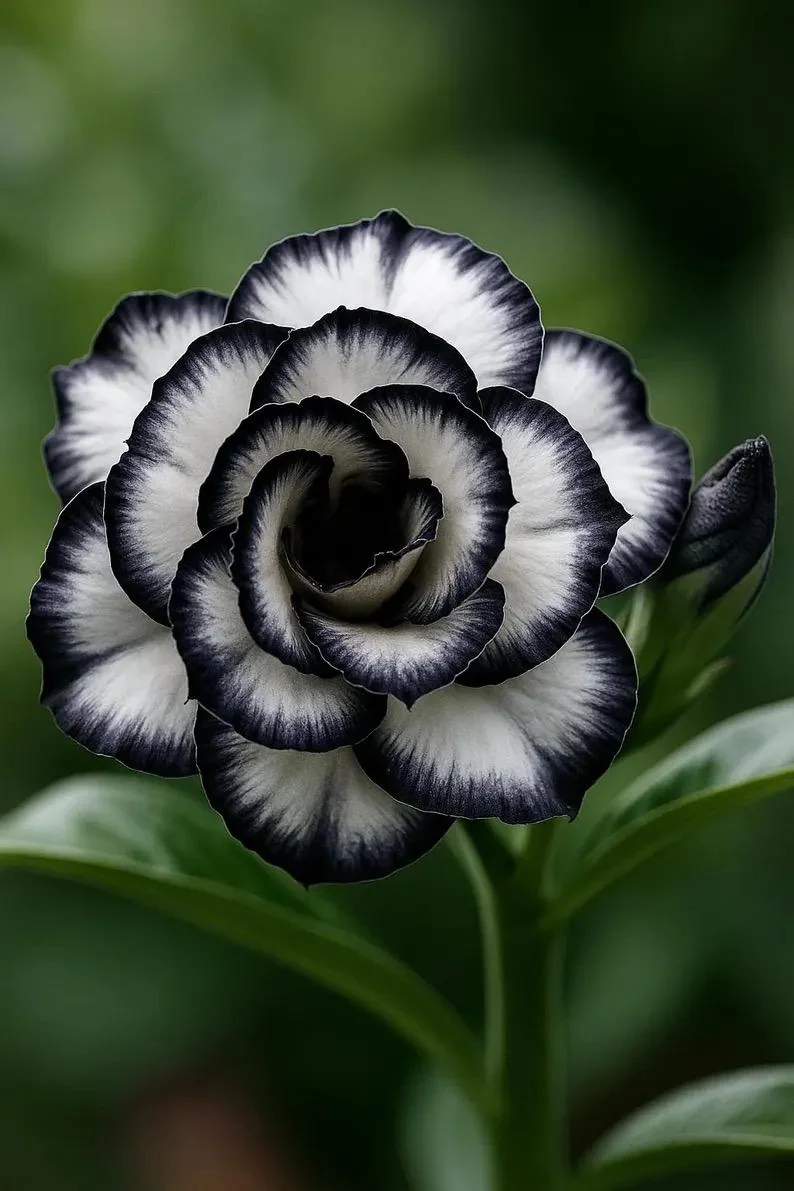
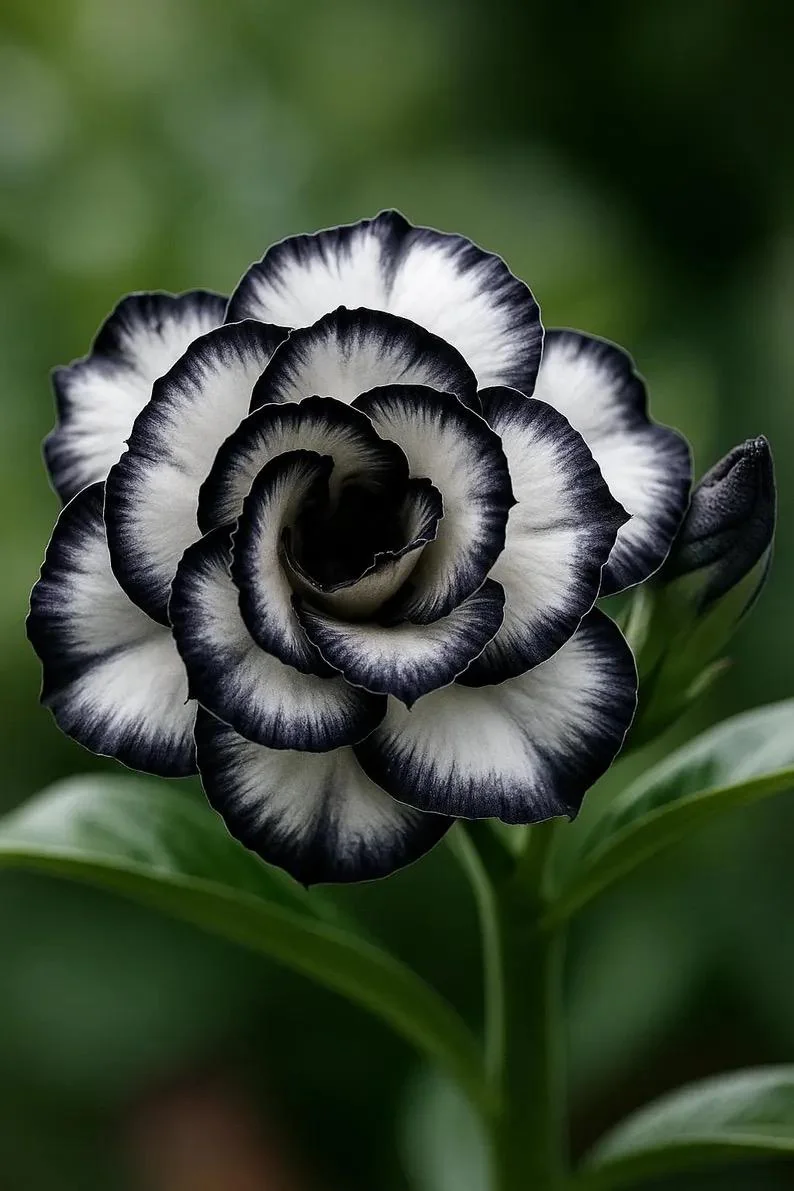
Introduce a touch of exotic elegance to your collection with the desert rose black fang live plant. This captivating variety of Adenium Obesum is renowned for its strikingly dark, almost black, double or triple petaled flowers that create a dramatic contrast against its lush green foliage. Often called the ‘Black Fang’ due to its deep coloration, this unique desert rose is a true collector’s item. Originating from arid regions, the Desert Rose is a succulent shrub known for its swollen, artistic caudex (trunk) that stores water, allowing it to thrive in less-than-ideal conditions. Each plant develops a unique shape, making every specimen a living sculpture. Perfect for both seasoned enthusiasts and adventurous beginners, this desert rose starter plant promises to be a conversation starter and a focal point in any indoor or outdoor setting (in appropriate climates).
Key Benefits
The desert rose black fang live plant offers a multitude of benefits beyond its stunning appearance, making it a highly desirable addition to your plant family. Its unique characteristics contribute to its appeal and ease of care.
- Exotic Aesthetic Appeal: The deep, almost black flowers are incredibly rare and provide a dramatic visual impact, setting it apart from more common flowering plants. Its artistic caudex adds sculptural interest even when not in bloom.
- Drought Tolerance: As a succulent, the Adenium Obesum is naturally adapted to dry conditions, requiring less frequent watering compared to many other houseplants, making it ideal for busy individuals.
- Low Maintenance: Once established, this black adenium plant is relatively easy to care for, needing minimal attention to thrive, especially in warm, sunny environments.
- Unique Caudex Formation: The swollen stem, or caudex, develops beautiful and intricate patterns over time, providing a bonsai-like appearance that adds character and uniqueness to each plant.
- Long Blooming Period: With proper care and sufficient sunlight, the desert rose black fang live plant can produce stunning blooms for extended periods, bringing joy throughout much of the year.
- Versatile Placement: Suitable for growing in pots on patios, balconies, or as an indoor specimen near a sunny window, this plant adapts well to various settings.
- Conversation Starter: Its unusual appearance and striking dark flowers are sure to draw attention and admiration from guests, making it a fantastic focal point.
Plant Care & Growing Tips
Caring for your desert rose black fang live plant is a rewarding experience, and with a few key considerations, it will flourish and produce its spectacular blooms. Understanding its natural habitat helps in replicating optimal conditions for this adenium obesum care.
Sunlight Requirements
The Desert Rose thrives on sunlight. It requires at least 6 hours of direct sunlight per day to produce abundant blooms and maintain a compact, healthy shape. Indoors, place it in your brightest window, preferably south or west-facing. If outdoor temperatures permit, it will benefit greatly from being placed in a full sun location on a patio or balcony. Insufficient light can lead to leggy growth and reduced flowering.
Watering Schedule and Soil Moisture
As a succulent, the Desert Rose stores water in its caudex, making it highly drought-tolerant. The most common mistake in adenium obesum care is overwatering. Allow the soil to dry out completely between waterings. During its active growing season (spring and summer), water thoroughly until water drains from the bottom, then wait until the soil is dry before watering again. Reduce watering significantly in fall and winter, especially if temperatures drop, as the plant may enter a dormant phase and require very little water. Always err on the side of underwatering rather than overwatering to prevent root rot.
Soil Type and Drainage
Excellent drainage is paramount for the health of your black adenium plant. Use a well-draining potting mix specifically formulated for succulents or cacti. A good mix typically consists of potting soil, perlite, and coarse sand or pumice. This ensures that excess water rapidly escapes, preventing waterlogging around the roots, which can be fatal for this plant. A pot with drainage holes is absolutely essential.
Temperature Range and USDA Hardiness Zone
The Desert Rose is a tropical plant and is not tolerant of cold temperatures. It thrives in warm conditions, ideally between 65°F (18°C) and 90°F (32°C). Protect your plant from temperatures below 50°F (10°C), as prolonged exposure to cold can cause damage or even death. In most regions of the US, it is grown as a potted plant that can be moved indoors during cooler months. Its typical USDA hardiness zone is 10-11, where it can be grown outdoors year-round.
Fertilization Schedule and Type
During the active growing season (spring and summer), fertilize your desert rose black fang live plant every 2-4 weeks with a balanced liquid fertilizer diluted to half strength. A fertilizer with a slightly higher phosphorus content can encourage more blooms. Avoid fertilizing during its dormant period in fall and winter. Always water the plant before fertilizing to prevent root burn.
Common Problems and Solutions
While generally robust, Desert Roses can encounter a few issues. Overwatering is the most common problem, leading to soft, mushy caudex and root rot. If this occurs, unpot the plant, trim away any rotted parts, allow it to callus for a few days, and then repot in fresh, dry, well-draining soil. Pests like spider mites, mealybugs, and aphids can occasionally bother the plant; treat with insecticidal soap or neem oil as needed. Yellowing leaves can indicate overwatering, underwatering, or nutrient deficiency; assess your watering schedule and fertilization.
Size & Details
This offering is for a desert rose starter plant, typically shipped as a young, actively growing specimen. The exact size will vary based on current growth but generally ranges from 4 to 8 inches in height, measured from the soil line. Each plant will have a developing caudex, showcasing the early stages of its unique sculptural form. The plant is carefully selected for health and vigor, ensuring a strong foundation for future growth and abundant blooms. Expect your plant to arrive in a nursery pot, ready for acclimation and eventual repotting into a slightly larger container as it grows. With proper adenium obesum care, this starter plant will mature into a magnificent specimen, potentially reaching heights of 2-3 feet and developing a substantial, eye-catching caudex over several years. The ‘Black Fang’ variety is known for its robust growth habit and potential for prolific flowering under optimal conditions.
Frequently Asked Questions
- Q: How big does this desert rose black fang live plant get? A: As a starter plant, it will arrive small, typically 4-8 inches tall. With proper care, it can grow into a shrub reaching 2-3 feet in height and width, developing a significant caudex over many years.
- Q: Is this an indoor or outdoor plant? A: It can be both! In USDA zones 10-11, it can be grown outdoors year-round. In cooler climates, it’s best grown as a potted plant that can be moved indoors during colder months.
- Q: How much sunlight does a unique desert rose need? A: Desert Roses are sun-lovers. They require at least 6 hours of direct sunlight daily to thrive and produce their best blooms. Indoors, place it in your brightest, sunniest window.
- Q: Is this plant easy to care for? A: Yes, once you understand its basic needs, particularly regarding watering and sunlight, it’s considered a relatively easy-care plant, especially for those familiar with succulents.
- Q: What condition will my desert rose starter plant arrive in? A: Your plant will be carefully packaged and shipped as a healthy, actively growing starter plant in a nursery pot. It’s normal for plants to experience some stress during transit, but with proper care, it will quickly recover.
- Q: When is the best time to plant or repot an adenium obesum care specimen? A: The best time to plant or repot is during the active growing season, typically spring or early summer, when temperatures are consistently warm.
- Q: Can I prune my black adenium plant? A: Yes, pruning can encourage a bushier growth habit and more branching, which leads to more flowers. Prune in late winter or early spring before the new growth cycle begins.
- Q: What type of soil is best for Desert Roses? A: A well-draining succulent or cactus potting mix is essential. It should be airy and allow water to pass through quickly to prevent root rot.
- Q: Is the Desert Rose pet-safe? A: No, Desert Roses (Adenium Obesum) are toxic if ingested by pets or humans. Keep them out of reach of children and animals.
- Q: How often should I fertilize my desert rose black fang live plant? A: During the growing season (spring and summer), fertilize every 2-4 weeks with a balanced, diluted liquid fertilizer. Reduce or stop fertilization during fall and winter dormancy.


Reviews
There are no reviews yet.