Overview
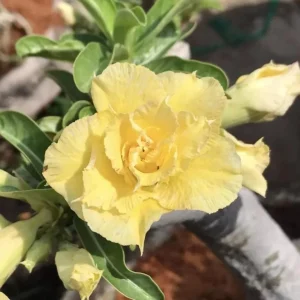
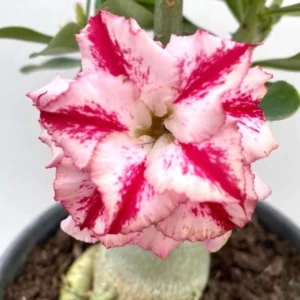
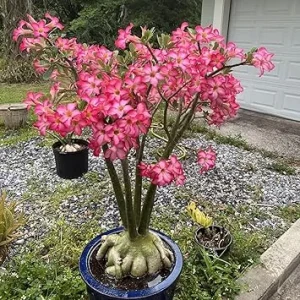
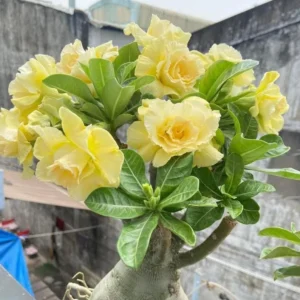
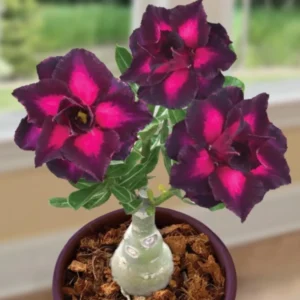
Introduce a touch of exotic beauty to your home or garden with the magnificent desert rose live plant, specifically the captivating ‘Star Cluster’ Adenium Obesum. This unique succulent is prized for its swollen caudex, intricate branching, and, most notably, its stunning, star-shaped flowers that bloom in a vibrant array of colors. Also known as the Sabi Star or Impala Lily, the Adenium Obesum is a drought-tolerant species originating from arid regions, making it a relatively low-maintenance yet visually striking addition to any plant collection. The ‘Star Cluster’ variety is particularly sought after for its distinct floral patterns, offering a rare and enchanting display that is sure to draw admiration. Whether you’re a seasoned succulent enthusiast or a beginner looking for a conversation-starting plant, this desert rose live plant provides both beauty and resilience.
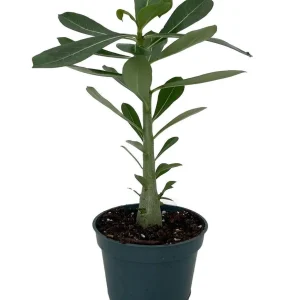
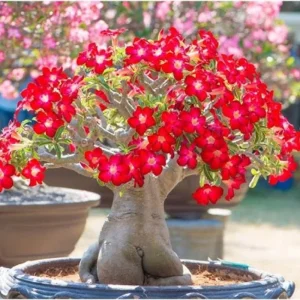
This starter plant offers an exciting opportunity to nurture a rare and beautiful specimen from its early stages. With proper care, your ‘Star Cluster’ Adenium Obesum will develop into a robust and floriferous plant, gracing your environment with its spectacular blooms. Its sculptural form and striking flowers make it an excellent choice for bonsai enthusiasts or as a standalone specimen in a decorative pot. Embrace the joy of growing this extraordinary succulent and watch it transform your space with its unique charm and vibrant blossoms.
Key Benefits
The desert rose live plant offers numerous advantages for plant lovers, combining aesthetic appeal with surprising hardiness. Its distinctive features make it a rewarding plant to cultivate:
-
Exotic Floral Displays: The ‘Star Cluster’ variety boasts unique, star-shaped flowers that are incredibly vibrant and eye-catching. These blooms can transform any space into a tropical oasis, providing a continuous source of visual delight during its blooming season.
-
Drought Tolerance: As a succulent, the adenium obesum care requirements are geared towards minimal watering once established. This makes it an ideal plant for those who prefer low-maintenance options or live in drier climates, reducing the worry of frequent watering.
-
Unique Caudex Formation: One of the most distinctive features is its swollen, bulbous trunk (caudex), which stores water. This sculptural element adds significant character and visual interest, making each plant a living work of art that evolves over time.
-
Adaptable Growth: While often grown as a potted houseplant in cooler climates, the desert rose can thrive outdoors in warmer, frost-free regions. Its adaptability allows it to be cultivated in various settings, from sunny patios to bright indoor windowsills.
-
Long Blooming Period: With adequate sunlight and warmth, the star cluster adenium can bloom for extended periods, often producing multiple flushes of flowers throughout the warmer months. This prolonged display ensures continuous enjoyment of its beautiful blossoms.
-
Collector’s Item: The ‘Star Cluster’ is considered a rare desert rose cultivar, making it a highly desirable plant for collectors and enthusiasts. Its unique flower form sets it apart from more common varieties, adding value and prestige to any collection.
-
Conversation Starter: The unusual appearance and stunning flowers of this succulent flowering plant inevitably draw attention and spark conversations. It’s a perfect choice for those who enjoy showcasing unique botanical specimens.
Plant Care & Growing Tips
Proper adenium obesum care is crucial for ensuring a healthy and floriferous desert rose live plant. These plants thrive with specific environmental conditions that mimic their native arid habitats. They require abundant sunlight; ideally, provide at least 6 hours of direct sunlight per day. If growing indoors, place your plant in the brightest south-facing window possible. Insufficient light can lead to leggy growth and reduced flowering. During the growing season, from spring to fall, ensure your plant receives consistent warmth. Temperatures between 70-90°F (21-32°C) are ideal. In winter, if temperatures drop below 50°F (10°C), bring the plant indoors to protect it from cold, as it is not frost-tolerant. USDA hardiness zones 10-11 are generally suitable for outdoor cultivation, otherwise, it is best grown as a potted houseplant.
Watering is perhaps the most critical aspect of caring for your star cluster adenium. As a succulent, it is highly susceptible to root rot if overwatered. Allow the soil to dry out completely between waterings during the active growing season. When you do water, do so thoroughly until water drains from the bottom of the pot. Reduce watering significantly in the cooler, dormant months, often watering only once a month or even less, especially if the plant drops its leaves. Use a well-draining potting mix specifically formulated for succulents and cacti, or create your own by mixing coarse sand, perlite, and a small amount of regular potting soil. Good drainage is paramount to prevent waterlogging around the caudex and roots. Fertilize every 2-4 weeks during the growing season with a balanced, slow-release fertilizer or a liquid feed diluted to half strength. Avoid fertilizing during dormancy.
Pruning is essential for maintaining the shape, encouraging branching, and promoting more prolific blooms on your rare desert rose. The best time to prune is in late winter or early spring before new growth begins. Remove any dead, diseased, or crossing branches. You can also prune to shape the plant or to encourage a thicker caudex. Watch out for common pests like spider mites, mealybugs, and aphids, especially in dry indoor environments. Inspect your plant regularly and treat any infestations promptly with insecticidal soap or neem oil. Ensure good air circulation to prevent fungal issues. With diligent care, your succulent flowering plant will reward you with its spectacular beauty for many years.
Size & Details
This offering is for a desert rose live plant, ‘Star Cluster’ Adenium Obesum, provided as a starter plant. The exact size will vary as each plant is unique, but it will be a young, healthy specimen ready for transplanting and continued growth. Typically, starter plants are shipped in small nursery pots or with roots carefully wrapped, ensuring they arrive in optimal condition for successful establishment in your chosen container or garden spot. With proper care, these plants can eventually grow into substantial specimens, often reaching heights of 2-5 feet and developing a significant caudex width over several years, making them a truly impressive succulent flowering plant.
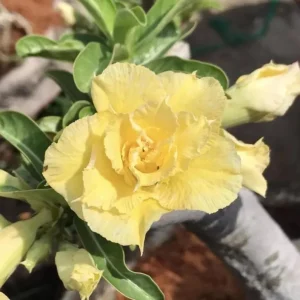
The growth rate of the star cluster adenium is moderate, allowing enthusiasts to enjoy its development over time. It typically blooms during the warmer months, with multiple flowering cycles possible under ideal conditions. The distinctive ‘Star Cluster’ flowers are known for their intricate petal structure and vibrant colors, making each bloom a miniature masterpiece. It is shipped as a live plant, ready to be potted upon arrival. Expect variations in size and leaf count as each plant is a natural, individual specimen.
Frequently Asked Questions
-
Q: How big does this desert rose live plant get? A: A desert rose live plant can grow to be quite substantial over time. While this is a starter plant, mature specimens of Adenium Obesum can reach heights of 2-5 feet and develop a wide, swollen caudex depending on growing conditions and age. They are often kept smaller through pruning for container growing.
-
Q: Is this an indoor or outdoor plant? A: The ‘Star Cluster’ Adenium Obesum can be grown both indoors and outdoors. It thrives outdoors in USDA zones 10-11 where there is no frost. In cooler climates, it is best cultivated as a potted houseplant, brought indoors when temperatures drop below 50°F (10°C).
-
Q: How much sunlight does my adenium obesum need? A: Your adenium obesum care requires ample sunlight. It needs at least 6 hours of direct sunlight per day to flower prolifically. Indoors, place it in the brightest possible spot, such as a south-facing window. Outdoors, a full sun location is ideal.
-
Q: Is this plant easy to care for? A: While specific watering and light requirements need to be met, the star cluster adenium is considered relatively easy to care for once you understand its needs as a succulent. Its drought tolerance makes it forgiving if you occasionally forget to water, but overwatering is its biggest enemy.
-
Q: What condition will the rare desert rose arrive in? A: Your rare desert rose starter plant will arrive as a healthy, live specimen. It may be shipped in a small nursery pot or with its roots carefully wrapped. It is normal for plants to experience some stress during transit, but with proper care upon arrival, it will quickly recover and thrive.
-
Q: How often should I water my succulent flowering plant? A: Water your succulent flowering plant thoroughly when the soil has completely dried out. During the active growing season (spring to fall), this might be every 1-2 weeks. In winter or during dormancy, reduce watering significantly, perhaps monthly or even less, especially if the plant loses its leaves.
-
Q: When is the best time for this desert rose live plant to bloom? A: The desert rose live plant typically blooms during the warmer months, from spring through fall, when it receives sufficient sunlight and warmth. With optimal conditions, it can produce multiple flushes of its beautiful ‘Star Cluster’ flowers throughout this period.
-
Q: What type of soil is best for adenium obesum care? A: For optimal adenium obesum care, use a very well-draining soil mix. A specialized succulent or cactus potting mix is ideal. You can also create your own by combining potting soil with perlite, coarse sand, or pumice to ensure excellent drainage and prevent root rot.
-
Q: Is this plant pet-safe? A: All parts of the Adenium Obesum, including the sap, are considered toxic if ingested by humans or pets. It is advisable to keep this desert rose live plant out of reach of children and pets and to wear gloves when handling it.
-
Q: What should I do if my star cluster adenium loses its leaves in winter? A: It is common for a star cluster adenium to go dormant and drop some or all of its leaves during cooler winter months, especially if kept in lower light or cooler temperatures. This is a natural process; reduce watering significantly during this time and resume normal care in spring when new growth appears.


Reviews
There are no reviews yet.