Overview
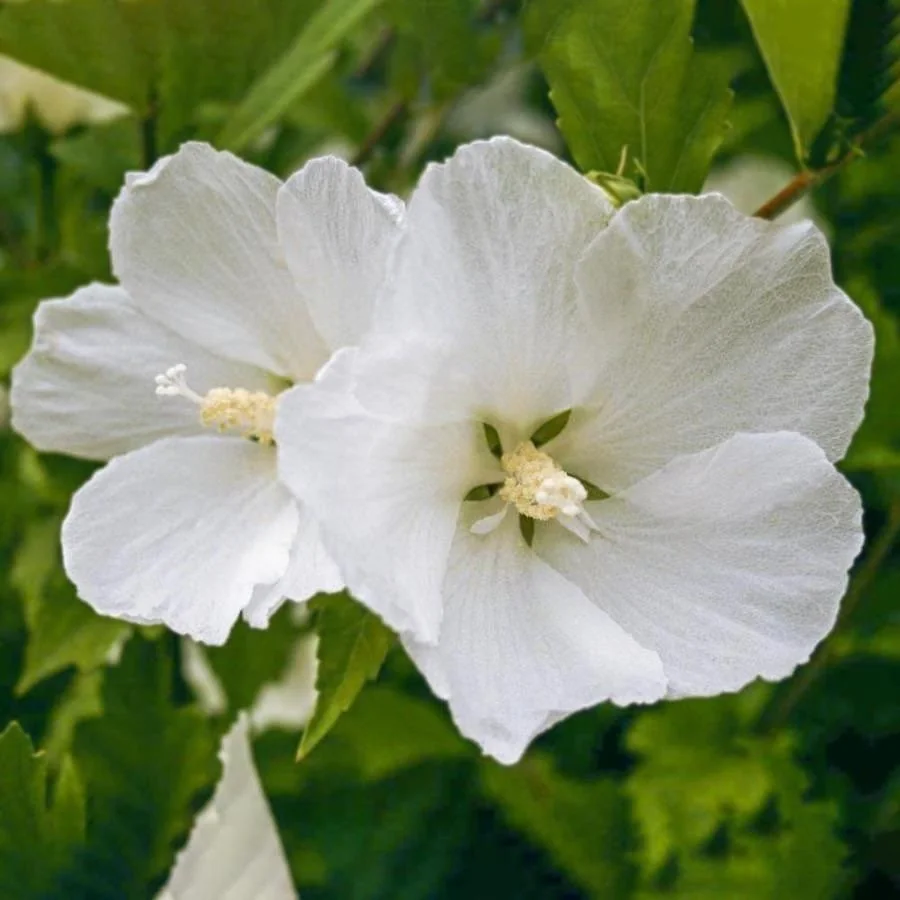
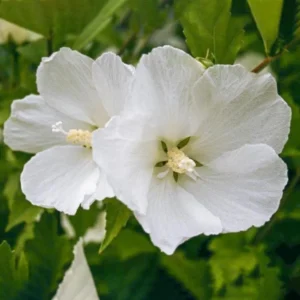
Introduce a touch of timeless elegance to your landscape with the Diana Rose of Sharon Althea. This beautiful althea live plant is a highly sought-after deciduous shrub, celebrated for its prolific and striking white blossoms that gracefully adorn its branches throughout the summer. Also known by its botanical name, Hibiscus syriacus plant, this variety offers a reliable burst of color when many other plants are winding down. Originating from south-central and southeast China, the Rose of Sharon has a rich history and is widely appreciated for its hardiness and ornamental appeal. It’s an excellent choice for gardeners looking to create a vibrant, low-maintenance focal point or an attractive hedge. This particular variety, ‘Diana’, is renowned for its large, pure white, single flowers, providing a crisp and clean aesthetic.
The Diana Rose of Sharon Althea thrives in a variety of conditions, making it a versatile addition to many garden styles. Its upright growth habit and dense foliage provide structure and privacy, while its long blooming season ensures continuous visual interest. Whether you’re a seasoned gardener or just starting, this hardy flowering shrub is an excellent choice for reliable beauty and easy care. Its resilience and adaptability make it a favorite for both urban and rural settings, bringing a touch of classic charm wherever it’s planted.
Key Benefits
The Diana Rose of Sharon Althea offers numerous advantages for any garden, combining aesthetic appeal with practical benefits:
- Stunning White Blooms: Enjoy an abundance of large, pristine white flowers from summer to fall, providing a continuous display of fresh, clean color. These elegant blooms are a magnet for pollinators, adding life to your garden. The beauty of the Diana Rose of Sharon Althea is unmatched.
- Extended Blooming Season: Unlike many shrubs that bloom for a short period, the Diana Rose of Sharon Althea flowers generously throughout the warmer months, ensuring your garden remains vibrant and attractive for an extended period.
- Exceptional Hardiness: This hardy flowering shrub is well-adapted to various climates, thriving in USDA Zones 6-9. It tolerates heat, humidity, and can endure colder temperatures, making it a reliable choice for diverse regions.
- Low Maintenance: Once established, the Hibiscus syriacus plant requires minimal care, making it suitable for busy gardeners. It’s relatively pest and disease resistant, reducing the need for constant attention.
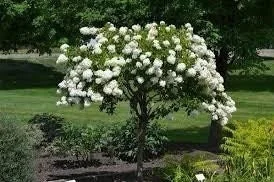
- Versatile Landscape Use: Perfect as a specimen plant, in mixed borders, as an informal hedge, or even in large containers. Its upright growth habit and attractive foliage make it adaptable to many garden designs.
- Attracts Pollinators: The beautiful flowers of the Diana Rose of Sharon Althea are highly attractive to bees, butterflies, and hummingbirds, contributing to a healthy and biodiverse garden ecosystem.
- Drought Tolerance: While it prefers consistent moisture, this shrub exhibits good drought tolerance once mature, an important feature for water-wise gardening.
Plant Care & Growing Tips
Caring for your Diana Rose of Sharon Althea is straightforward, ensuring years of beautiful blooms. This althea live plant thrives in full sun to partial shade, ideally receiving at least 6 hours of direct sunlight per day for optimal flowering. While it can tolerate some shade, fewer blooms may result. Good air circulation is also beneficial to prevent fungal issues. When planting, choose a location with well-draining soil. It is adaptable to a range of soil types, including sandy, loamy, or clay, but consistently wet conditions should be avoided. Incorporating organic matter into the planting hole can improve soil structure and fertility.
Watering is crucial, especially during the establishment period. Keep the soil consistently moist but not waterlogged. Once established, the Hibiscus syriacus plant is moderately drought-tolerant, but regular watering during dry spells will promote healthier growth and more abundant flowers. Fertilize in early spring with a balanced slow-release fertilizer before new growth begins. Pruning can be done in late winter or early spring to shape the plant, remove dead or damaged branches, and encourage more prolific blooming. Rose of Sharon blooms on new wood, so pruning won’t sacrifice the current season’s flowers. This hardy flowering shrub is generally pest-resistant, but keep an eye out for aphids or whiteflies, which can be managed with insecticidal soap if necessary.
The rose of sharon care involves understanding its hardiness. It is suitable for USDA Zones 6-9, meaning it can withstand winter temperatures down to -10°F (-23°C). In colder zones, some winter dieback may occur, but the plant typically regrows from the roots in spring. Mulching around the base of the plant can help regulate soil temperature and retain moisture, benefiting the root system throughout the year. With proper care, your Diana Rose of Sharon Althea will become a cherished and vibrant part of your garden for many seasons.
Size & Details
This offering includes one Diana Rose of Sharon Althea live plant, carefully cultivated and shipped in a quart-sized pot. At the time of shipping, the plant will be well-rooted and ready for transplanting into your garden or a larger container. The typical height of a mature Hibiscus syriacus plant can range from 8 to 12 feet tall with a spread of 6 to 10 feet, creating a substantial and impactful presence in your landscape. Its growth rate is moderate, allowing it to establish and reach a noticeable size within a few seasons. Expect the first blooms to appear in its first or second year after planting, with increasingly abundant flowers as it matures.
This althea live plant is a deciduous shrub, meaning it will lose its leaves in the fall and regrow them in the spring. It is shipped in its nursery pot with soil, ensuring minimal transplant shock and a smooth transition to its new home. The quart pot size provides a healthy root ball, giving the plant a strong start. The dense branching and upright habit make it an excellent choice for a variety of garden applications, from a standalone specimen to a backdrop in a perennial border. With its robust nature and consistent performance, the Diana Rose of Sharon Althea is a valuable addition to any garden.
Frequently Asked Questions
- Q: How big does this plant get? A: The Diana Rose of Sharon Althea typically grows to a mature height of 8 to 12 feet and can spread 6 to 10 feet wide, forming a substantial and attractive shrub. Its size can be managed with regular pruning.
- Q: What size pot does it come in? A: Each althea live plant is shipped in a quart-sized nursery pot, ensuring the plant has a healthy root system and is ready for planting upon arrival.
- Q: Is this an indoor or outdoor plant? A: The Diana Rose of Sharon Althea is primarily an outdoor plant, thriving in garden settings within USDA Zones 6-9. It requires significant sunlight and space to flourish as a hardy flowering shrub.
- Q: How much sunlight does it need? A: This hardy flowering shrub prefers full sun, meaning at least 6 hours of direct sunlight per day, for the best flowering performance. It can tolerate partial shade, but blooms may be less abundant.
- Q: Is this plant easy to care for? Is it good for beginners? A: Yes, the Diana Rose of Sharon Althea is considered a low-maintenance plant and is excellent for beginners. Its hardiness and adaptability make rose of sharon care relatively simple.
- Q: What condition will it arrive in? A: Your Hibiscus syriacus plant will arrive as a healthy, well-rooted plant in its quart pot, carefully packaged to ensure its safe journey to your home.
- Q: How long until it blooms? A: Most Diana Rose of Sharon Althea plants will begin to produce their beautiful white blooms in their first or second year after planting, with flowering becoming more prolific as the plant matures.
- Q: When is the best time to plant? A: The best time to plant your althea live plant is in spring or early fall, allowing it ample time to establish its root system before extreme weather conditions.
- Q: Will it survive winter in my zone? A: The Diana Rose of Sharon Althea is hardy in USDA Zones 6-9. In these zones, it will reliably survive winter, though some tip dieback might occur in the colder parts of its range.
- Q: What’s the minimum temperature it can tolerate? A: This hardy flowering shrub can tolerate winter temperatures down to approximately -10°F (-23°C), corresponding to USDA Zone 6.


Reviews
There are no reviews yet.