Overview
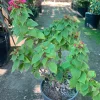
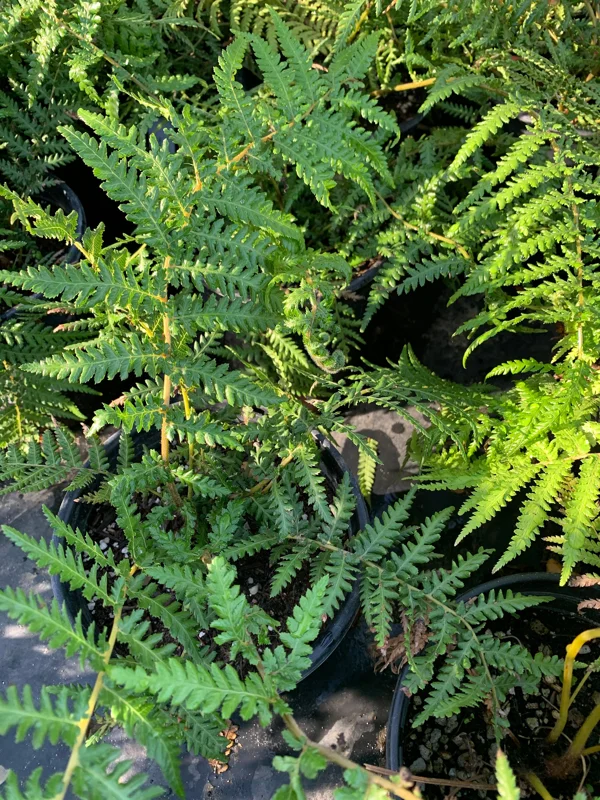
Immerse your garden in lush, prehistoric beauty with the magnificent Dicksonia fern live plant. Also known as the Soft Tree Fern or Tasmanian Tree Fern (scientific name: Dicksonia antarctica), this iconic plant is renowned for its grand, architectural form and vibrant green fronds. Originating from Australia and New Zealand, it brings an exotic, tropical feel to any landscape, making it a popular choice for gardeners seeking a dramatic focal point. This particular specimen stands an impressive 2-3 feet tall, arriving carefully nurtured in a 3-gallon pot, ensuring a healthy start for your outdoor oasis. Its distinctive fibrous trunk and expansive canopy of fronds create a captivating presence, transforming ordinary spaces into extraordinary natural retreats. The Dicksonia fern live plant is not just a plant; it’s a statement piece that evokes the ancient beauty of primeval forests.
This hardy and long-lived fern is celebrated for its ease of establishment and ability to thrive in various shaded environments. Whether you’re designing a woodland garden, creating a shaded courtyard, or simply adding a touch of grandeur to your patio, the Soft Tree Fern offers unparalleled aesthetic appeal. Its robust nature makes it a rewarding addition for both novice and experienced gardeners, providing years of natural splendor. Embrace the timeless elegance and captivating charm that only a well-grown Dicksonia fern live plant can offer, and watch as your garden transforms into a verdant paradise.
Key Benefits
The Dicksonia fern live plant offers a multitude of benefits, making it an exceptional choice for enhancing your outdoor spaces. Its unique characteristics contribute significantly to both the aesthetics and ecological balance of your garden.
- Dramatic Architectural Presence: The large, spreading fronds and distinctive fibrous trunk of the Soft Tree Fern create a powerful visual impact, serving as a stunning focal point in any garden design. It adds an immediate sense of maturity and lushness to the landscape.
- Tropical Ambiance: Instantly transform your garden into a serene, tropical haven. The vibrant green foliage and classic fern structure evoke images of exotic rainforests, providing a calming and refreshing atmosphere.
- Shade Garden Specialist: Thrives in shaded and partially shaded areas where many other plants struggle. This makes it an invaluable addition for under trees, against north-facing walls, or in other low-light conditions, brightening otherwise dim spaces.
- Low Maintenance Once Established: After initial planting and watering, the Dicksonia fern live plant requires relatively little ongoing care. It’s a robust plant that can withstand various conditions, making it an easy-to-manage option for busy gardeners.
- Air Purification: Like many plants, ferns contribute to improved air quality by absorbing pollutants and releasing oxygen, creating a healthier outdoor environment for you and your family.
- Habitat for Wildlife: The dense canopy and fibrous trunk can provide shelter and a microclimate for small garden creatures, contributing to local biodiversity.
- Long-Lived Beauty: With proper care, these tree ferns can live for many decades, becoming a lasting legacy in your garden and growing into magnificent specimens over time.
Plant Care & Growing Tips
Caring for your Dicksonia fern live plant is straightforward, especially if you understand its natural habitat preferences. These tree ferns thrive in cool, moist, and shaded environments. When planting, choose a location that receives partial to full shade, ideally protected from strong winds. Direct, harsh sunlight can scorch the fronds, leading to browning and stress. Ensure the soil is consistently moist but well-draining. A rich, organic soil mix with good moisture retention is ideal. Incorporating compost or well-rotted leaf mold will greatly benefit its growth.
Watering is crucial, especially during dry periods and for young plants. The trunk of the Dicksonia antarctica is fibrous and can absorb water. In addition to watering the soil around the base, it’s highly beneficial to hose down the trunk and fronds regularly, mimicking the misty conditions of its native environment. This helps keep the plant hydrated and clean. For mature plants, the trunk itself acts as a water reservoir, but consistent moisture is still key. Fertilize sparingly; a slow-release, balanced liquid fertilizer applied during the growing season (spring and summer) at half strength is usually sufficient. Avoid over-fertilizing, as this can damage the sensitive fronds. These ferns are generally hardy in USDA zones 9-11, preferring temperatures above 25°F (-4°C). In colder climates, protection during winter is necessary, such as wrapping the trunk in burlap or bringing potted specimens indoors.
Common problems often arise from insufficient moisture or too much sun. Brown frond tips usually indicate a lack of humidity or watering. Pests are rarely an issue for this robust plant, but occasionally slugs or snails might nibble on new growth. Regular inspection and natural pest control methods can manage this. Proper tree fern care involves maintaining high humidity and consistent moisture, especially during warm weather. With these simple guidelines, your giant fern plant will flourish, providing a stunning natural feature for years to come.
Size & Details
This offering is for one robust Dicksonia fern live plant, which measures approximately 2 to 3 feet in height from the base of the pot to the tip of its tallest frond. It is shipped securely in a 3-gallon nursery pot, providing ample root space for healthy establishment upon arrival. The plant features a developing fibrous trunk, characteristic of the Dicksonia antarctica species, and a crown of lush, green fronds. These ferns have a moderate growth rate, typically adding several inches to a foot of trunk height per year under optimal conditions. The fronds themselves can reach lengths of 4 to 8 feet at maturity, creating a broad, umbrella-like canopy. This specimen is ready for immediate outdoor planting or can be kept in its pot for a period before transplanting. Expected time to reach significant size and full canopy development will vary depending on growing conditions, but continuous, healthy growth can be anticipated with proper outdoor fern plant care.
Frequently Asked Questions
- Q: How big does this plant get? A: This Dicksonia fern live plant is currently 2 to 3 feet tall. With proper care, it can grow into a magnificent specimen with fronds spreading several feet wide and a trunk that can eventually reach heights of 10-20 feet over many years.
- Q: Is this an indoor or outdoor plant? A: The Dicksonia fern is primarily an outdoor fern plant, best suited for shaded garden locations. While it can be overwintered indoors in colder climates, it generally thrives outdoors where it can receive consistent moisture and humidity.
- Q: How much sunlight does it need? A: This tree fern prefers partial to full shade. It is crucial to protect it from direct, harsh sunlight, which can cause its fronds to scorch and turn brown. Dappled light or morning sun with afternoon shade is ideal.
- Q: Is this plant easy to care for? A: Yes, once established, the Dicksonia fern is relatively easy to care for. The most important aspects of tree fern care are consistent moisture, high humidity, and protection from strong sun and harsh frosts.
- Q: What condition will it arrive in? A: Your Dicksonia fern live plant will arrive carefully packaged in a 3-gallon pot, with its roots and foliage protected to ensure it reaches you in healthy, vibrant condition, ready for planting.
- Q: When is the best time to plant? A: The best time to plant your Dicksonia fern is in spring or early summer, allowing it ample time to establish its root system before cooler weather arrives. Ensure the soil is consistently moist after planting.
- Q: Will it survive winter in my zone? A: Dicksonia ferns are hardy in USDA Zones 9-11. In zones colder than 9, you will need to provide winter protection, such as heavy mulching, wrapping the trunk, or moving potted plants indoors to a cool, bright location.
- Q: What is the ideal soil type for this fern? A: This giant fern plant thrives in rich, organic, and well-draining soil that retains moisture. Amending your garden soil with compost, peat moss, or well-rotted leaf mold will provide an excellent growing medium.
- Q: How often should I water my Dicksonia fern? A: During warm, dry periods, you should water frequently, ensuring the soil remains consistently moist. It’s also beneficial to hose down the trunk and fronds several times a week to increase humidity, especially for younger plants.
- Q: Can I grow this in a container? A: Yes, you can grow a Dicksonia fern in a large container, especially for those in colder climates who need to move it indoors during winter. Ensure the container has good drainage and use a high-quality potting mix.


Reviews
There are no reviews yet.