Overview
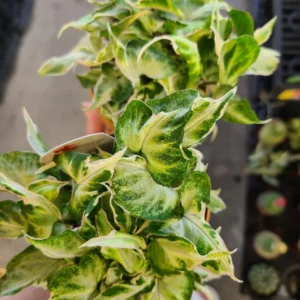
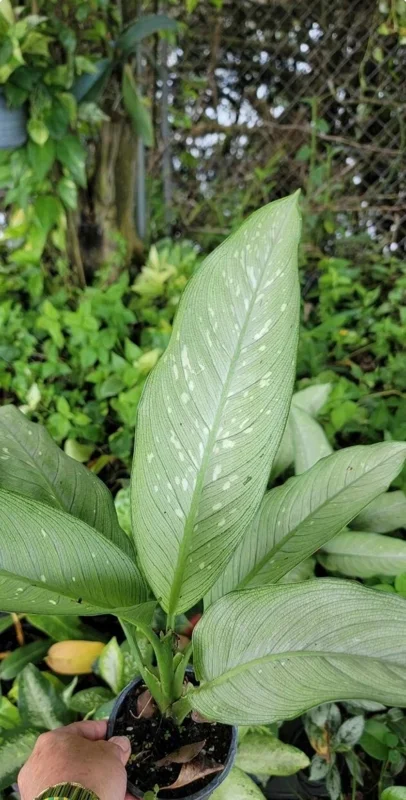
Bring a touch of the tropics into your home with the exquisite dieffenbachia tiki live plant. Also commonly known as ‘Dumb Cane’, this stunning houseplant is celebrated for its dramatic foliage, showcasing vibrant green leaves beautifully variegated with white spots and intricate veins. Each dieffenbachia tiki live plant is carefully cultivated and shipped in a 4-inch nursery pot, ready to thrive in its new environment. Perfect for both novice and experienced plant enthusiasts, the Dieffenbachia ‘Tiki’ offers a lush, exotic appeal that instantly elevates any indoor setting. Its distinctive patterns make it a focal point, adding texture and color to your plant collection. This particular variety, ‘Tiki’, is prized for its unique coloration and robust growth, ensuring a captivating display year-round. Beyond its aesthetic charm, the dieffenbachia tiki live plant is a resilient choice, adapting well to various indoor conditions, making it an ideal candidate for brightening up living rooms, offices, or sunrooms.
Key Benefits
The dieffenbachia tiki live plant offers a multitude of benefits, making it a popular choice for indoor gardening. Its striking appearance is just the beginning; this plant also contributes positively to your living space in several practical ways. Enjoy the beauty and advantages of this tropical gem.
- Stunning Visual Appeal: The Dieffenbachia ‘Tiki’ features large, oval leaves with a captivating blend of green and white patterns. These intricate markings create a dynamic visual interest that can brighten up any room and serve as a natural piece of art. Its lush, dense foliage provides a vibrant backdrop or a standalone decorative element.
- Air Purifying Qualities: Like many houseplants, the dieffenbachia tiki live plant is known for its ability to help purify indoor air. It effectively filters out common airborne toxins, contributing to a healthier and fresher living environment. This makes it an excellent choice for improving air quality in homes and offices.
- Easy to Care For: Despite its exotic appearance, the ‘Tiki’ Dieffenbachia is surprisingly low-maintenance. It tolerates a range of conditions and is forgiving of occasional neglect, making it an ideal plant for busy individuals or those new to plant care. Following basic dieffenbachia care guidelines will ensure its longevity and beauty.
- Versatile Placement: This tropical indoor plant thrives in various indoor settings. Its adaptable nature allows it to be placed in living rooms, bedrooms, offices, or even bathrooms, as long as its light and humidity needs are met. It adds a touch of greenery and sophistication wherever it’s placed.
- Boosts Mood and Well-being: Studies suggest that having plants indoors can reduce stress, improve focus, and boost overall mood. The presence of a vibrant dieffenbachia tiki live plant can create a calming and refreshing atmosphere, enhancing your sense of well-being.
- Year-Round Greenery: As an evergreen houseplant, the Dieffenbachia ‘Tiki’ maintains its beautiful foliage throughout the year, providing continuous color and life to your indoor spaces regardless of the season.
- Compact Growth Habit: This plant typically maintains a manageable size, making it suitable for tabletops, shelves, or floor placement without overwhelming the space. Its contained growth makes it perfect for smaller apartments or offices.
Plant Care & Growing Tips
Proper dieffenbachia care is essential to ensure your ‘Tiki’ thrives and maintains its stunning variegation. This dumb cane houseplant is relatively forgiving, but understanding its specific needs will lead to a healthier and more vibrant plant. Providing the right environment will allow this tropical indoor plant to flourish and become a long-lasting feature in your home.
Sunlight Requirements: The Dieffenbachia ‘Tiki’ prefers bright, indirect light. Direct sunlight can scorch its delicate leaves, causing discoloration or browning. Place it near a window with filtered light, such as an east or north-facing window, or a few feet away from a south or west-facing window. If the light is too low, the plant’s vibrant variegation may fade, and growth can become leggy. Rotating the plant every few weeks will ensure even growth and exposure to light.
Watering Schedule and Soil Moisture Preferences: Water your Dieffenbachia when the top 1-2 inches of soil feel dry to the touch. It’s crucial not to overwater, as this can lead to root rot. Ensure the pot has drainage holes to prevent water from sitting at the bottom. During winter months or periods of slower growth, reduce watering frequency. Conversely, in warmer months, you may need to water more often. Always check the soil moisture before watering.
Soil Type and Drainage Requirements: A well-draining potting mix is vital for this plant. A standard indoor potting mix amended with perlite or orchid bark will provide the necessary aeration and drainage. The soil should retain some moisture but never become waterlogged. Good drainage prevents numerous common plant issues, including fungal diseases and root damage.
Temperature Range and USDA Hardiness Zone: As a tropical indoor plant, the Dieffenbachia ‘Tiki’ thrives in warm temperatures, ideally between 65-75°F (18-24°C). Avoid exposing it to temperatures below 60°F (15°C) or sudden temperature fluctuations, which can stress the plant. It is not cold-hardy and should be kept indoors in most climates. For outdoor placement in tropical regions, it falls within USDA zones 10-12, but it is primarily grown as an indoor plant in the US.
Humidity: Dieffenbachias appreciate high humidity, mimicking their natural jungle habitat. You can increase humidity by misting the leaves regularly, placing the pot on a pebble tray with water, or using a humidifier, especially in dry environments or during winter when heating systems can dry out the air.
Fertilization Schedule and Type: Feed your Dieffenbachia ‘Tiki’ with a balanced liquid fertilizer every 2-4 weeks during its active growing season (spring and summer). Reduce fertilization to once a month or stop entirely during fall and winter when the plant’s growth slows. Always follow the manufacturer’s instructions for dilution to avoid over-fertilizing, which can burn the roots.
Common Problems and Solutions: Yellowing leaves can indicate overwatering or nutrient deficiency. Brown leaf tips often point to low humidity or underwatering. Pests like spider mites and mealybugs can be managed by regularly inspecting your plant and treating with insecticidal soap if necessary. Ensure good air circulation to prevent fungal issues. Regular wiping of the leaves with a damp cloth also helps keep them clean and healthy.
Size & Details
The dieffenbachia tiki live plant is delivered as a healthy, established specimen in a 4-inch nursery pot. At the time of shipment, the plant typically stands approximately 6-10 inches tall from the base of the pot to the top of its foliage, though exact dimensions may vary slightly depending on individual growth. This particular variety of dumb cane houseplant is known for its moderate growth rate, eventually reaching a mature height of 2-3 feet indoors with proper care, and a similar spread. Its vibrant leaves can grow quite large, contributing to its lush, tropical appearance. The plant is expected to maintain its striking green and white variegation as it matures, making it a continuously attractive addition to your space. While it does not produce flowers of significant ornamental value, its foliage is the star attraction. Expect your plant to arrive securely packaged and ready to be placed in its new home or repotted into a slightly larger decorative container.
Frequently Asked Questions
- Q: How big does this dieffenbachia tiki live plant get? A: This plant typically grows to an indoor height of 2-3 feet with a similar spread when mature, making it a substantial and eye-catching houseplant. Its growth rate is moderate, allowing it to slowly fill out your space.
- Q: What size pot does it come in? A: The dieffenbachia tiki live plant is shipped in a standard 4-inch nursery pot, providing a good starting size for its initial growth in your home. You can choose to repot it into a decorative pot upon arrival or allow it to settle in its current container.
- Q: Is this an indoor or outdoor plant? A: While it is a tropical indoor plant, it can be placed outdoors in shaded areas during warm summer months in suitable climates (USDA zones 10-12). However, it is primarily cultivated as an indoor houseplant in most regions due to its sensitivity to cold temperatures.
- Q: How much sunlight does it need? A: The Dieffenbachia ‘Tiki’ thrives in bright, indirect light. Direct sunlight can harm its leaves, causing burns or fading of its vibrant colors. An east or north-facing window is ideal, or a spot a few feet away from a brighter window.
- Q: Is this plant easy to care for? Is it good for beginners? A: Yes, this dumb cane houseplant is considered relatively easy to care for, making it suitable for beginners. It requires consistent watering (allowing the topsoil to dry) and bright, indirect light, along with occasional feeding during growing seasons.
- Q: What condition will it arrive in? A: Your dieffenbachia tiki live plant will arrive in a healthy, well-rooted condition, securely packaged to minimize stress during transit. It will be nestled in its 4-inch nursery pot, ready to be introduced to your home.
- Q: Is it pet-safe? A: No, Dieffenbachia plants are toxic if ingested due to calcium oxalate crystals, which can cause irritation. It’s best to keep this plant out of reach of pets and small children. This is an important aspect of general dieffenbachia care to consider.
- Q: How often should I water my Dieffenbachia? A: Water when the top 1-2 inches of soil are dry. This typically means once every 1-2 weeks, but it can vary based on humidity, temperature, and light conditions in your home. Always check the soil moisture before watering to prevent overwatering.
- Q: Why are the leaves on my Dieffenbachia turning yellow? A: Yellowing leaves often indicate overwatering or insufficient light. Ensure the soil drains well and allow the top layer to dry out between waterings. Also, check if the plant is receiving enough bright, indirect light.
- Q: Does this plant help purify the air? A: Yes, the Dieffenbachia ‘Tiki’ is known to be an effective air purifying plant, capable of filtering out certain common indoor air toxins, contributing to a healthier home environment.


Reviews
There are no reviews yet.