Overview
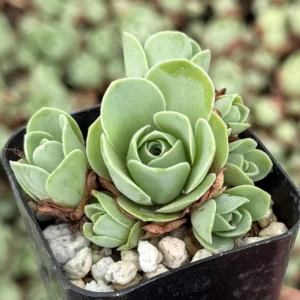
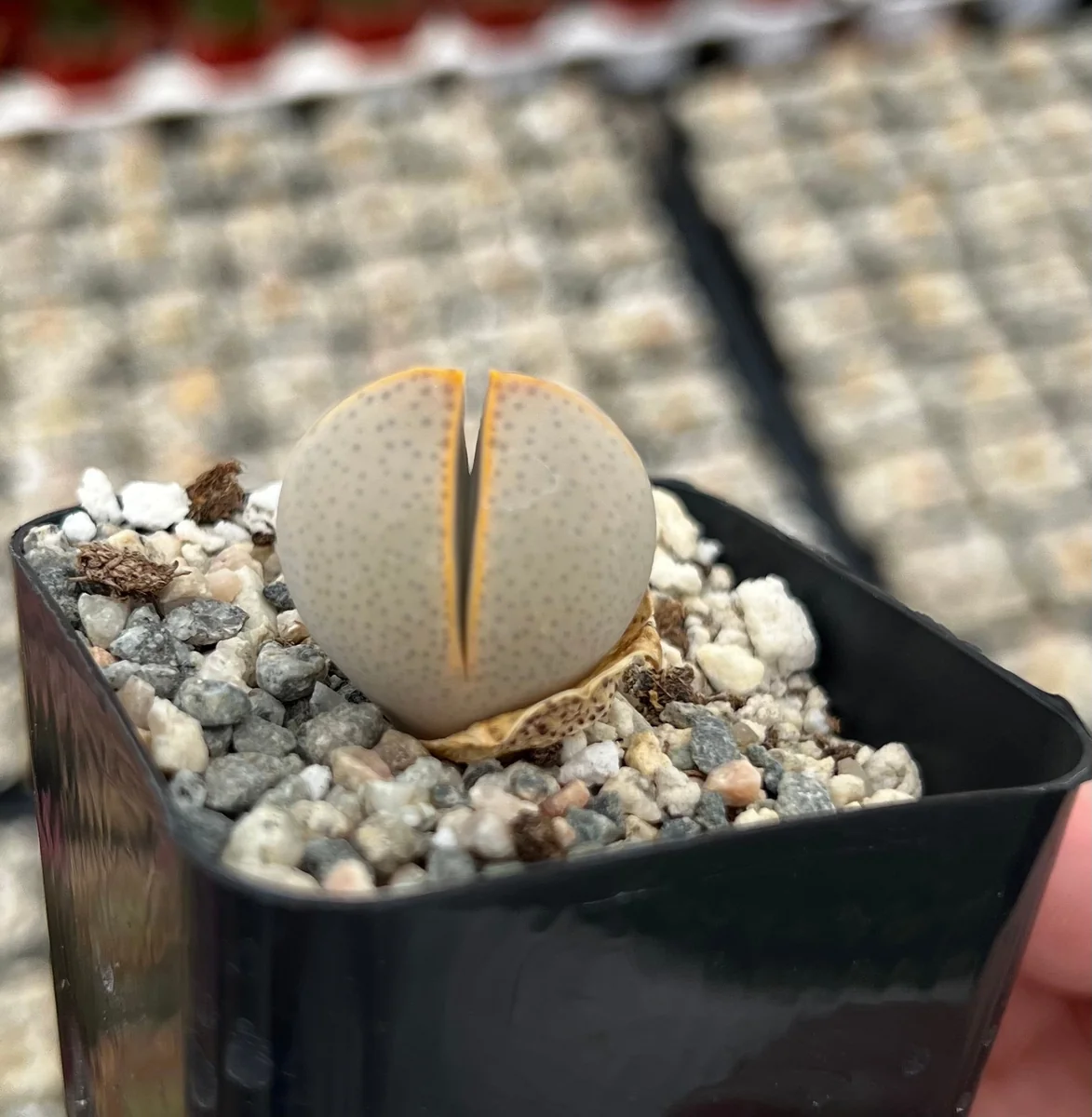
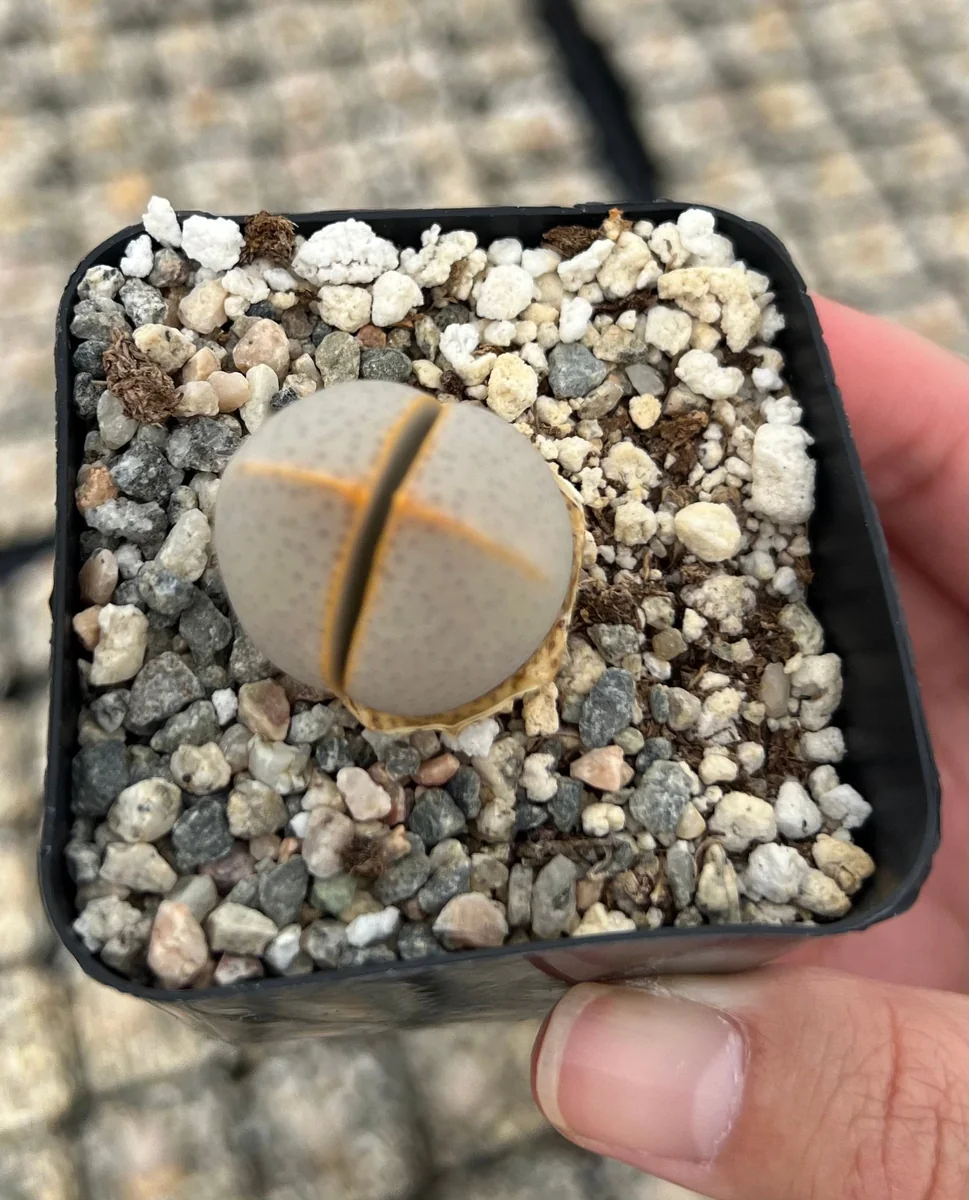
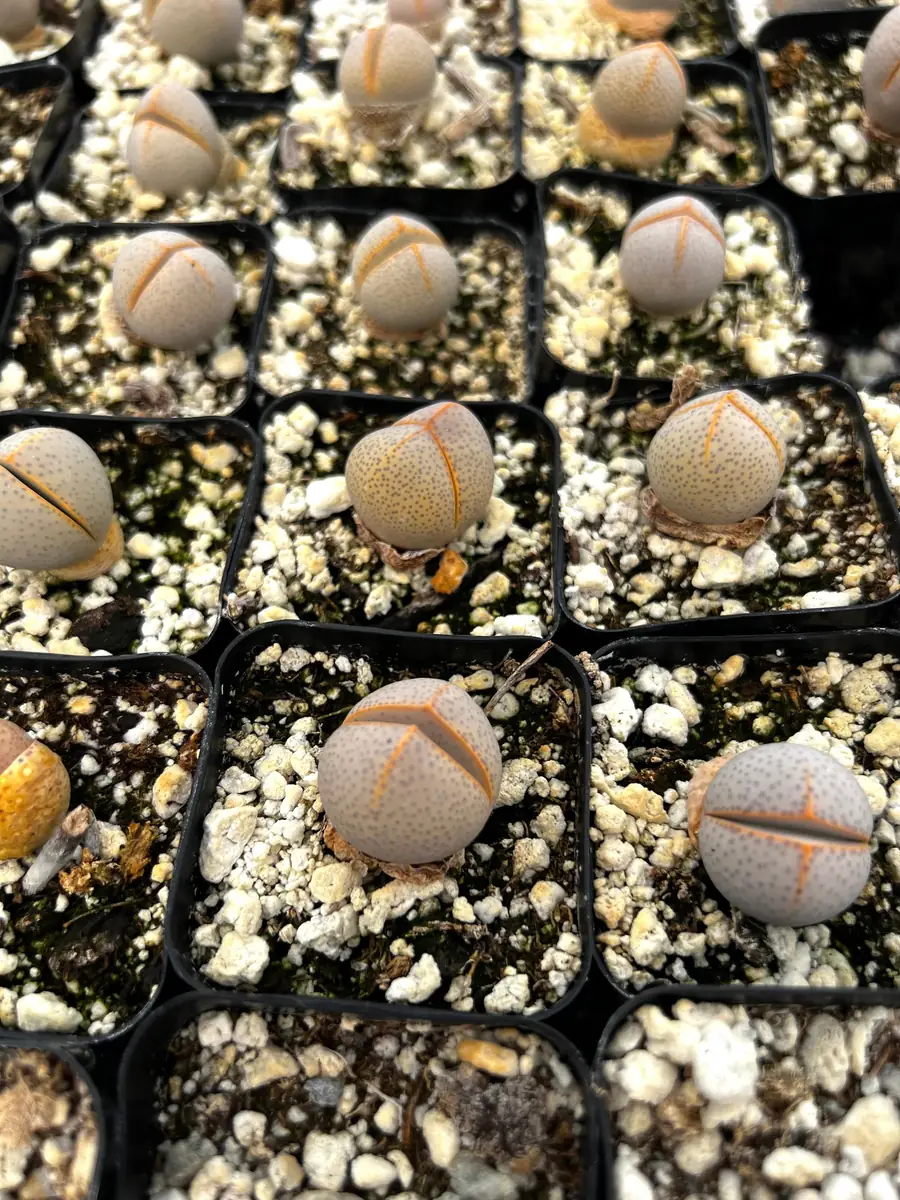
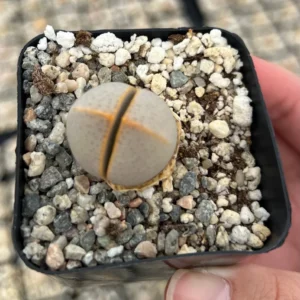
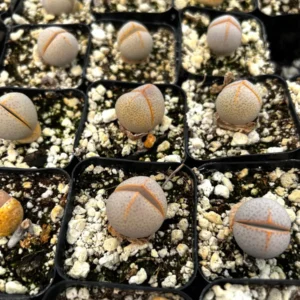
Introduce an extraordinary botanical specimen to your collection with the Dinteranthus Wilmotianus Lithop. This captivating succulent, often referred to as a “living stone” or “pebble plant,” is renowned for its remarkable camouflage, blending seamlessly with its rocky surroundings. Native to southern Africa, Dinteranthus wilmotianus belongs to the Aizoaceae family and is highly prized by succulent enthusiasts for its unique appearance and resilience. This slow-growing rare succulent plant forms compact clumps of two to four individual bodies, each measuring approximately 2-3 cm in diameter, making it an ideal choice for small spaces or intricate arrangements. Its distinctive grey-green or brownish fused leaves feature intricate patterns that further enhance its stone-like disguise. When cared for properly, this succulent can also produce delicate, daisy-like flowers ranging from white to pinkish-purple, adding an unexpected touch of beauty to its already intriguing form. As a live plant, it arrives ready to bring its unique charm to your home or garden.
Key Benefits
The Dinteranthus Wilmotianus Lithop offers a multitude of benefits, making it a standout choice for both seasoned collectors and novice plant parents. Its unusual form and minimal care requirements contribute to its widespread appeal:
- Unique Aesthetic Appeal: This living stone succulent is a true conversation starter, with its uncanny resemblance to pebbles and rocks. Its camouflaging appearance adds an element of surprise and natural artistry to any plant display, creating a miniature desert landscape in your home.
- Low Maintenance: Designed by nature for arid environments, the Dinteranthus Wilmotianus Lithop is exceptionally drought-tolerant. It requires infrequent watering and thrives on neglect, making it perfect for busy individuals or those new to plant care. This makes Dinteranthus care remarkably straightforward.
- Compact Size: With individual bodies typically 2-3 cm in diameter, this pebble plant is ideal for small spaces. It fits perfectly on windowsills, desks, or in terrariums, allowing you to enjoy its beauty without requiring much room.
- Collector’s Item: Due to its distinctive characteristics and relatively slower growth, the Dinteranthus wilmotianus is considered a rare succulent plant, highly sought after by succulent collectors looking to expand their unique botanical assortments.
- Drought Tolerance: Adapted to harsh desert conditions, this succulent stores water efficiently in its leaves, allowing it to withstand long periods without watering. This resilience makes it a very forgiving plant.
- Interesting Blooms: Despite its stone-like appearance, the plant produces charming daisy-like flowers in shades of white to pinkish-purple, offering a delightful contrast and an unexpected splash of color when in bloom.
- Educational Value: Observing the growth and unique adaptations of a living stone succulent can be an enriching experience, providing insight into the fascinating world of desert flora and plant evolution.
Plant Care & Growing Tips
Proper Dinteranthus care is crucial for the health and longevity of your Dinteranthus Wilmotianus Lithop. These “living stones” thrive when their specific needs are met, primarily focusing on light, water, and soil. They require abundant sunlight; ideally, provide at least 4-6 hours of direct sunlight daily. A south-facing window is often perfect for indoor cultivation. If natural light is insufficient, consider using a grow light to supplement. Insufficient light can lead to etiolation, where the plant stretches and loses its compact, pebble-like form. When it comes to watering, less is definitely more. These succulents are extremely sensitive to overwatering, which can quickly lead to rot. Water thoroughly only when the soil is completely dry to the touch, usually every 2-4 weeks during their active growing season (late summer to winter). During dormancy (spring and early summer), watering should be significantly reduced or stopped entirely. The key is to mimic their natural arid habitat.
The right soil is paramount for this living stone succulent. Use a very well-draining cactus or succulent mix, or create your own by mixing potting soil with a high percentage of inorganic materials like perlite, pumice, or coarse sand. This ensures excellent drainage and prevents waterlogged roots. A shallow pot with drainage holes is also essential. Dinteranthus wilmotianus prefers warm temperatures, ideally between 65-80°F (18-27°C) during the day, with cooler nights. They are not frost-tolerant and should be protected from temperatures below 40°F (4°C). The USDA hardiness zone for outdoor cultivation is typically 9-11, but they are most commonly grown indoors in controlled environments. Fertilization is rarely needed for this rare succulent plant; if you choose to fertilize, use a highly diluted succulent fertilizer once during their active growth period. Watch for signs of overwatering (soft, mushy leaves) or underwatering (shrivelled leaves) and adjust your routine accordingly to ensure your pebble plant thrives.
Size & Details
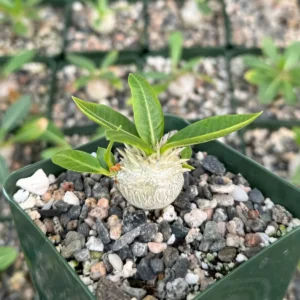
This Dinteranthus Wilmotianus Lithop is shipped as a live plant, carefully selected to ensure health and vigor. Each plant will arrive in a 2-inch nursery pot, providing a secure environment for its journey to your home. The individual plant bodies typically measure between 2-3 cm in diameter, forming compact clusters of two to four “stones.” As a slow-growing succulent, it maintains a small, desk-friendly size, making it an excellent choice for windowsills, terrariums, or miniature succulent gardens. The mature size of a clump can vary, but generally remains quite compact, rarely exceeding a few inches in width. Expect the plant to retain its distinctive grey-green or brownish coloration with unique texture patterns, mimicking its natural rocky habitat. While growth is slow, with proper Dinteranthus care, your plant will gradually expand its cluster of living stones over several years. This living stone succulent is a long-lived addition to any indoor plant collection.
Frequently Asked Questions
- Q: How big does this plant get? A: The Dinteranthus Wilmotianus Lithop is a slow-growing succulent. Each individual “body” typically measures 2-3 cm in diameter, and the plant forms compact clumps that generally do not exceed a few inches in overall width, making it perfect for small spaces.
- Q: What size pot does it come in? A: This rare succulent plant is shipped in a standard 2-inch nursery pot, providing a suitable initial home for its roots and making it easy to transplant if desired.
- Q: Is this an indoor or outdoor plant? A: While it can be grown outdoors in very specific, arid climates (USDA zones 9-11), the Dinteranthus Wilmotianus Lithop is most commonly grown as an indoor plant due to its sensitivity to frost and preference for controlled environments.
- Q: How much sunlight does it need? A: This living stone succulent requires plenty of bright light. It thrives with at least 4-6 hours of direct sunlight per day, ideally from a south-facing window, or under a grow light.
- Q: Is this plant easy to care for? A: Yes, Dinteranthus care is relatively easy, especially for those who tend to underwater. Its main requirement is bright light and very infrequent watering, making it a low-maintenance choice once its specific needs are understood.
- Q: What condition will it arrive in? A: Your Dinteranthus Wilmotianus Lithop will arrive as a healthy, live plant, carefully packaged in its 2-inch nursery pot to ensure it reaches you in excellent condition, ready to be admired.
- Q: How often should I water my pebble plant? A: Water sparingly. Only water when the soil is completely dry to the touch, usually every 2-4 weeks during its active growing season. Reduce or cease watering during dormancy (spring/early summer) to prevent rot.
- Q: What kind of soil is best for this succulent? A: Use a very well-draining soil mix, such as a specialized cactus or succulent blend. Adding extra perlite, pumice, or coarse sand will further improve drainage, which is crucial for the health of this pebble plant.
- Q: Does this rare succulent plant produce flowers? A: Yes, with proper care, Dinteranthus wilmotianus can produce small, daisy-like flowers. These blooms typically range in color from white to pinkish-purple, adding a delicate touch to its stone-like appearance.
- Q: Is this plant suitable for beginners? A: Yes, it can be suitable for beginners, especially those who are mindful of not overwatering. Its unique appearance and low maintenance make it a rewarding plant for new succulent enthusiasts.


Reviews
There are no reviews yet.