Overview
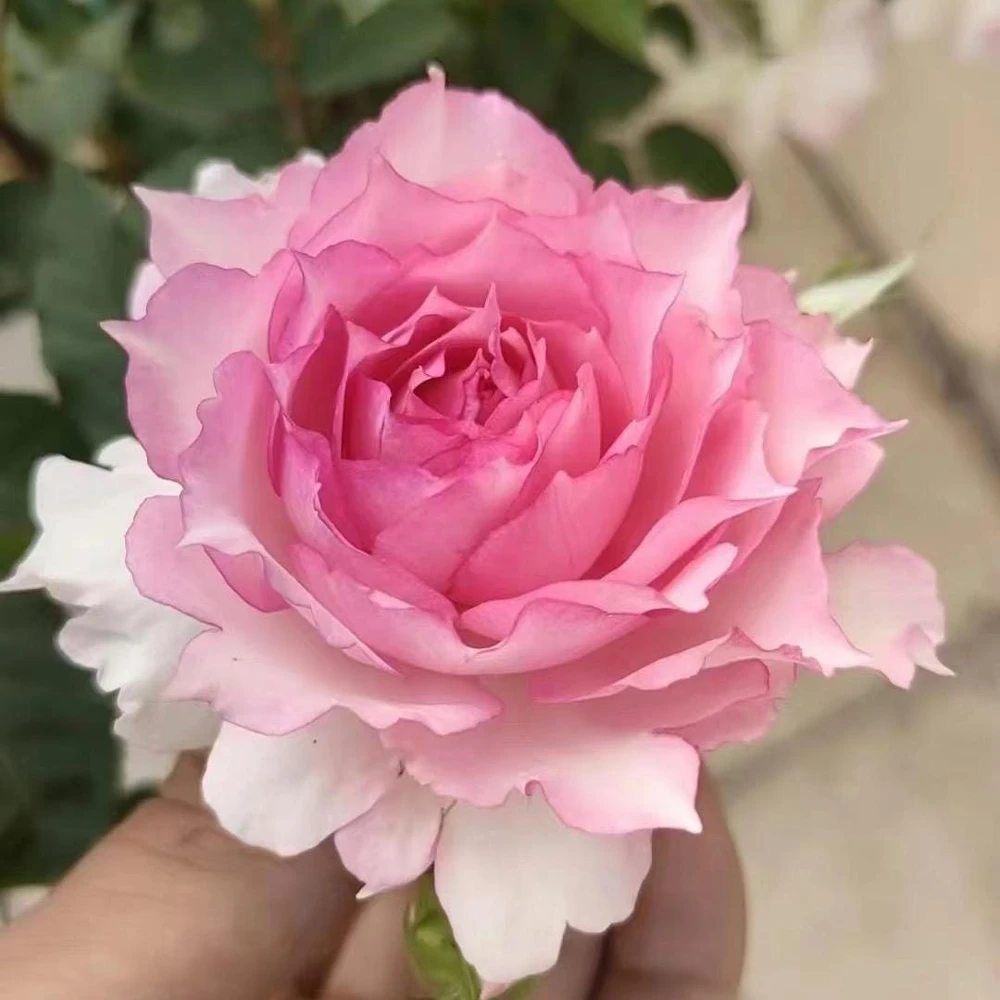
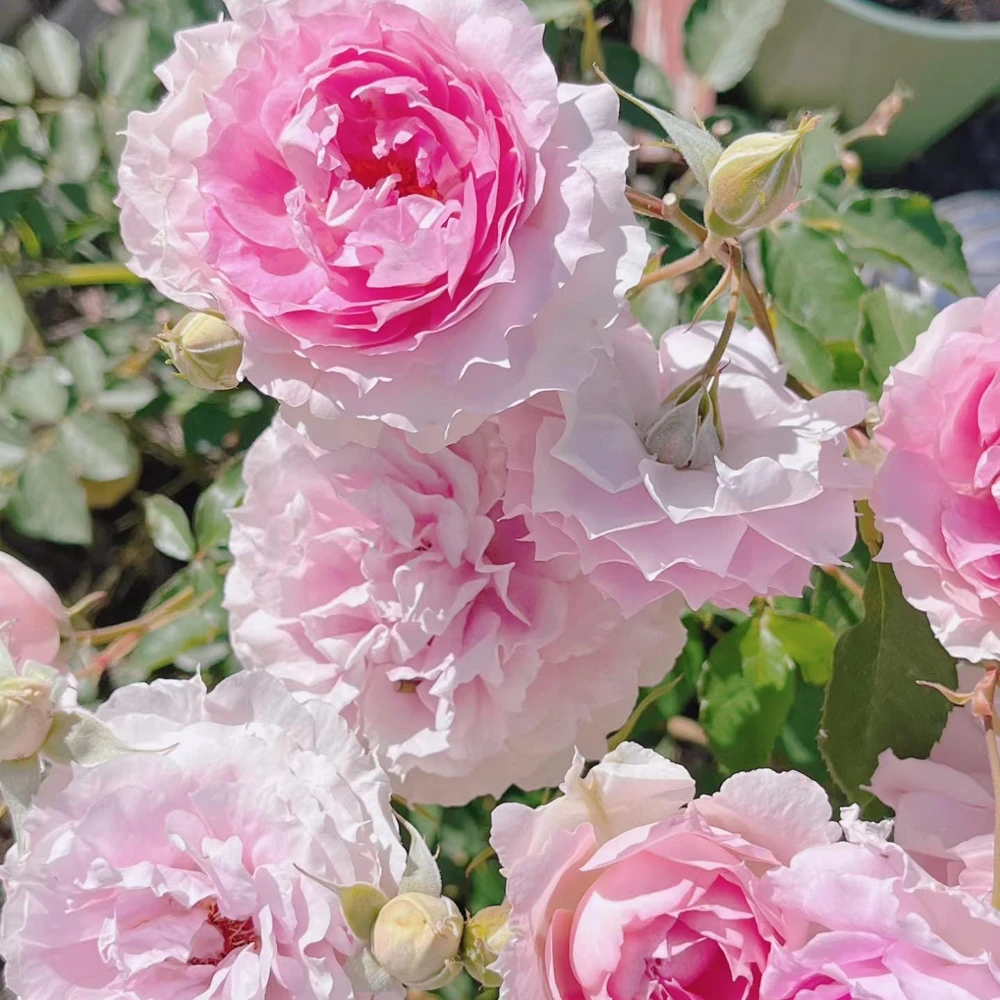
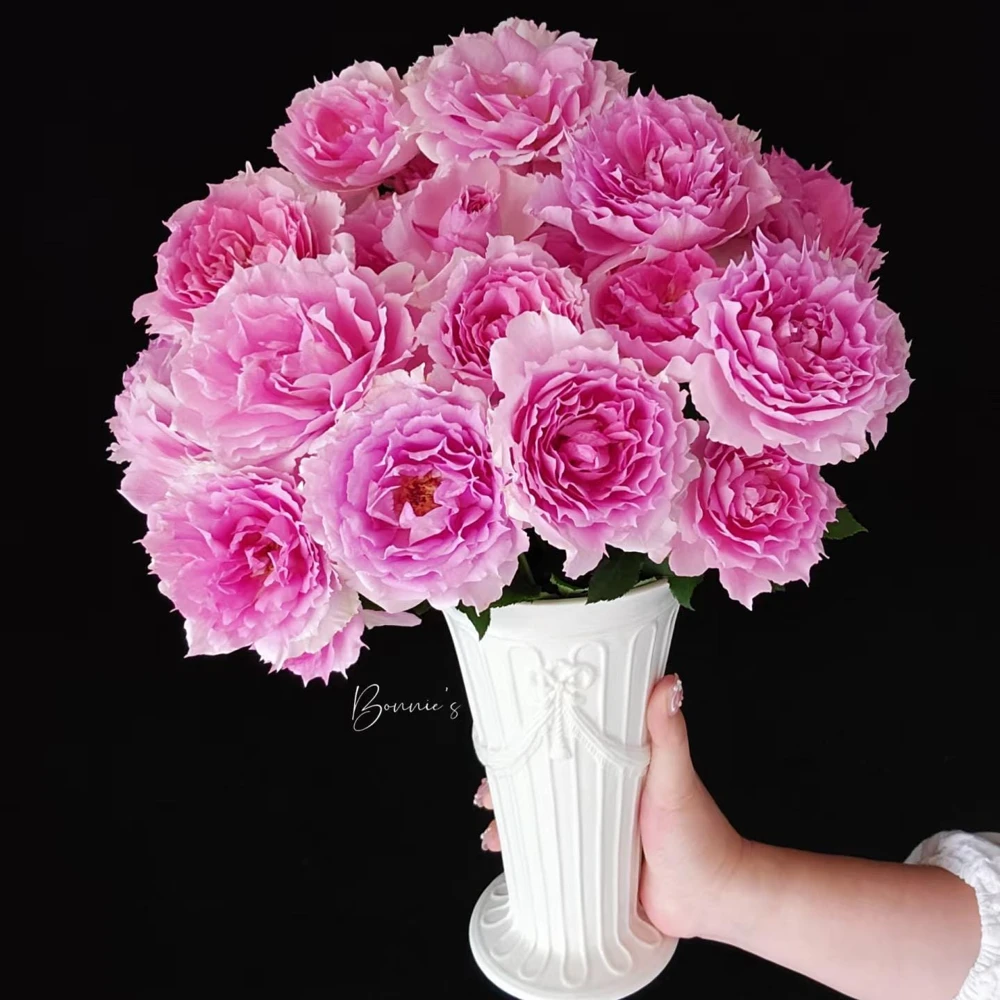
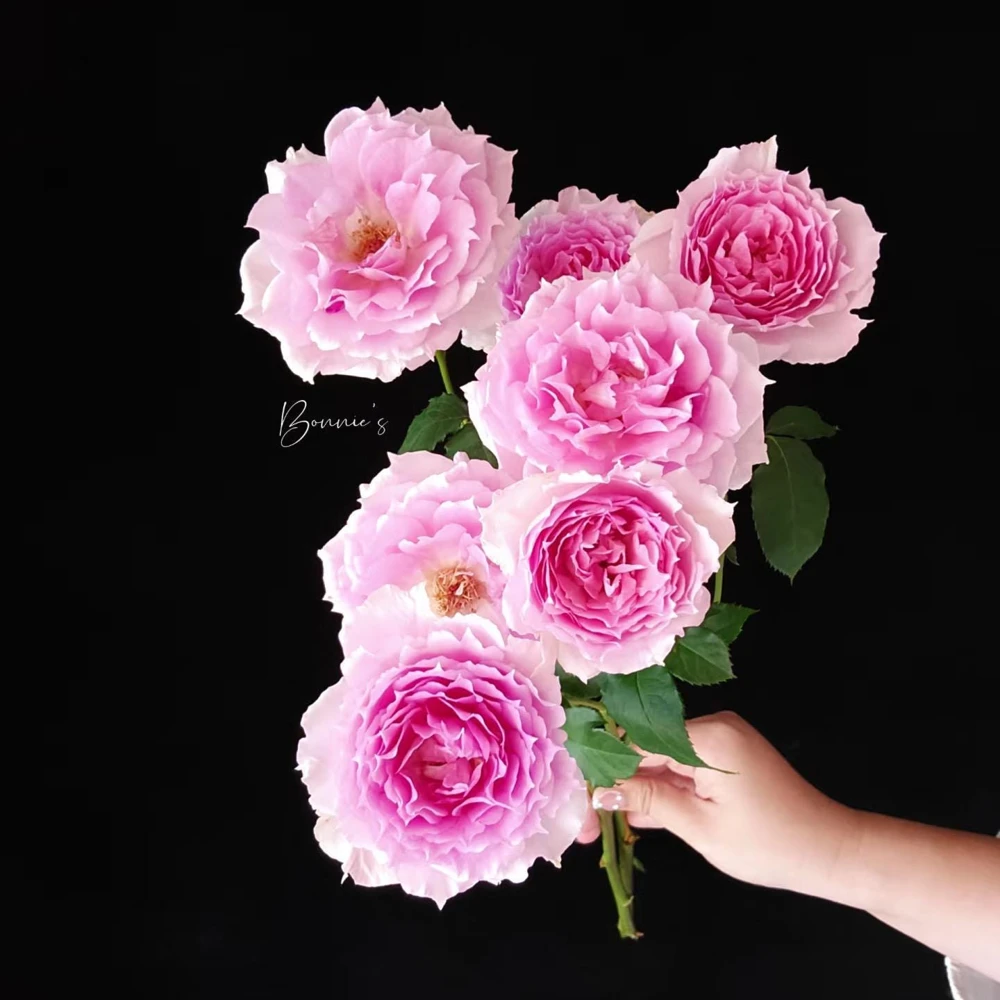
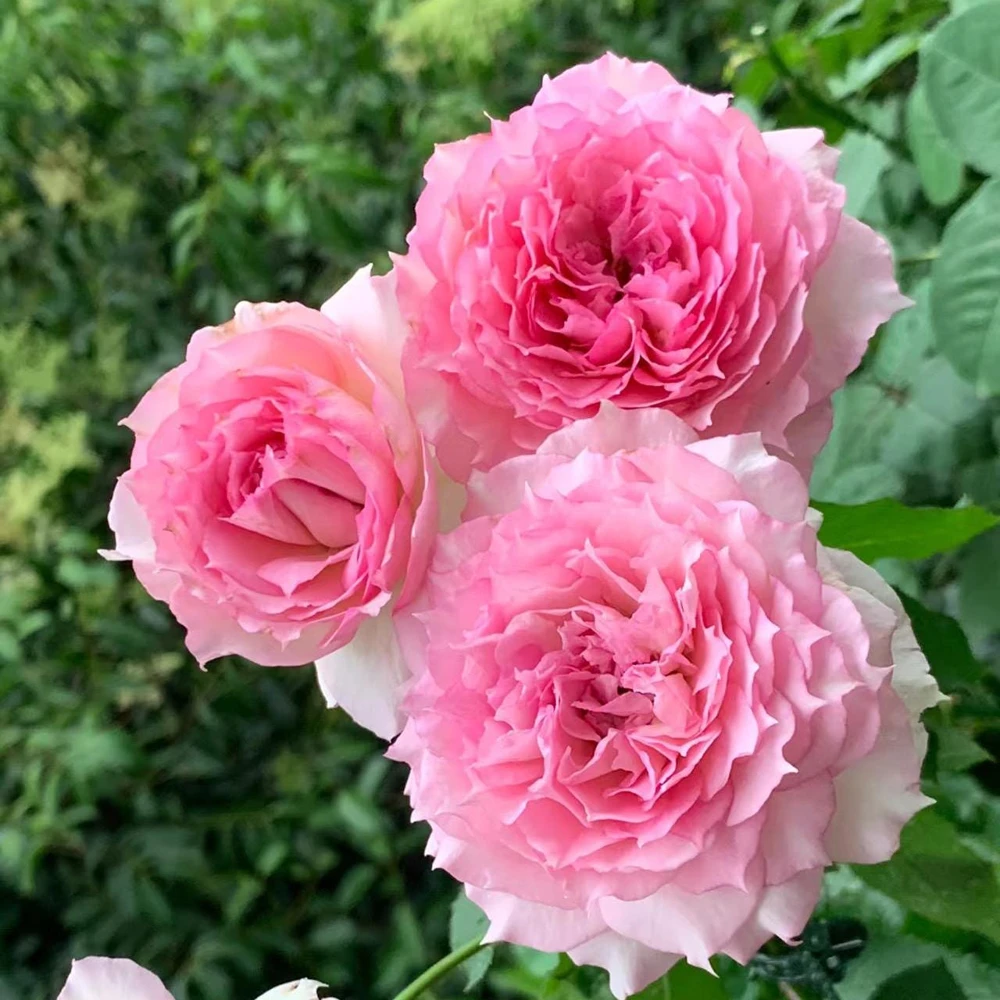
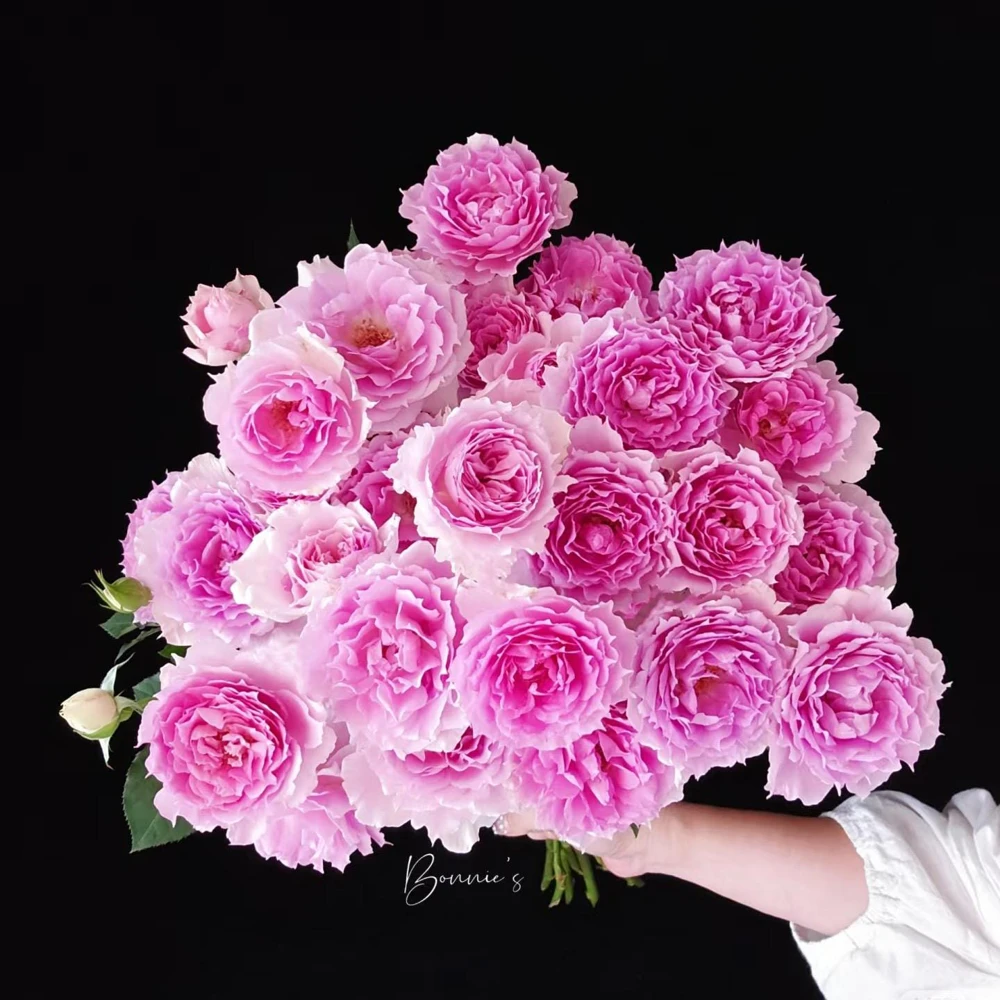
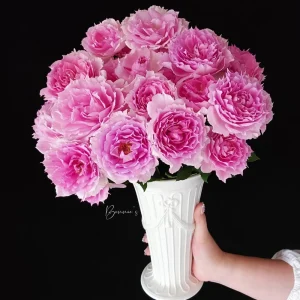
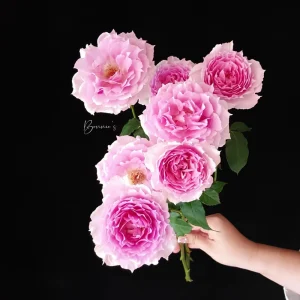
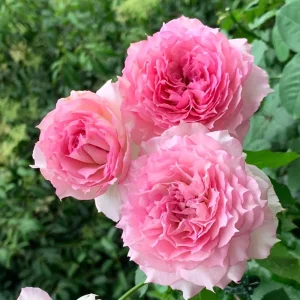
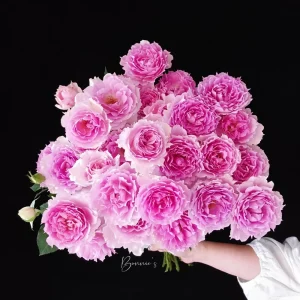
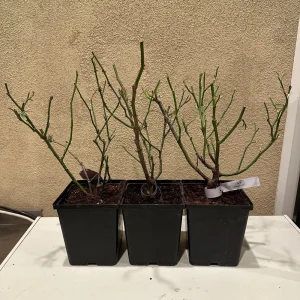
Introduce an enchanting touch to your garden with the exquisite Doniazade rose plant. This captivating shrub rose, known for its beautiful peachy-pink blooms, is a true garden gem. Developed by Takunori Kimura in Japan, the Doniazade rose is a sport of the popular Arabian Nights variety, inheriting its charm and resilience. As a fragrant rose bush, it fills the air with a strong, delightful scent, creating an inviting atmosphere in any outdoor space. This live plant arrives ready to thrive, offering both aesthetic appeal and a sensory experience. Its distinctive petal tips and vibrant color make it a focal point in flower beds, borders, or as a standalone specimen. The Doniazade rose is celebrated for its vigorous growth and consistent performance, ensuring a rewarding experience for gardeners of all levels in their Doniazade rose care.
The Doniazade rose plant is a fantastic addition for those seeking both beauty and manageability. Its upright, bushy growth habit makes it suitable for various garden designs, while its repeat blooming nature ensures a continuous display of flowers throughout the growing season. This particular variety is also noted for its nearly thornless stems, which significantly enhances its appeal for gardeners who prefer a more pleasant pruning and maintenance experience. Whether you’re an experienced rosarian or a budding enthusiast, the Doniazade rose promises to be a cherished component of your landscape, delivering elegance and a captivating aroma.
Cultivating a Doniazade rose plant brings vibrant color and a pleasant aroma to any garden. Its robust nature and aesthetic appeal make it a favored choice among gardeners. The charm of its peachy-pink rose blooms adds a soft, yet striking visual element to outdoor spaces, ensuring continuous enjoyment.
Key Benefits
The Doniazade rose plant offers a multitude of advantages that make it an exceptional choice for your garden. Its remarkable features contribute to both its visual appeal and its ease of cultivation, ensuring a satisfying gardening journey with this beautiful fragrant rose bush.
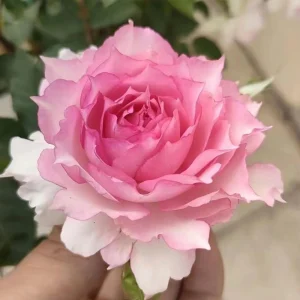
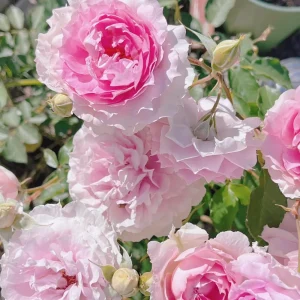
- Stunning Peachy-Pink Blooms: The Doniazade rose plant produces gorgeous peachy-pink rose flowers, each measuring approximately 8 cm in diameter, adding a soft yet vibrant burst of color to your garden. These unique blooms with distinct petal tips are truly eye-catching and provide continuous beauty.
- Strong Fragrance: Enjoy the rich, intoxicating aroma of this fragrant rose bush. Its robust scent makes it perfect for planting near patios, walkways, or windows where its perfume can be fully appreciated, creating an inviting atmosphere.
- Repeat Blooming: Experience continuous beauty throughout the season as this rose blooms multiple times. This ensures a prolonged display of its lovely flowers, keeping your garden vibrant for longer and maximizing your enjoyment of the Doniazade rose plant.
- Nearly Thornless Stems: A highly desirable trait, the Doniazade rose boasts nearly thornless stems, making it much easier and safer to handle during pruning, deadheading, and general garden care. This enhances the overall enjoyment of having an easy care shrub rose.
- Bushy, Upright Growth: Growing as a shrub rose, it forms a bushy and upright plant, reaching up to 120 cm in height and 100 cm in width. This compact yet substantial form is ideal for various garden applications, from hedges to specimen planting.
- Excellent for Gardens: This rose is an excellent choice for gardens due to its combination of beauty, fragrance, and manageable growth. It adapts well to different garden styles and enriches the landscape with its elegant presence.
- Low Maintenance Appeal: Despite its sophisticated appearance, the Doniazade rose is considered an easy care shrub rose, suitable for gardeners looking for beautiful plants without excessive demands, making Doniazade rose care straightforward.
Plant Care & Growing Tips
Proper Doniazade rose care is essential to ensure a vibrant and healthy plant, rewarding you with abundant blooms. This fragrant rose bush thrives with consistent attention, though it is quite forgiving due to its robust nature. For optimal growth, the Doniazade rose prefers full sun, meaning at least 6-8 hours of direct sunlight per day. Plant it in a location where it can receive ample morning sun, which helps to dry dew from the leaves and reduce the risk of fungal diseases. Good air circulation is also crucial.
When it comes to watering, the Doniazade rose plant requires consistent moisture, especially during dry periods and its active growing season. Water deeply at the base of the plant, ensuring the soil is thoroughly moistened. Avoid overhead watering, which can encourage leaf diseases. Allow the top inch or two of soil to dry out slightly between waterings. Well-draining soil is paramount; a rich, loamy soil with a slightly acidic to neutral pH (6.0-7.0) is ideal. Amend heavy clay soils with organic matter like compost to improve drainage and aeration. Fertilize your Doniazade rose every 4-6 weeks during the growing season with a balanced rose fertilizer, following the product instructions. Cease fertilization in late summer to allow the plant to harden off for winter.
Pruning is a vital aspect of Doniazade rose care to maintain its bushy, upright growth and encourage continuous blooming. In late winter or early spring, remove any dead, damaged, or weak canes. Shape the plant by cutting back about one-third of its height, focusing on opening up the center for better air circulation. Deadhead spent blooms regularly to promote new flower production. Due to its nearly thornless stems, pruning and handling this easy care shrub rose is a much more pleasant experience than with many other rose varieties. Watch out for common rose pests like aphids and spider mites, treating them with organic insecticidal soap if necessary.
Size & Details
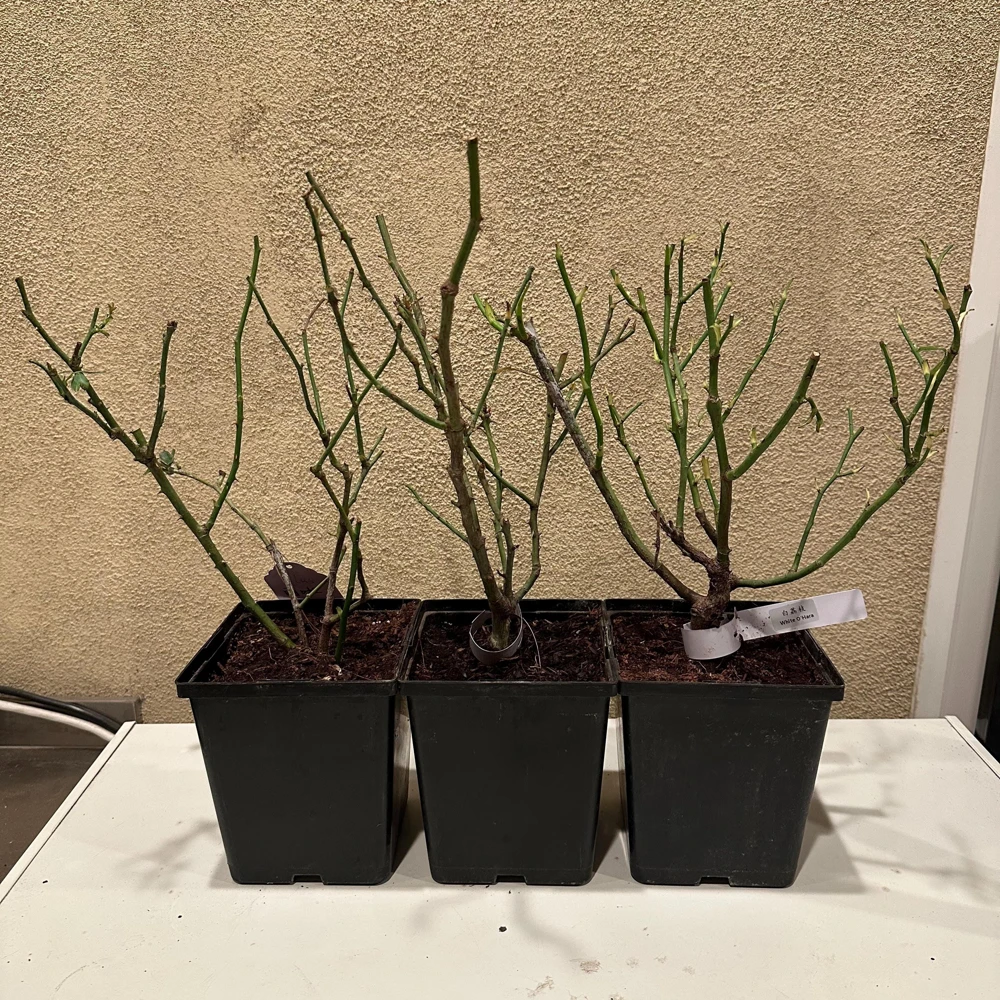
The Doniazade rose plant typically grows as a compact yet substantial shrub, reaching an average height of up to 120 cm (approximately 4 feet) and spreading up to 100 cm (approximately 3.3 feet) wide. This makes it an ideal choice for various garden applications, from creating elegant borders and hedges to serving as a striking specimen plant in a mixed perennial bed. Each beautiful peachy-pink rose bloom measures approximately 8 cm in diameter, presenting a soft yet vibrant burst of color. This live plant is generally shipped ready to thrive, often in a nursery pot, ensuring a smooth transition to your garden. With its vigorous growth habit, you can expect this rose to establish quickly and begin producing its fragrant, repeat blooms throughout the growing season, offering continuous beauty and aroma over many years with proper Doniazade rose care. Its nearly thornless nature also contributes to its ease of maintenance and enjoyment.
Frequently Asked Questions
- Q: How tall does the Doniazade rose plant grow? A: The Doniazade rose plant typically reaches an upright, bushy height of up to 120 cm (about 4 feet) and spreads about 100 cm (3.3 feet) wide. Its compact size makes it versatile for various garden designs.
- Q: Is this an indoor or outdoor plant? A: The Doniazade rose is primarily an outdoor shrub rose, well-suited for garden beds, borders, and as a specimen plant. It thrives in conditions suitable for outdoor roses.
- Q: How much sunlight does the Doniazade rose need? A: For optimal blooming and health, this fragrant rose bush requires full sun, meaning at least 6-8 hours of direct sunlight per day. Morning sun is particularly beneficial.
- Q: Is the Doniazade rose easy to care for? A: Yes, the Doniazade rose is considered an easy care shrub rose. Its vigorous growth, repeat blooming, and nearly thornless stems contribute to its low maintenance appeal, making Doniazade rose care manageable for most gardeners.
- Q: What condition will the Doniazade rose plant arrive in? A: The live Doniazade rose plant typically arrives well-packaged and ready to plant, often in a nursery pot, ensuring it is prepared to establish and thrive in its new environment.
- Q: When is the best time to plant a Doniazade rose? A: The best time to plant a Doniazade rose is in spring after the last frost, or in early fall. This allows the plant to establish its root system before extreme temperatures.
- Q: Does the Doniazade rose have a strong fragrance? A: Yes, one of the key features of this rose is its strong, delightful fragrance. It is truly a fragrant rose bush, perfect for planting near areas where its scent can be fully appreciated.
- Q: Are the stems of the Doniazade rose thorny? A: A highly desirable trait of the Doniazade rose is its nearly thornless stems, which makes pruning, deadheading, and general handling much easier and more enjoyable.
- Q: What color are the blooms of the Doniazade rose? A: The Doniazade rose produces stunning peachy-pink rose flowers, adding a soft yet vibrant burst of color to your garden.
- Q: What are the best uses for the Doniazade rose in a garden? A: This versatile rose is excellent for mixed borders, hedges, as a standalone specimen, or in large containers where its beauty and fragrance can be enjoyed.


Reviews
There are no reviews yet.