Overview
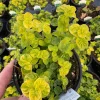
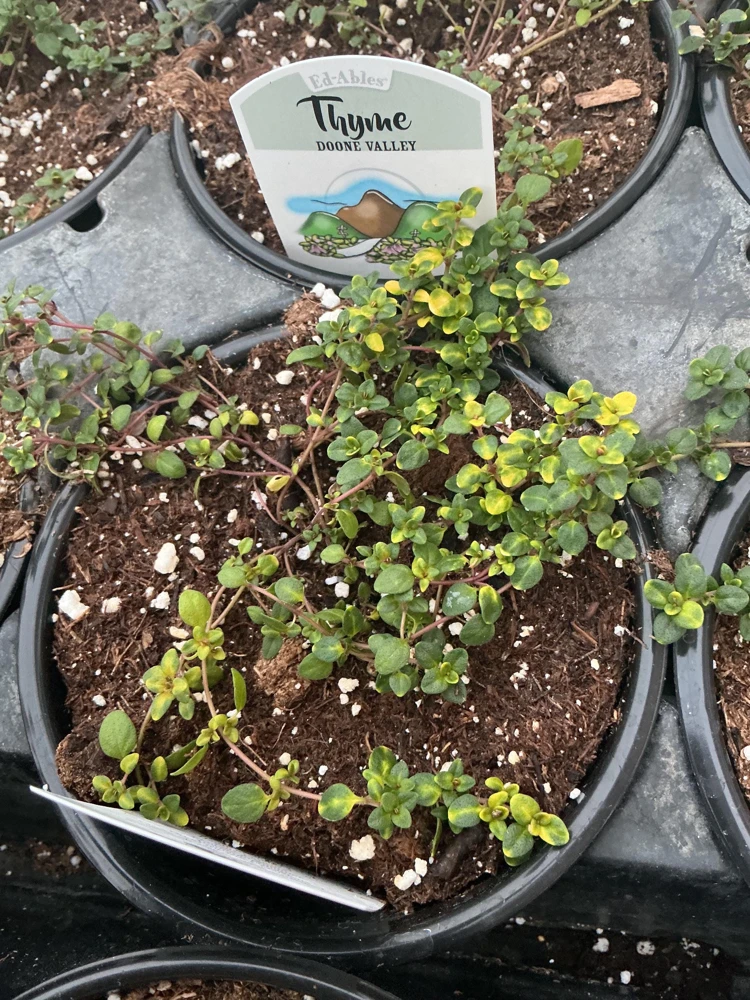
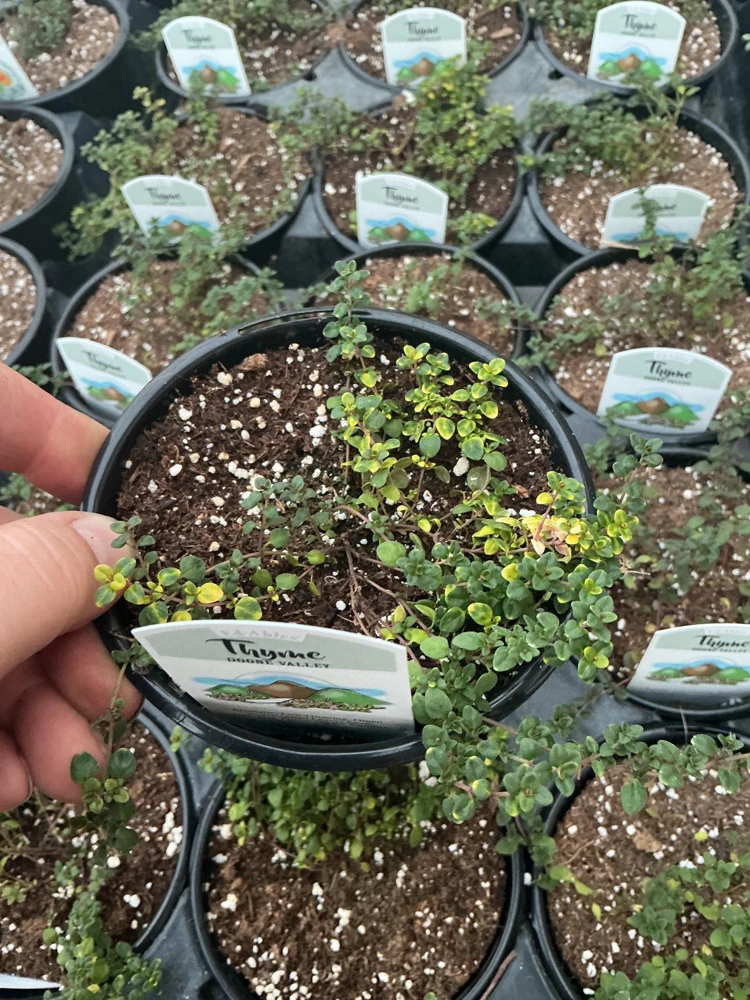
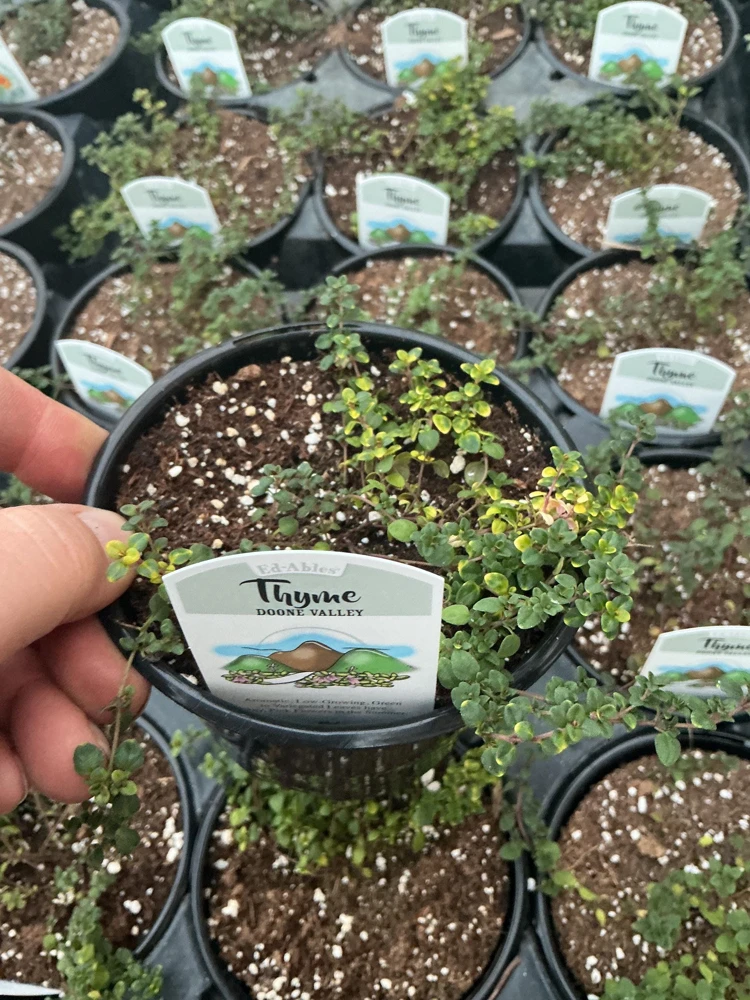
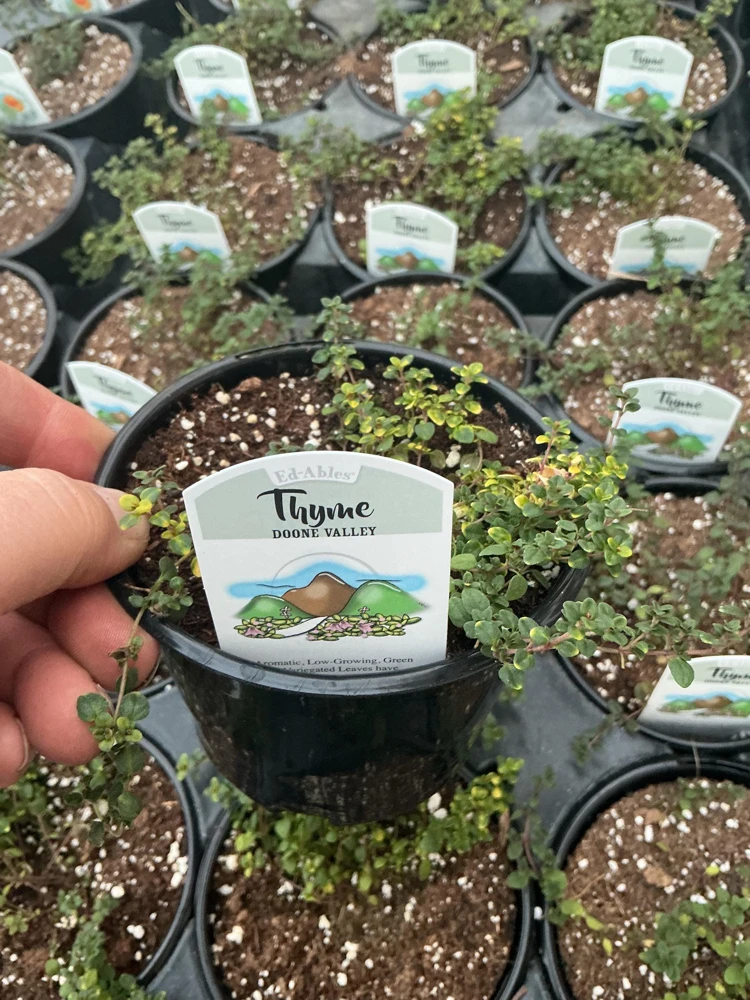
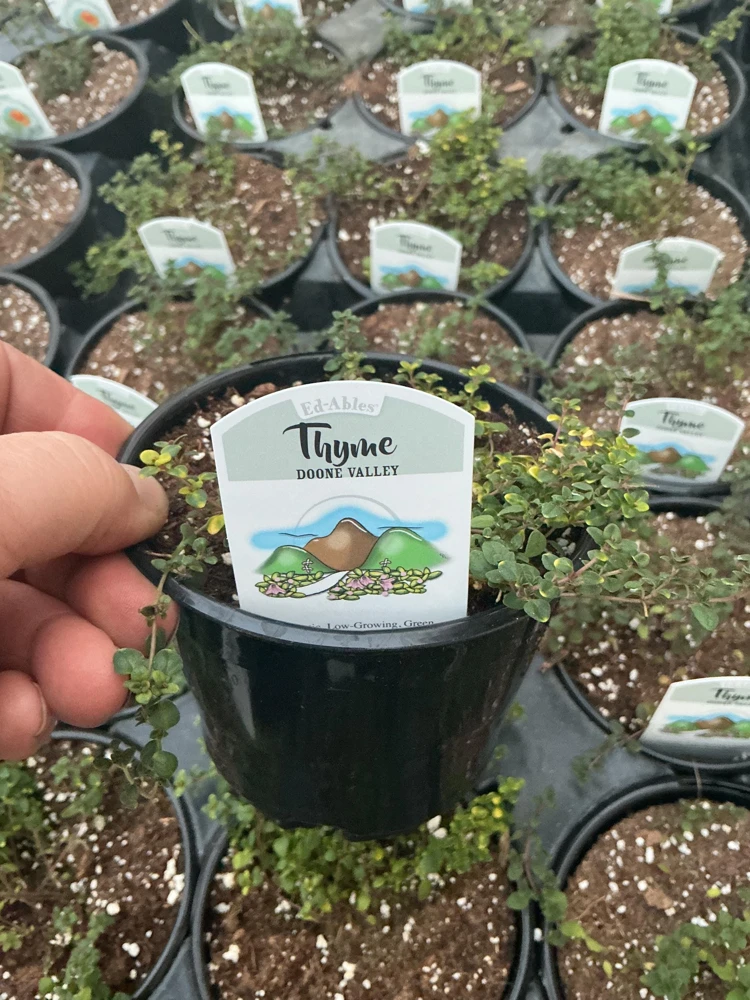
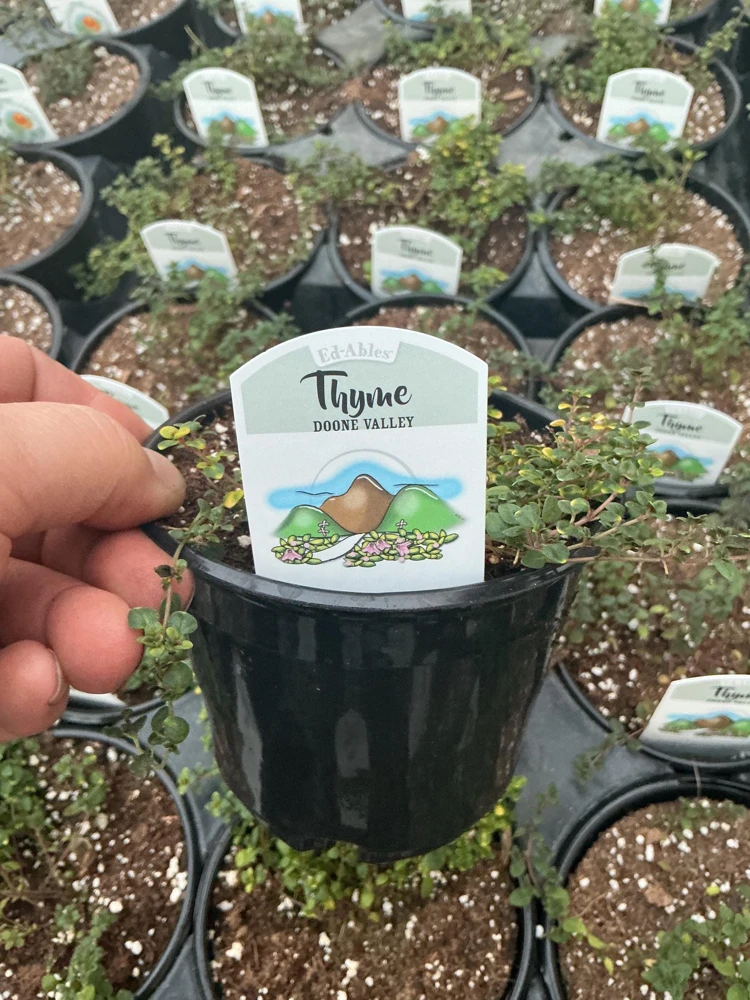
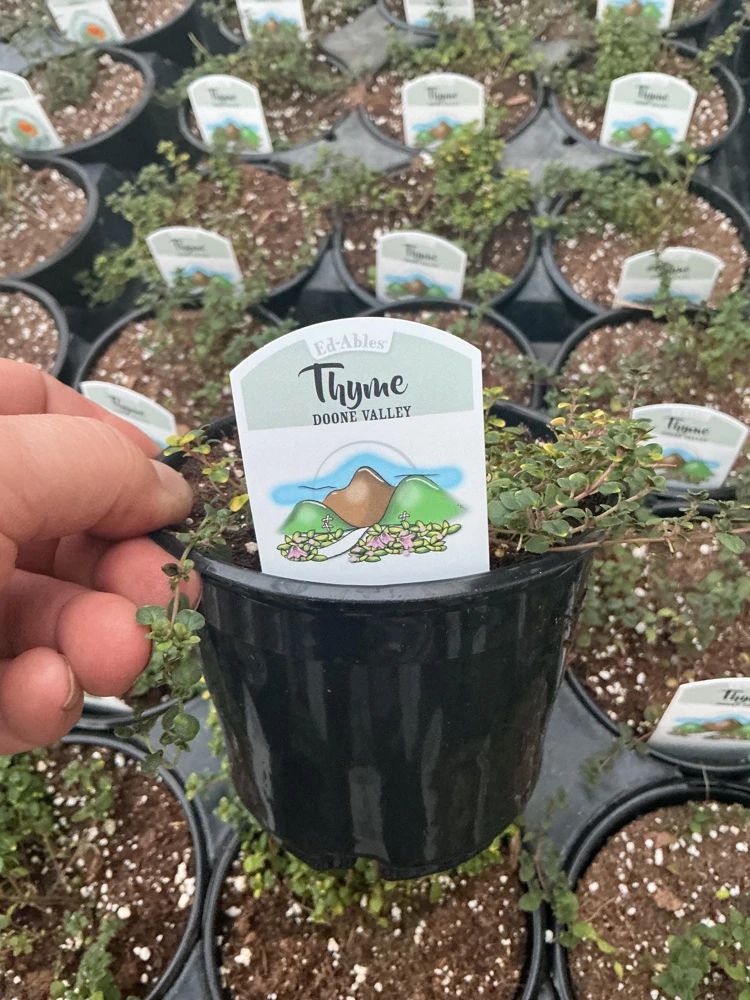
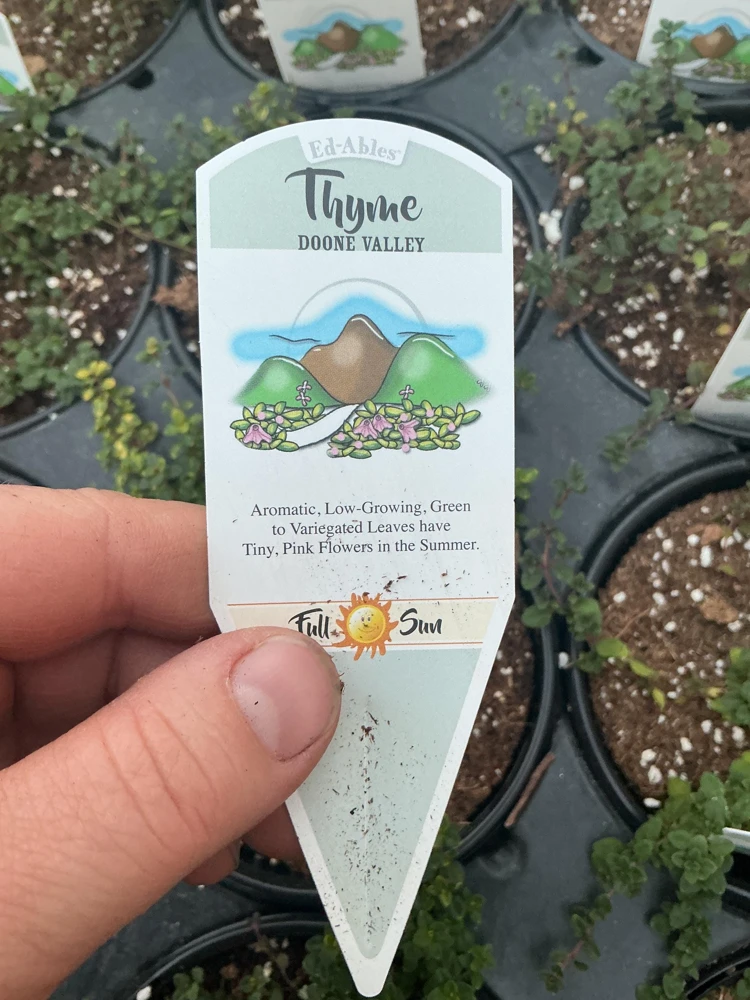
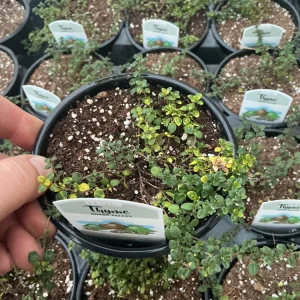
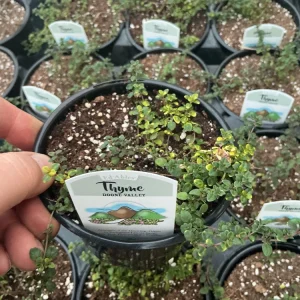
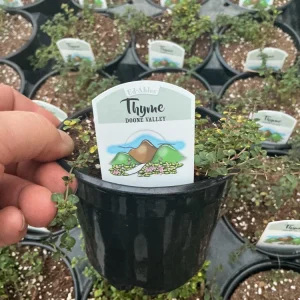
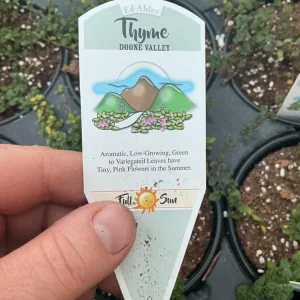
Introduce a touch of aromatic elegance to your garden with the Doone Valley Thyme live plant. This captivating perennial, known botanically as Thymus serpyllum ‘Doone Valley’, is celebrated for its low-growing, creeping habit and wonderfully fragrant foliage. The leaves boast a delightful lemon-scented aroma, making it a fantastic choice for planting along pathways, between stepping stones, or as a vibrant groundcover. ‘Doone Valley’ Thyme is not only a feast for the senses but also a resilient and relatively low-maintenance herb that can withstand foot traffic, releasing its pleasant scent with every step. Perfect for both ornamental and culinary purposes, this fragrant groundcover herb will be a charming addition to any landscape, attracting beneficial pollinators while providing fresh leaves for your kitchen.
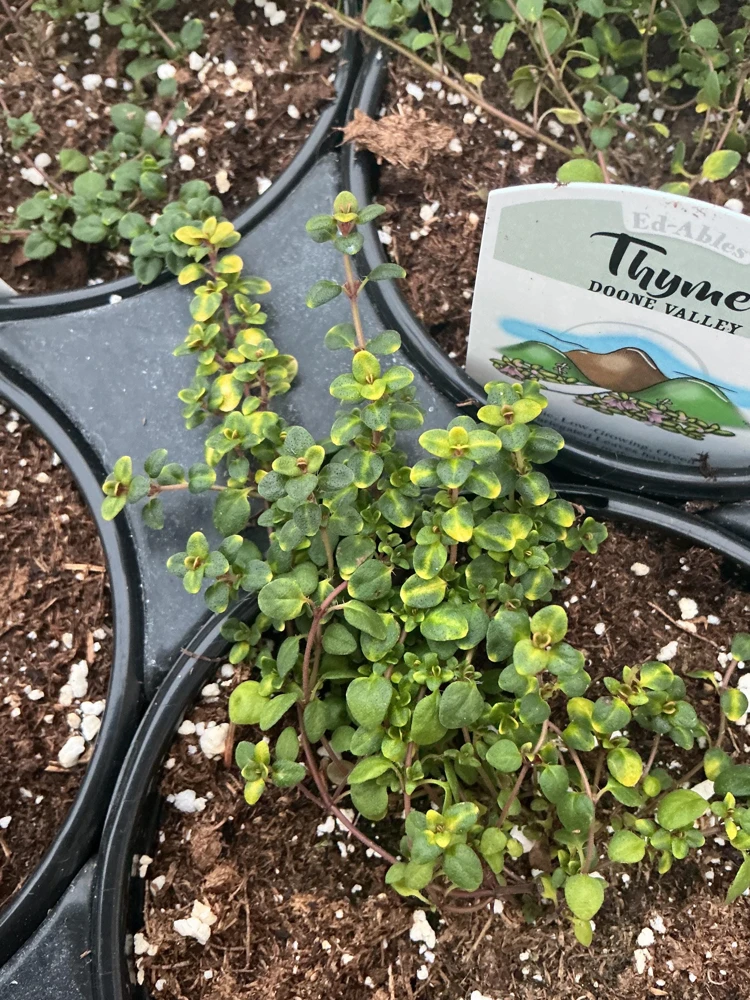
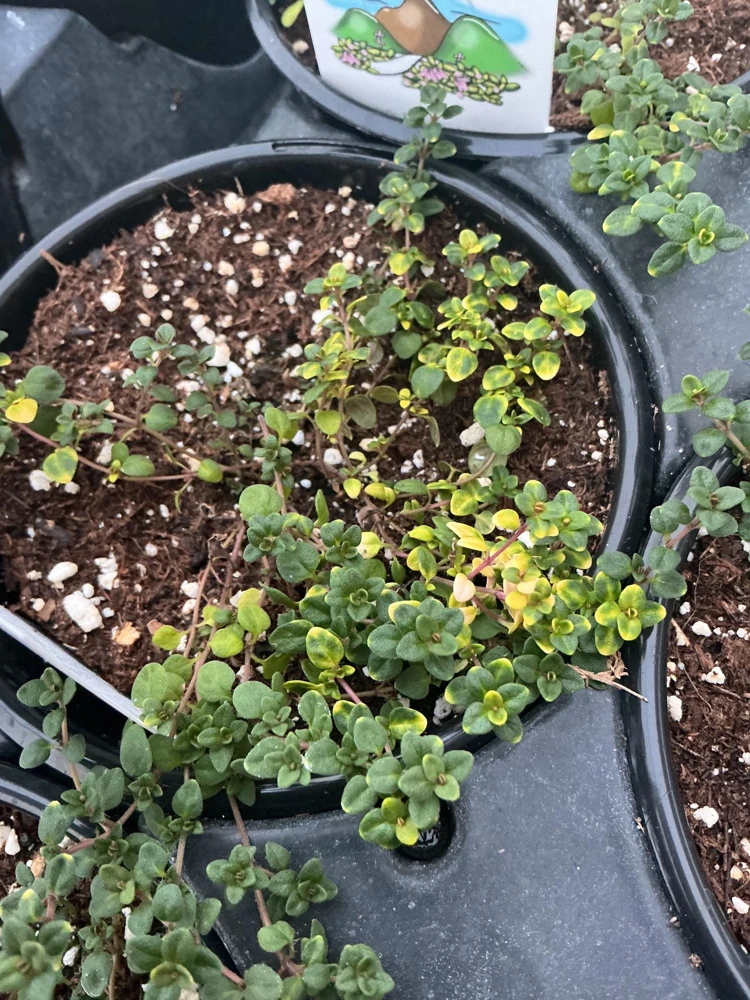
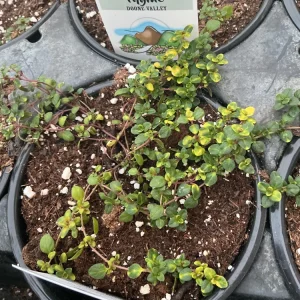
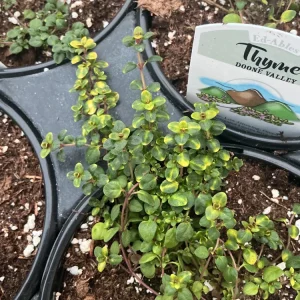
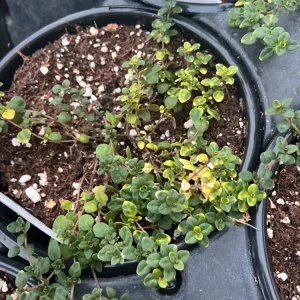
Originating from the diverse Thyme family, the ‘Doone Valley’ cultivar is particularly prized for its variegated green and gold foliage which can take on beautiful reddish hues in cooler temperatures. Its compact growth habit makes it an excellent choice for filling in gaps in perennial beds, cascading over retaining walls, or creating a living carpet in sunny areas. Whether you’re looking to create an aromatic herb garden, add texture to a rockery, or simply enjoy its beauty and scent, the Doone Valley Thyme live plant offers a unique blend of aesthetic appeal and practical utility. It’s a robust plant that adapts well to various conditions, making it suitable for gardeners of all experience levels.
Key Benefits
The Doone Valley Thyme live plant offers a multitude of benefits, making it a highly desirable addition to any garden or landscape. Its versatile nature and charming characteristics contribute to both the beauty and functionality of your outdoor spaces.
- Aromatic Groundcover: This thyme variety forms a dense, fragrant mat that suppresses weeds and adds a lush green texture to your garden. Its delightful lemon scent is released when walked upon, creating an inviting atmosphere.
- Culinary Versatility: The leaves of culinary thyme plant ‘Doone Valley’ are perfect for seasoning a wide array of dishes, from roasted meats and vegetables to soups and sauces, adding a fresh, zesty flavor.
- Attracts Pollinators: During its bloom period, typically late spring to early summer, the small lavender-pink flowers of this fragrant groundcover herb attract bees and other beneficial pollinators, supporting local ecosystems.
- Erosion Control: Its strong, spreading root system makes it an excellent choice for stabilizing soil on slopes or in areas prone to erosion, providing both beauty and function.
- Low Maintenance: Once established, ‘Doone Valley’ Thyme is drought-tolerant and requires minimal care, making it an ideal choice for busy gardeners or those seeking an easy-to-grow plant.
- Hardy and Resilient: This perennial is known for its ability to withstand various environmental conditions, including moderate foot traffic, and can thrive in a range of climates, making it a robust choice for many gardens.
- Aesthetic Appeal: The variegated foliage, with its green and golden tones, provides visual interest year-round, while the delicate blooms add a splash of color, enhancing the beauty of your garden.
Plant Care & Growing Tips
Caring for your Doone Valley Thyme live plant is relatively straightforward, making it an excellent choice for both novice and experienced gardeners. This resilient herb thrives in conditions that mimic its Mediterranean origins, preferring plenty of sunlight and well-draining soil. For optimal growth, plant your thyme in a location that receives at least six hours of direct sunlight per day. While it can tolerate some partial shade, too little light can lead to leggy growth and reduced fragrance. When considering creeping thyme plant care, ensure the soil is sandy or rocky with excellent drainage, as thyme is highly susceptible to root rot in waterlogged conditions. Amending heavy clay soils with sand or grit can significantly improve drainage.
Watering should be done sparingly once the plant is established. Allow the soil to dry out completely between waterings. Overwatering is the most common cause of failure for thyme plants. During prolonged dry spells, especially in hot climates, supplemental watering may be necessary, but always err on the side of underwatering. Fertilization is generally not required for ‘Doone Valley’ Thyme, as it thrives in lean soils. If your soil is particularly poor, a light application of a balanced, slow-release fertilizer in spring can be beneficial. Pruning can be done after flowering to maintain a compact shape and encourage new growth. Simply trim back about a third of the plant to keep it tidy and promote bushiness. Regular harvesting of leaves for culinary use also acts as a form of pruning, encouraging the plant to produce more flavorful foliage. This fragrant groundcover herb is generally pest and disease resistant, further simplifying its care routine.
Size & Details
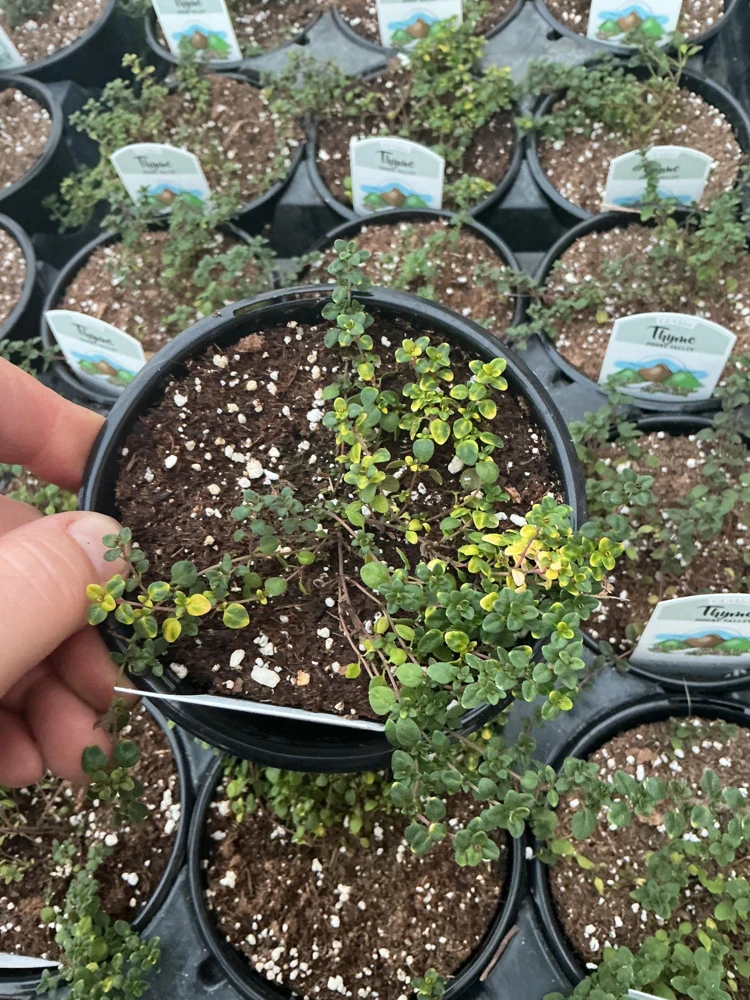
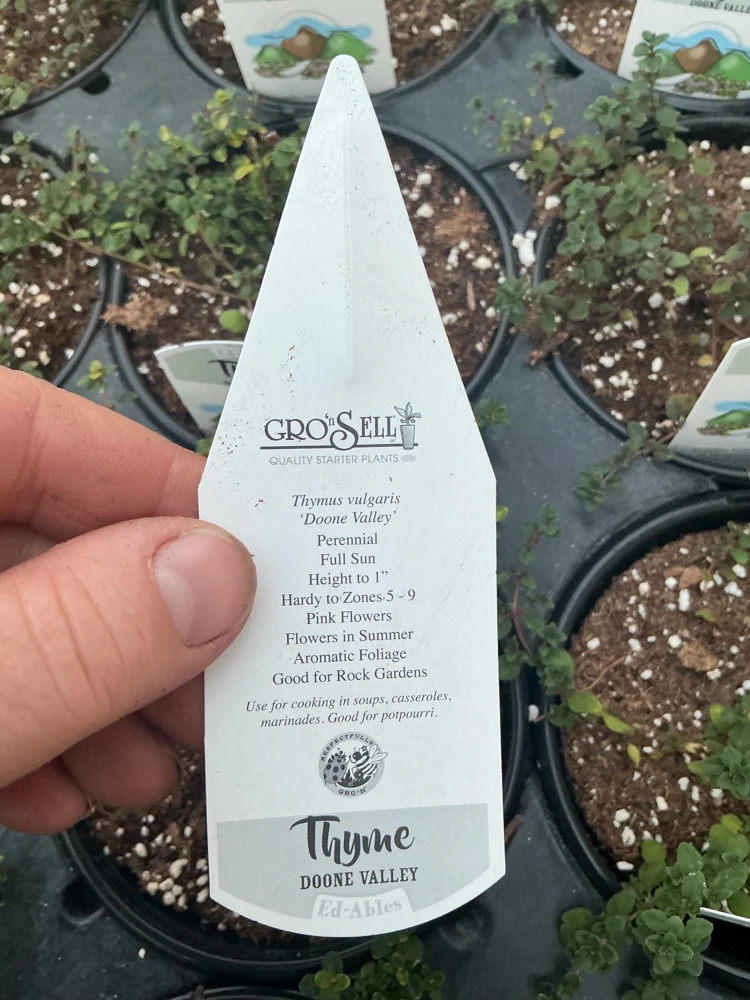
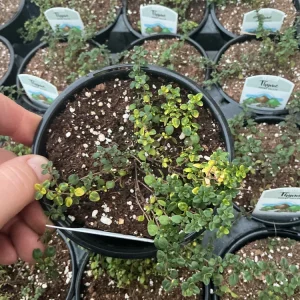
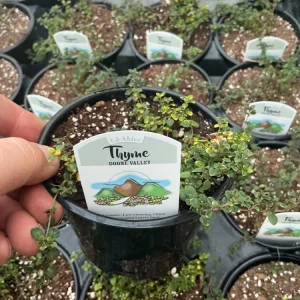
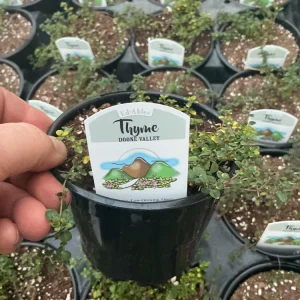
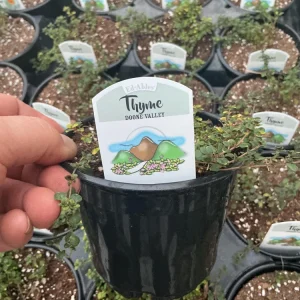
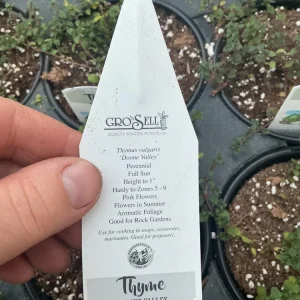
This Doone Valley Thyme live plant is shipped well-established and actively growing in a 4.5 inch plastic nursery pot, ready for immediate planting upon arrival. It is a low-growing, spreading perennial, typically reaching a height of 2-4 inches with a spread of 12-18 inches, forming a dense mat. The growth rate is moderate, and it will quickly fill in spaces in your garden, making it an effective thyme for rock gardens or groundcover. Expect it to begin blooming in late spring to early summer, with small, charming lavender-pink flowers. The plant is robust and will continue to grow and spread throughout the growing season, providing continuous fragrance and visual appeal. With proper care, this plant will mature into a beautiful, aromatic groundcover that enhances your garden for years to come.
Frequently Asked Questions
- Q: How big does this Doone Valley Thyme live plant get? A: This plant typically grows to a height of 2-4 inches and can spread up to 12-18 inches wide, forming a dense, creeping mat. Its compact size makes it ideal for various garden applications, including groundcover and rockeries.
- Q: Is this an indoor or outdoor plant? A: Doone Valley Thyme live plant is primarily an outdoor plant, thriving in full sun to partial shade. While it can be grown indoors in a very bright, sunny spot, it generally performs best outdoors in garden beds, containers, or as a fragrant groundcover herb.
- Q: How much sunlight does it need? A: For optimal growth and fragrance, ‘Doone Valley’ Thyme requires at least 6 hours of direct sunlight per day. It can tolerate some afternoon shade, especially in hotter climates, but avoid heavily shaded areas.
- Q: Is this plant easy to care for? A: Yes, this fragrant groundcover herb is considered very easy to care for. It is drought-tolerant once established and thrives on neglect, making it an excellent choice for beginner gardeners or those seeking low-maintenance plants.
- Q: What condition will it arrive in? A: You will receive one live ‘Doone Valley’ Thyme plant, well-established and actively growing in a 4.5 inch plastic nursery pot, carefully packaged to ensure its safe arrival.
- Q: Can I use Doone Valley Thyme in cooking? A: Absolutely! This variety of thyme is a fantastic culinary thyme plant, offering a delightful lemon-scented flavor that enhances a wide range of dishes, from savory meals to beverages.
- Q: When is the best time to plant Doone Valley Thyme? A: The best time to plant ‘Doone Valley’ Thyme is in spring after the last frost, or in early fall. This allows the plant sufficient time to establish its root system before extreme temperatures.
- Q: Is this plant suitable for rock gardens? A: Yes, ‘Doone Valley’ Thyme is an excellent choice for a thyme for rock gardens due to its low-growing, creeping habit, drought tolerance, and ability to thrive in lean, well-draining soil often found in rockeries.
- Q: Will it survive winter in my zone? A: ‘Doone Valley’ Thyme is quite hardy and is generally suitable for USDA Zones 4-9. In colder zones, it may require some winter protection or be grown as an annual.
- Q: What type of soil does it prefer? A: This plant prefers well-draining soil, ideally sandy or gravelly. It tolerates poor soil conditions but struggles in heavy, waterlogged clay. Enhancing drainage is key for successful growth.


Reviews
There are no reviews yet.