Overview
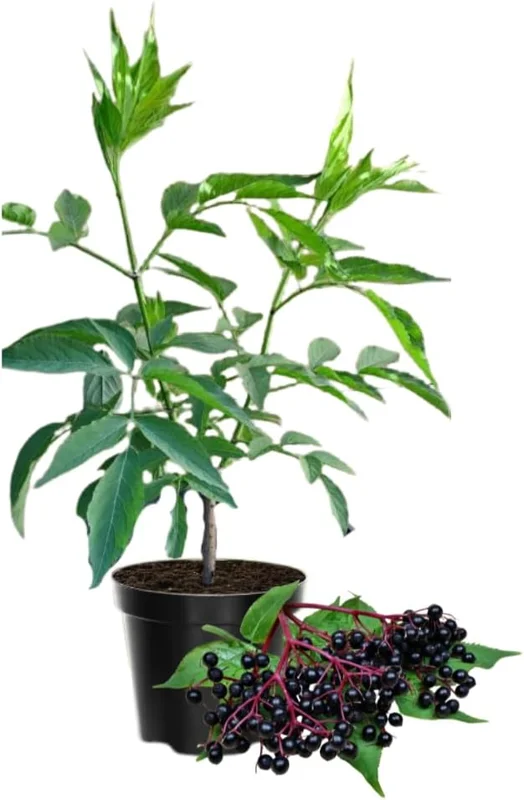
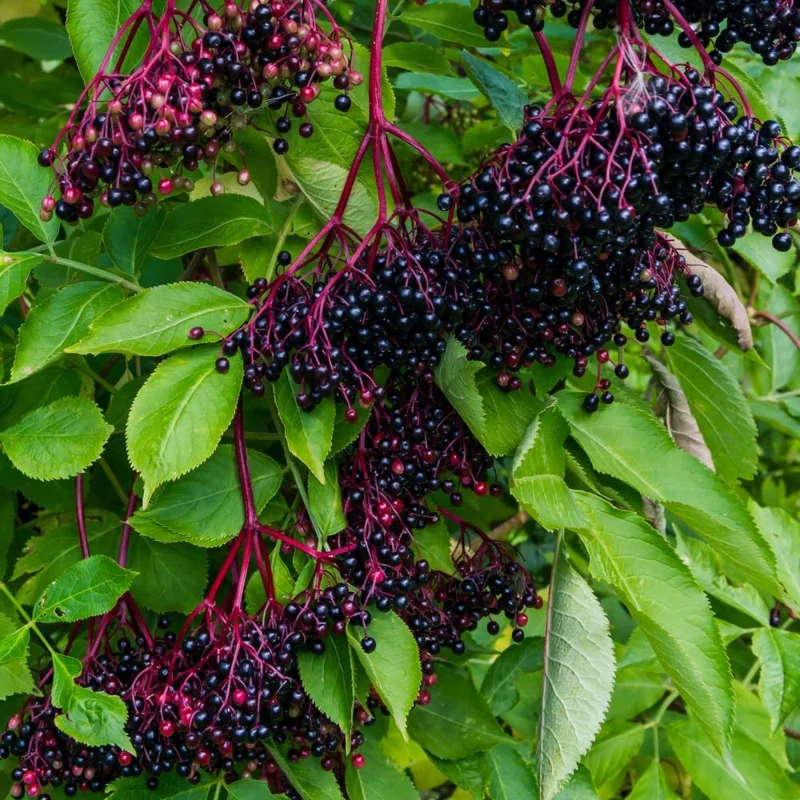
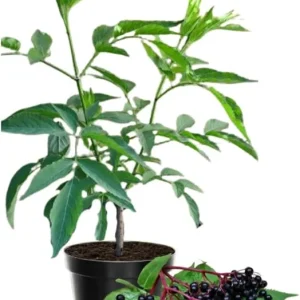
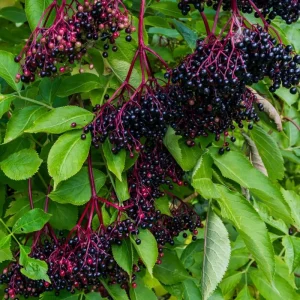
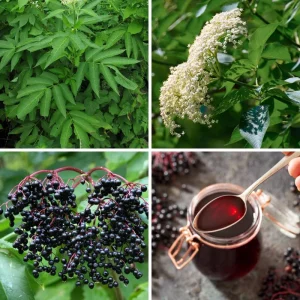
Discover the joy of growing your own fruit with this exceptional elderberry tree live plant. This robust and resilient shrub is perfect for both seasoned gardeners and beginners looking to add a productive and ornamental plant to their landscape. Arriving dormant in a quart pot, this 1-year-old black elderberry bush is ready to establish itself in your garden, promising clusters of dark, nutrient-rich berries and fragrant white flowers year after year. Known for its hardiness and low-maintenance nature, the elderberry is a fantastic choice for creating edible hedges, enhancing backyard landscapes, or simply enjoying fresh fruit directly from your yard. Its ability to thrive in a wide range of conditions makes it a versatile addition to almost any outdoor space, providing both aesthetic appeal and a bountiful harvest.
The elderberry, scientifically known as Sambucus nigra, is celebrated not only for its delicious fruit but also for its beautiful blossoms and ecological benefits. This particular elderberry tree live plant is a black elderberry variety, renowned for its prolific fruit production and adaptability. Planting a dormant shrub ensures a strong start, as the plant can focus its energy on root development before leafing out in spring. It’s an excellent investment for sustainable gardening and adds significant value to your home orchard or edible landscape. Enjoy the cycle of growth, from the charming flowers to the abundant berries, all from one easy-to-care-for plant.
Key Benefits
Adding an elderberry tree live plant to your garden offers a multitude of advantages, blending ornamental beauty with practical benefits. This versatile plant is a true garden asset, providing both visual appeal and a harvest of nutritious fruit.
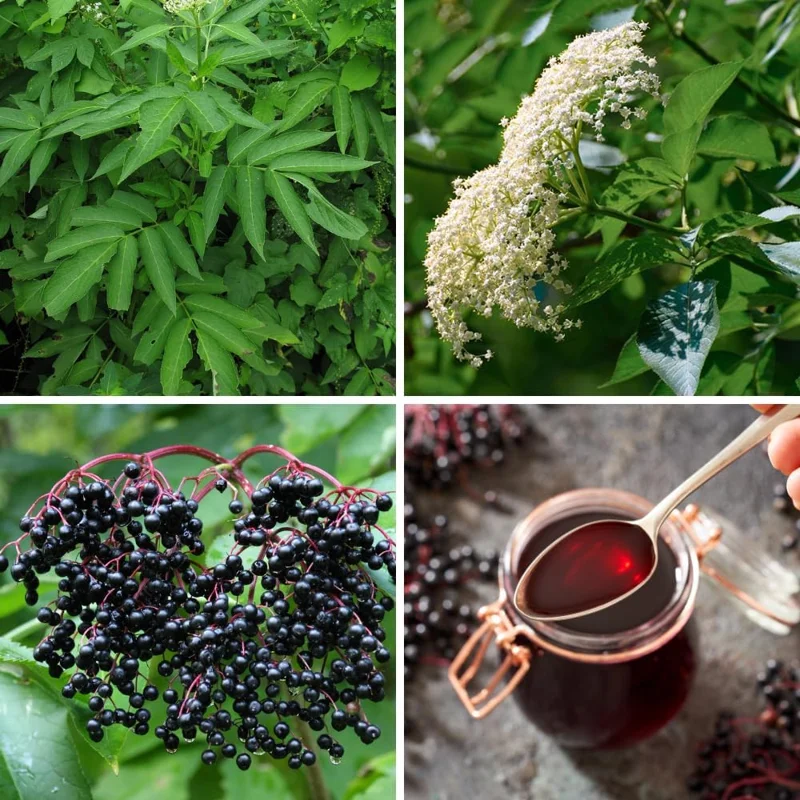
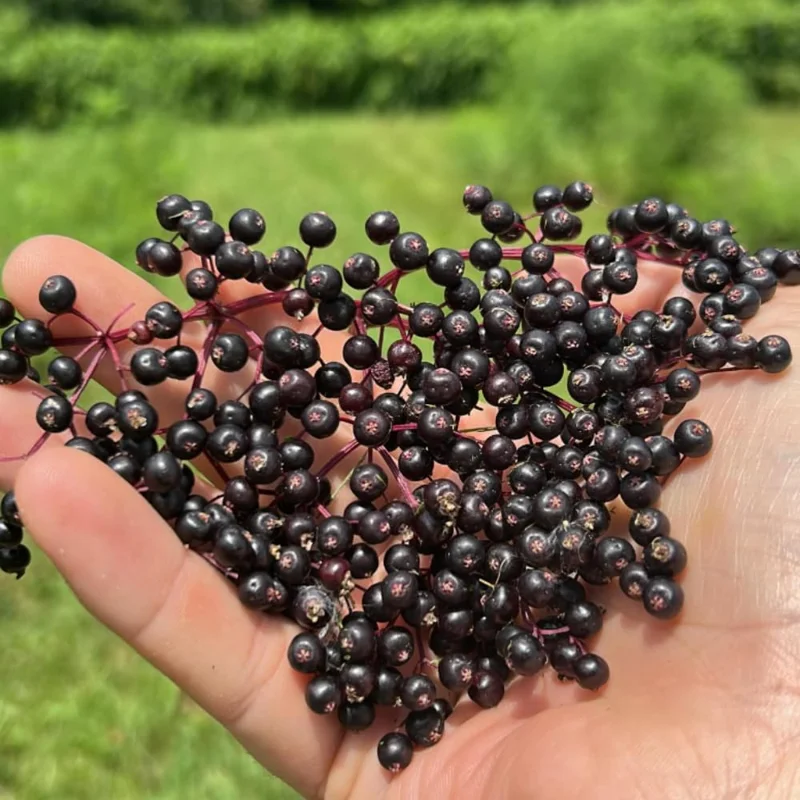
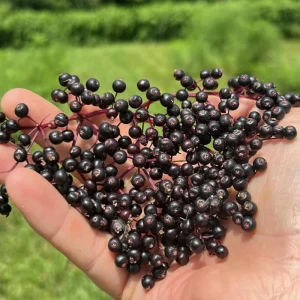
- Abundant Fruit Production: Enjoy a generous harvest of dark, antioxidant-rich elderberries, perfect for jams, jellies, pies, wines, and health-boosting syrups. This fruit-bearing shrub will provide years of delicious yields.
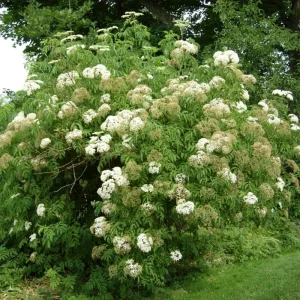
- Beautiful Blooms: In spring, the plant produces large, flat clusters of fragrant white flowers (elderflowers) that are not only lovely to behold but can also be used in culinary creations like elderflower cordial.
- Hardy & Low-Maintenance: Known for its resilience, this elderberry bush thrives with minimal care once established. It’s an ideal choice for gardeners seeking a productive plant that doesn’t demand constant attention.
- Attracts Pollinators: The fragrant elderflowers are a magnet for bees, butterflies, and other beneficial pollinators, contributing to a healthy garden ecosystem.
- Versatile Landscaping: Suitable for various garden designs, it can be grown as a specimen plant, integrated into edible hedges, or used to create naturalized areas, making it a truly versatile black elderberry bush.
- Wide USDA Hardiness Zone Range: Adaptable to a broad range of climates, thriving in USDA Zones 3-9, ensuring success for many gardeners across the US.
- Fast Growing: Once established, elderberry plants grow relatively quickly, allowing you to enjoy harvests sooner.
Plant Care & Growing Tips
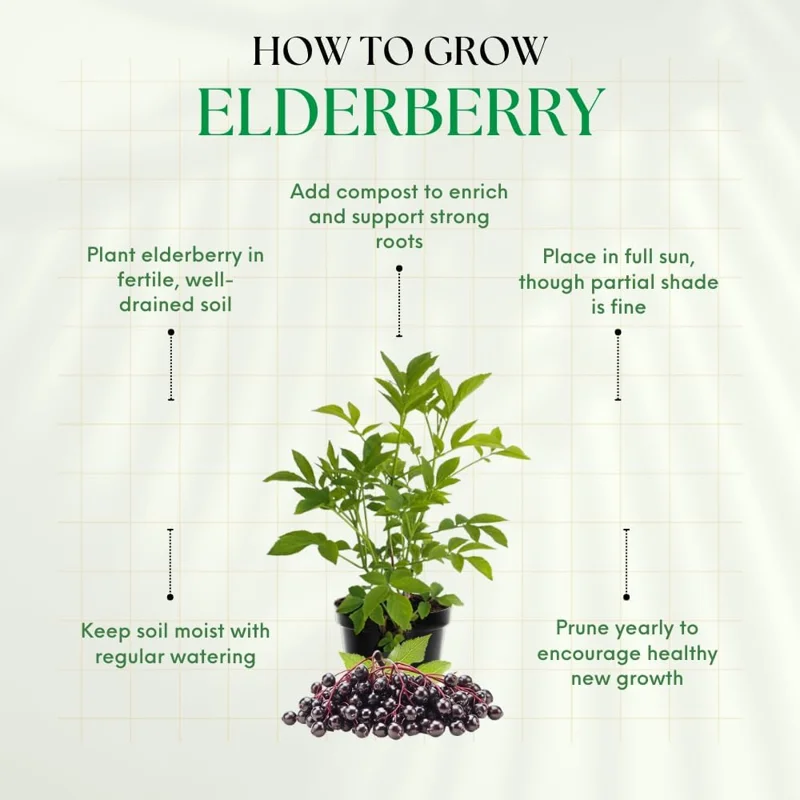
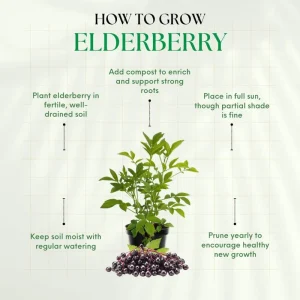
Caring for your elderberry tree live plant is straightforward, making it an excellent choice for gardeners of all skill levels. To ensure a thriving and productive plant, consider its specific needs for sunlight, soil, and water. Elderberries prefer a location with full sun to partial shade; at least 6 hours of direct sunlight daily is ideal for optimal fruit production, though they can tolerate some afternoon shade in hotter climates. When planting, dig a hole twice as wide as the root ball and just as deep. Amend the soil with organic matter to improve drainage and fertility, as elderberries prefer rich, well-draining soil.
Watering is crucial during the first year of establishment. Keep the soil consistently moist but not waterlogged. Once established, elderberries are relatively drought-tolerant but will benefit from supplemental watering during dry spells, especially when fruiting. Fertilize in early spring with a balanced slow-release fertilizer or compost to support vigorous growth and fruit development. Pruning is best done in late winter or early spring while the plant is still dormant. Remove any dead, damaged, or weak canes, and thin out older canes to encourage new, productive growth. This regular maintenance contributes significantly to the plant’s health and ensures a bountiful harvest from your black elderberry bush. Understanding proper elderberry plant care will lead to a successful and fruitful garden addition.
Elderberries are generally pest and disease resistant. However, keep an eye out for common garden pests and address them promptly with organic solutions if they arise. Ensure good air circulation around the plant to prevent fungal issues. This hardy shrub is a resilient performer, and with these simple care guidelines, your elderberry tree live plant will flourish and provide you with years of delicious fruit and beautiful flowers. It’s a truly rewarding plant for any garden.
Size & Details
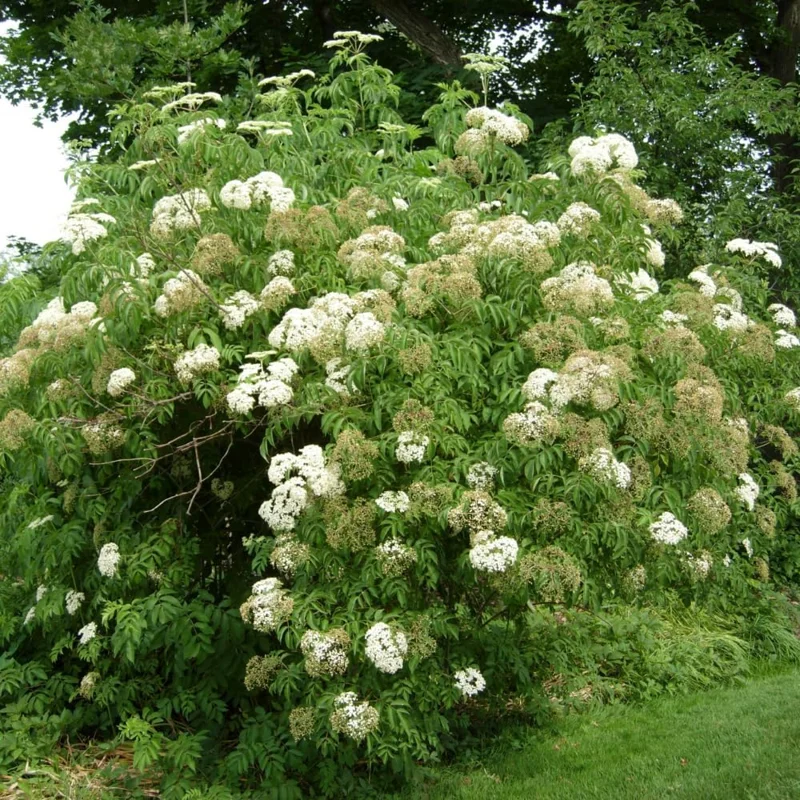
This elderberry tree live plant arrives as a 1-year-old dormant plant, carefully packaged in a quart-sized pot. While dormant, the plant’s visible top growth will be minimal, but it possesses a well-developed root system ready for planting. Upon arrival, it typically measures approximately 4 x 4 x 12 inches in its pot, with the dormant cane reaching a similar height. Once planted and established, elderberry plants are known for their vigorous growth. Mature black elderberry bushes can reach heights of 6 to 12 feet tall and spread 6 to 8 feet wide, forming a substantial and attractive shrub.
The plant is shipped as a live, healthy specimen, though it will be in its dormant state, which is optimal for transplanting. Expect new growth to emerge in spring as temperatures warm. This fruit-bearing shrub is suitable for outdoor planting in USDA Hardiness Zones 3-9, making it adaptable to a wide range of climates across the United States. With proper care, you can anticipate your first significant berry harvest within 1-2 years after planting, depending on growing conditions and specific variety characteristics. The quart pot size provides a robust start for this young plant, allowing it to quickly establish itself in your garden.
Frequently Asked Questions
- Q: How big does this elderberry tree live plant get? A: Once mature, this black elderberry bush can reach a height of 6 to 12 feet tall and spread 6 to 8 feet wide. Its size can be managed with annual pruning.
- Q: What size pot does it come in? A: The elderberry tree live plant is shipped in a quart-sized nursery pot, with the plant being approximately 1 year old and dormant.
- Q: Is this an indoor or outdoor plant? A: This elderberry is an outdoor plant, designed to be planted in your garden or landscape. It requires outdoor conditions to thrive and produce fruit.
- Q: How much sunlight does it need? A: Elderberries prefer full sun to partial shade. For the best fruit production, aim for at least 6 hours of direct sunlight per day.
- Q: Is this plant easy to care for? A: Yes, elderberries are known for being hardy and low-maintenance once established, making them an excellent choice for both beginner and experienced gardeners. Proper elderberry plant care involves occasional pruning and consistent watering during establishment.
- Q: What condition will it arrive in? A: Your fruit-bearing shrub will arrive dormant, which means it will have minimal or no leaves, as this is the ideal state for transplanting and ensures a strong start.
- Q: When is the best time to plant this elderberry? A: The best time to plant dormant elderberry plants is in early spring, after the last frost, or in the fall before the ground freezes.
- Q: Can I use the berries for eating? A: Yes, the berries from this black elderberry variety are excellent for culinary uses, commonly made into jams, jellies, pies, wines, and syrups. Ensure they are cooked before consumption.
- Q: Will it survive winter in my zone? A: This elderberry variety is hardy in USDA Zones 3-9, meaning it is well-equipped to survive winter in a wide range of climates.
- Q: What kind of soil does an elderberry prefer? A: Elderberries thrive in rich, well-draining soil with a slightly acidic to neutral pH. Amending with organic matter is beneficial.


Reviews
There are no reviews yet.