Overview
Introducing the dormant serviceberry tree live plant, a magnificent and versatile addition to any garden or landscape. Also known as Juneberry, Saskatoon, Shadbush, or purple serviceberry tree, this deciduous tree offers year-round appeal. Shipped in a dormant state in a quart pot and measuring 6-12 inches tall, it’s perfectly poised for planting and establishment. Serviceberry trees are celebrated for their early spring blossoms, vibrant fall foliage, and delicious, nutrient-rich berries that ripen in early summer. This multi-season wonder not only provides aesthetic beauty but also attracts beneficial wildlife, making it an excellent choice for gardeners looking to create a dynamic and productive outdoor space. Its hardiness and adaptability make it a favored option for various climates and soil conditions.
The dormant serviceberry tree live plant is a testament to nature’s resilience, arriving ready to burst forth with life once planted. Its compact size upon arrival makes it easy to handle and plant, while its robust root system ensures a strong start. Whether you’re aiming to create a naturalized area, a hedgerow, or a specimen tree, the serviceberry delivers. It’s a fantastic choice for those who appreciate both ornamental value and the bounty of edible fruits from their garden. With proper care, this young tree will quickly establish itself and become a cherished part of your landscape for years to come.
Key Benefits
The dormant serviceberry tree live plant offers a multitude of benefits, making it an outstanding choice for any gardener:
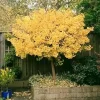
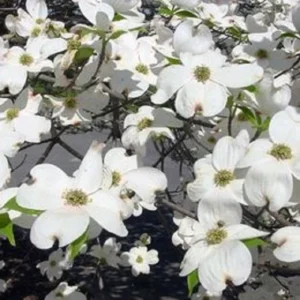
- Multi-Season Interest: Enjoy delicate white flowers in early spring, followed by lush green foliage in summer, vibrant orange-red leaves in autumn, and an attractive branching structure in winter. This tree truly delivers beauty throughout the year.
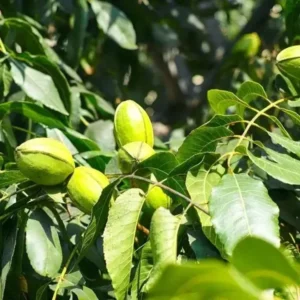
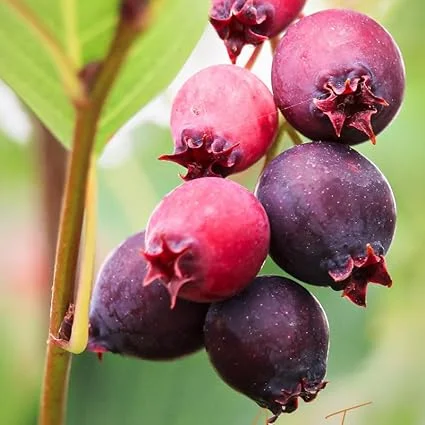
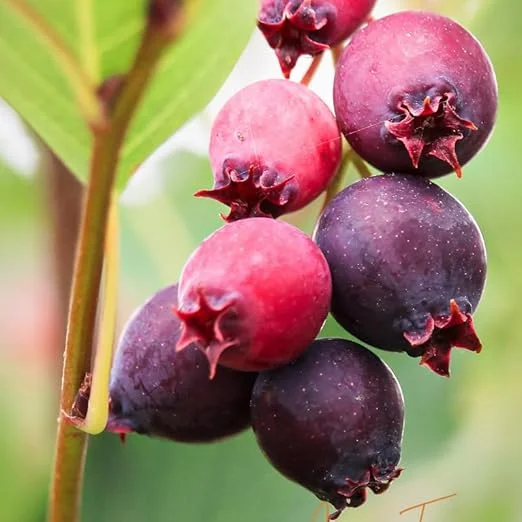
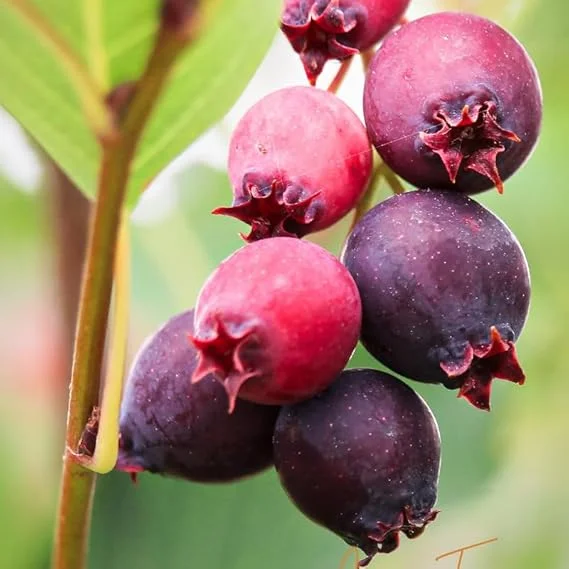
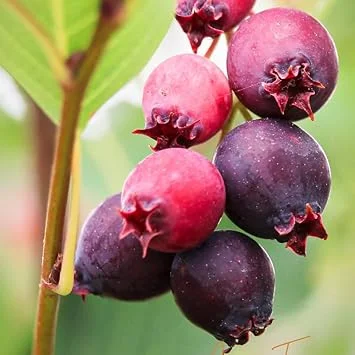
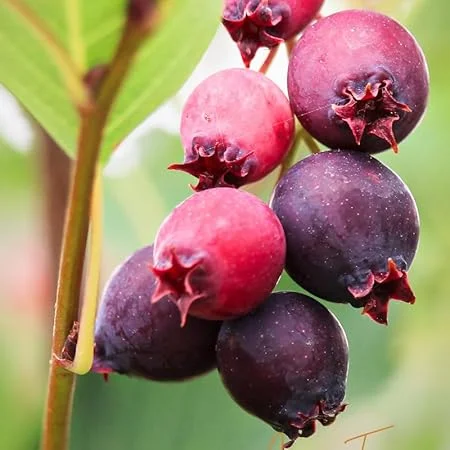
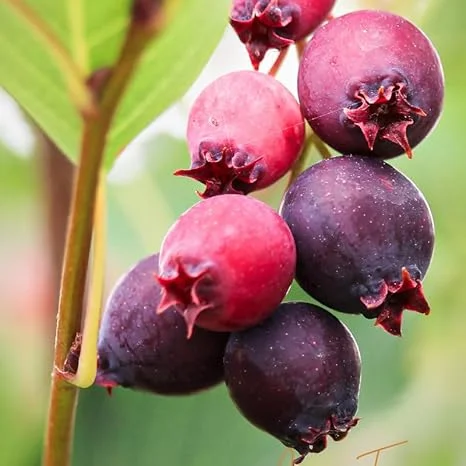
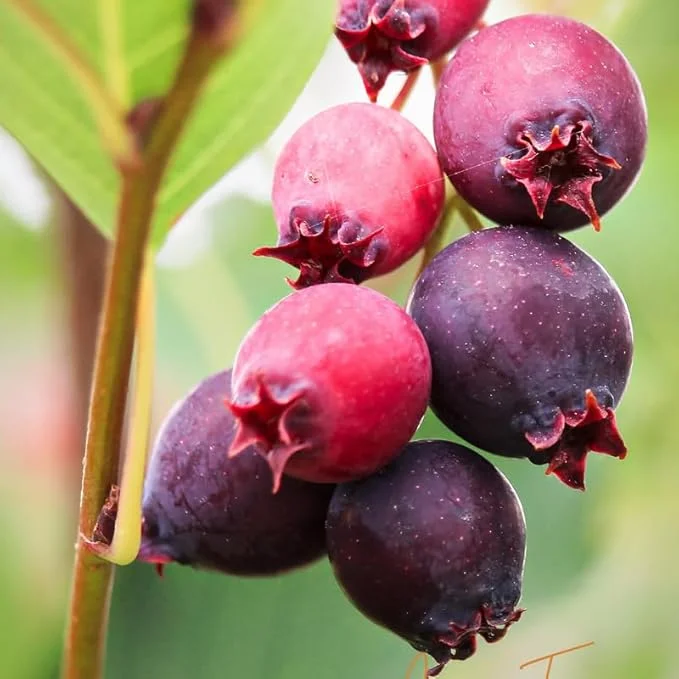
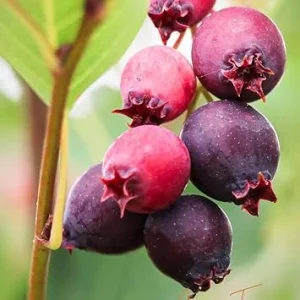
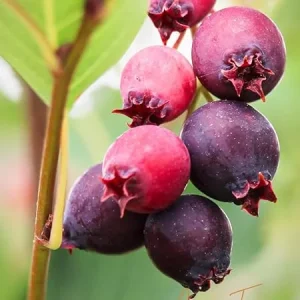
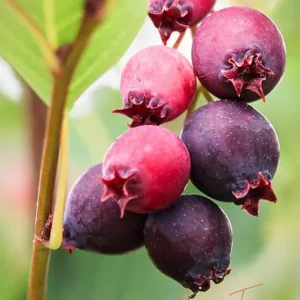
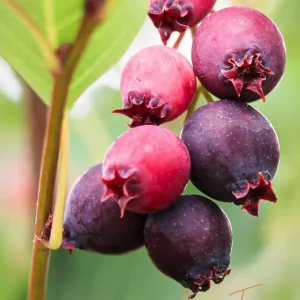
- Edible & Delicious Fruit: The dark purple-red berries, resembling blueberries, are sweet and juicy. They can be enjoyed fresh, baked into pies, made into jams, or used in sauces, providing a healthy and tasty treat.
- Attracts Wildlife: The flowers provide nectar for pollinators, and the berries are a favorite food source for birds and other small wildlife, enhancing biodiversity in your garden.
- Hardy & Adaptable: This hardy landscape tree is exceptionally resilient, tolerating a wide range of climates (USDA Zones 4-9) and various soil conditions once established, making it a low-maintenance option.
- Low Maintenance: Once established, the purple serviceberry tree requires minimal pruning and is generally resistant to pests and diseases, allowing you more time to enjoy its beauty and bounty.
- Versatile Use: Can be grown as a large shrub, a small ornamental tree, or even as part of a hedgerow, fitting into diverse garden designs and landscape needs.
- Enhances Landscape Value: Its attractive form, seasonal color changes, and edible fruits significantly boost the aesthetic and functional value of your property.
Plant Care & Growing Tips
Caring for your dormant serviceberry tree live plant is relatively straightforward, ensuring it thrives and provides years of beauty and fruit. Upon arrival, keep the plant in a cool, shaded area if you cannot plant it immediately. When ready to plant, choose a location with full sun exposure, meaning at least 6 hours of direct sunlight per day. While serviceberries can tolerate partial shade, full sun promotes the best flowering and fruiting. Dig a hole twice as wide as the root ball and just as deep. Gently remove the tree from its quart pot, loosen any circling roots, and place it in the hole so that the top of the root ball is level with the surrounding soil.
The ideal soil for a purple serviceberry tree is well-draining, slightly acidic to neutral (pH 6.0-7.0), and rich in organic matter. If your soil is heavy clay or very sandy, amend it with compost to improve drainage and fertility. After planting, water thoroughly to settle the soil around the roots. Continue with moderate watering, especially during dry spells, for the first year or two until the tree is established. Avoid overwatering, which can lead to root rot. Once established, serviceberries are fairly drought-tolerant. Fertilize in early spring with a balanced, slow-release granular fertilizer formulated for trees and shrubs, following the product’s instructions. Pruning is generally minimal, focused on removing dead, damaged, or crossing branches in late winter or early spring while the tree is still dormant. This helps maintain a healthy structure and encourages air circulation. Understanding serviceberry plant care will help your tree flourish.
This hardy landscape tree is generally resistant to most common pests and diseases. However, keep an eye out for issues like powdery mildew or rust, especially in humid conditions. Ensure good air circulation and avoid overhead watering to prevent fungal problems. With consistent care during its establishment phase, your serviceberry tree will grow into a robust and productive specimen. Remember that a dormant serviceberry tree live plant is designed to awaken with the warmth of spring, so don’t be alarmed by its initial appearance. With these tips, you’ll be well on your way to enjoying the many benefits of this wonderful tree.
Size & Details
This offering is for one dormant serviceberry tree live plant, carefully cultivated and shipped in a quart-sized pot. The plant’s height typically ranges from 6 to 12 inches from the soil line, providing a manageable size for planting and transplanting. It arrives well-rooted and in a dormant state, which is ideal for successful transplanting and establishment in your garden. The quart pot provides ample space for the root system to develop before being planted in its permanent location.
The purple serviceberry tree is a moderate grower, typically adding 12-24 inches of height per year once established. Mature size can vary depending on the specific cultivar and growing conditions, but serviceberries generally reach heights of 15-25 feet with a spread of 10-15 feet, forming either a multi-stemmed shrub or a small, single-trunk tree. It is hardy in USDA Zones 4-9, making it suitable for a wide range of climates. This edible fruit tree will begin to produce berries within a few years of planting, offering a delightful harvest in early summer.
Frequently Asked Questions
- Q: How big does this plant get? A: This dormant serviceberry tree live plant is 6-12 inches tall when shipped in a quart pot. Mature serviceberry trees can reach heights of 15-25 feet with a spread of 10-15 feet, depending on the variety and growing conditions.
- Q: Is this an indoor or outdoor plant? A: The purple serviceberry tree is an outdoor plant, best suited for landscaping, gardens, and naturalized areas. It requires outdoor conditions to thrive and produce fruit.
- Q: How much sunlight does it need? A: A dormant serviceberry tree live plant thrives in full sun, requiring at least 6 hours of direct sunlight per day for optimal growth, flowering, and fruit production. It can tolerate partial shade, but fruiting may be reduced.
- Q: Is this plant easy to care for? A: Yes, serviceberries are known for being relatively low maintenance. Once established, they are quite hardy and adaptable, making serviceberry plant care manageable for most gardeners.
- Q: What condition will it arrive in? A: Your dormant serviceberry tree live plant will arrive in a quart pot, well-rooted, and in a dormant state, which is normal for successful transplanting. It will begin to leaf out as temperatures rise in spring.
- Q: When is the best time to plant? A: The best time to plant a dormant serviceberry tree live plant is in early spring or fall when temperatures are moderate. This allows the roots to establish before extreme heat or cold.
- Q: Will it survive winter in my zone? A: This hardy landscape tree is suitable for USDA Zones 4-9, meaning it is very cold hardy and will successfully survive winters in these regions.
- Q: Are the fruits of the purple serviceberry tree edible? A: Absolutely! The berries are delicious and can be eaten fresh, or used in pies, jams, jellies, and other culinary creations. It is a wonderful edible fruit tree.
- Q: How long until it starts producing fruit? A: A young purple serviceberry tree typically begins to produce fruit within 2-4 years after planting, with increasing yields as it matures.
- Q: What type of soil does it prefer? A: Serviceberries prefer well-draining, slightly acidic to neutral soil (pH 6.0-7.0) that is rich in organic matter.


Reviews
There are no reviews yet.