Overview
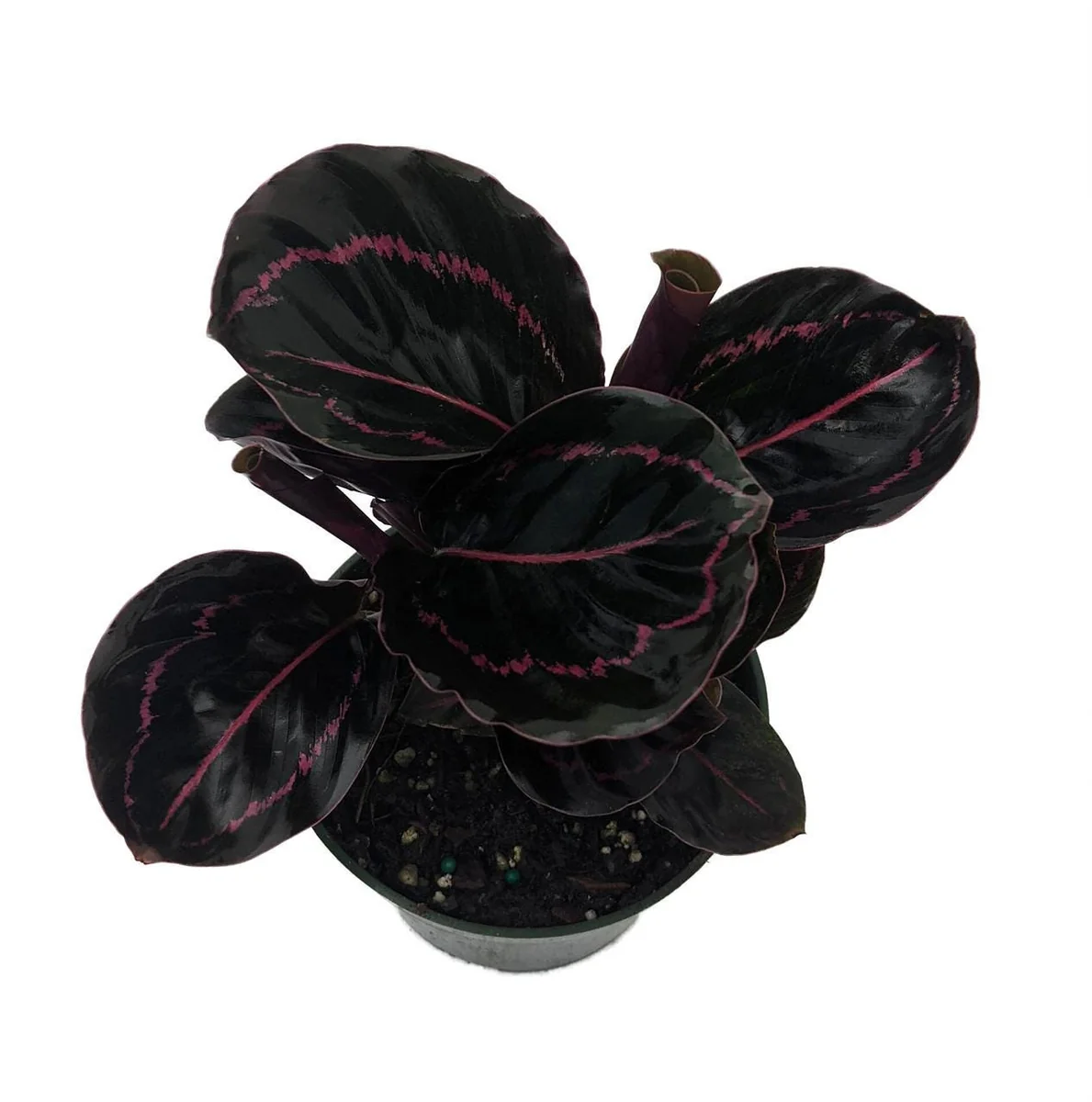
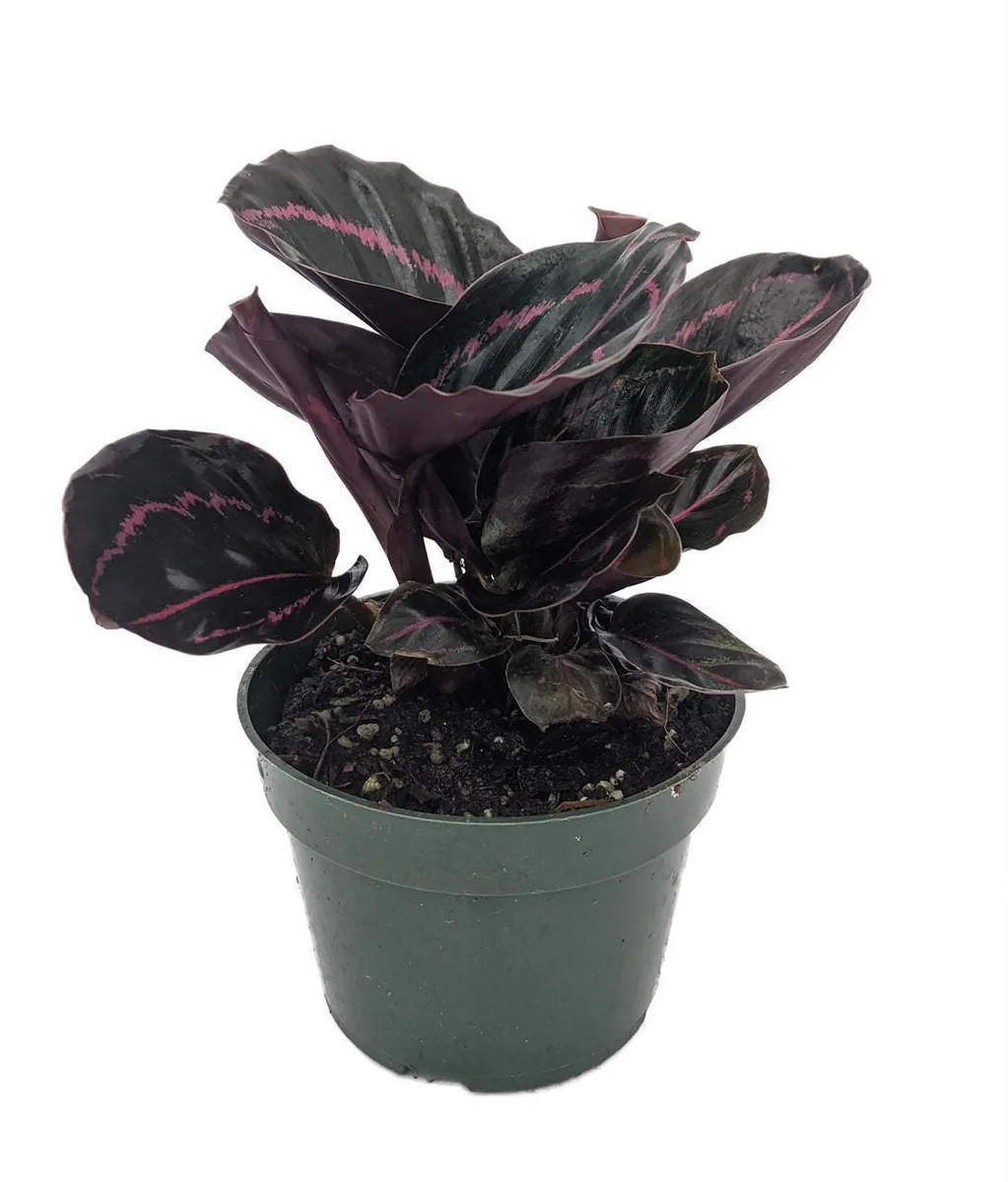
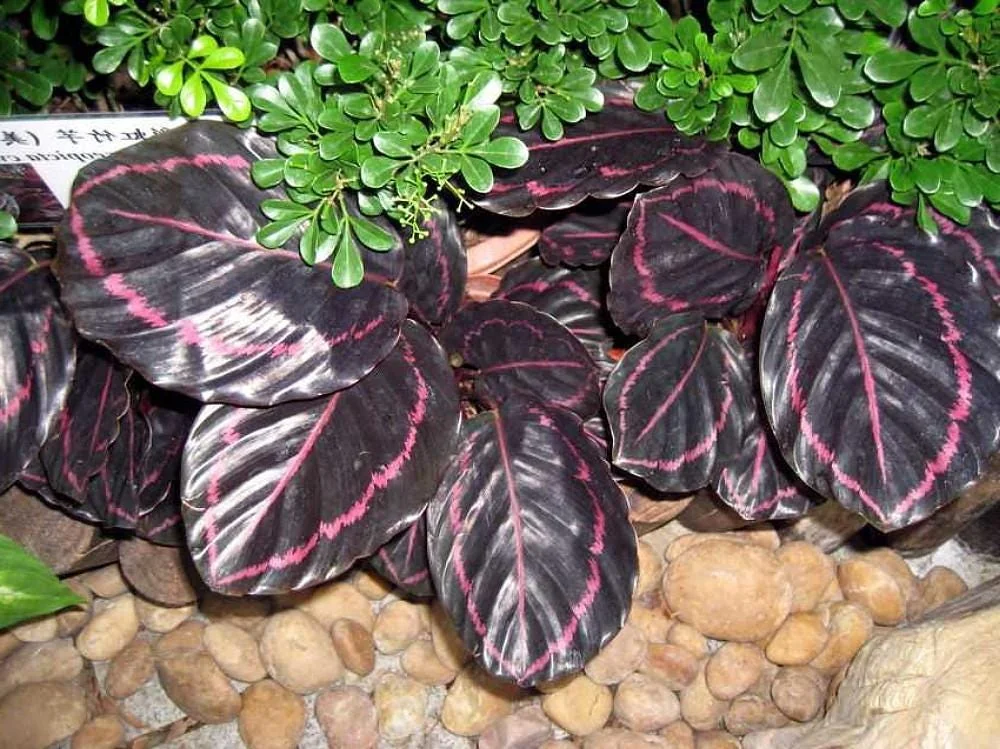
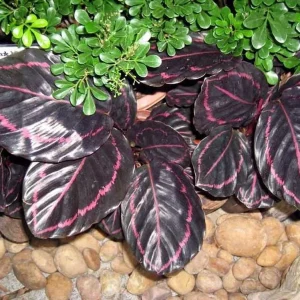
Introduce a touch of tropical elegance to your living space with the exquisite Calathea Dottie live plant. Also known by its botanical name, Calathea roseopicta ‘Dottie’, this captivating houseplant is celebrated for its truly exceptional ornamental foliage. Unlike many flowering plants, the ‘Dottie’ captivates with its large, elliptical leaves, which are a glossy dark green, dramatically contrasted by a vivid, rose-colored midrib and an intricate feathered ring of the same rosy hue. The underside of each leaf reveals a rich purple, adding another layer of visual interest. This Calathea Dottie live plant is a short, compact houseplant, making it an ideal choice for tabletops, shelves, or desks where its vibrant colors can be admired up close. While it may produce small white and purple flowers, it is predominantly grown for its stunning leaf patterns and colors that effortlessly enhance any indoor decor.
Key Benefits
The Calathea Dottie live plant offers a multitude of benefits, making it a highly sought-after houseplant for both seasoned plant enthusiasts and beginners alike. Its unique aesthetic and relatively straightforward care contribute to its popularity and charm.
- Stunning Ornamental Foliage: The primary appeal of the ‘Dottie’ lies in its breathtaking leaves. The dark green base, bold rose-colored midrib, and feathered patterns create a dramatic and sophisticated look that instantly elevates any room. The purple undersides add an unexpected pop of color as the leaves move.
- Natural Air Purifier: Like many houseplants, the Calathea Dottie live plant contributes to a healthier indoor environment by purifying the air. It helps to remove common toxins, improving air quality and making your living space feel fresher and cleaner.
- Unique Nocturnal Movement: Calatheas are often called ‘prayer plants’ because their leaves fold upwards in the evening, resembling praying hands, and then unfurl again in the morning. This fascinating daily movement adds an intriguing dynamic element to your plant collection.
- Compact & Versatile Size: Growing to a manageable size, this Calathea Dottie live plant is perfect for smaller spaces. It thrives as a centerpiece on coffee tables, a vibrant accent on bookshelves, or as part of a larger indoor plant display, fitting seamlessly into various decor styles.
- Adds Tropical Ambiance: With its lush foliage and vibrant colors, the ‘Dottie’ brings an instant tropical feel to your home, creating a serene and exotic atmosphere. It’s an excellent way to introduce natural beauty and a sense of calm to your interior design.
- Relatively Easy to Care For: While Calatheas have a reputation for being somewhat finicky, the ‘Dottie’ is considered one of the easier varieties to care for, especially when its basic needs for humidity and consistent moisture are met. This makes Calathea roseopicta care accessible for many plant parents.
- Pet-Friendly Option: Unlike some common houseplants, Calatheas are generally considered non-toxic to pets, offering peace of mind for households with cats, dogs, or other animals who might be tempted to nibble on foliage.
Plant Care & Growing Tips
Proper Calathea roseopicta care is essential for ensuring your ‘Dottie’ thrives and maintains its stunning foliage. These tropical beauties appreciate consistency in their environment, mimicking their native rainforest understory conditions. Understanding their specific needs will help you keep your plant healthy and vibrant for years to come.
When it comes to sunlight, the ‘Dottie’ prefers bright, indirect light. Direct sunlight can scorch its delicate leaves and cause the vibrant colors to fade. An east-facing window is often ideal, providing gentle morning sun, or a few feet away from a south or west-facing window. If you’re looking for an indoor prayer plant that can tolerate lower light, the ‘Dottie’ is a great option, though very low light might reduce the intensity of its leaf patterns. Humidity is crucial for Calatheas. They thrive in environments with high humidity, ideally above 50%. You can achieve this by misting the leaves regularly, placing the pot on a pebble tray filled with water, or using a humidifier, especially in drier climates or during winter months when indoor heating can reduce humidity levels. Inadequate humidity can lead to crispy leaf edges.
Watering should be consistent, keeping the soil evenly moist but never soggy. Allow the top inch of soil to dry out slightly before watering again. Overwatering can lead to root rot, while underwatering can cause the leaves to curl and crisp. Use filtered water or rainwater, as Calatheas can be sensitive to chemicals like chlorine and fluoride found in tap water, which can cause brown tips. A well-draining potting mix is vital, ideally one formulated for tropical houseplants that retains some moisture but allows excess water to escape efficiently. Fertilize lightly every 2-4 weeks during the growing season (spring and summer) with a balanced liquid fertilizer diluted to half strength. Reduce or stop fertilization during fall and winter. This indoor prayer plant generally prefers temperatures between 65-80°F (18-27°C) and should be protected from cold drafts and sudden temperature fluctuations. While primarily an indoor plant, it can be placed outdoors in a shaded, humid spot during warm summer months in suitable climates.
Size & Details
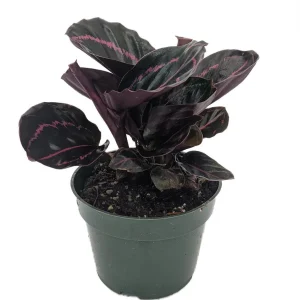
This Calathea Dottie live plant is supplied in a 4-inch nursery pot, providing a perfect starter size for integrating into your indoor plant collection. At this stage, the plant typically stands approximately 6-10 inches tall from the base of the pot, with a similar spread, making it an ideal compact desk-friendly size or a lovely accent for shelves. The plant will continue to grow, reaching a mature height of 1-2 feet indoors, with a similar bushy width, depending on growing conditions and care. Its moderate growth rate means you’ll enjoy its evolving beauty without it quickly outgrowing its space. The plant ships as a healthy, established potted specimen, ready to be displayed and enjoyed immediately upon arrival. The vibrant coloration and unique leaf patterns are already well-developed, showcasing the plant’s full potential.
Frequently Asked Questions
- Q: How big does this plant get? A: The Calathea Dottie live plant typically grows to a height of 1 to 2 feet and a similar width when mature indoors. It’s considered a compact houseplant, ideal for various indoor settings without taking up too much space.
- Q: What size pot does it come in? A: This Calathea ‘Dottie’ is delivered in a 4 inch pot, making it a convenient size for immediate placement or repotting into a slightly larger decorative container.
- Q: Is this an indoor or outdoor plant? A: The Calathea Dottie live plant is primarily an indoor plant, thriving in the consistent temperatures and controlled humidity of a home environment. It can be placed outdoors in shaded, humid conditions during warm summer months in appropriate climates.
- Q: How much sunlight does it need? A: This indoor prayer plant prefers bright, indirect light. Direct sunlight can harm its leaves, causing them to fade or burn. An east-facing window or a spot a few feet away from a brighter window is usually perfect.
- Q: Is this plant easy to care for? A: While Calatheas have a reputation for being a bit demanding, the ‘Dottie’ is considered one of the easier varieties. Consistent humidity and proper watering are key to successful Calathea roseopicta care, making it suitable for intermediate plant enthusiasts.
- Q: What condition will it arrive in? A: Your Calathea Dottie live plant will arrive as a healthy, established potted plant, carefully packaged to ensure it reaches you in excellent condition, ready to be enjoyed.
- Q: Is it pet-safe? A: Yes, Calathea plants, including the ‘Dottie’, are generally considered non-toxic to pets, making them a safer choice for households with curious cats and dogs.
- Q: What’s the best soil for this plant? A: A well-draining potting mix that retains some moisture is ideal. Look for mixes formulated for tropical houseplants or create your own with peat moss, perlite, and a bit of bark.
- Q: How often should I water my Calathea Dottie? A: Water when the top inch of soil feels dry to the touch. It’s important to keep the soil consistently moist but never waterlogged. Reduce watering during the cooler, darker months.
- Q: Why are my Calathea’s leaves curling or browning? A: Leaf curling is often a sign of underwatering or low humidity. Browning leaf tips usually indicate low humidity or sensitivity to tap water chemicals. Ensure consistent moisture and consider increasing humidity.


Reviews
There are no reviews yet.