Overview
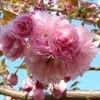
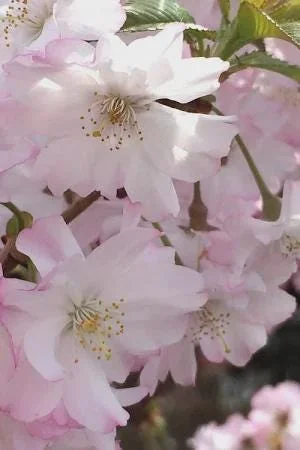
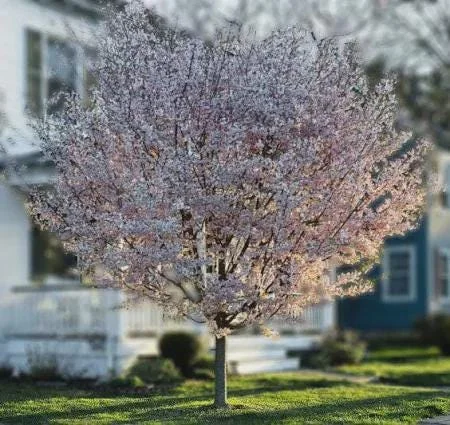
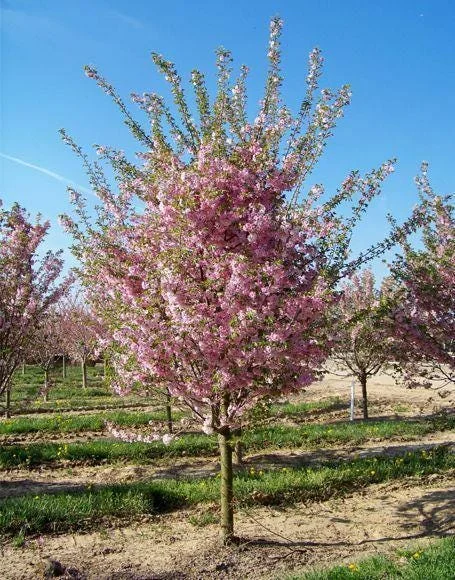
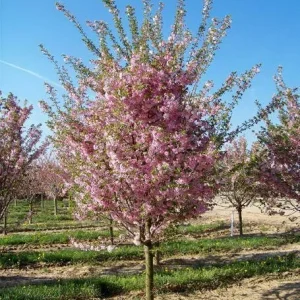
Introduce breathtaking beauty and elegance to your outdoor space with the stunning double pink flowering cherry tree. This magnificent ornamental tree, often referred to as the autumnalis cherry tree, is a true spectacle, renowned for its abundant and delicate semi-double pink flowers that grace its branches each spring. Unlike many other flowering trees, this variety also offers the delightful possibility of a second bloom in autumn, weather permitting, extending its visual appeal throughout the year. As a multi-trunked specimen, it develops a graceful, rounded canopy that can reach impressive sizes, typically growing 25 to 35 feet tall and wide, providing light shade and a serene ambiance to any garden. Its dark green leaves transform into attractive shades of yellow and bronze before falling, adding another layer of seasonal interest. This live plant is a perfect choice for those looking to create a vibrant and captivating landscape.
The botanical name for this exquisite variety is Prunus subhirtella, a species celebrated for its hardiness and ornamental value. Our double pink flowering cherry tree is carefully cultivated to ensure healthy growth and vigorous blooming. It’s an excellent choice for a focal point in a yard, an avenue tree, or as part of a mixed border, bringing a touch of classic charm and seasonal drama. Its adaptability to various climates, particularly USDA Zones 4-8, makes it a popular and reliable option for many gardeners across the United States. Prepare to be enchanted by its delicate beauty and the serene atmosphere it creates.
Key Benefits
Investing in a double pink flowering cherry tree offers a multitude of benefits, transforming your garden into a picturesque sanctuary. Its unique attributes contribute significantly to aesthetic appeal and environmental well-being:
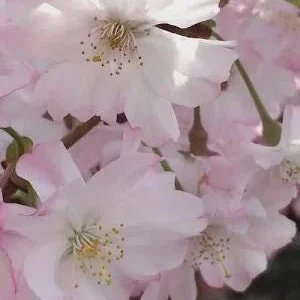
- Spectacular Spring Blooms: Enjoy a profusion of semi-double pink flowers that cover the tree in early spring, creating a stunning visual display that signals the arrival of warmer weather. These delicate blossoms are a highlight of the season.
- Potential Autumn Rebloom: Experience the rare joy of a second flush of flowers in autumn if conditions are favorable, providing unexpected beauty later in the year, a distinctive characteristic of the autumnalis cherry tree.
- Attractive Foliage and Fall Color: Beyond its flowers, the tree features lush dark green leaves during summer, which transition into beautiful shades of yellow and bronze in the fall, adding vibrant color to your autumn landscape.
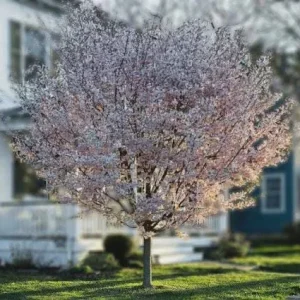
- Graceful Form and Shade: With its multiple trunks and rounded canopy, this ornamental cherry tree develops an elegant silhouette. Once mature, it offers light, dappled shade, perfect for relaxing underneath on sunny days.
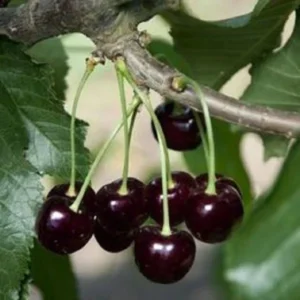
- Wildlife Attraction: The small, black berries that appear after flowering provide a food source for various bird species, bringing delightful wildlife activity to your garden.
- Hardy and Adaptable: This cherry tree is well-suited for a wide range of climates, thriving in USDA Zones 4-8, making it a robust and reliable choice for many regions.
- Enhanced Curb Appeal: A mature double pink flowering cherry tree significantly boosts the aesthetic value and curb appeal of your property, becoming a cherished centerpiece.
Plant Care & Growing Tips
Caring for your double pink flowering cherry tree is relatively straightforward, ensuring years of beautiful blooms and healthy growth. These trees prefer a site with full sun to partial shade, meaning they should receive at least 6 hours of direct sunlight daily for optimal flowering. While adaptable, they thrive best in well-draining soil that is rich in organic matter. Avoid planting in areas where water tends to collect, as soggy roots can lead to issues. When planting, dig a hole twice as wide as the root ball and just as deep, ensuring the top of the root ball is level with the ground. Backfill with native soil, gently tamping down to remove air pockets, and water thoroughly.
Consistent watering is crucial, especially during the first year after planting, to help establish a strong root system. Water deeply once or twice a week, or more frequently during hot, dry spells. Once established, the autumnalis cherry tree is moderately drought-tolerant but will benefit from supplemental watering during prolonged dry periods. Fertilize in early spring with a balanced, slow-release granular fertilizer formulated for trees and shrubs, following package directions. Pruning should be done in late winter or early spring while the tree is dormant. Focus on removing any dead, diseased, or crossing branches to maintain a healthy structure and good air circulation. Light shaping can also be done to enhance its natural form. Keep an eye out for common pests like aphids or spider mites, and treat with horticultural oil or insecticidal soap if necessary. Proper care will ensure your pink cherry blossoms are vibrant and plentiful.
Protection from extreme winter conditions may be necessary in the colder parts of its hardiness range (USDA Zone 4). Wrapping the trunk of young trees in burlap can help prevent sunscald and frost damage. Mulching around the base of the tree with a 2-4 inch layer of organic material helps retain soil moisture, regulate soil temperature, and suppress weeds. Ensure the mulch does not touch the trunk directly to prevent rot. With these care tips, your prunus subhirtella will flourish and become a cherished part of your landscape for many seasons.
Size & Details
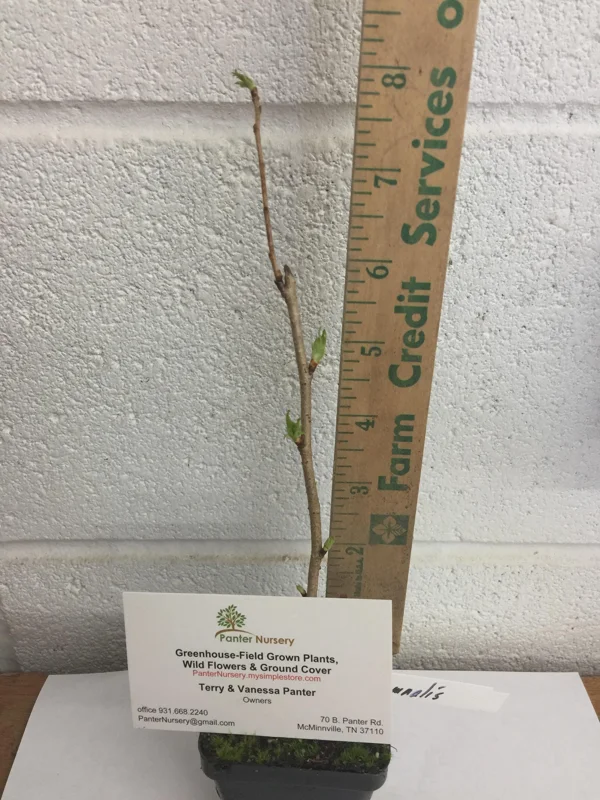
The double pink flowering cherry tree is a substantial ornamental specimen, typically reaching a mature height of 25 to 35 feet with a similar spread of 25 to 35 feet, creating a broad, rounded canopy. Its growth rate is moderate, allowing it to establish well and provide significant impact within a few years. It usually develops a multiple trunk structure, contributing to its picturesque appearance. This live plant is shipped ready for planting, allowing you to begin enhancing your garden immediately. The semi-double pink flowers are a key feature, often appearing before the leaves in early spring, with the possibility of a second bloom in warmer autumns. The leaves are 1-4 inches long, providing ample foliage for light shade.
This particular variety, often known as prunus subhirtella ‘Autumnalis Rosea’, is celebrated for its resilience and beauty. It is well-suited for USDA Hardiness Zones 4-8, making it a versatile choice for many climates. The tree’s overall form is graceful, with slender, upright branches that contribute to its elegant silhouette. Expect small, black berries to appear in late summer, attracting local wildlife. With proper care, this double pink flowering cherry tree will become a long-lasting and cherished component of your landscape design, providing seasonal interest through its flowers, foliage, and form.
Frequently Asked Questions
- Q: How big does a double pink flowering cherry tree get? A: A mature double pink flowering cherry tree typically reaches a height of 25 to 35 feet and a similar width, forming a graceful, rounded canopy. Its size makes it suitable for larger gardens or as a specimen tree.
- Q: Is this an indoor or outdoor plant? A: The double pink flowering cherry tree is an outdoor tree, best suited for planting directly in the ground where it can reach its full potential and display its beautiful pink cherry blossoms.
- Q: How much sunlight does this ornamental cherry tree need? A: This tree thrives in full sun to partial shade, ideally receiving at least 6 hours of direct sunlight per day. Adequate sunlight is crucial for abundant flowering and healthy growth.
- Q: Is this tree easy to care for? A: Yes, the autumnalis cherry tree is considered moderately easy to care for. It requires consistent watering during establishment, well-draining soil, and occasional pruning to maintain health and shape.
- Q: When is the best time to plant a double pink flowering cherry tree? A: The best time to plant is in early spring or fall when temperatures are moderate. This allows the tree to establish its root system before extreme heat or cold.
- Q: Will it survive winter in my zone? A: This tree is hardy in USDA Zones 4-8. If you are in Zone 4, providing some winter protection for young trees, like mulching and trunk wrapping, can be beneficial.
- Q: What kind of soil is best for Prunus subhirtella? A: Prunus subhirtella prefers well-draining soil that is rich in organic matter. It can tolerate a range of soil types but dislikes consistently wet or waterlogged conditions.
- Q: How long does it take for the tree to bloom? A: Young trees may take a few years to establish before producing a significant display of pink cherry blossoms. Once established, they typically bloom reliably each spring, often with a secondary autumn bloom.
- Q: What color are the flowers? A: This tree produces beautiful semi-double pink flowers, which are a hallmark of the double pink flowering cherry tree.
- Q: Are the berries on the cherry tree edible? A: The small, black berries produced by this ornamental cherry tree are generally not considered suitable for human consumption, though they are a food source for birds.


Reviews
There are no reviews yet.