Overview
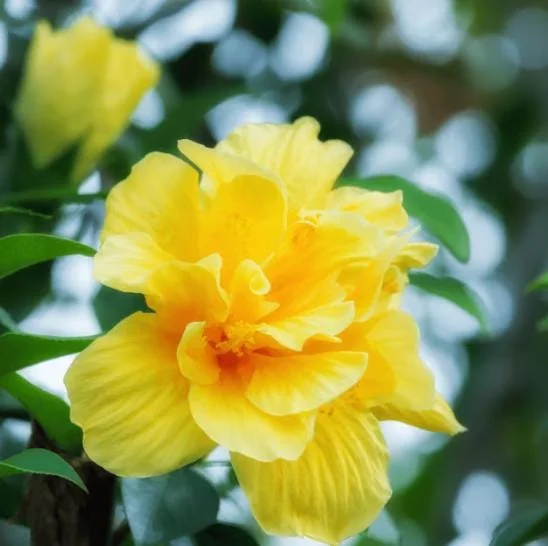
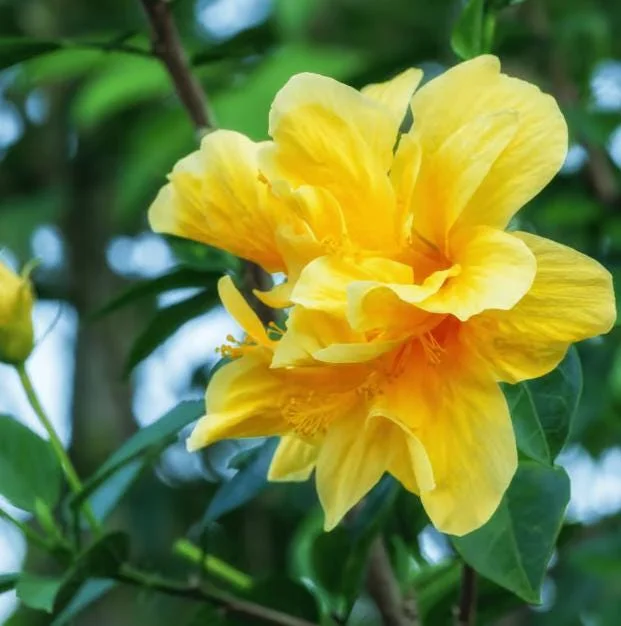
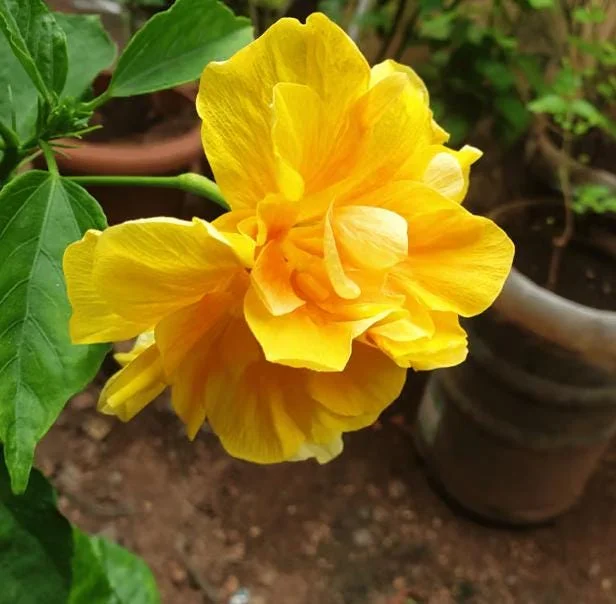
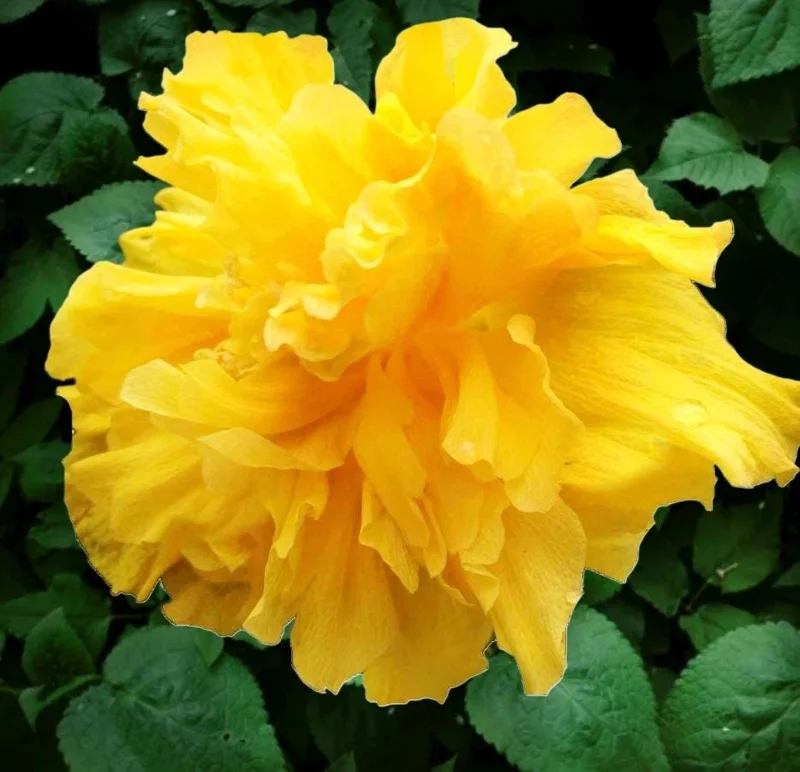
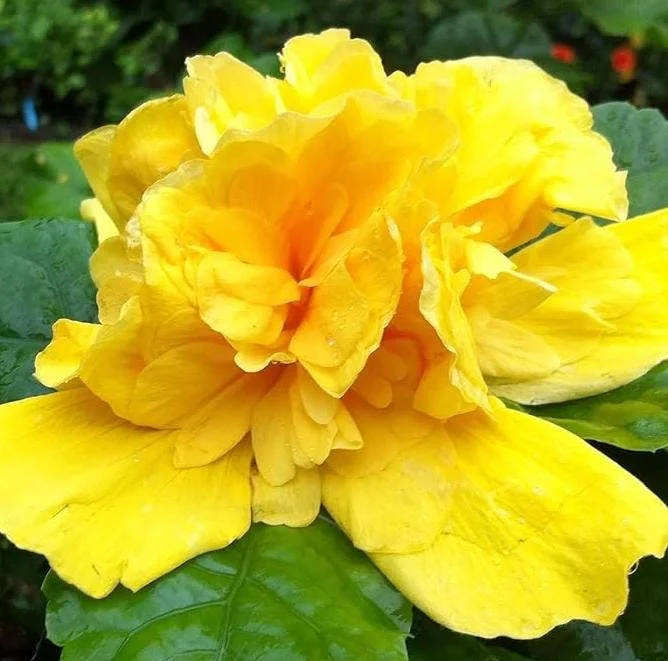
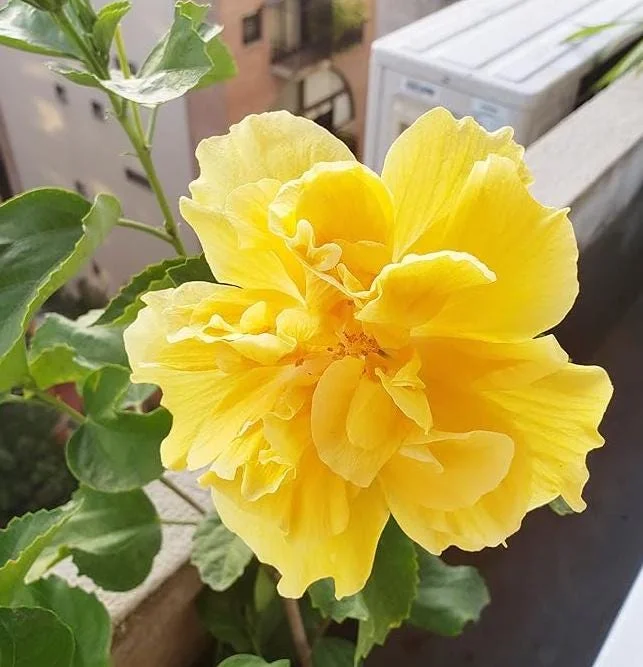
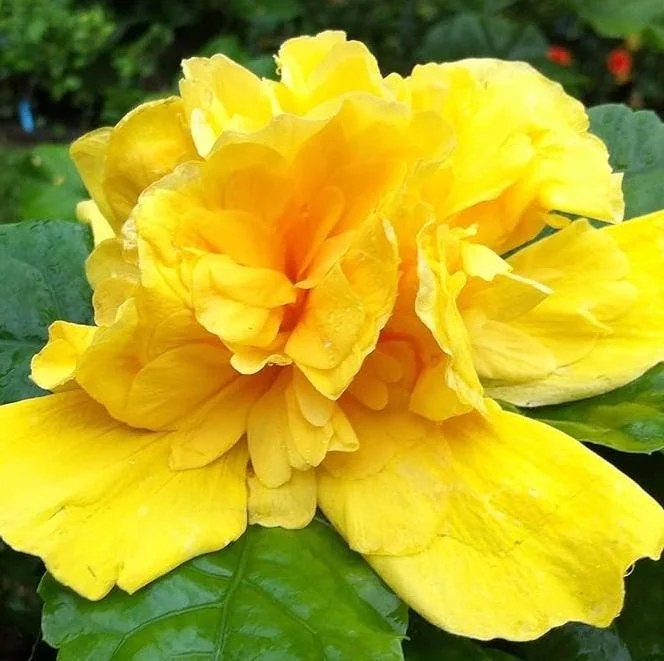
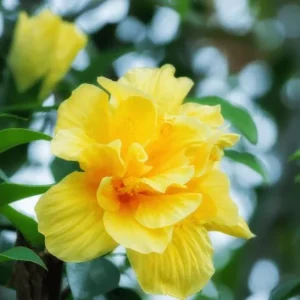
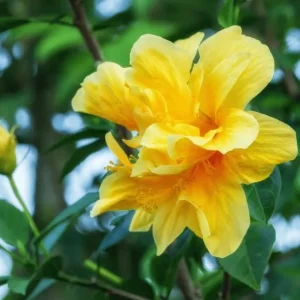
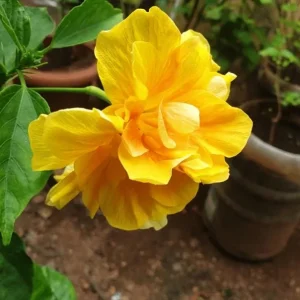
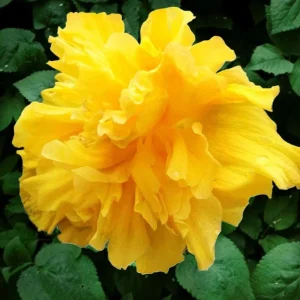
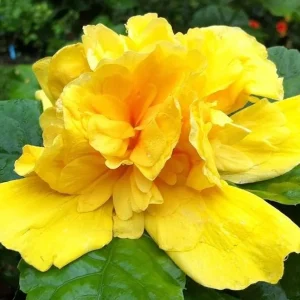
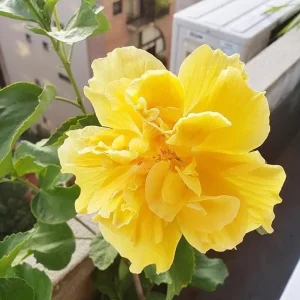
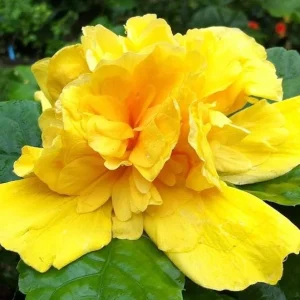
Transform your outdoor space into a tropical paradise with the exquisite double yellow hibiscus live plant. This magnificent tropical flowering shrub is celebrated for its spectacular, large, double-petaled bright yellow blooms that distinctly resemble ruffled roses. Each flower can reach an impressive 4–6 inches in width, creating a truly vibrant and eye-catching display. Blooming profusely throughout the warm seasons, from spring to fall, the Double Yellow Hibiscus ensures a continuous showcase of color. Its lush, glossy green foliage provides a perfect backdrop, enhancing the cheerful blossoms and making it a favored choice for gardeners seeking a touch of exotic elegance. Whether you’re looking to add a focal point to your garden, brighten up a patio, or create a stunning container arrangement, this tropical hibiscus shrub is an excellent selection. It thrives in sunny conditions and promises to be a rewarding addition to any landscape, inviting hummingbirds and butterflies with its radiant charm.
Key Benefits
Choosing the double yellow hibiscus live plant for your garden offers a plethora of advantages, both aesthetic and practical. Its robust nature and stunning appearance make it a standout choice for various outdoor settings.
- Spectacular Blooms: Enjoy an abundance of large, double-petaled bright yellow flowers, often reaching 4-6 inches across. These vibrant blooms provide a continuous tropical display from spring through fall, ensuring your garden is always bursting with color. The cheerful yellow hue adds warmth and brightness to any landscape.
- Glossy Green Foliage: The plant features rich, glossy green leaves that beautifully complement the vivid yellow flowers. This lush foliage maintains an attractive appearance even when the plant is not in bloom, providing year-round visual interest and a healthy, vibrant look.
- Versatile Landscaping: Ideal for a variety of uses, this tropical hibiscus shrub can be planted directly in the garden, used in large patio containers, or even as a striking specimen plant. Its adaptability makes it suitable for diverse garden designs and spaces, from formal to informal.
- Attracts Pollinators: The bright, showy flowers are a magnet for hummingbirds and butterflies, bringing lively activity and natural beauty to your outdoor environment. This helps support local ecosystems and enhances the overall vibrancy of your garden.
- Hardy Perennial: Classified as a perennial in warmer zones (USDA Zones 9-11), this hibiscus returns year after year, providing enduring beauty with minimal effort once established. It’s a reliable choice for long-term garden enjoyment, making it a great investment.
- Easy to Grow: With proper care, including adequate sunlight and consistent watering, this hibiscus is relatively easy to maintain. Its robust nature makes it a good option for both experienced gardeners and those new to cultivating flowering shrubs, especially when following basic hibiscus plant care guidelines.
- Long Blooming Season: Unlike some flowering plants that have short blooming periods, the Double Yellow Hibiscus offers an extended season of bloom, from spring until the first frost. This ensures prolonged enjoyment of its stunning yellow hibiscus flowers.
Plant Care & Growing Tips
Caring for your double yellow hibiscus live plant is straightforward and rewarding, leading to a profusion of beautiful blooms. Understanding its specific needs will ensure a healthy and flourishing plant. This perennial hibiscus garden favorite thrives in conditions that mimic its tropical origins.
For optimal growth and flowering, the Double Yellow Hibiscus prefers full sun exposure, meaning it needs at least 6 hours of direct sunlight daily. In hotter climates, some afternoon shade can be beneficial to prevent leaf scorch, but generally, more sun equals more blooms. When it comes to soil, rich, well-draining soil with ample organic matter is ideal. Good drainage is crucial to prevent root rot, so ensure your planting site or container has excellent drainage. Keep the soil consistently moist but never waterlogged. During hot summer months, the plant will require more frequent watering, sometimes daily, especially if grown in containers. Check the soil moisture regularly by feeling the top inch of soil; if it feels dry, it’s time to water.
This tropical plant thrives in temperatures between 60°F and 90°F. It is hardy in USDA Zones 9 to 11, where it can be grown as a perennial. In cooler zones, it can be grown as an annual or brought indoors during winter as a potted plant. Fertilize regularly during the growing season (spring through fall) with a balanced fertilizer or one higher in phosphorus to encourage blooming. Pruning can be done in late winter or early spring to shape the plant, remove any dead or leggy branches, and encourage bushier growth. Watch out for common pests like aphids or spider mites, and treat them with insecticidal soap if necessary. Proper hibiscus plant care is key to enjoying these magnificent yellow hibiscus flowers season after season.
Size & Details
Your double yellow hibiscus live plant will arrive as a healthy, actively growing specimen, typically measuring 8-10 inches tall. This size is ideal for transplanting into your garden or a larger container, allowing it to establish quickly and begin its journey to maturity. These plants are shipped without a pot, with their roots carefully protected to ensure a smooth transition to their new home. Expect a robust growth rate under optimal conditions, with the plant quickly developing into a substantial shrub. The large, vibrant blooms, measuring 4-6 inches wide, will start to appear from spring and continue through fall, providing an extended season of color. This tropical hibiscus shrub is perfect for creating a lush, exotic feel in your landscape.
Frequently Asked Questions
- Q: How big does this hibiscus plant get? A: This double yellow hibiscus live plant typically arrives 8-10 inches tall. Once established, it can grow into a substantial shrub, often reaching 5-8 feet tall and wide in ideal conditions, though size can be controlled with pruning.
- Q: Is this an indoor or outdoor plant? A: The Double Yellow Hibiscus is primarily an outdoor plant, thriving in full sun. In USDA Zones 9-11, it’s a perennial. In colder zones, it can be grown outdoors as an annual or brought indoors to overwinter, making it a versatile perennial hibiscus garden addition.
- Q: How much sunlight does it need? A: This hibiscus requires full sun exposure, meaning at least 6 hours of direct sunlight daily, for the best flowering performance. Adequate sunlight is crucial for developing those beautiful yellow hibiscus flowers.
- Q: Is this plant easy to care for? A: Yes, with the right conditions and consistent hibiscus plant care, this plant is relatively easy to care for. It needs plenty of sun, consistent moisture, and well-draining soil to thrive.
- Q: What condition will it arrive in? A: Your plant will arrive as a live, healthy specimen, 8-10 inches tall, with its roots carefully prepared for transplanting. It will be ready to be planted in your garden or a larger pot upon arrival.
- Q: When is the best time to plant? A: The best time to plant your double yellow hibiscus live plant is in spring or early summer after the last frost, allowing it ample time to establish before cooler weather.
- Q: Will it survive winter in my zone? A: This hibiscus is hardy in USDA Zones 9-11. If you live in a colder zone, you’ll need to protect it from frost or bring it indoors for the winter months.
- Q: What type of soil does it prefer? A: The Double Yellow Hibiscus thrives in rich, well-draining soil that is high in organic matter. Good drainage is essential to prevent waterlogging and root issues.
- Q: How often should I water my tropical hibiscus shrub? A: Keep the soil consistently moist but not soggy. During hot weather, especially for container plants, you may need to water daily. Reduce watering slightly in cooler months.
- Q: Can I grow this in a pot? A: Absolutely! The Double Yellow Hibiscus is an excellent choice for container planting, especially if you wish to move it indoors during colder months. Ensure the pot has good drainage and is large enough to accommodate growth.


Reviews
There are no reviews yet.